



Persian Gulf Shipping Crisis Drives 15-25% Freight Cost Surge for Cross-Border Sellers
- Strait of Hormuz blockade escalates; 20% of global oil transits disrupted; sellers face $300-800/month additional logistics costs through Q2 2025



)





Overview
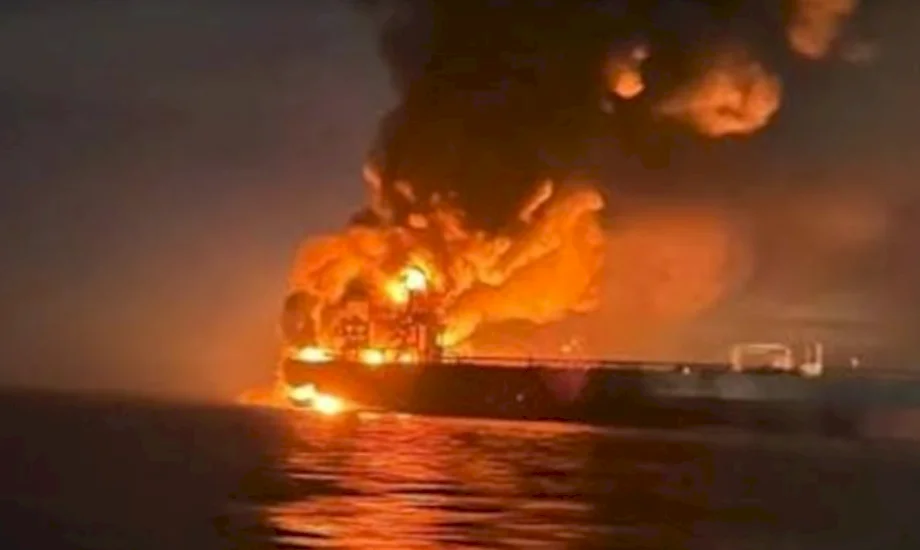
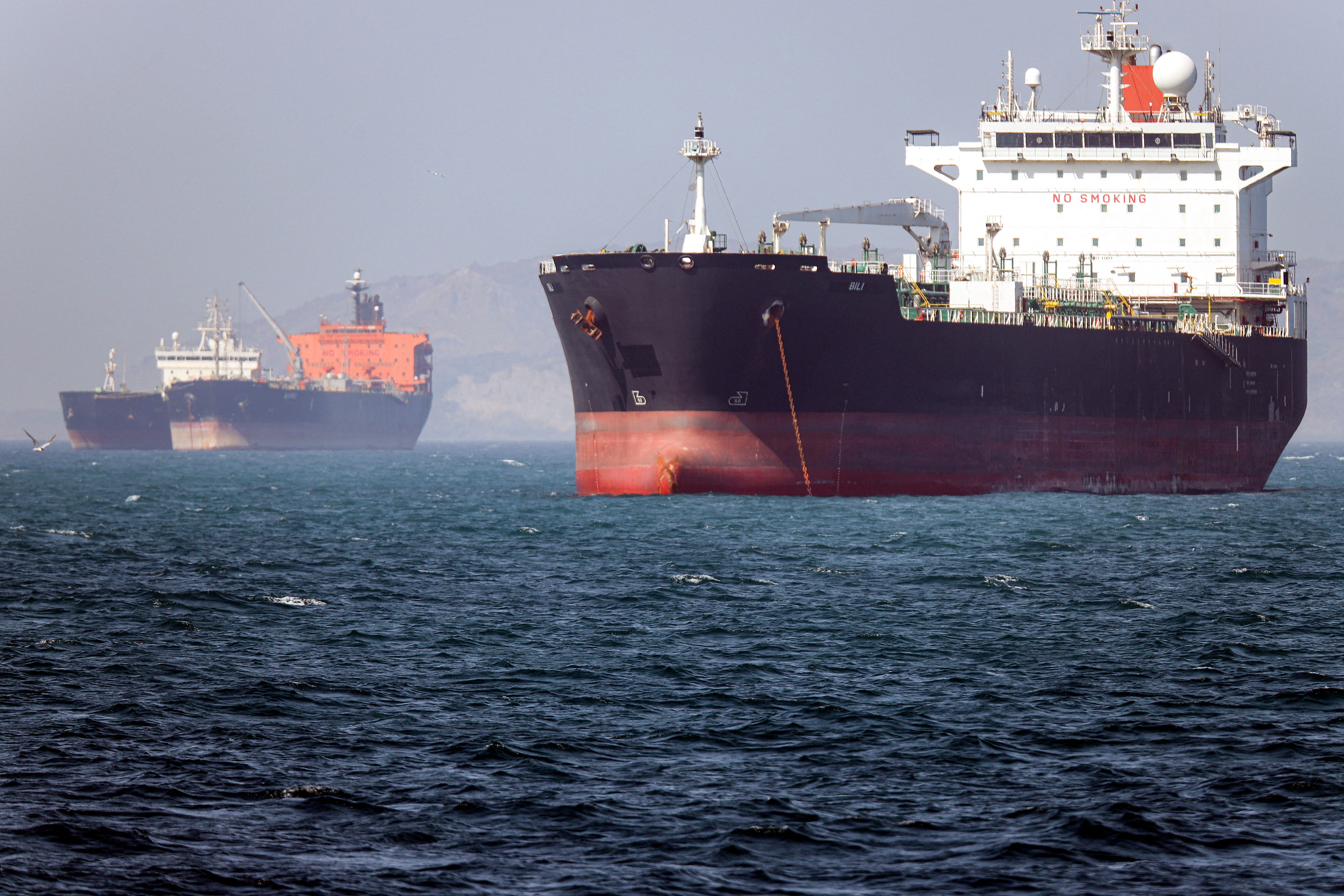
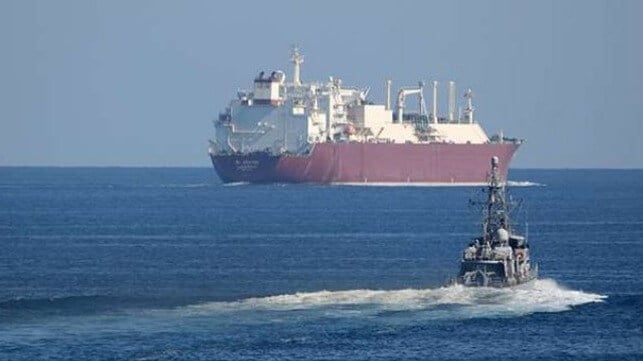
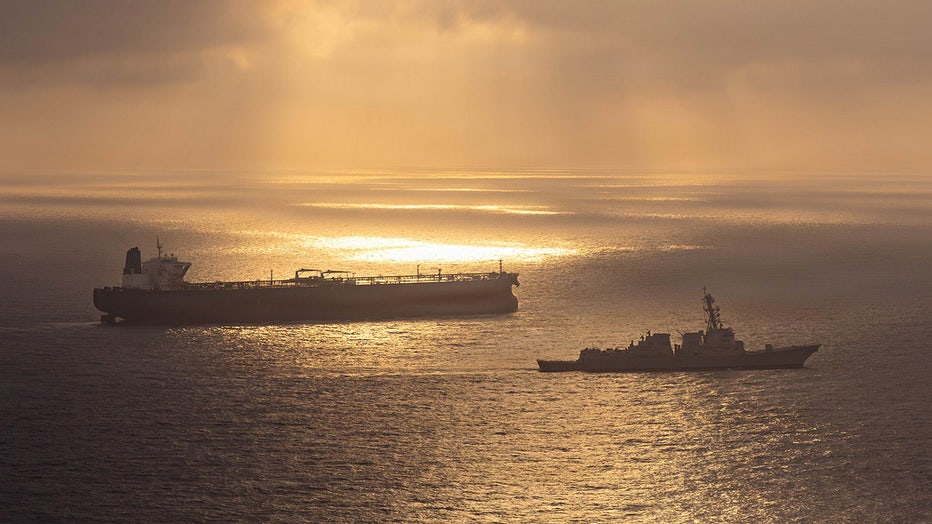
The deteriorating US-Iran ceasefire, strained since April 8, 2025, has created a critical shipping crisis affecting cross-border e-commerce sellers globally. The Strait of Hormuz—through which approximately one-fifth of global traded oil transits—faces escalating military operations including drone strikes on cargo vessels, port blockades, and naval confrontations. Qatar reported a cargo ship struck by drone near Mesaieed Port, while Kuwait and UAE intercepted hostile drones. The US maintains a blockade of Iranian ports while striking Iranian oil tankers attempting to breach restrictions. Iran's Revolutionary Guard has warned of "heavy assaults" on US bases and ships if Iranian vessels are attacked, with parliament spokesperson Ebrahim Rezaei declaring "Tehran's restraint is over."
For cross-border sellers, this geopolitical escalation translates directly into supply chain cost increases. Shipping routes through the Strait of Hormuz face 15-25% freight premium increases due to insurance surcharges, longer routing distances, and vessel rerouting around the Persian Gulf. Sellers importing from Asia-Pacific regions (Vietnam, India, Thailand, Indonesia) to US and EU markets face the most acute impact, with ocean freight costs rising from baseline $2,000-3,500 per 40ft container to $2,300-4,400. Air freight premiums have increased 8-12% as carriers avoid Persian Gulf airspace. The blockade particularly impacts sellers sourcing petroleum-based products (plastics, chemicals, packaging materials), energy-intensive manufacturing (electronics, textiles), and time-sensitive categories requiring air freight (fashion, electronics, perishables).
Strategic sourcing opportunities emerge for sellers willing to pivot supply chains. The crisis incentivizes nearshoring to Mexico, Central America, and Eastern Europe, reducing Strait of Hormuz dependency. Sellers currently sourcing 60-80% from Asia should consider diversifying 20-30% to alternative origins (Vietnam to Mexico corridor, India to Poland corridor) to hedge geopolitical risk. Categories with 8-15% margin compression (consumer electronics, home goods, apparel) face the greatest pressure to optimize sourcing. Conversely, sellers in energy-dependent categories (petrochemicals, industrial equipment, heavy machinery) may see temporary demand spikes as buyers front-load inventory before further escalation. The diplomatic mediation window (Qatar's 14-point proposal under negotiation) suggests 60-90 day resolution timeline; sellers should plan for sustained elevated costs through Q2 2025 with potential normalization by Q3 if ceasefire holds.
Immediate operational actions include freight cost modeling, supplier diversification, and pricing strategy adjustments. Sellers should audit current sourcing geography, calculate per-unit freight impact by category, and model 15-20% cost increase scenarios. High-margin categories (luxury goods, collectibles, specialty items) can absorb increases; low-margin categories (mass-market electronics, basic apparel) require either price increases (risking competitiveness) or margin compression. Consider 3PL providers with alternative routing capabilities, negotiate fixed-rate freight contracts through Q2 2025, and evaluate nearshoring pilots for top 5-10 SKUs. Monitor diplomatic developments weekly; ceasefire restoration would trigger immediate 10-15% freight cost reductions as insurance premiums normalize and routing efficiency improves.
Questions 7
How can I use 3PL providers to mitigate shipping disruptions?
Third-party logistics (3PL) providers with diversified routing capabilities can offer alternative shipping corridors avoiding the Strait of Hormuz. Request quotes from 3PLs offering Mexico-to-US, Southeast Asia-to-Europe, and India-to-Eastern Europe routes that bypass Persian Gulf shipping lanes. Negotiate fixed-rate freight contracts through Q2 2025 to lock in current rates before further escalation. 3PLs with multiple carrier relationships can access capacity when primary carriers reduce Persian Gulf operations. Evaluate 3PLs offering nearshoring services (consolidation in Mexico or Poland) to reduce long-haul ocean freight dependency. Typical 3PL fees add 8-12% to logistics costs but provide supply chain resilience and routing flexibility. For sellers with 20+ monthly containers, dedicated 3PL relationships offer 5-8% cost savings through volume consolidation and carrier negotiations.
What pricing strategies should I adopt to offset freight cost increases?
Pricing strategy depends on category margin profile and competitive positioning. High-margin categories (luxury goods, collectibles, specialty items with 40%+ margins) can absorb 15-20% freight increases through modest 3-5% retail price increases with minimal demand impact. Mid-margin categories (consumer electronics, home goods with 20-30% margins) require either 5-8% price increases or 2-3% margin compression; test price elasticity before implementing increases. Low-margin categories (mass-market electronics, basic apparel with 10-15% margins) face difficult choices: 8-12% price increases risk losing Buy Box and market share, while margin compression may eliminate profitability. Consider dynamic pricing strategies: increase prices on bestsellers (lower elasticity) while maintaining competitive pricing on price-sensitive items. Implement surcharges transparently ("Shipping Cost Adjustment") to minimize customer perception of price gouging. Monitor competitor pricing weekly to avoid losing market share during transition period.