


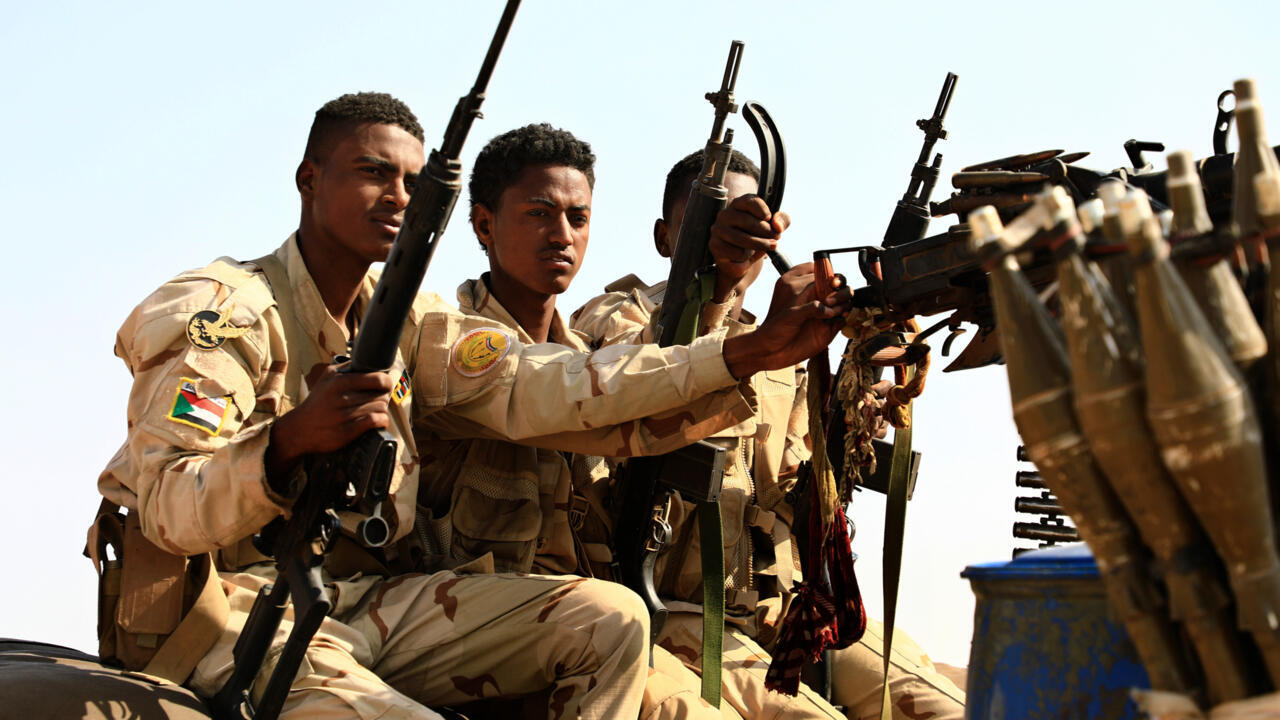

Humanitarian Crisis Deepens: Sudan's Spiral of Violence Threatens Regional Stability
- Escalating Conflict Exposes Critical Failures in International Peacekeeping Mechanisms








)






)














Overview
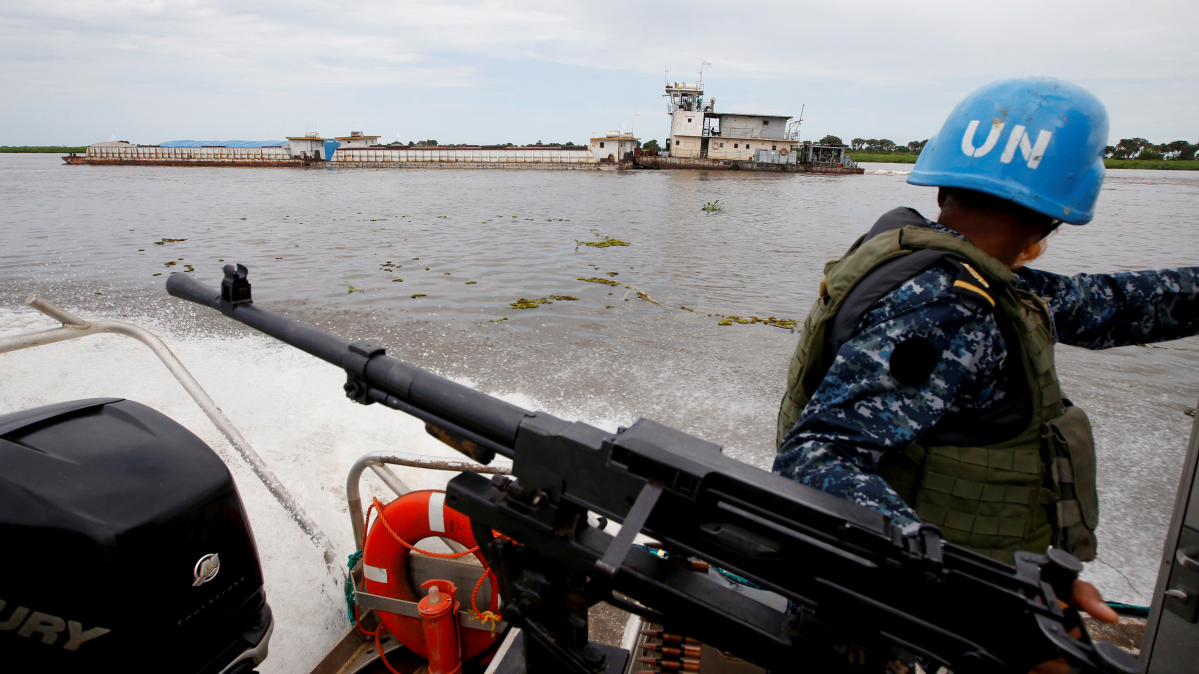
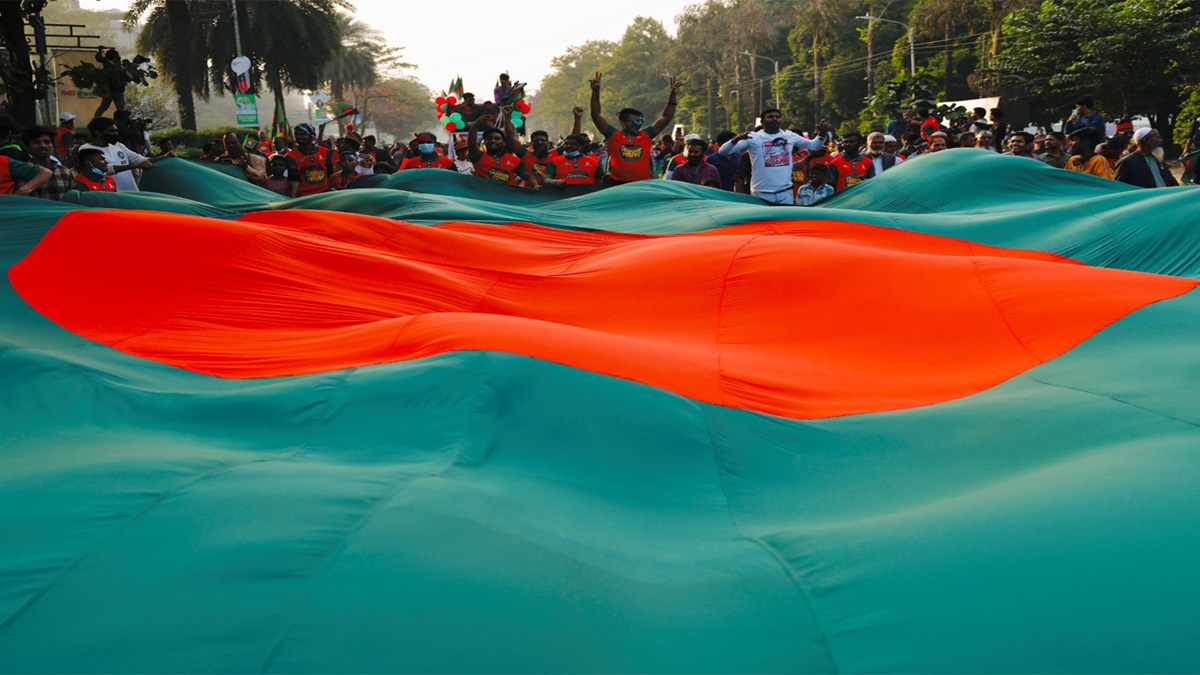
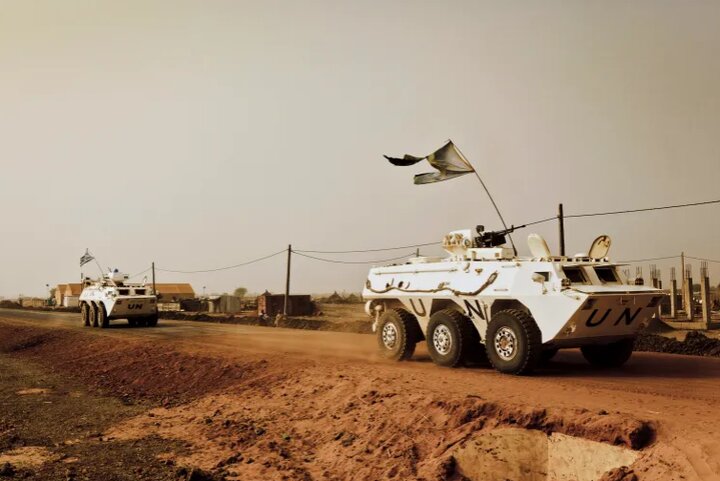
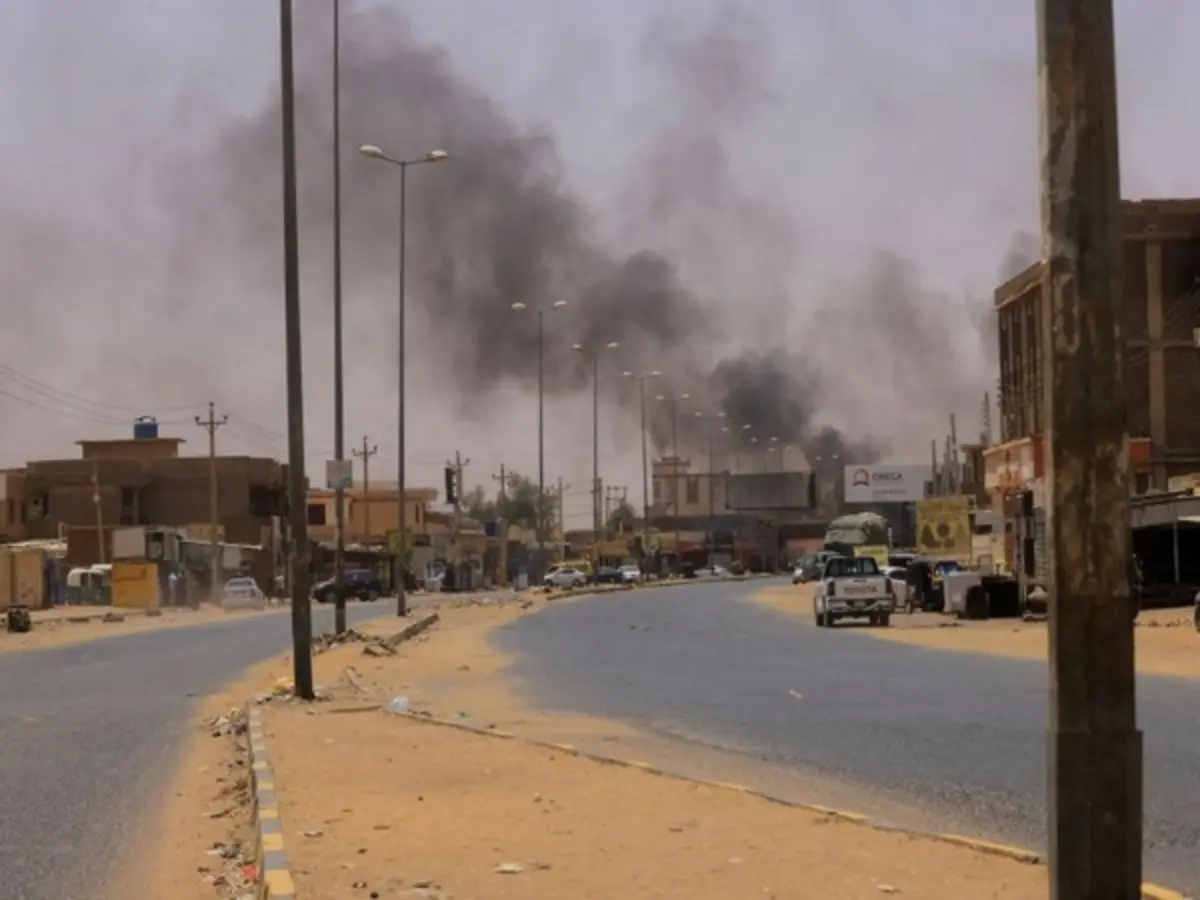
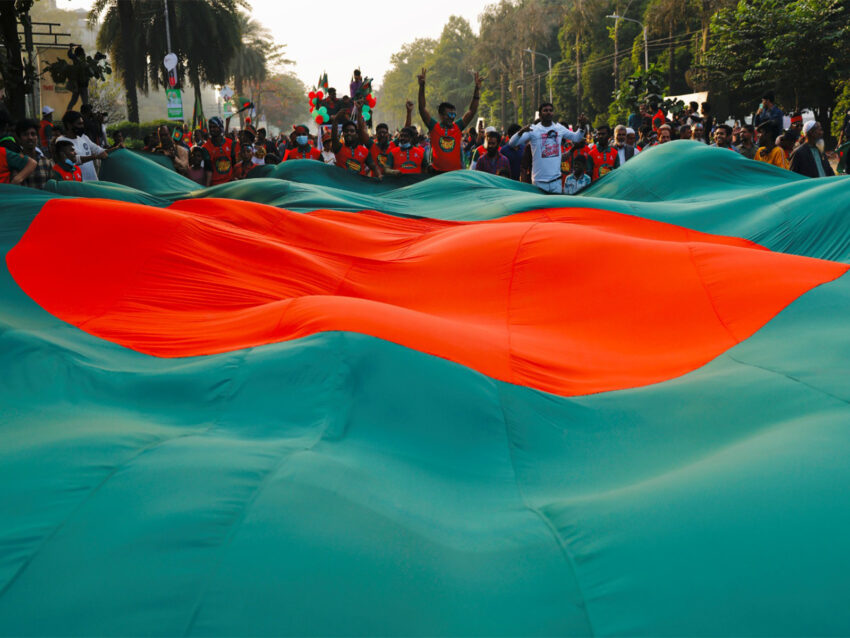
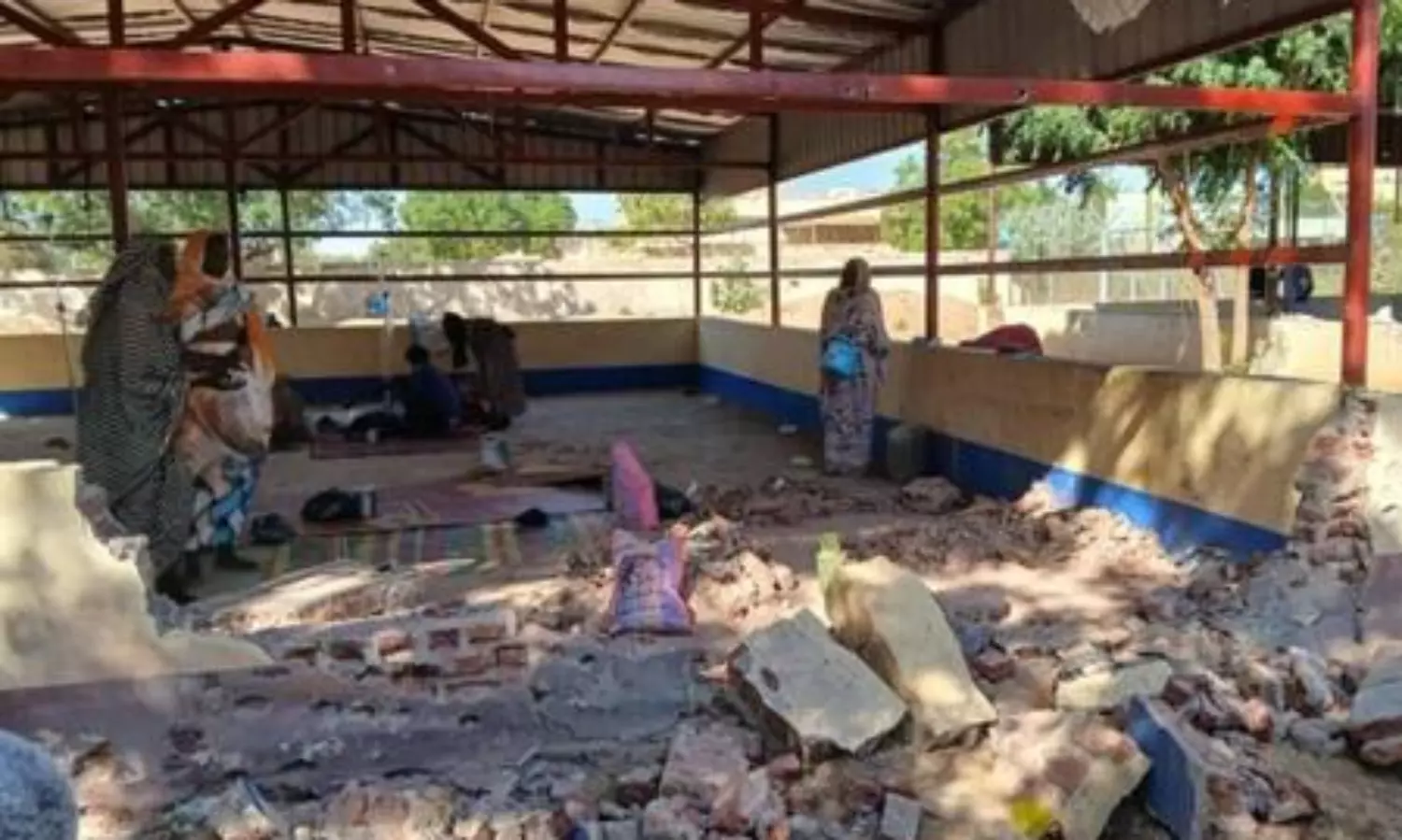
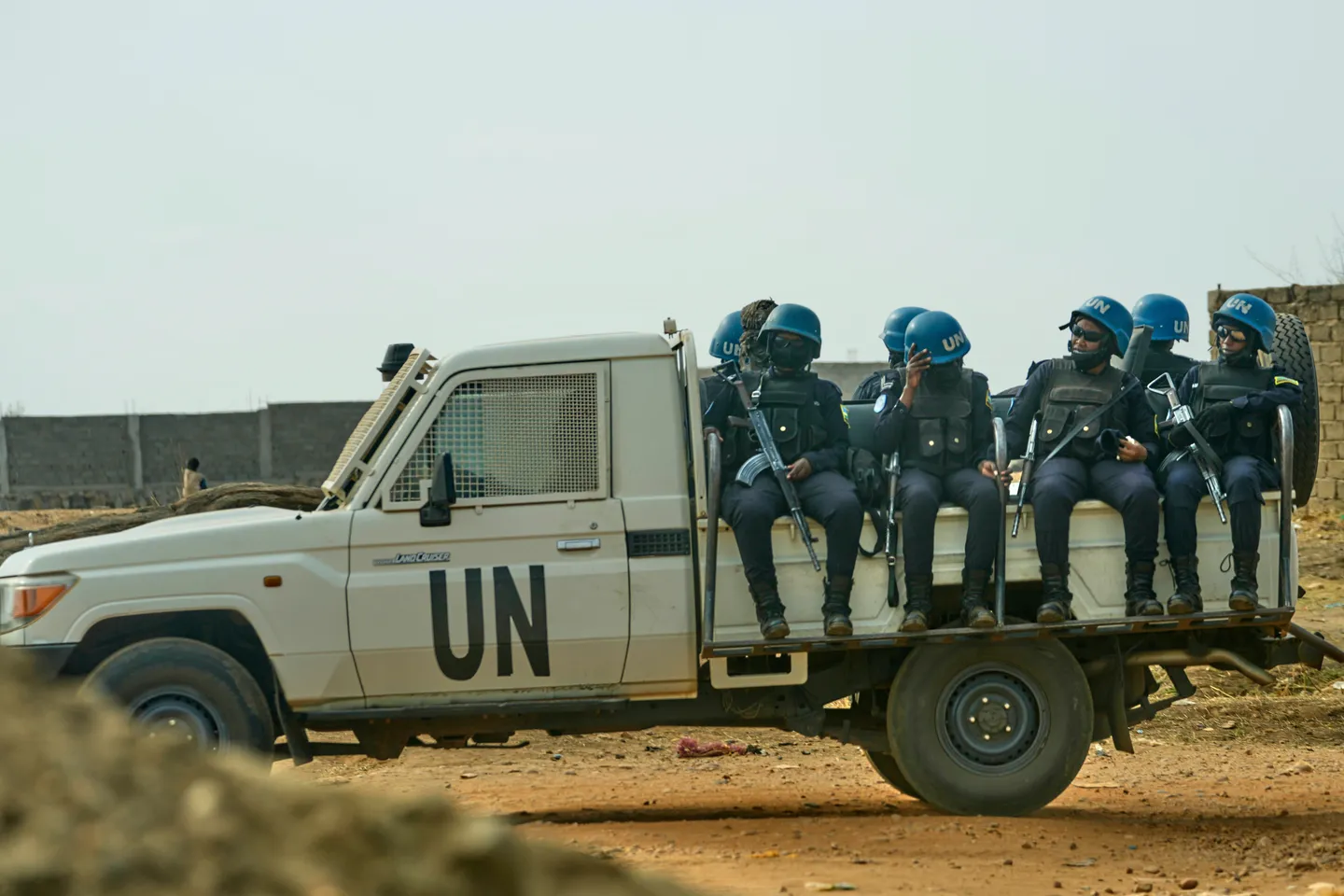
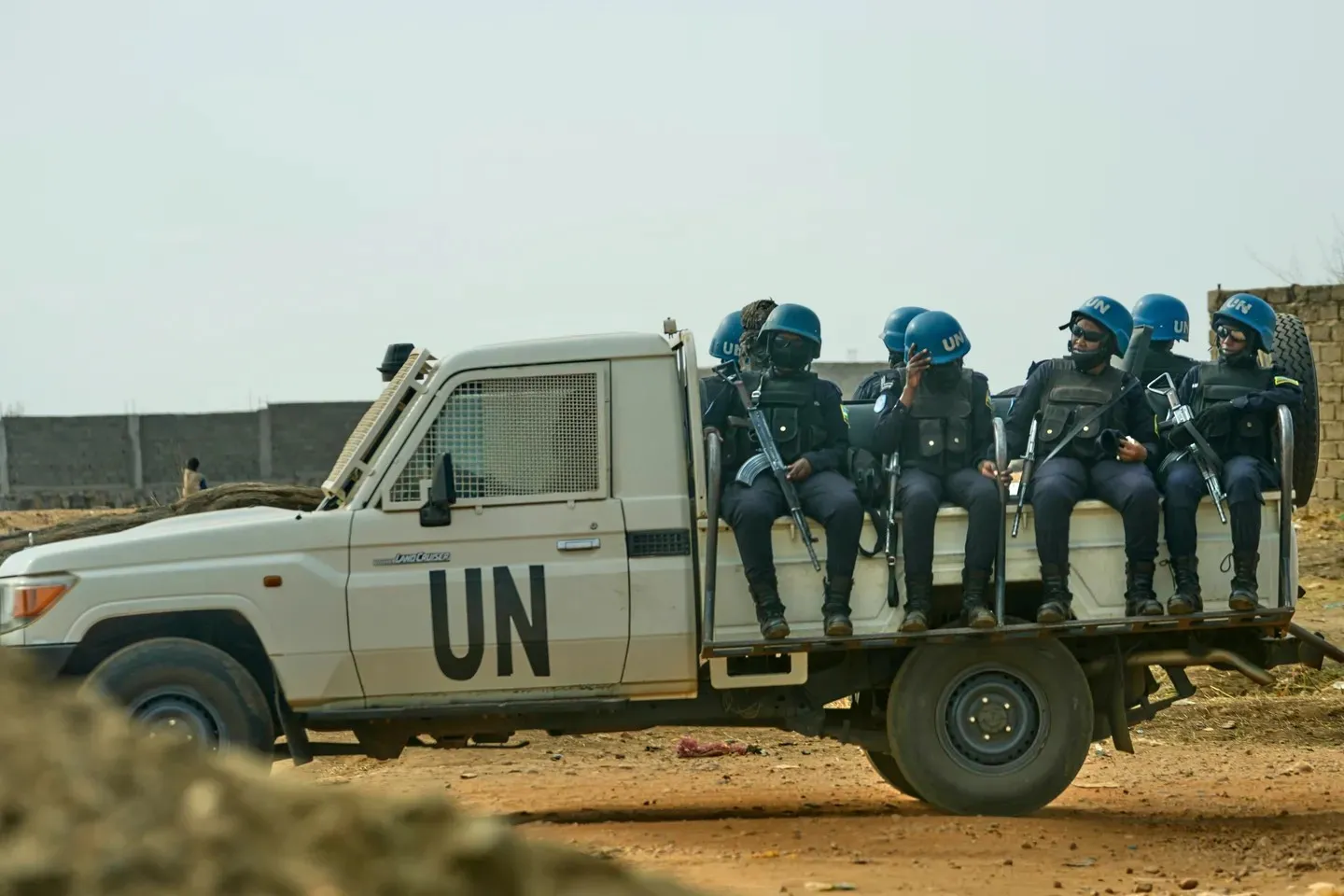
The drone strike on a UN peacekeeping facility in Sudan represents a critical inflection point in the country's devastating conflict, revealing profound systemic vulnerabilities in international humanitarian intervention. With six Bangladeshi peacekeepers killed and eight wounded in Kadugli, the attack underscores the precarious security landscape that has transformed Sudan into the world's most acute humanitarian emergency.
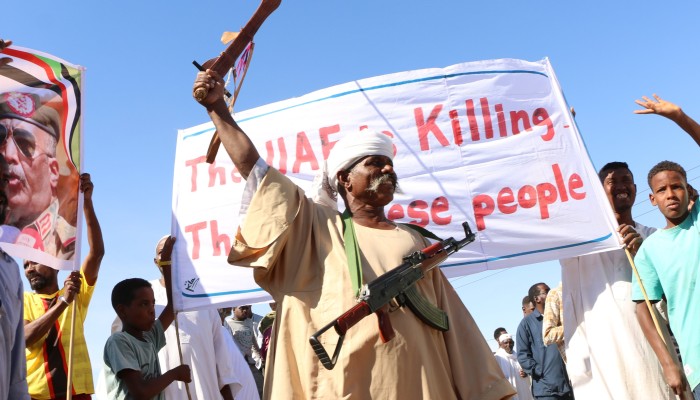
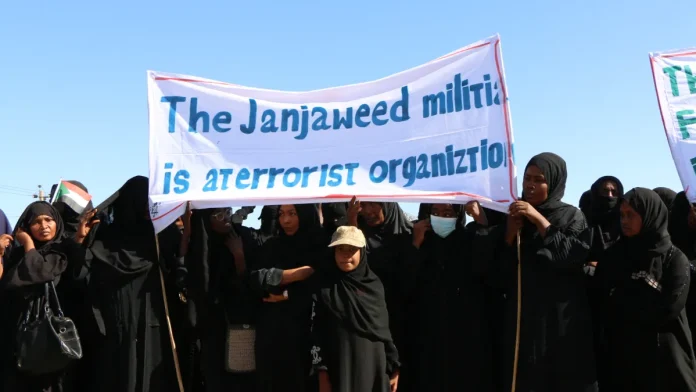
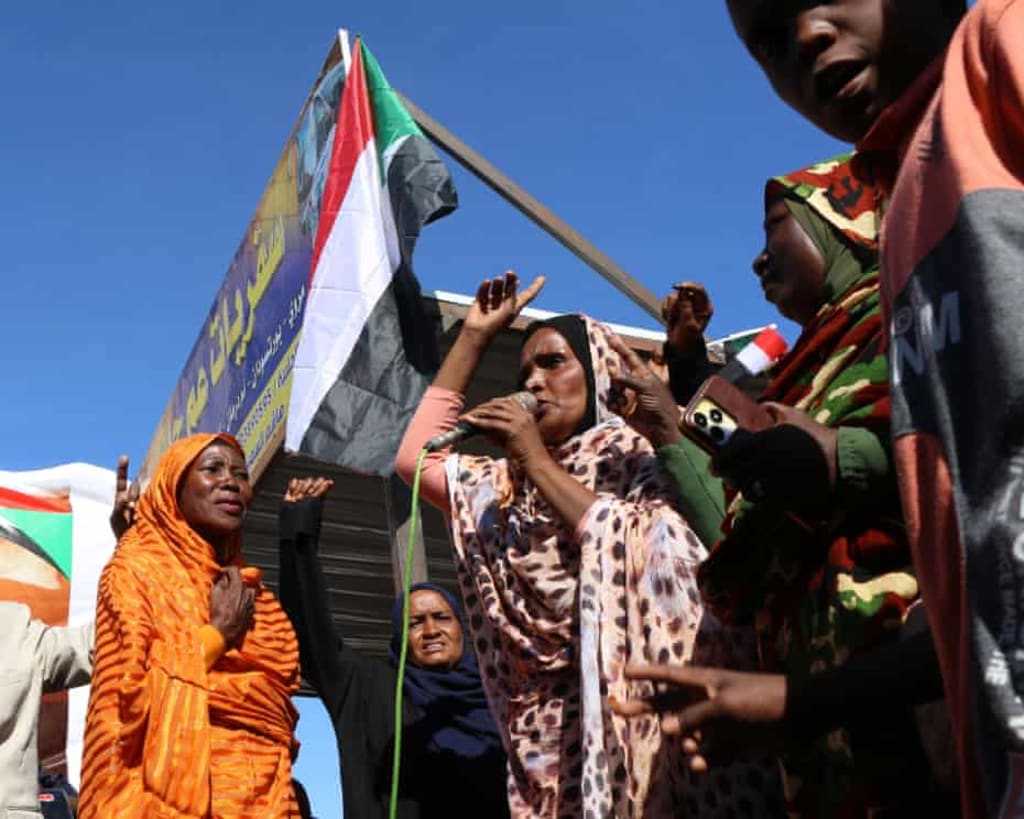
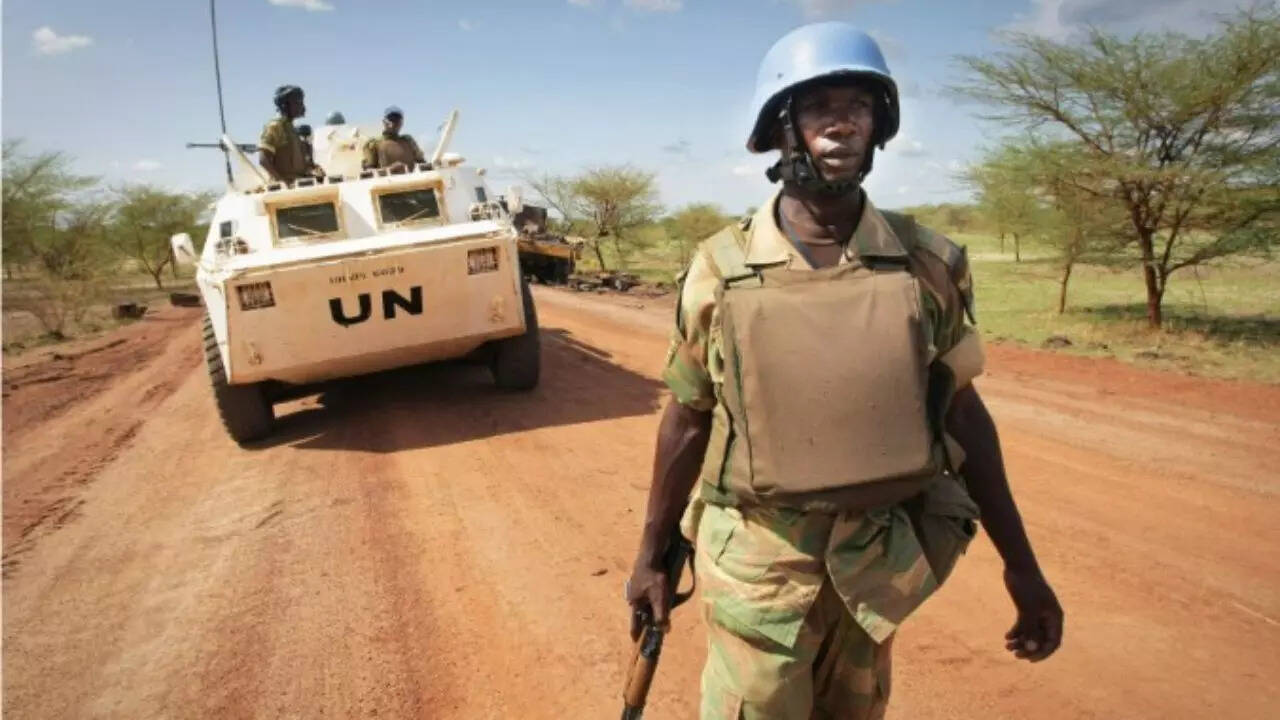
Structural Breakdown of Conflict Dynamics: The ongoing war between the Sudanese military and Rapid Support Forces (RSF) has already claimed over 40,000 lives, with rights groups suggesting this figure is likely an undercount. The conflict has metastasized beyond traditional military confrontations, evolving into a complex humanitarian catastrophe characterized by ethnically motivated violence, mass atrocities, and systematic human rights violations. The UN peacekeeping mission in Abyei, operational since 2011, now finds itself increasingly vulnerable, with international protection mechanisms seemingly overwhelmed by the conflict's intensity.
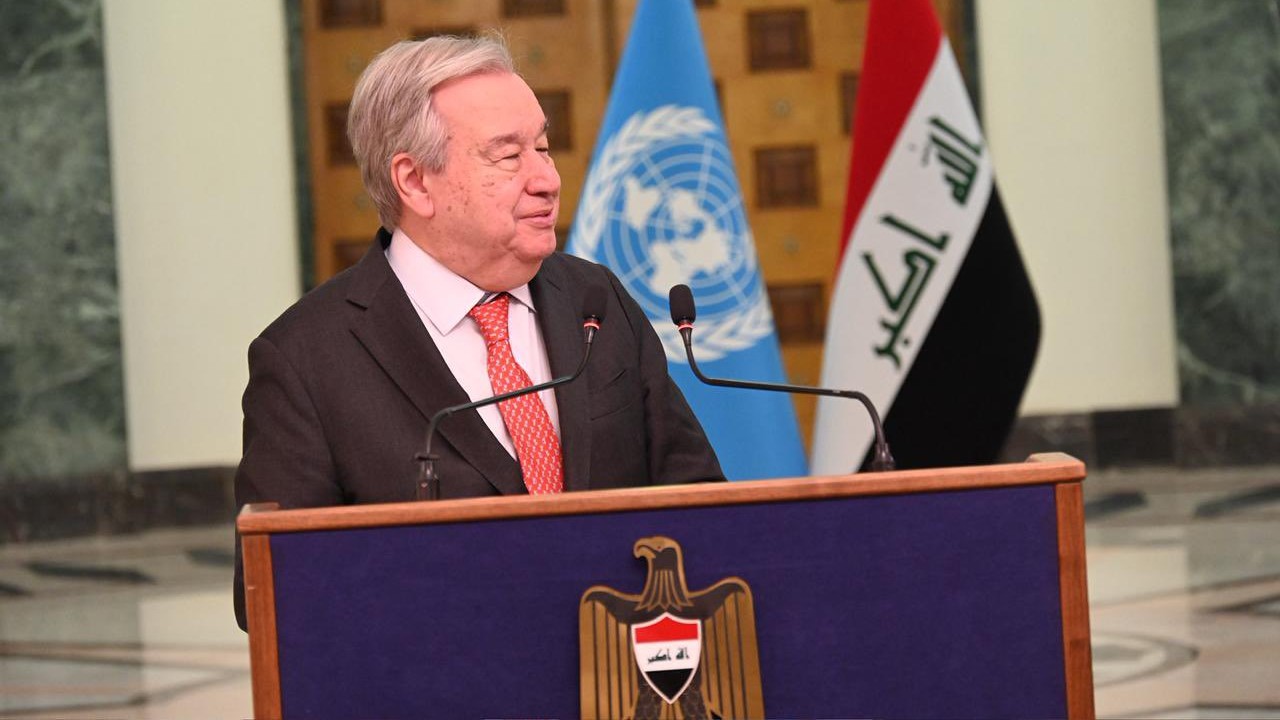
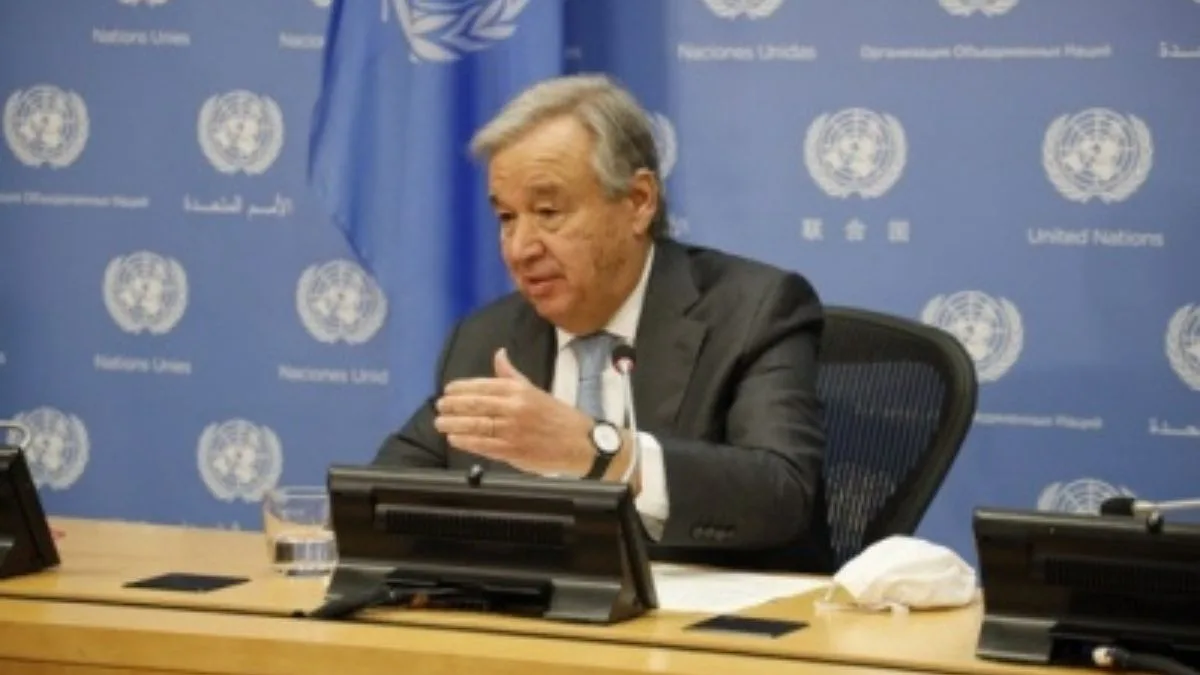
Geopolitical and Humanitarian Implications: UN Secretary General António Guterres's condemnation of the attack as a potential war crime signals a critical moment of international recognition. The drone strike is not merely an isolated incident but symptomatic of a broader systemic failure in conflict resolution strategies. The disputed oil-rich region between Sudan and South Sudan remains a powder keg, with humanitarian conditions rapidly deteriorating toward what experts describe as an impending famine.
Strategic Vulnerability Exposed: The attack reveals multiple layers of institutional weakness. International peacekeeping forces are no longer viewed as neutral guarantors of safety but have become direct targets. The conflict's escalation suggests a breakdown in diplomatic channels and a dangerous erosion of international humanitarian norms. Guterres's call for a "comprehensive, inclusive, and Sudanese-owned political process" underscores the urgent need for locally-driven conflict resolution mechanisms that transcend traditional top-down international interventions.
The international community now faces a critical juncture: either develop more robust, adaptive peacekeeping strategies or risk witnessing the complete destabilization of a strategically significant region. The humanitarian cost continues to mount, with parts of Sudan sliding toward a catastrophic humanitarian collapse that could have far-reaching regional consequences.
Questions 3
What are the potential regional implications of the ongoing conflict?
The conflict threatens regional stability, particularly in the oil-rich disputed territories between Sudan and South Sudan. The ongoing violence could trigger broader geopolitical tensions, disrupt economic activities, and create a long-term humanitarian emergency that extends beyond Sudan's borders.
How severe is the humanitarian situation in Sudan?
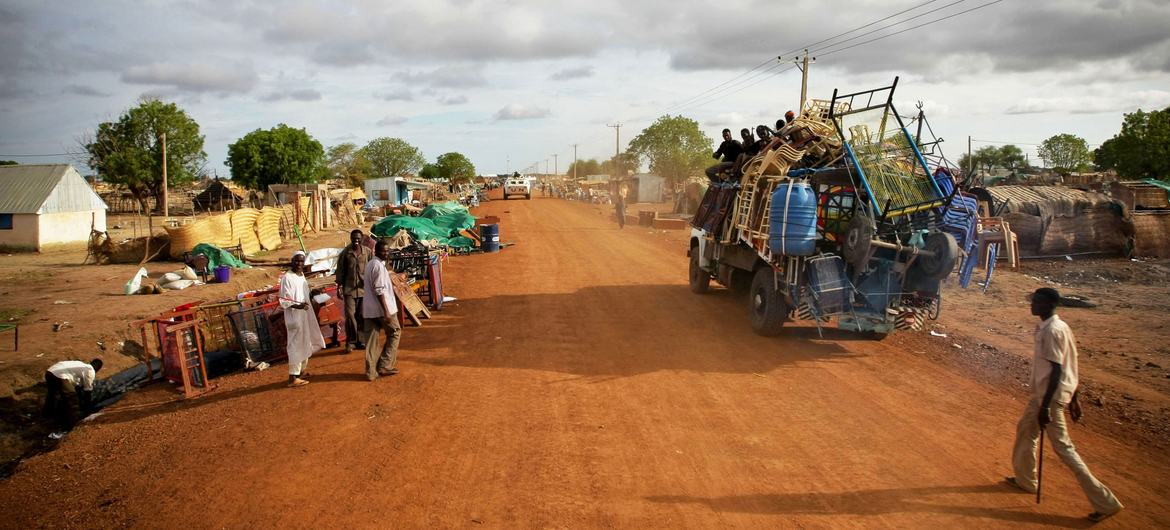
Sudan is experiencing the world's worst humanitarian crisis, with over 40,000 lives already lost, potential war crimes being committed, and parts of the country sliding toward famine. The conflict has created massive displacement and systematic human rights violations.