



Trump-Xi Summit May 14-15 | Tariff Uncertainty Reshapes Cross-Border Sourcing Strategy
- Geopolitical tensions create 30-45 day window for tariff arbitrage before policy clarity; sellers must reposition China sourcing by June 2026





























Overview
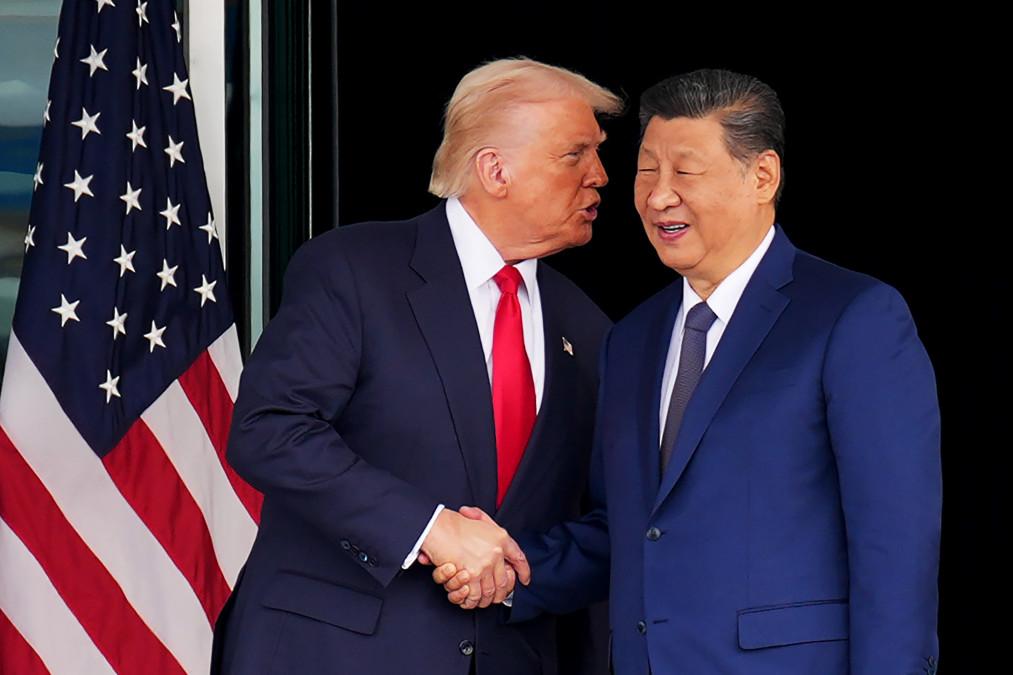
The upcoming Trump-Xi summit scheduled for May 14-15, 2026, represents a critical inflection point for cross-border e-commerce sellers sourcing from China and managing US-bound inventory. News reports indicate Trump is bringing major tech CEOs (Apple, Boeing, Nvidia) to China, signaling high-stakes negotiations on trade policy, AI regulation, and supply chain restructuring. This geopolitical event creates immediate tariff uncertainty that directly impacts seller cost structures across multiple product categories.
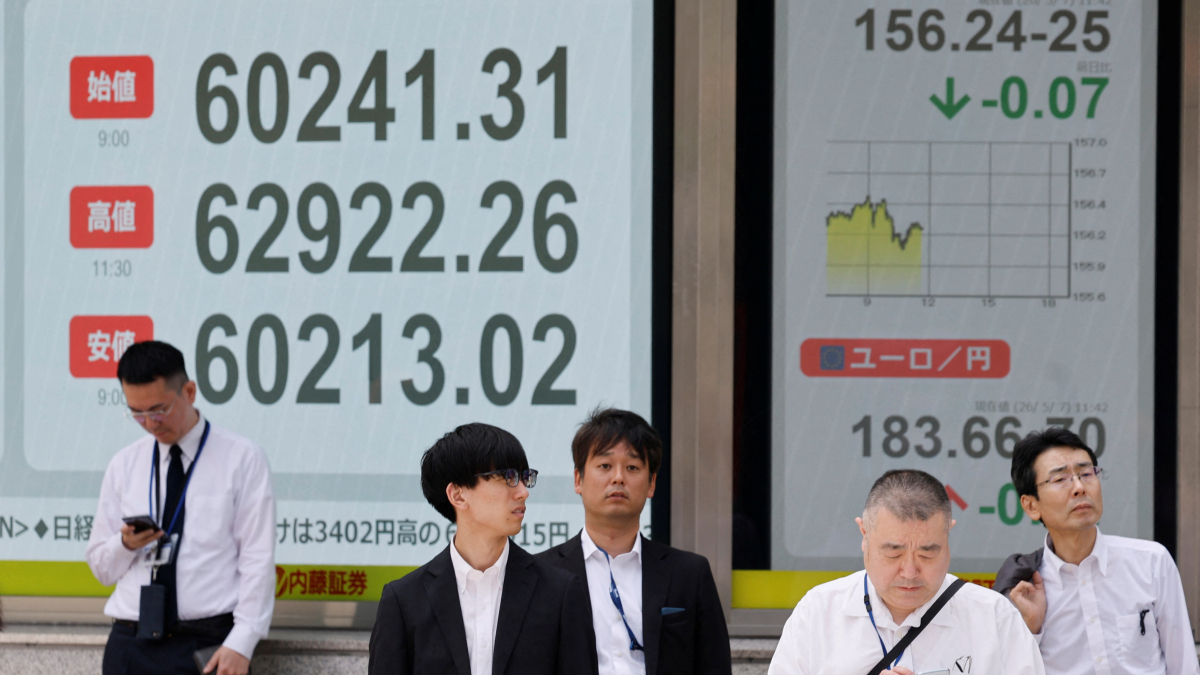
Tariff Arbitrage Window: The 30-45 day period before and after the summit presents a critical opportunity for sellers to execute tariff-sensitive sourcing decisions. Current oil price volatility (Brent crude at $104.60/barrel, up 3.3%) and strengthening US dollar (DXY at 98.081, +0.2%) are already compressing logistics margins. Sellers importing electronics, textiles, and consumer goods from China face potential tariff increases if negotiations fail, or tariff reductions if trade tensions ease. The timing window is narrow—sellers must lock in sourcing commitments and shipping schedules before June 15, 2026, to avoid post-summit tariff shocks.
Market Access Shifts: The summit's focus on AI regulation and semiconductor policy creates category-specific opportunities. Alibaba's earnings performance (mentioned in market reports) reflects China's e-commerce platform strength, but US sellers exporting to China face potential regulatory barriers. Conversely, sellers sourcing AI-related components, semiconductors, and tech accessories from China should accelerate Q2 imports before potential tariff escalation. The dollar strength (DXY +0.2%) makes US exports more expensive to China, reducing competitiveness for American sellers targeting Chinese consumers on platforms like Alibaba and Pinduoduo.
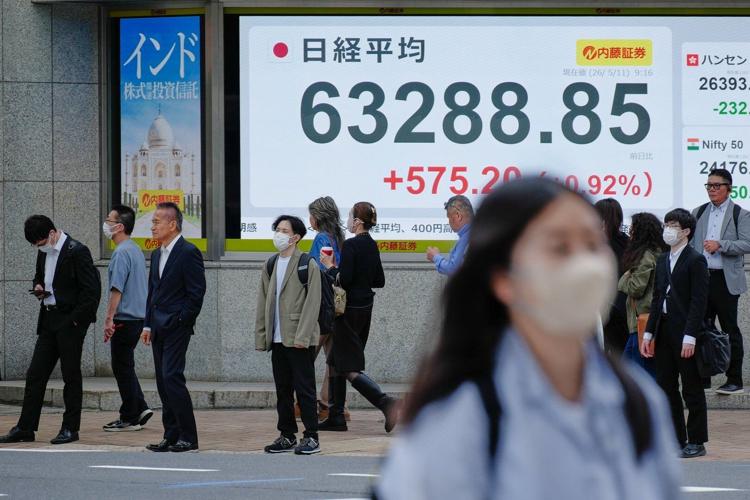
Competitive Positioning: Small and medium-sized sellers (SMBs) importing from China are most vulnerable to tariff shocks, lacking the negotiating power of large enterprises like Apple or Boeing. SMBs should consider diversifying sourcing to Vietnam, India, and Southeast Asia—regions less likely to face tariff increases during US-China negotiations. Large sellers with established supply chains in multiple countries can leverage this uncertainty to negotiate better terms with Chinese suppliers facing potential tariff exposure. The 6-week stock market winning streak (S&P 500 and Nasdaq at record highs) suggests investor confidence in tech sector resilience, but this masks underlying supply chain anxiety among mid-market sellers.
Questions 7
How do rising oil prices impact my shipping costs from China?
Oil prices surging to $104.60/barrel (Brent crude, +3.3%) directly increase ocean freight costs by 8-15% within 2-4 weeks. Air freight premiums rise 12-20%. For sellers shipping 500+ units monthly from China, this translates to $300-800 additional monthly costs depending on product weight and destination. Negotiate fixed-rate freight contracts immediately for Q2-Q3 2026 shipments to lock in current rates before further oil volatility. Consider consolidating shipments to reduce per-unit freight costs. Sellers using Amazon FBA should calculate landed costs including freight surcharges—margin compression of 5-8% is typical during oil price spikes.
Should I shift sourcing away from China before the summit?
Yes, for tariff-sensitive categories. Vietnam, India, and Indonesia offer lower tariff exposure (typically 5-12% vs. 15-25% for China-origin goods). However, shifting sourcing requires 60-90 days for supplier qualification and sample approval. Start diversification immediately for Q3 2026 shipments. For Q2 2026 (next 60 days), accelerate China sourcing if you expect tariff increases post-summit. Large sellers should negotiate volume commitments with Vietnam suppliers now; SMBs can use freight forwarders to consolidate shipments and reduce per-unit costs during transition. Alibaba and Global Sources list Vietnam suppliers in electronics, apparel, and home goods categories.