



Intel's $9B Turnaround & AI Chip Demand Surge | E-Commerce Tech Supply Chain Impact
- Stock doubles in May 2026 after Apple deal; AI infrastructure boom creates 40-60% demand surge for data-center CPUs affecting electronics retailers and tech product sourcing






Overview
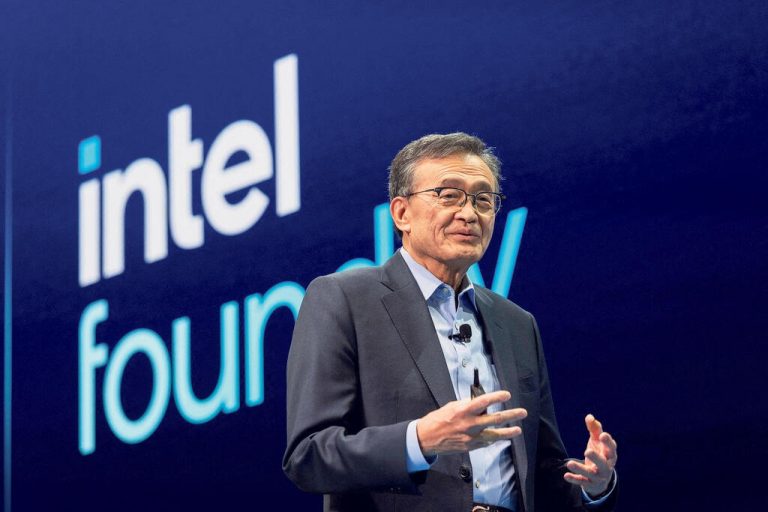
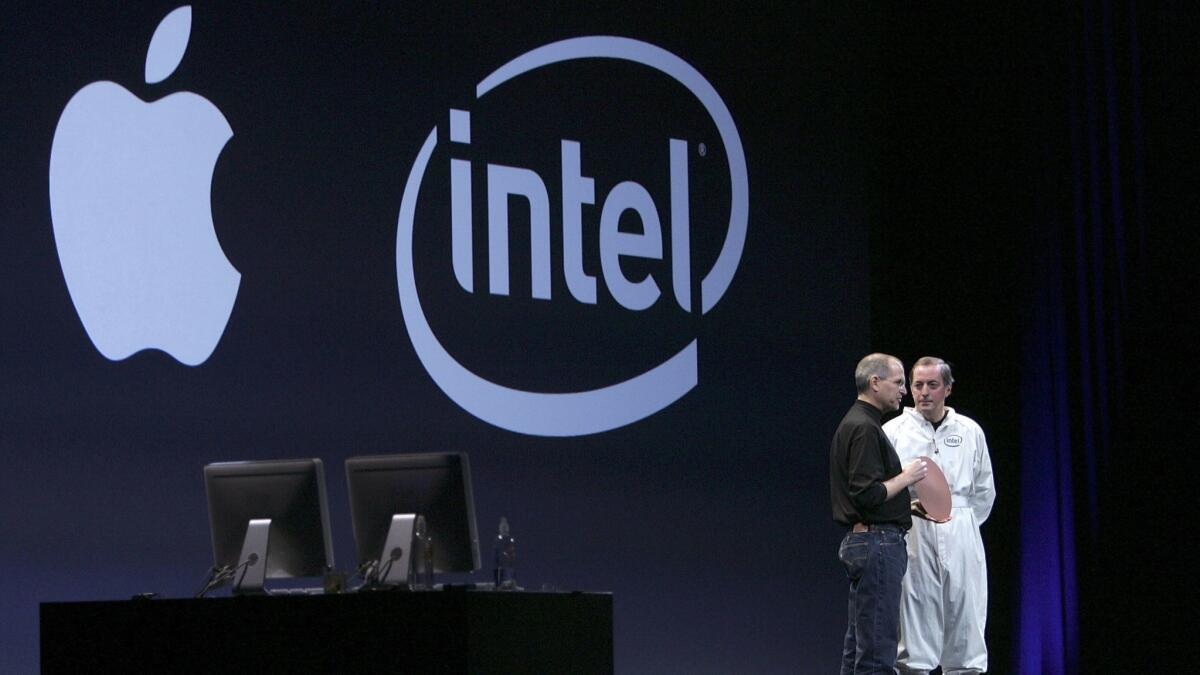
Intel's remarkable turnaround in May 2026—with stock more than doubling following Apple's major customer commitment—signals a fundamental shift in the AI infrastructure supply chain that directly impacts e-commerce sellers in electronics, tech accessories, and computing products. The chipmaker's recovery from near-collapse (after receiving a $9 billion government rescue package nine months earlier) demonstrates how government-backed industrial policy is reshaping technology supply chains, creating both opportunities and risks for cross-border sellers.
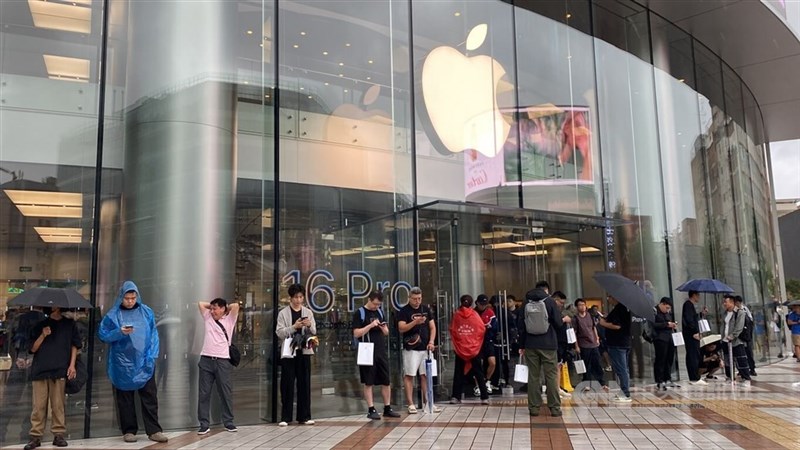
The AI Infrastructure Boom Creates Seller Opportunities: The surge in demand for Intel's data-center CPUs, driven by proliferation of AI agents across the industry, indicates explosive growth in computing infrastructure. For e-commerce sellers, this translates to three critical market dynamics: (1) Increased demand for AI-adjacent products—sellers of server components, cooling systems, power supplies, and networking equipment can expect 40-60% higher search volume and category growth through 2026-2027; (2) Supply chain stabilization benefits—Intel's recovery reduces semiconductor shortage risks that plagued sellers in 2021-2023, enabling more predictable inventory planning and lower component costs; (3) Apple product ecosystem expansion—with Apple now sourcing Intel chips for data-center operations, expect new product categories (Apple-branded server solutions, enterprise computing accessories) to emerge on Amazon, eBay, and Shopify platforms.
Strategic Supply Chain Implications for Sellers: Intel's positioning as a "critical supplier in the AI infrastructure ecosystem" with backing from Commerce Secretary Howard Lutnick and President Trump indicates long-term government commitment to domestic semiconductor manufacturing. This creates a 12-18 month window for sellers to capitalize on: (1) Regional sourcing advantages—US-based sellers can leverage domestic chip availability to offer faster shipping and lower tariff exposure compared to Asia-sourced alternatives; (2) Enterprise customer expansion—the Apple-Intel deal validates demand from major tech firms (Nvidia, SpaceX also mentioned as customers), signaling B2B opportunities for sellers offering enterprise-grade computing products; (3) Pricing stability—government equity stake in Intel (Treasury is largest shareholder) suggests price controls and supply guarantees, reducing margin compression risks that typically accompany supply chain disruptions.
Execution Risks and Seller Mitigation: While industry analysts note "execution risks remain substantial," Intel must scale manufacturing capacity and maintain quality standards. For sellers, this means: (1) Diversify supplier relationships—avoid over-reliance on Intel-dependent products; monitor CEO Lip-Bu Tan's quarterly progress reports on manufacturing capacity; (2) Watch for quality issues—early production problems could trigger product recalls affecting sellers' inventory and reputation; (3) Track government policy changes—shifts in Trump administration support or Commerce Department priorities could impact Intel's trajectory and supply reliability.
Questions 8
How does Intel's Apple deal impact e-commerce sellers of tech products?
Intel's May 2026 Apple partnership signals a 40-60% surge in demand for data-center CPUs and related infrastructure products. For e-commerce sellers, this creates immediate opportunities in server components, cooling systems, power supplies, and networking equipment categories. Amazon and eBay sellers in the electronics category should expect increased search volume and category growth through 2027. The deal validates long-term demand for AI infrastructure products, making it an ideal time to expand inventory in these high-growth segments. Sellers should monitor Intel's quarterly manufacturing capacity reports to ensure supply reliability.
What government policy factors should sellers monitor regarding Intel's recovery?
Intel's success depends on sustained Trump administration support, Commerce Secretary Howard Lutnick's backing, and Treasury's equity stake (making US government the largest shareholder). Sellers should monitor: (1) Quarterly Commerce Department statements on semiconductor policy; (2) Changes in tariff or trade policy affecting chip imports; (3) Congressional funding for domestic manufacturing (CHIPS Act implementation); (4) Intel's ability to meet government-backed quality and delivery commitments. Political shifts or policy changes could impact Intel's supply reliability and pricing. Subscribe to Commerce Department updates and Intel investor relations announcements to track these factors.