



Southeast Asian Border Tensions Escalate: Thailand and Cambodia's Dangerous Diplomatic Breakdown
- Geopolitical Conflict Threatens Regional Stability and Cross-Border Economic Interactions















Overview
The Thailand-Cambodia border conflict represents a critical inflection point in Southeast Asian geopolitical dynamics, revealing deep-seated tensions that threaten regional stability and economic interdependence. Since July 2025, what began as a localized territorial dispute has rapidly escalated into a full-scale military confrontation, with significant humanitarian and economic implications.
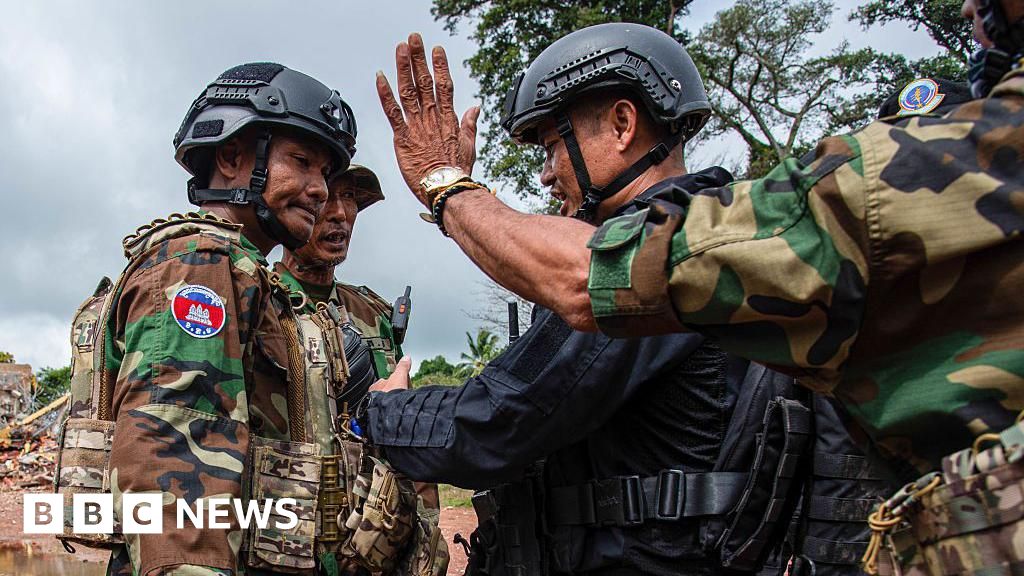
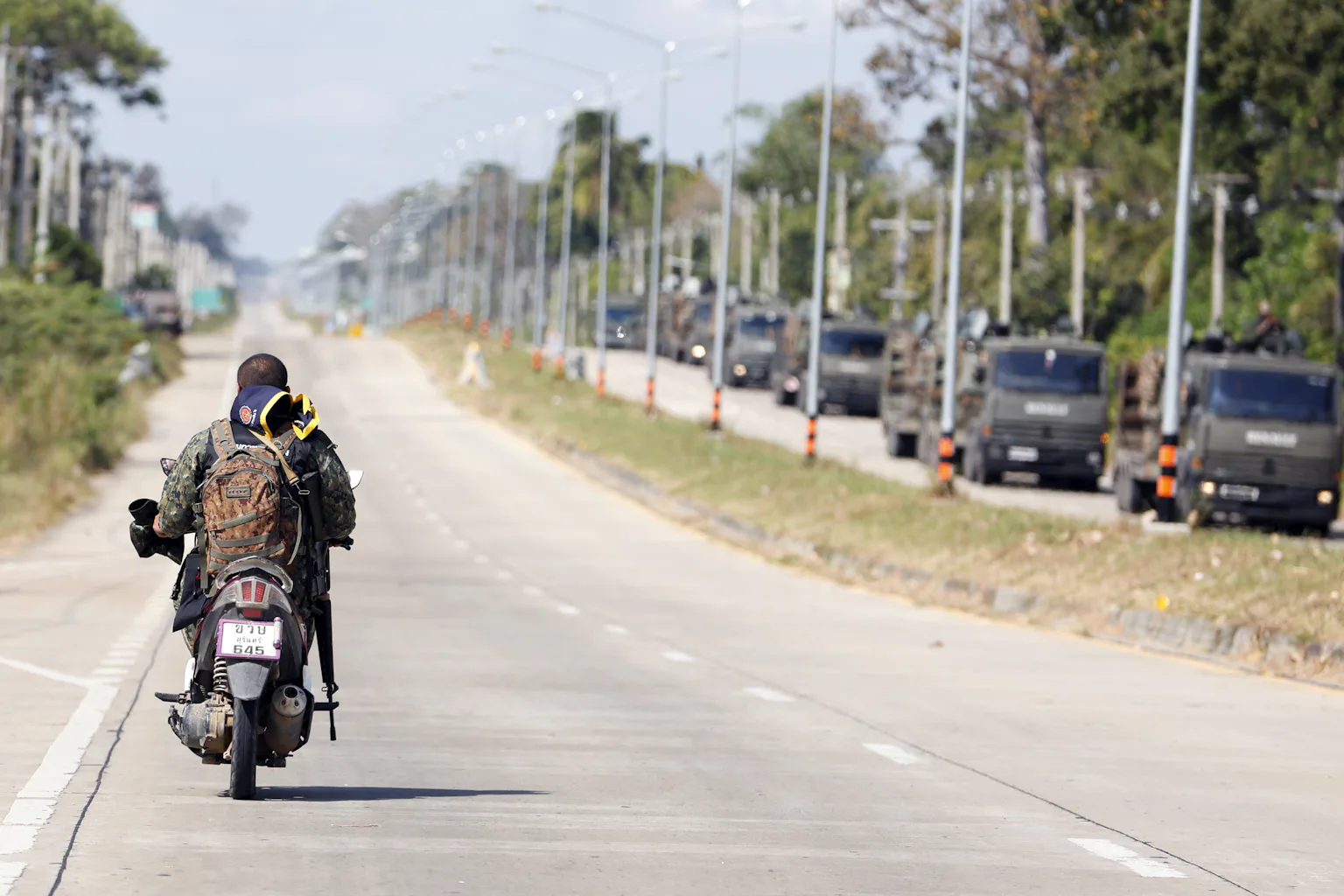
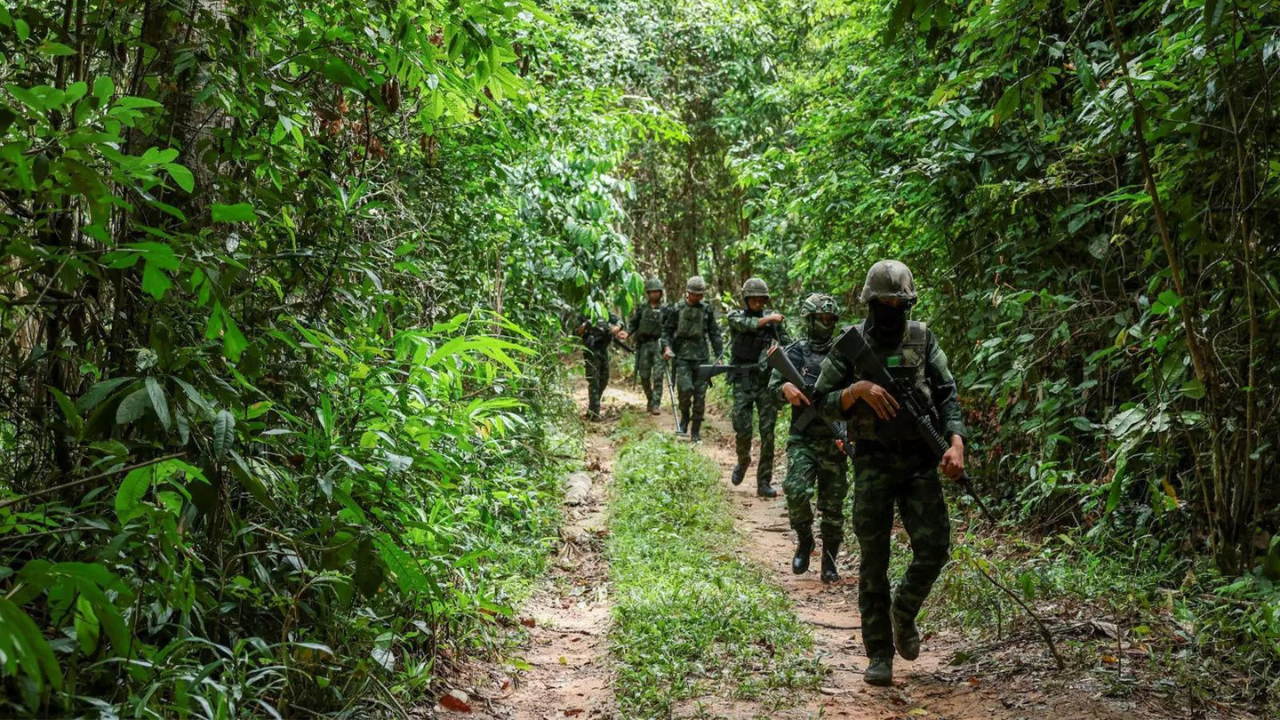
Strategic Territorial Dynamics: The conflict centers on a long-standing colonial-era border demarcation dispute in the Trat province, where Thailand launched a decisive military offensive on December 14, 2025. The Royal Thai Navy's operation, led by Rear Admiral Parach Rattanachaiyapan, successfully claimed sovereign territory and planted the national flag, demonstrating an aggressive stance of territorial reclamation. This move came after a December 7 skirmish that wounded two Thai soldiers, effectively undermining previous ceasefire negotiations.
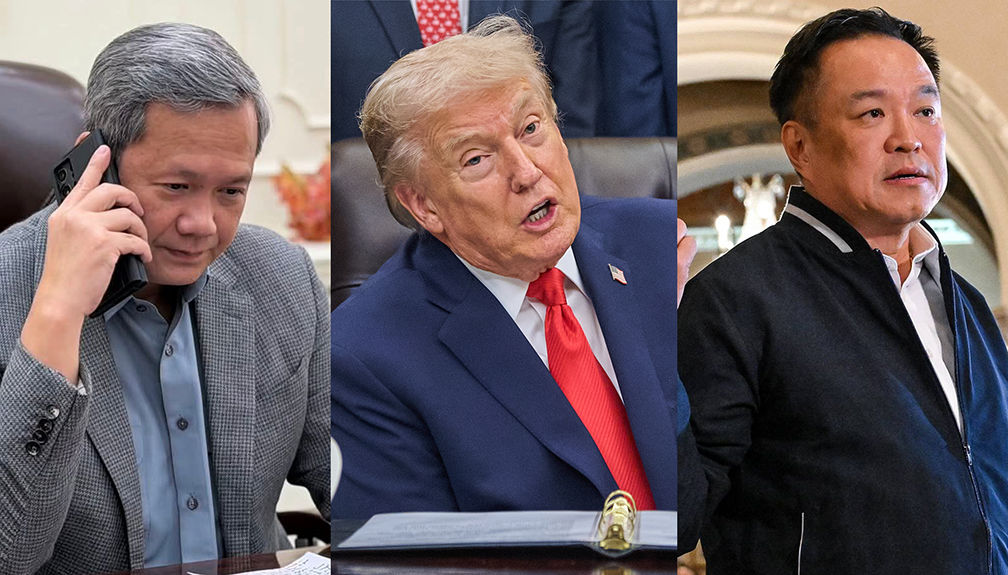
Diplomatic Breakdown: The situation is further complicated by the complete failure of international mediation efforts. U.S. President Donald Trump's attempts to broker a ceasefire were summarily rejected by Thai officials, who claimed his understanding was fundamentally inaccurate. Thai Prime Minister Anutin Charnvirakul's continued pledge of military action and Cambodia's total suspension of border crossings signal a profound diplomatic impasse.
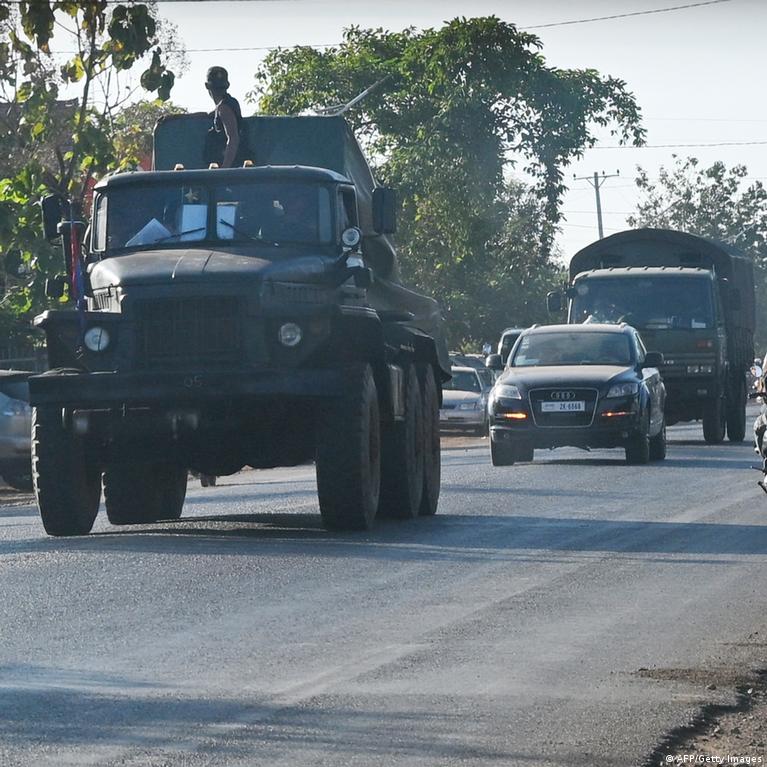
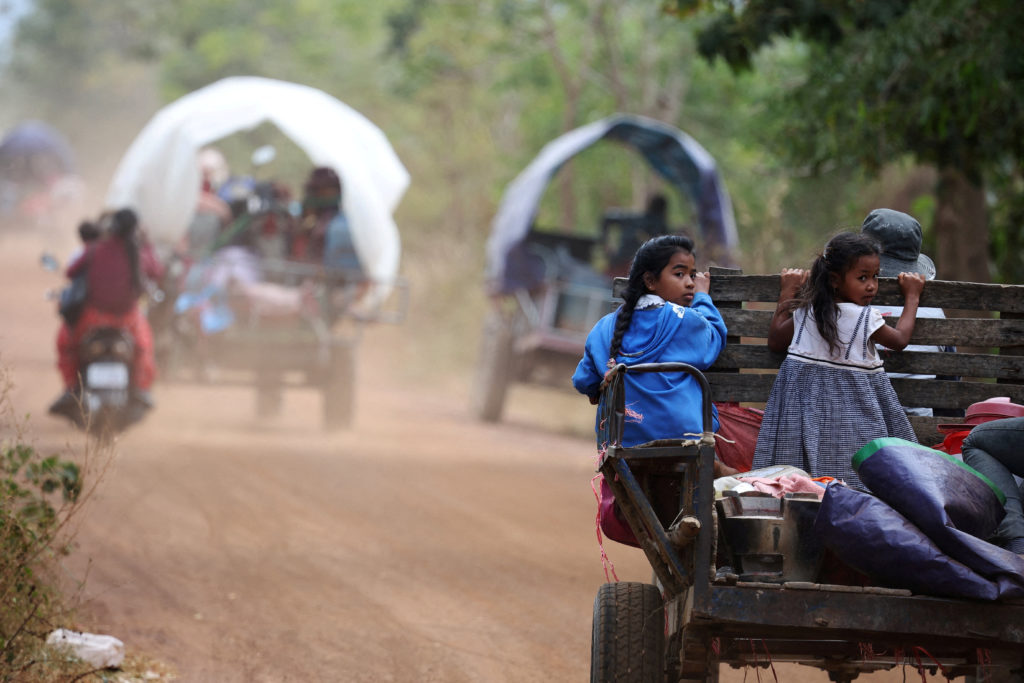
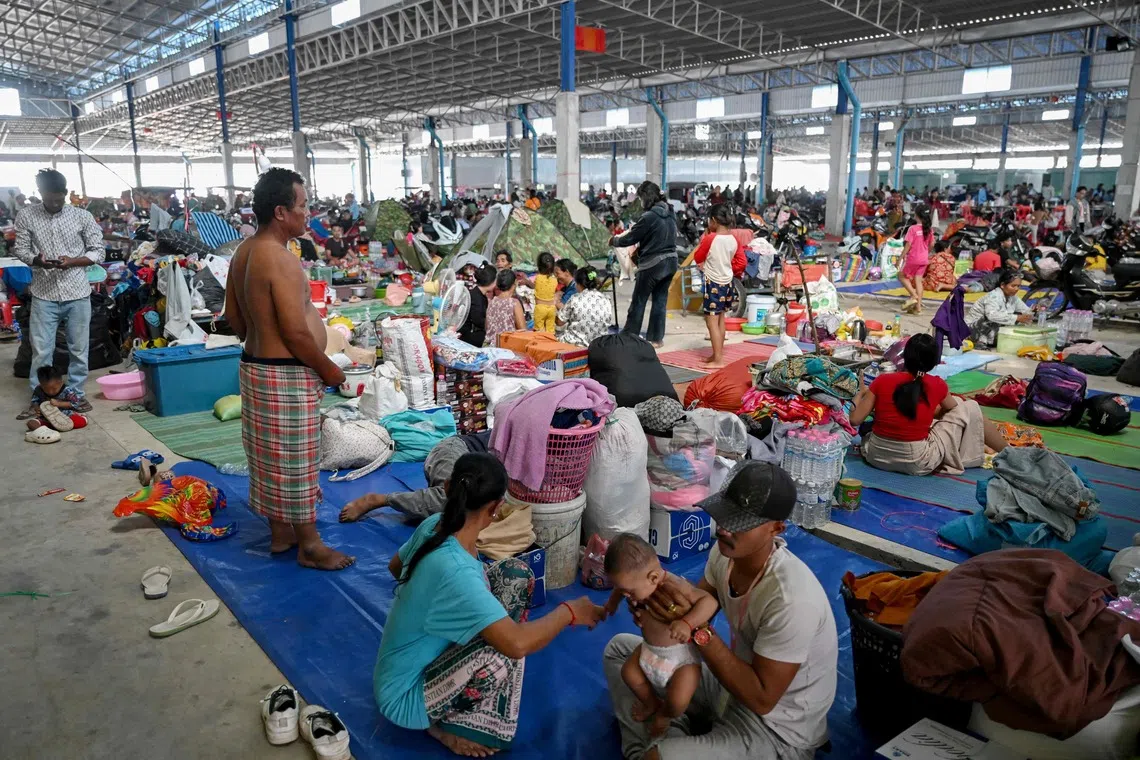
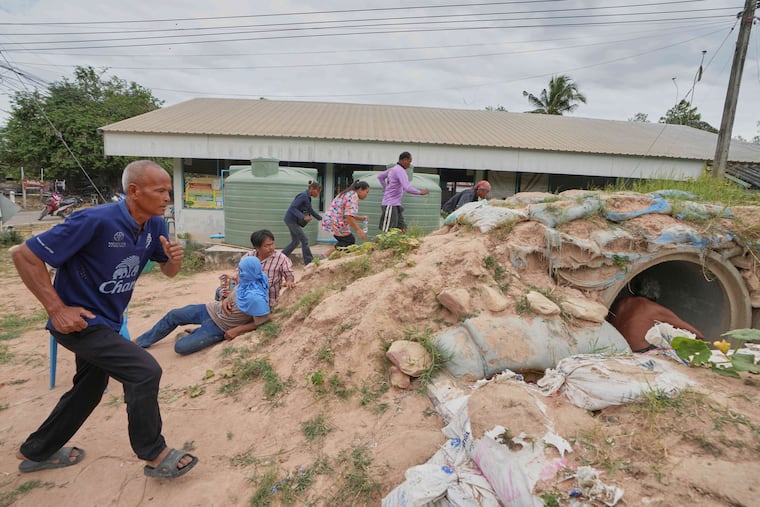
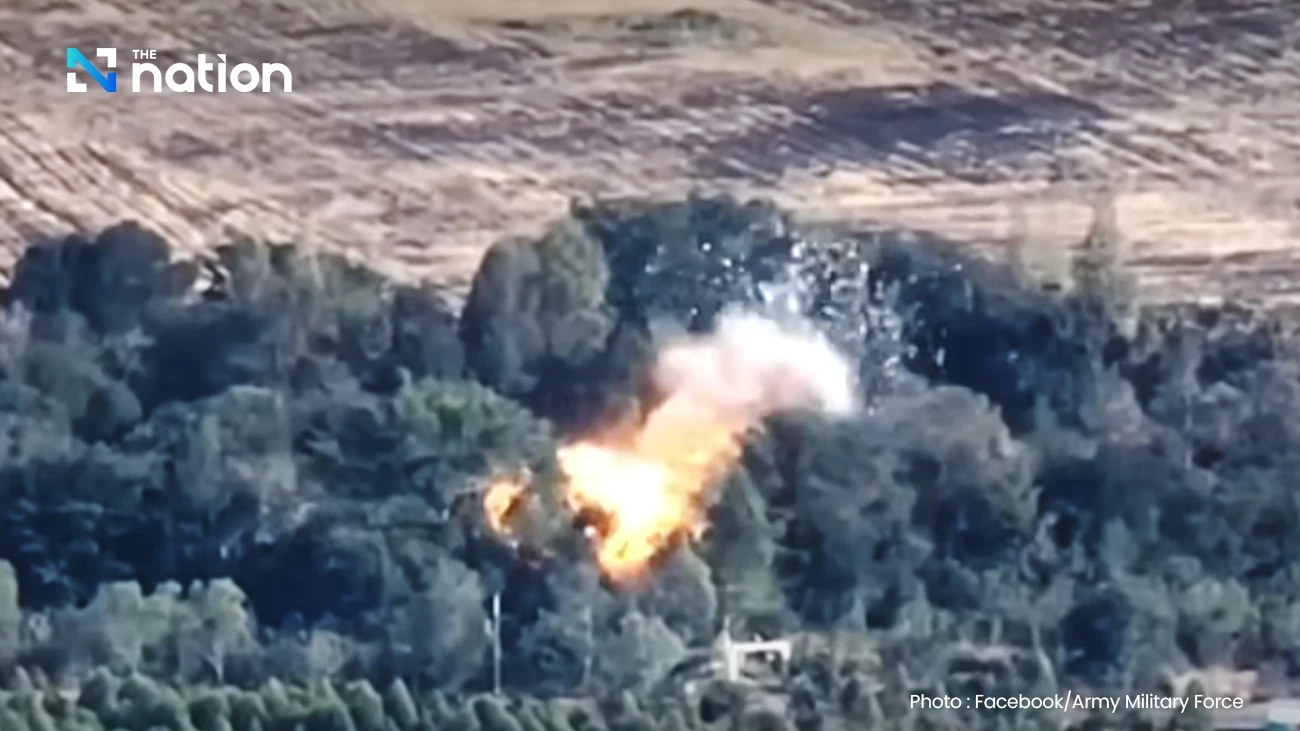
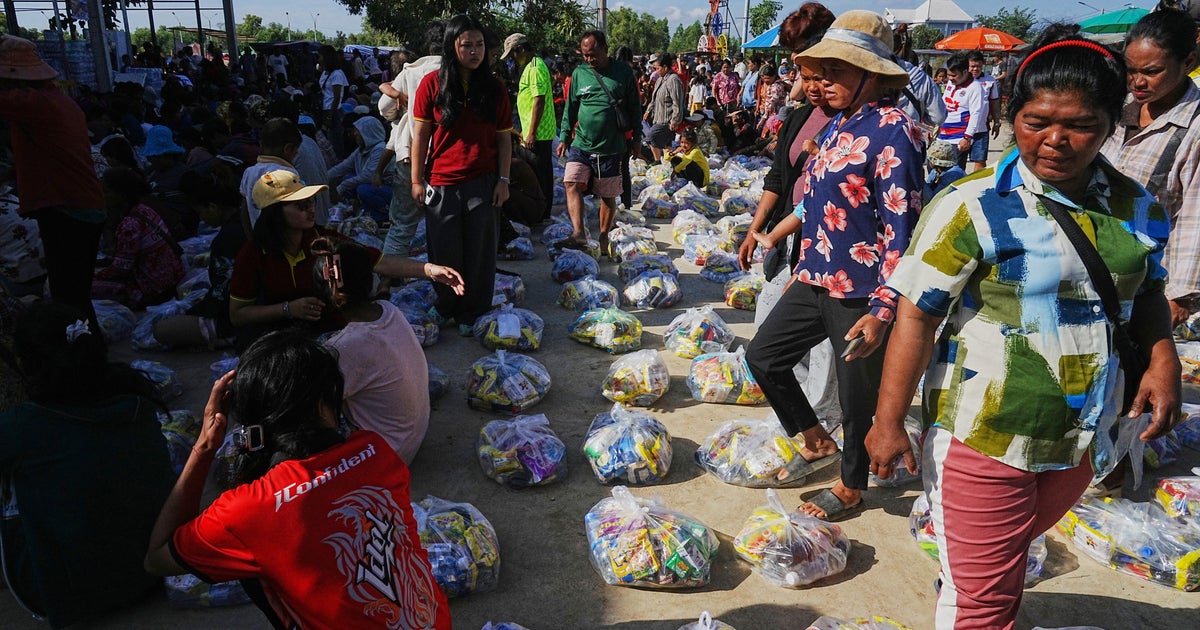
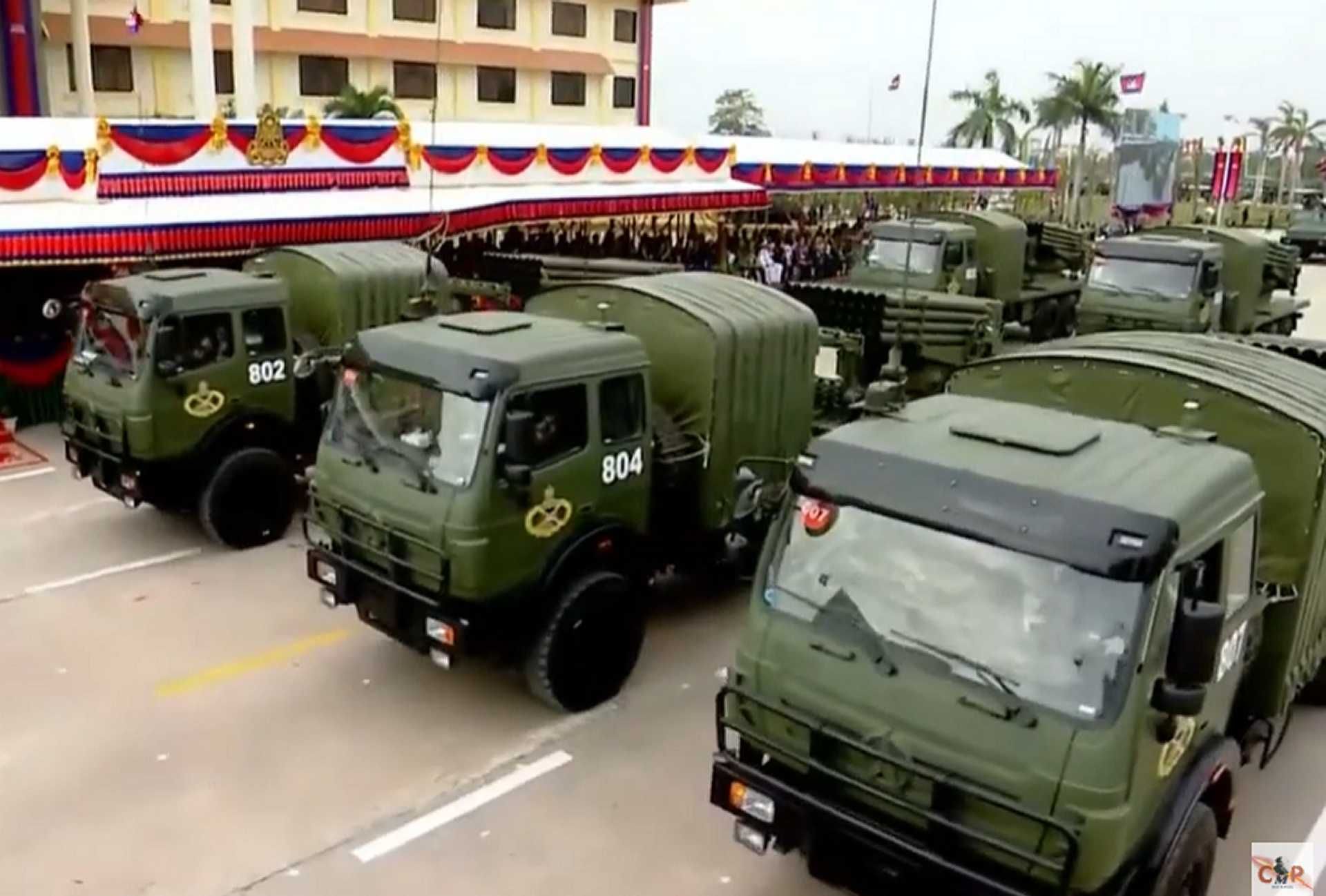
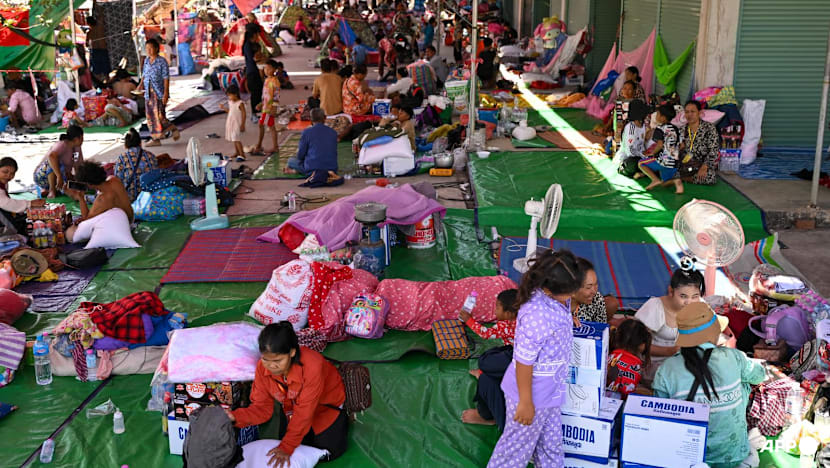
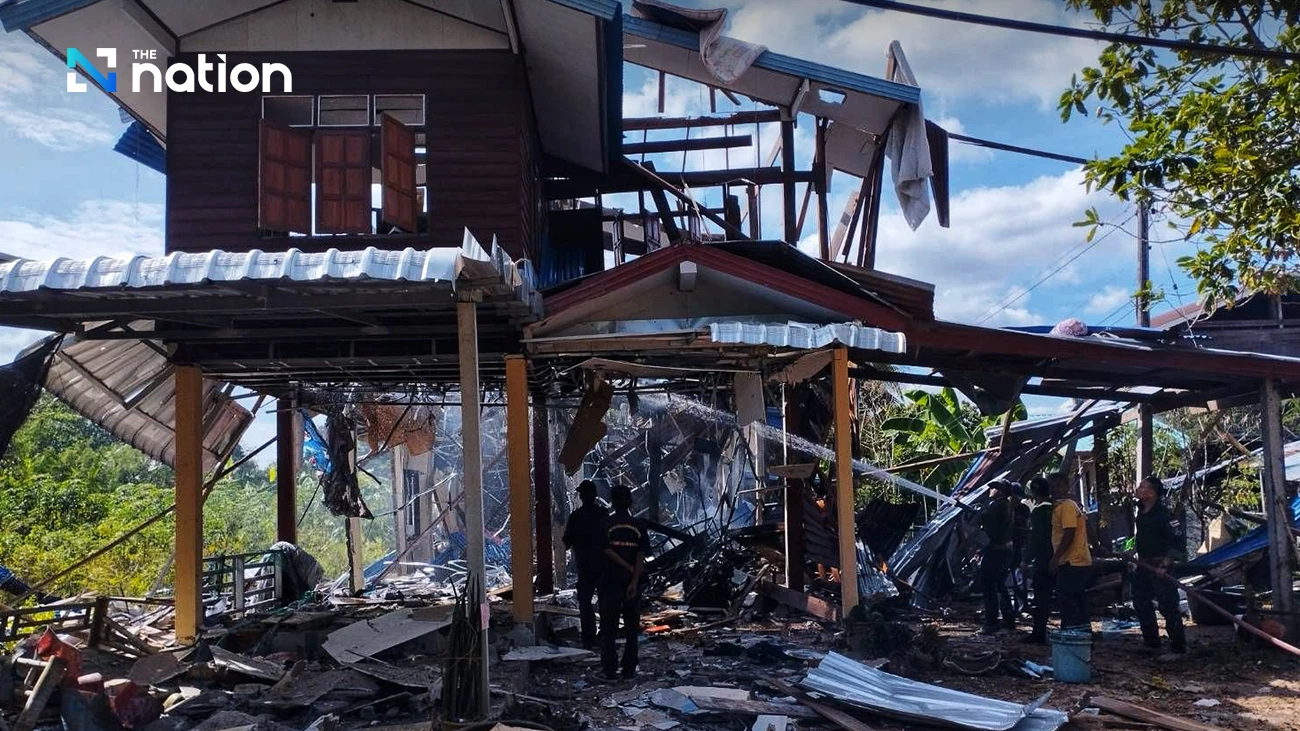
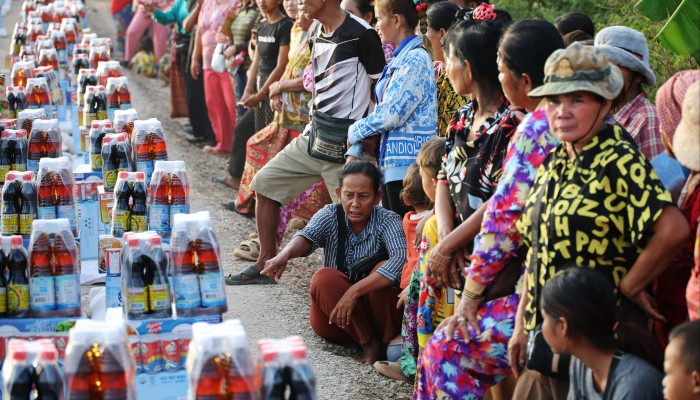
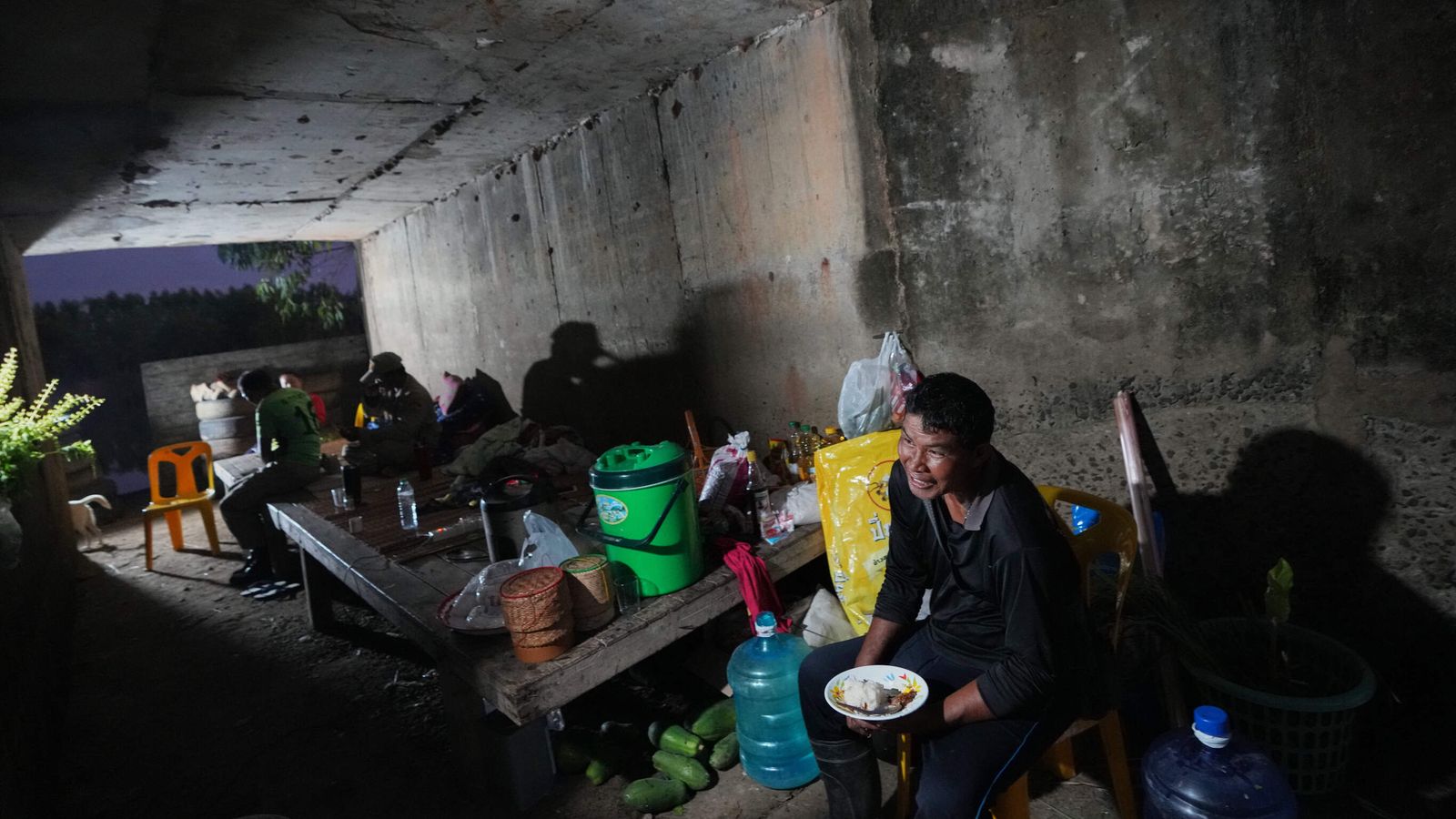
Economic and Human Impact: The conflict has already displaced over half a million people and resulted in at least 25 soldier and civilian casualties. Thai F-16 jet fighters and artillery have targeted multiple border locations, with Cambodian villages suffering extensive damage from Grad rocket attacks. The disruption extends beyond military confrontations, with significant implications for cross-border trade, migrant worker movements, and regional economic stability.
The persistent fighting reveals deeper geopolitical tensions that cannot be resolved through high-level political declarations. As both nations maintain aggressive military postures, the potential for further escalation remains high, presenting a complex challenge for regional peace and economic cooperation.
Questions 3
What diplomatic efforts have been made to resolve the conflict?
U.S. President Donald Trump attempted to broker a ceasefire, but his efforts were rejected by Thai officials who claimed his understanding was inaccurate. The Thai Foreign Minister has stated there is currently no space for diplomacy, insisting that any peace deal must originate from Cambodia, effectively stalling international mediation attempts.
How is this conflict impacting regional economic interactions?
The conflict has led to the complete closure of border crossings, disrupted migrant worker movements, and created significant uncertainty for cross-border trade. With over half a million people displaced and continuous military operations, the economic impact is substantial, potentially causing long-term disruptions to regional business environments.