
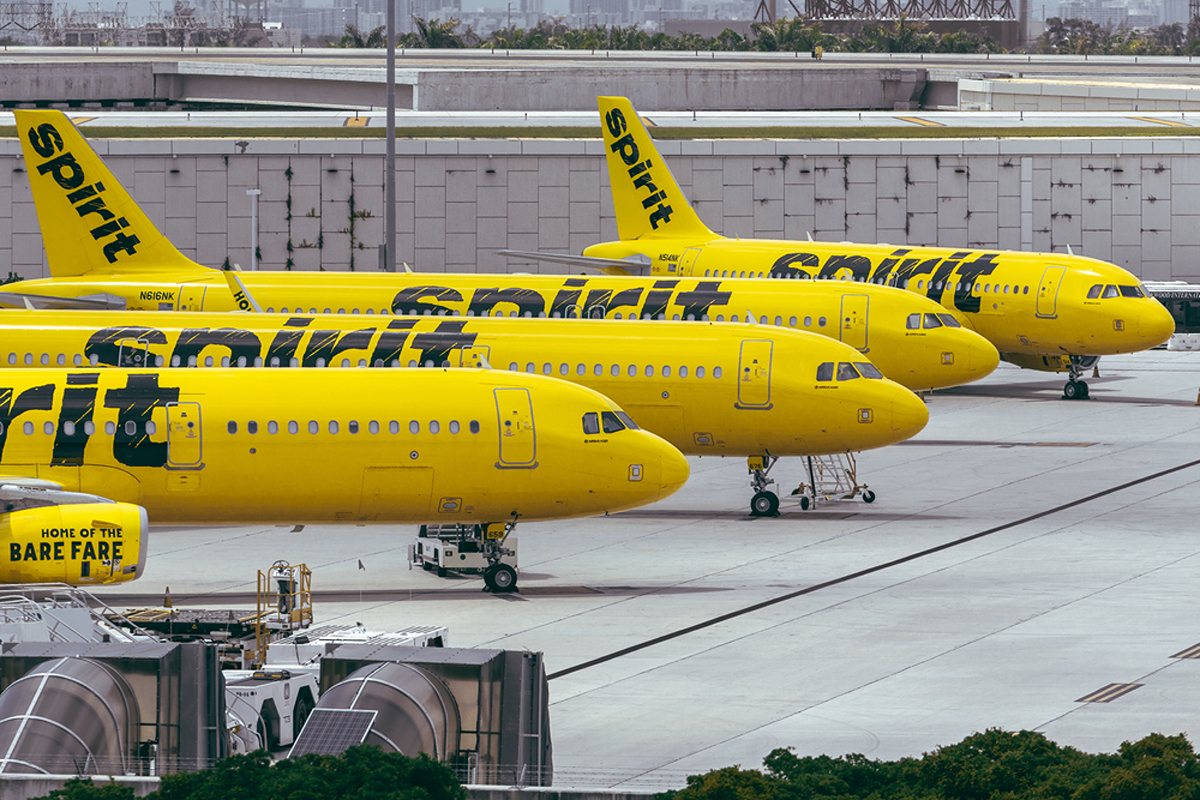


Spirit Airlines $300M Crowdfunding Signals Air Freight Cost Volatility for Cross-Border Sellers
- Ultra-low-cost carrier capital raise raises concerns about air cargo pricing stability and service reliability for e-commerce logistics networks
Overview
Spirit Airlines' successful $300M crowdfunding campaign represents a critical inflection point for cross-border e-commerce sellers relying on air freight logistics. As a major ultra-low-cost carrier (ULCC) in North America, Spirit's financial restructuring through alternative funding mechanisms signals potential operational stress that directly impacts air cargo capacity, pricing, and service reliability for sellers shipping time-sensitive merchandise internationally.
Financial Stress Indicators and Logistics Impact: The crowdfunding approach—rather than traditional debt or equity financing—suggests Spirit Airlines faces liquidity constraints that could affect fleet utilization and cargo operations. For cross-border sellers using air freight for expedited shipments (electronics, fashion, perishables), this creates three immediate concerns: (1) potential capacity reductions on high-margin cargo routes, (2) pricing volatility as the airline optimizes revenue per available ton-mile, and (3) service reliability risks if operational stress forces route consolidations or schedule disruptions.
Working Capital and Cash Flow Implications: Sellers currently leveraging air freight for inventory velocity face potential cost increases of 8-15% if Spirit reduces cargo capacity and competitors absorb displaced volume. The $300M capital raise, while demonstrating investor confidence, indicates the airline is addressing existing operational deficits rather than expanding capacity. This creates a 6-12 month window where sellers should lock in air freight contracts before potential rate increases. Sellers shipping 50+ shipments monthly via air cargo should immediately evaluate alternative carriers (FedEx, UPS, DHL) and negotiate volume commitments to hedge against Spirit's capacity constraints.
Strategic Financing Opportunities: The crowdfunding success reveals a broader trend in alternative financing for logistics providers. Sellers can exploit this by: (1) negotiating extended payment terms with air freight providers facing capital constraints, (2) exploring supply chain financing products that lock in current rates, and (3) considering invoice factoring to accelerate cash conversion cycles if air freight costs spike. Trade finance providers are increasingly targeting logistics-dependent sellers with PO financing and inventory loans at 6-9% APR, offering immediate working capital relief compared to traditional bank loans at 10-12% APR.
Currency and Hedging Considerations: Spirit's capital raise in USD creates FX opportunities for sellers with multi-currency exposure. If the airline's financial recovery strengthens the USD relative to EUR/GBP/CNY, sellers should accelerate invoicing in USD for European and Asian customers while hedging long-term exposure through forward contracts. The 2-3% FX margin available through strategic timing can offset anticipated air freight cost increases.
Questions 8
How does Spirit Airlines' $300M crowdfunding affect air freight rates for cross-border sellers?
Spirit Airlines' crowdfunding capital raise signals the carrier is addressing operational deficits rather than expanding cargo capacity. For cross-border sellers, this typically results in 8-15% air freight cost increases within 6-12 months as the airline optimizes revenue per available ton-mile and competitors absorb displaced volume. Sellers shipping 50+ air cargo shipments monthly should immediately lock in volume contracts with current carriers before anticipated rate increases. The crowdfunding approach indicates potential service reliability risks, making contract diversification across FedEx, UPS, and DHL critical for supply chain resilience.
How can sellers use supply chain finance to offset air freight cost increases?
Supply chain finance products—including invoice factoring, PO financing, and inventory loans—offer 6-9% APR rates compared to traditional bank loans at 10-12% APR. Sellers can leverage these products to: (1) Accelerate cash conversion cycles by 15-20 days through invoice factoring, freeing working capital to absorb air freight cost increases; (2) Secure PO financing at 2-3% below bank rates for inventory purchases, improving cash flow flexibility; (3) Access inventory loans tied to air cargo shipments, enabling faster inventory turnover to offset higher per-unit logistics costs. Providers like Fundbox, Clearco, and traditional factors are actively targeting logistics-dependent sellers with competitive terms.