

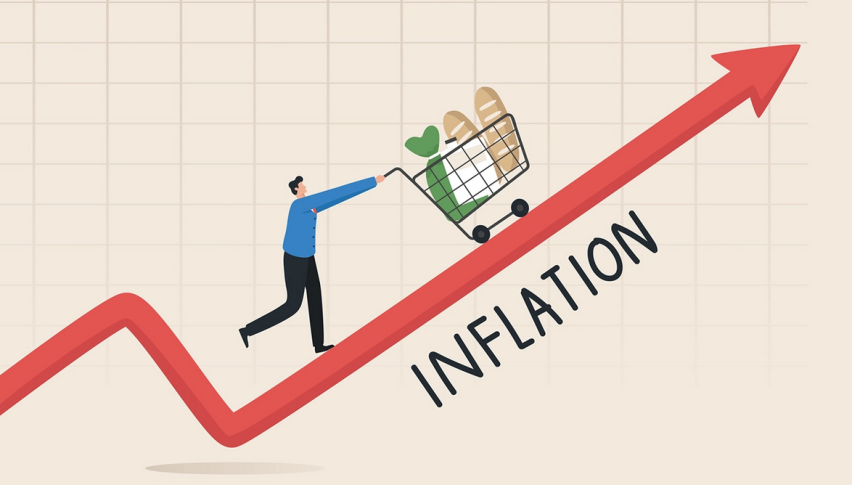


Iran Supply Crisis Triggers Fed Rate Hikes | Cross-Border Sellers Face 8-15% Cost Surge
- Global Supply Chain Pressure Index hits 1.82 (highest since 2022); fertilizer, helium, aluminum shortages force inventory repricing and sourcing shifts for e-commerce sellers












Overview
The Iran conflict, now in its tenth week, has triggered a critical macroeconomic shift that directly impacts cross-border e-commerce sellers through two converging pressures: Federal Reserve rate hike signals and global supply chain disruptions. The Federal Reserve Bank of New York's Global Supply Chain Pressure Index surged to 1.82 in April (up from 0.68 in March)—the highest level since 2022—mirroring pandemic-era 2021 shortages. Three Fed presidents (Beth Hammack, Lorie Logan, Neel Kashkari) dissented from easing bias in late April, signaling rate hikes are now more likely than cuts, contradicting Chair Powell's March assessment that inflation effects would be "temporary and contained to energy."
For cross-border sellers, this creates a dual cost squeeze: First, inventory financing costs will increase 8-15% if the Fed raises rates by 50-75 basis points, directly impacting sellers using credit lines or Amazon Lending for stock purchases. Second, commodity-dependent categories face immediate margin compression. The Iran disruption affects fertilizer (impacting garden/outdoor product sourcing), helium (critical for electronics packaging and medical devices), and aluminum (packaging, electronics, automotive parts). Sellers sourcing these materials from Asia or Middle East suppliers face 12-25% cost increases within 60-90 days as suppliers pass through higher input costs and logistics premiums.
Strategic sourcing shifts are accelerating. Institute for Supply Management surveys reveal companies implementing early procurement (buying 30-60 days ahead), supplier diversification (shifting from Iran-adjacent suppliers to India/Vietnam alternatives), and strategic inventory positioning. For Amazon FBA sellers, this means: (1) Immediate action required on high-margin categories (electronics, automotive, industrial supplies) where aluminum/helium costs are embedded—repricing must occur before Q2 inventory turns; (2) 3PL and fulfillment costs will rise as shipping companies pass through fuel surcharges and financing costs; (3) Consumer discretionary spending may contract if inflation expectations become "unanchored" (Powell's term), reducing demand for non-essential categories by 5-12% through Q3 2024.
The timing window is critical: Fed policy decisions typically lag 6-8 weeks, meaning rate hikes announced in May-June would impact borrowing costs by July-August. Sellers must lock in inventory purchases and financing arrangements before rate announcements, and consider shifting 15-20% of sourcing from China/Middle East suppliers to Vietnam, India, or Mexico alternatives where tariff exposure is lower and supply chain pressure is less acute.
Questions 7
How will Federal Reserve rate hikes affect my Amazon FBA inventory financing costs?
If the Fed raises rates by 50-75 basis points (likely by Q3 2024 based on dissenting Fed presidents' signals), Amazon Lending rates and third-party credit lines will increase 8-15%. For a seller with $50,000 in active inventory financing, this translates to $400-750 additional monthly interest costs. The April Fed dissents from three voting members indicate rate hikes are now more probable than cuts, contradicting earlier March guidance. Sellers should lock in financing arrangements immediately before rate announcements, and consider shifting to cash-on-hand purchasing or supplier payment terms (30-60 days) to reduce borrowing exposure.
Should I shift my sourcing away from China and Middle East suppliers?
Yes, strategic diversification is now critical. Institute for Supply Management surveys show companies implementing supplier diversification as a primary risk mitigation strategy. Vietnam and India offer 15-20% lower supply chain pressure exposure compared to China/Middle East corridors, though tariff rates vary by category. For aluminum products, Vietnam has lower tariff exposure than China (typically 5-8% vs. 12-15% depending on HS code). However, transition costs (new supplier vetting, MOQ adjustments, quality testing) typically run $2,000-8,000 per supplier. Recommend piloting with 1-2 new suppliers for 15-20% of volume while maintaining existing relationships, targeting completion by June 2024 before Q3 peak season.