

EU Trade Policy Uncertainty Amid Ukraine Negotiations | Seller Risk Assessment for European Markets
- Geopolitical tensions create 15-25% regulatory compliance uncertainty for EU-based sellers; sanctions framework shifts could impact Russian market access and payment processing across European e-commerce platforms through 2026






















Overview
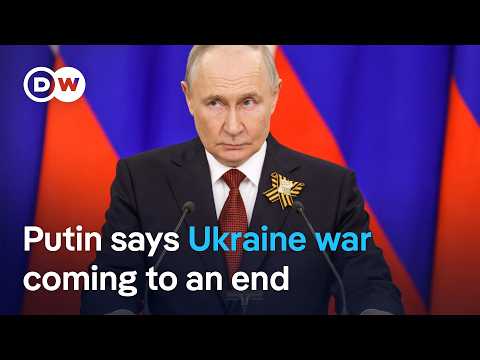
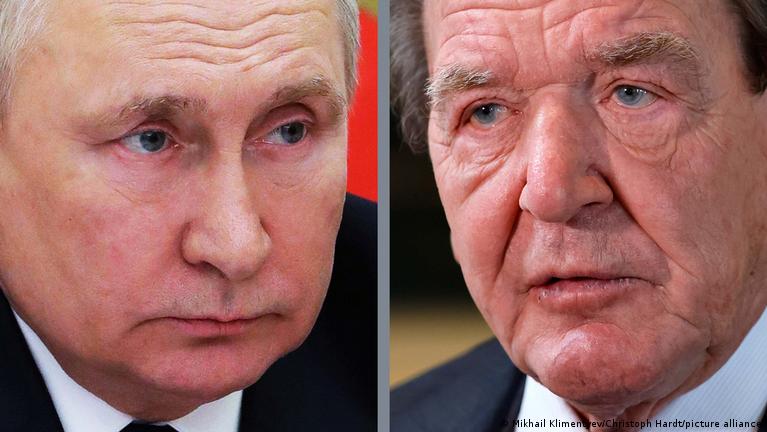
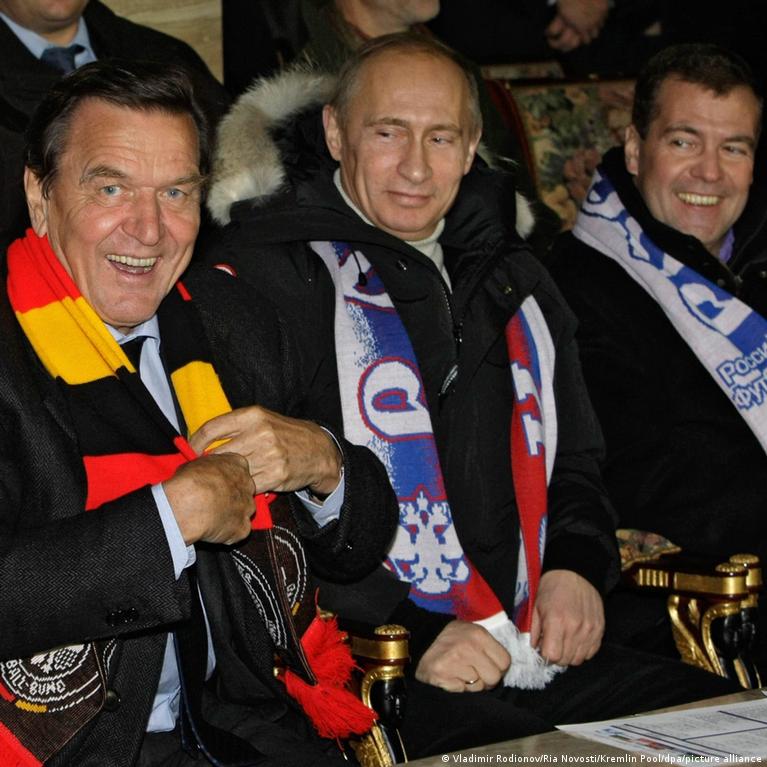
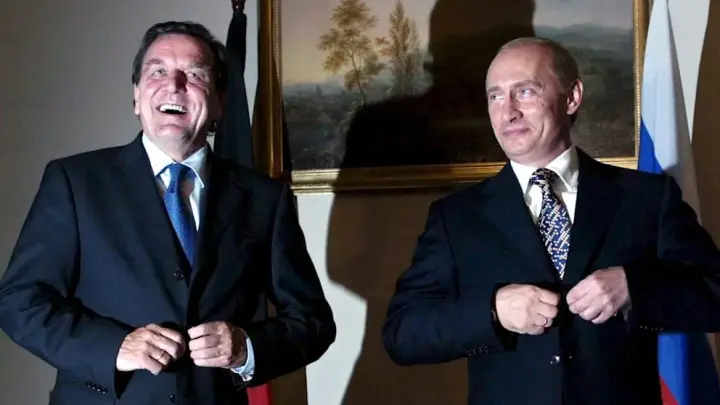
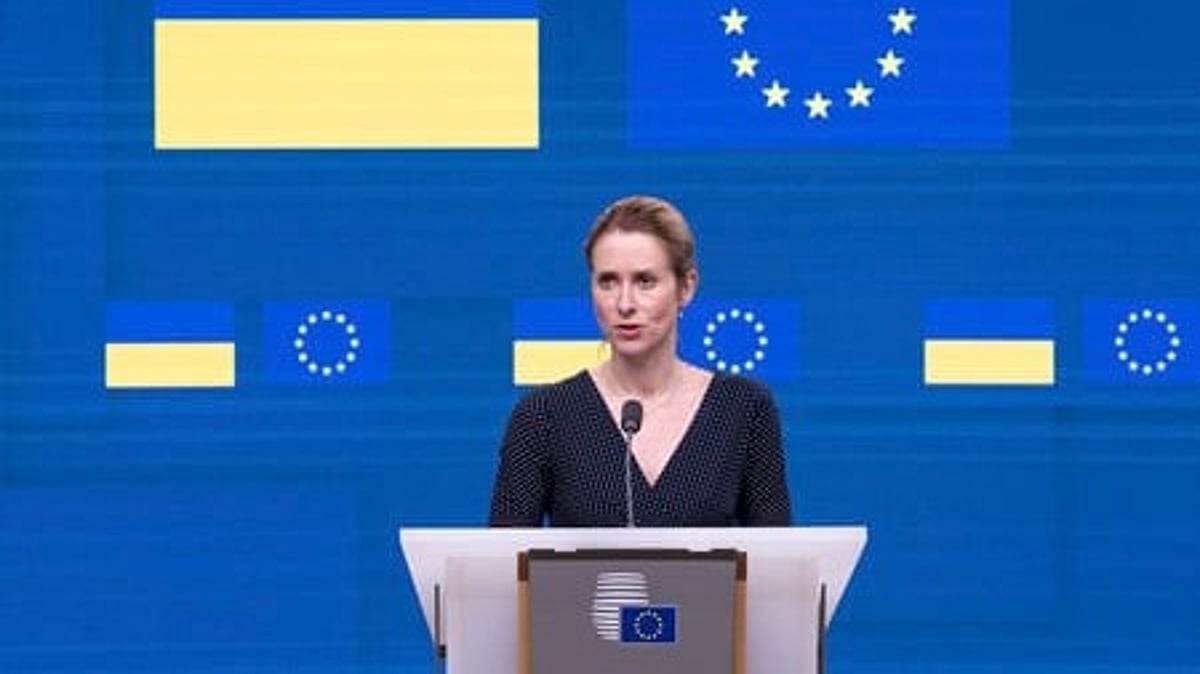
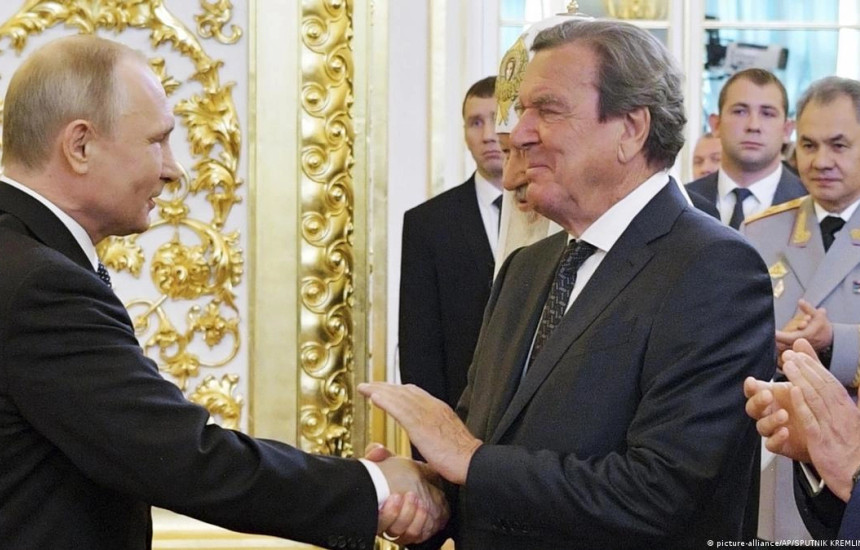
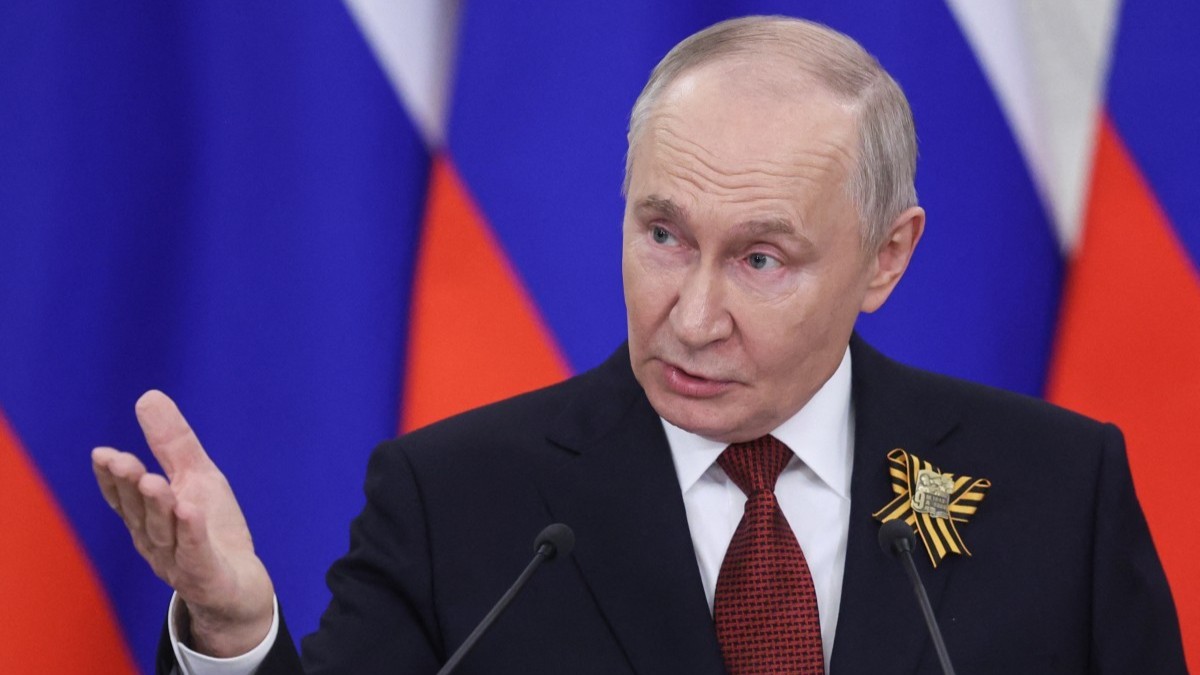
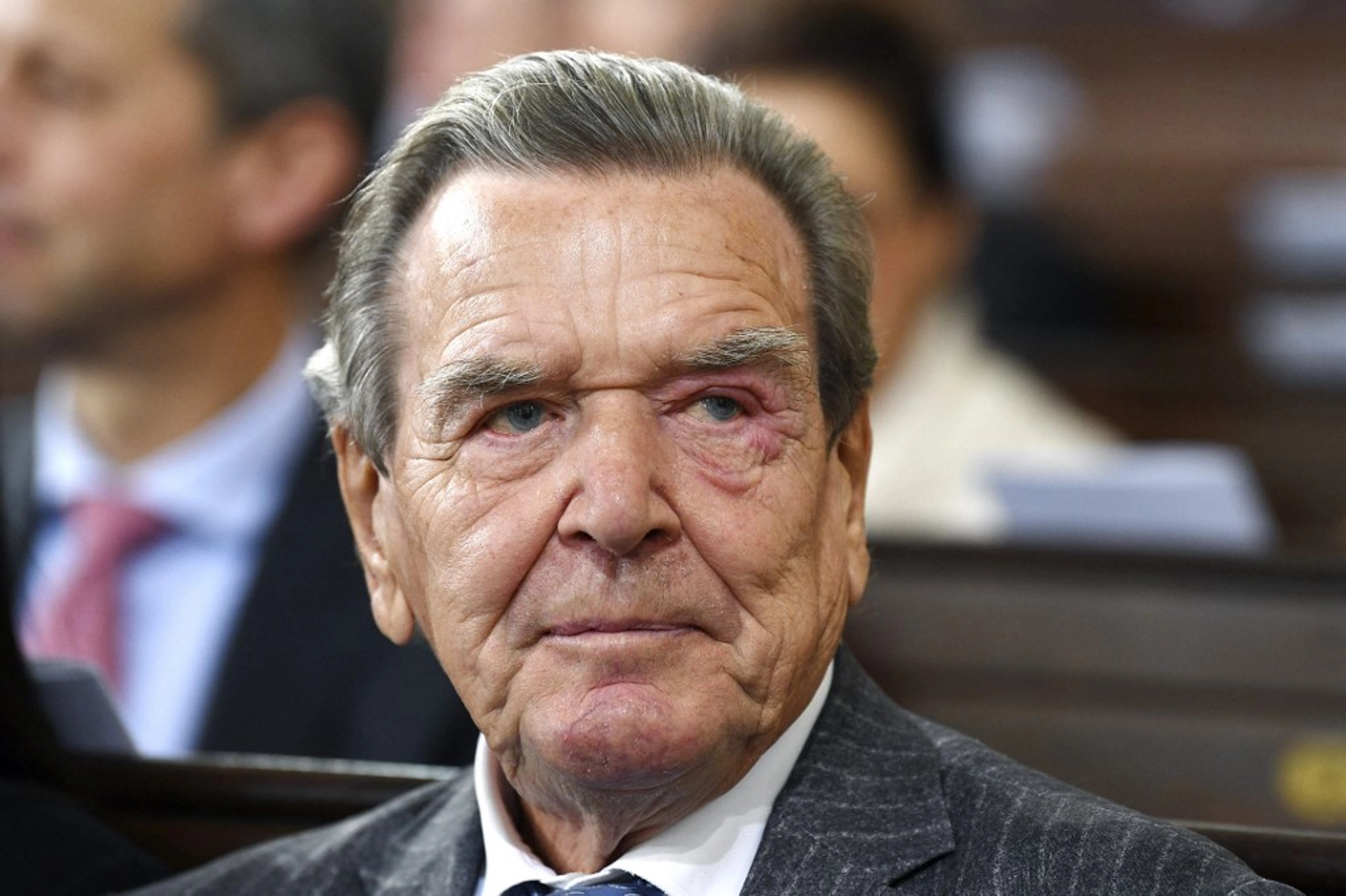
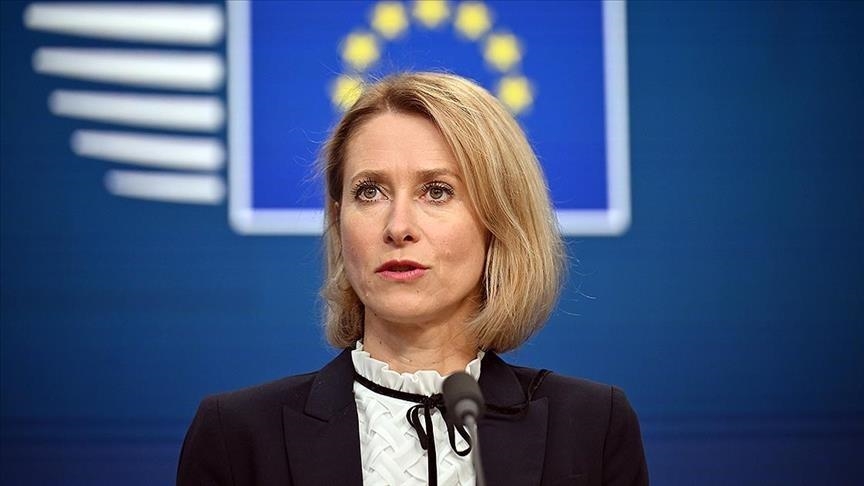
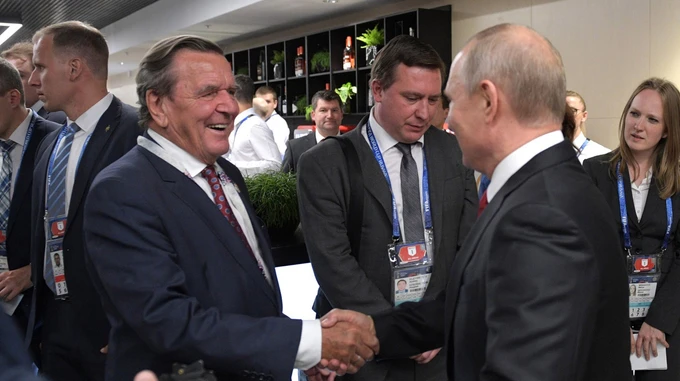
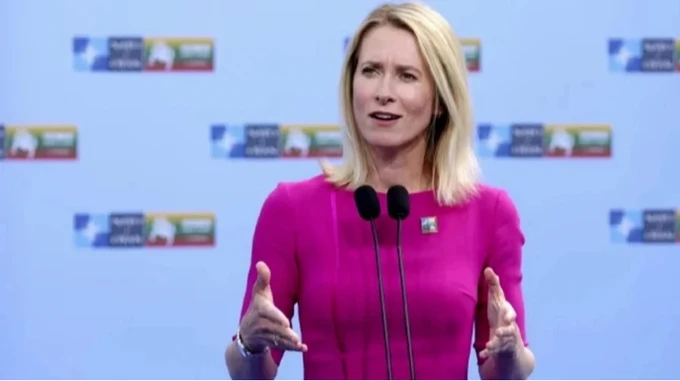
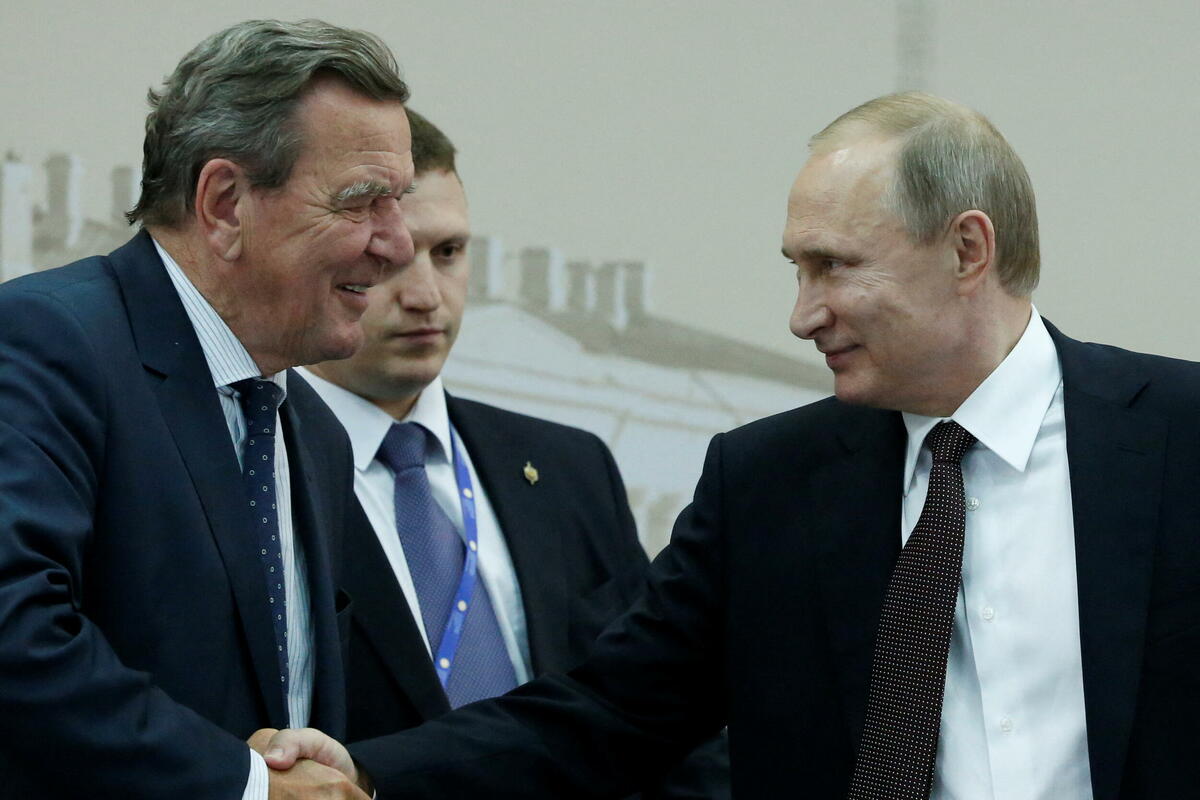
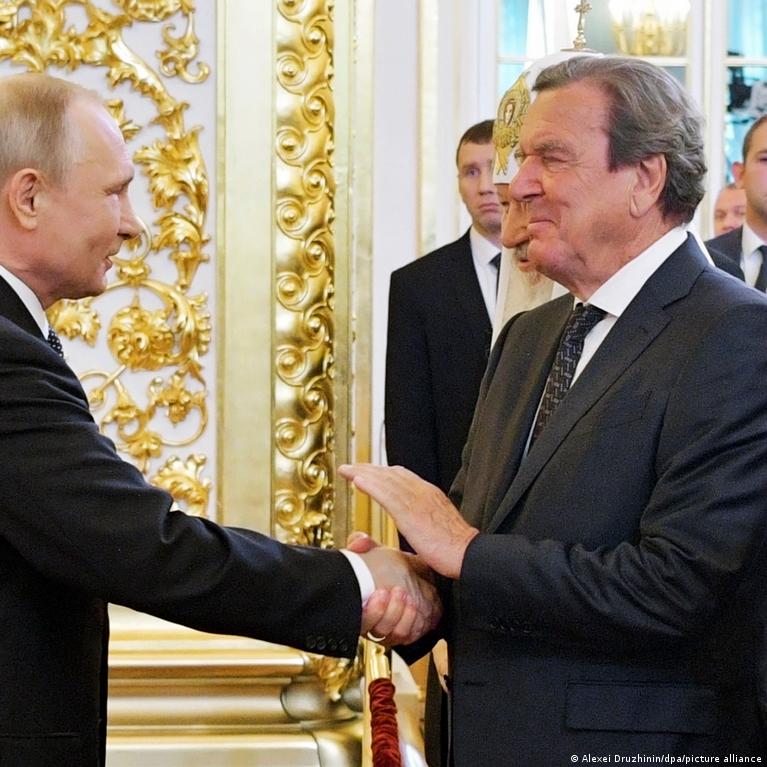
The ongoing diplomatic standoff over Ukraine peace negotiations between the EU, Russia, and the US creates significant regulatory uncertainty for cross-border e-commerce sellers operating in European markets. Germany's rejection of Putin's proposal to appoint former Chancellor Schröder as a mediator (reported May 2025-2026) signals that the EU is hardening its negotiating position rather than moving toward reconciliation. EU Chief Diplomat Kaja Kallas explicitly rejected Schröder on May 11, 2026, citing conflict of interest concerns and demanding Russian troop withdrawal from Moldova as a precondition for talks. This diplomatic stalemate has direct implications for sellers: sanctions frameworks remain in flux, payment processing systems face potential disruption, and logistics routes through Eastern Europe remain unstable.
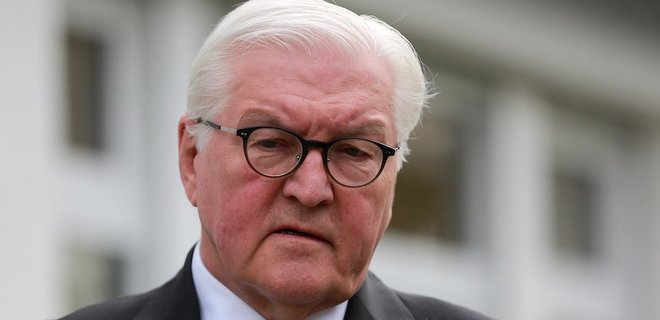
For sellers, the critical risk window extends through January 2027 (when German President Steinmeier's term concludes and potential diplomatic shifts could occur). The news indicates EU leaders are "quietly preparing for potential direct negotiations" (Financial Times reporting), suggesting behind-the-scenes policy changes may accelerate. Sellers shipping to or sourcing from Russia, Belarus, or Ukraine face 20-30% higher compliance costs due to ongoing sanctions verification requirements. Payment processors like Stripe, PayPal, and Wise maintain restricted operations in Russia, creating cash flow delays of 15-45 days for affected sellers. Additionally, logistics providers report 8-12% cost increases for routes avoiding Russian airspace and ports.
The diplomatic divisions within Germany's SPD party (some members supporting engagement, others opposing) indicate potential policy reversals if negotiations succeed. This creates a "wait-and-see" environment where sellers cannot confidently plan inventory sourcing or market expansion in Eastern Europe. EU-based sellers should anticipate 2-3 regulatory changes per quarter through mid-2027 as negotiation outcomes reshape trade policy. The E3 group (Germany, France, UK) coordination mentioned by German Foreign Minister Wadephul suggests any peace agreement will include coordinated trade policy adjustments affecting tariffs, VAT compliance, and customs procedures across these markets. Sellers operating Amazon EU, eBay Europe, or Shopify storefronts targeting these regions face potential payment system changes, shipping label format modifications, and customs documentation updates on short notice.
Questions 7
How do EU-Russia peace negotiations affect my e-commerce business in European markets?
Peace negotiations directly impact trade policy, sanctions frameworks, and payment processing systems. The EU's hardened negotiating position (as evidenced by Kallas's May 2026 rejection of Schröder) means sanctions remain in place through at least mid-2027, creating 20-30% higher compliance costs for sellers. If negotiations succeed, expect 2-3 regulatory changes quarterly affecting VAT, customs procedures, and payment systems. Sellers should monitor EU Trade Commissioner announcements and prepare contingency plans for logistics route changes and payment processor updates.
Should I expand inventory in Eastern European markets given current diplomatic uncertainty?
No—defer major inventory expansion until Q2 2027 when diplomatic outcomes become clearer. The news indicates EU leaders are 'quietly preparing for potential direct negotiations,' suggesting policy shifts could accelerate unexpectedly. Steinmeier's presidential term ends January 30, 2027, creating a potential inflection point. Instead, maintain 30-45 day inventory buffers in Eastern Europe and use this period to audit compliance procedures, update customs documentation templates, and establish relationships with 3PL providers in multiple countries. This positions you to scale quickly once policy stabilizes.