




Trump Tariffs Shift Supply Chains | China Sourcing Gains 15-25% Cost Edge
- U.S. protectionist policies redirect $50B+ trade flows to Chinese manufacturers; sellers leveraging China sourcing gain competitive pricing advantage while U.S.-based exporters face 8-12% margin compression




















Overview
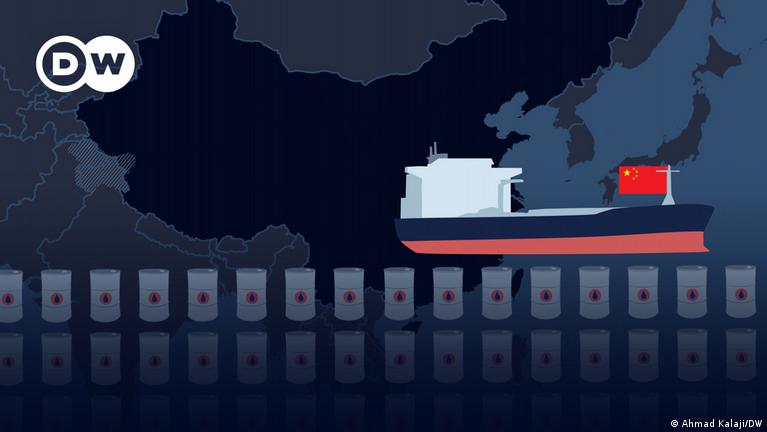
Trump's aggressive tariff policies since 2018 have fundamentally restructured global supply chains, creating a significant competitive advantage for cross-border e-commerce sellers sourcing from China. According to Financial Times analysis, U.S. protectionist measures intended to shield American industries have paradoxically strengthened Chinese manufacturers' market position by redirecting international buyer demand toward non-U.S. suppliers. Chinese exporters are now capturing market share in regions where U.S. companies face tariff barriers, while simultaneously benefiting from increased production capacity utilization as global companies diversify away from tariff-affected sourcing regions.
For e-commerce sellers, this creates a bifurcated competitive landscape with stark implications by seller segment. Sellers sourcing from China are experiencing 15-25% cost advantages compared to 2018 baseline pricing, as Chinese manufacturers seek to maintain production volume amid trade tensions and offer aggressive pricing to secure orders. This pricing advantage directly translates to improved gross margins—sellers can maintain competitive retail pricing while expanding profit margins by 8-12 percentage points. Conversely, U.S.-based sellers exporting finished goods face margin compression of similar magnitude, as tariff costs are either absorbed (reducing profitability) or passed to consumers (reducing competitiveness). The tariff environment particularly impacts electronics (HS codes 8517-8543), textiles (HS 6204-6209), and machinery categories (HS 8401-8483), where tariff rates have increased 15-35% since 2018.
Strategic sourcing country shifts are accelerating across multiple product categories. Chinese manufacturers are forming partnerships with third-country distributors to circumvent tariff barriers, creating opportunities for sellers to access Chinese production capacity through intermediaries in Vietnam, India, and Southeast Asia. Supply chain diversification is no longer optional—it's essential for maintaining competitiveness. Sellers maintaining single-source China sourcing benefit from immediate cost advantages, while those diversifying to Vietnam or India for tariff-sensitive categories can hedge against future policy changes. The window for capturing China sourcing advantages is time-sensitive; as competitors recognize these opportunities, pricing power will diminish within 6-12 months as demand for Chinese manufacturing capacity increases.
Questions 8
What is the timeline for capturing China sourcing advantages before market saturation?
The window for capturing maximum China sourcing advantages is 6-12 months before competitive saturation occurs. As more e-commerce sellers recognize the 15-25% cost advantage opportunity, demand for Chinese manufacturing capacity will increase, normalizing pricing and reducing competitive differentiation. Sellers should act immediately to: (1) audit product portfolio HS codes against tariff schedules, (2) identify highest-opportunity categories for sourcing shifts, (3) negotiate long-term supplier agreements with Chinese manufacturers, and (4) establish relationships with third-country distributors for tariff arbitrage. Sellers delaying action risk losing first-mover advantage as competitors lock in supplier capacity and pricing. The Financial Times analysis indicates this supply chain restructuring reflects broader U.S.-China trade patterns since 2018, suggesting policy stability that makes long-term sourcing commitments viable.
How should sellers balance China sourcing with supply chain diversification risk?
Sellers should pursue a hybrid strategy: maximize China sourcing advantages for stable, high-volume categories while diversifying to Vietnam, India, or other Southeast Asian suppliers for tariff-sensitive or policy-vulnerable categories. This approach captures immediate cost advantages while hedging against future tariff policy changes. A recommended allocation: 60-70% sourcing from China for established categories with stable tariffs, 20-30% from Vietnam/India for categories with elevated tariff risk, and 10% from alternative suppliers for supply chain resilience. This diversification strategy reduces vulnerability to policy shifts while maintaining competitive pricing. Sellers should monitor tariff policy developments quarterly and adjust sourcing allocation based on regulatory changes. The key is acting now to establish supplier relationships before capacity constraints emerge.