




Fed Chair Warsh Confirmed | Interest Rate Hold Signals Higher Financing Costs for E-Commerce Sellers
- Federal Reserve maintains 3.5-3.75% rates through 2026; sellers face 8-15% increased borrowing costs for inventory expansion and working capital










Overview
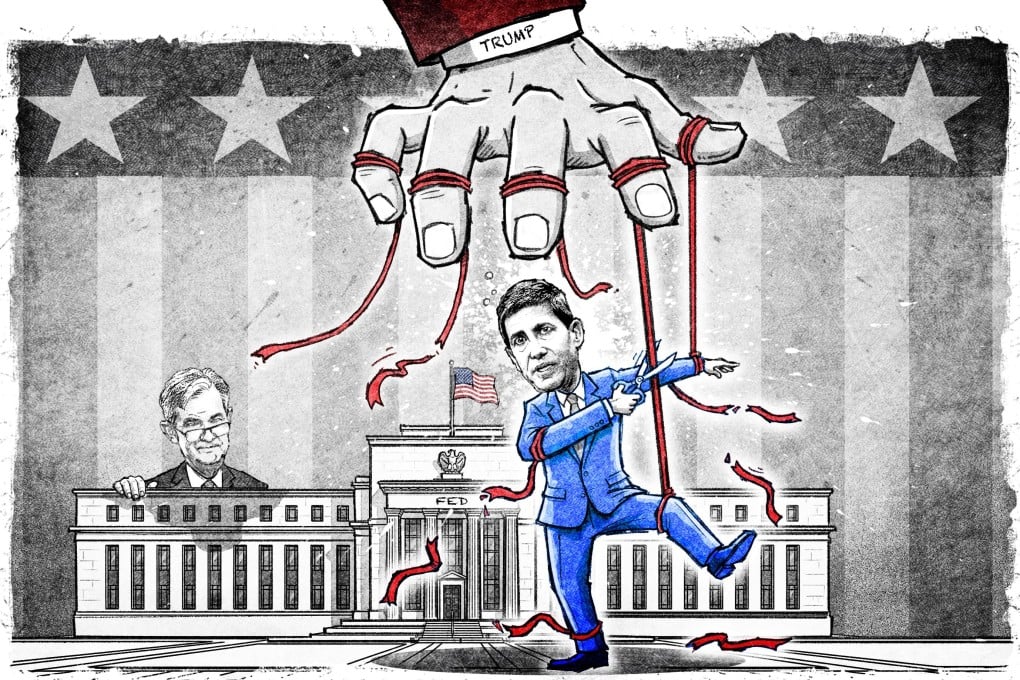
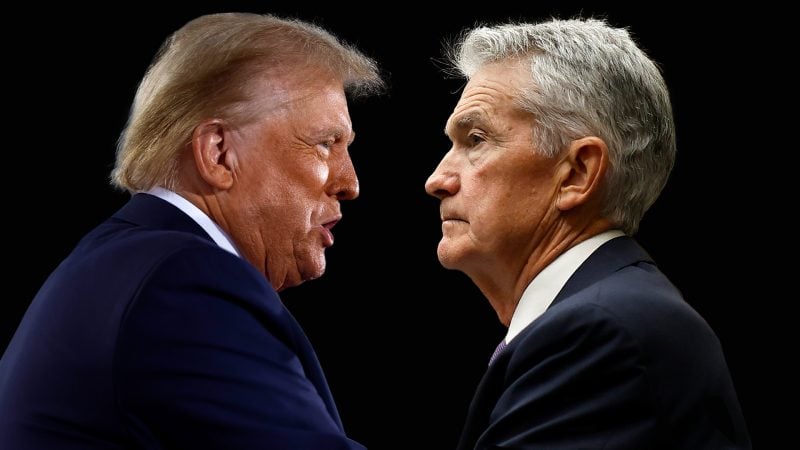
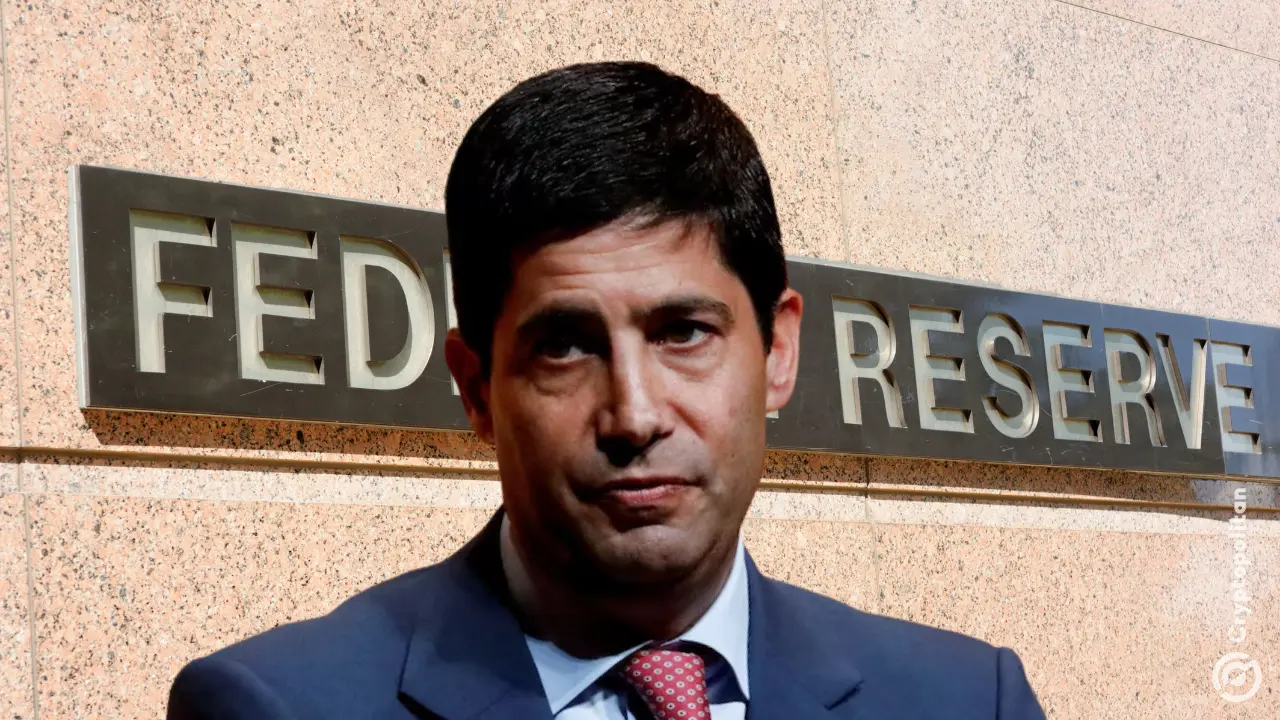
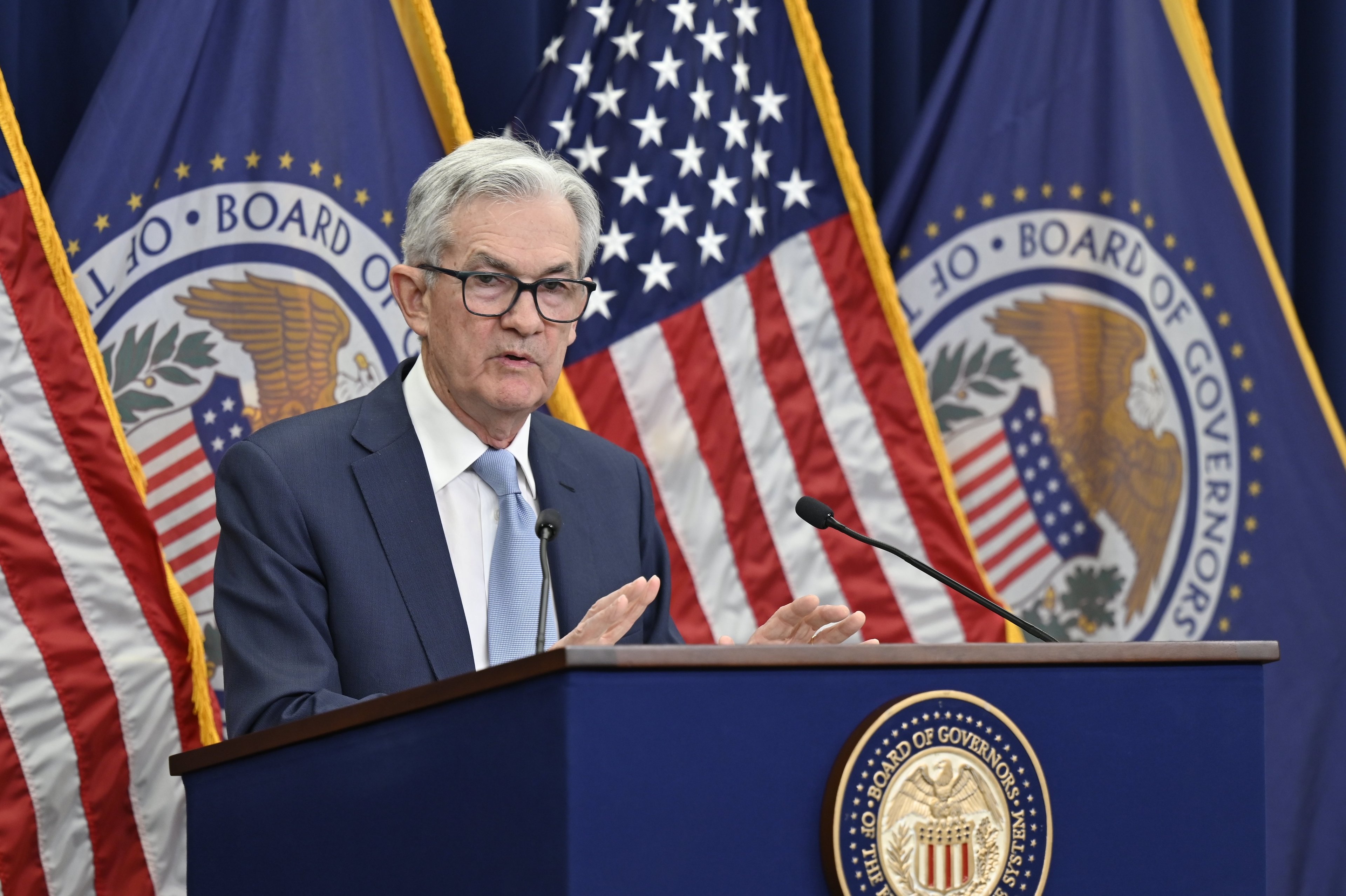
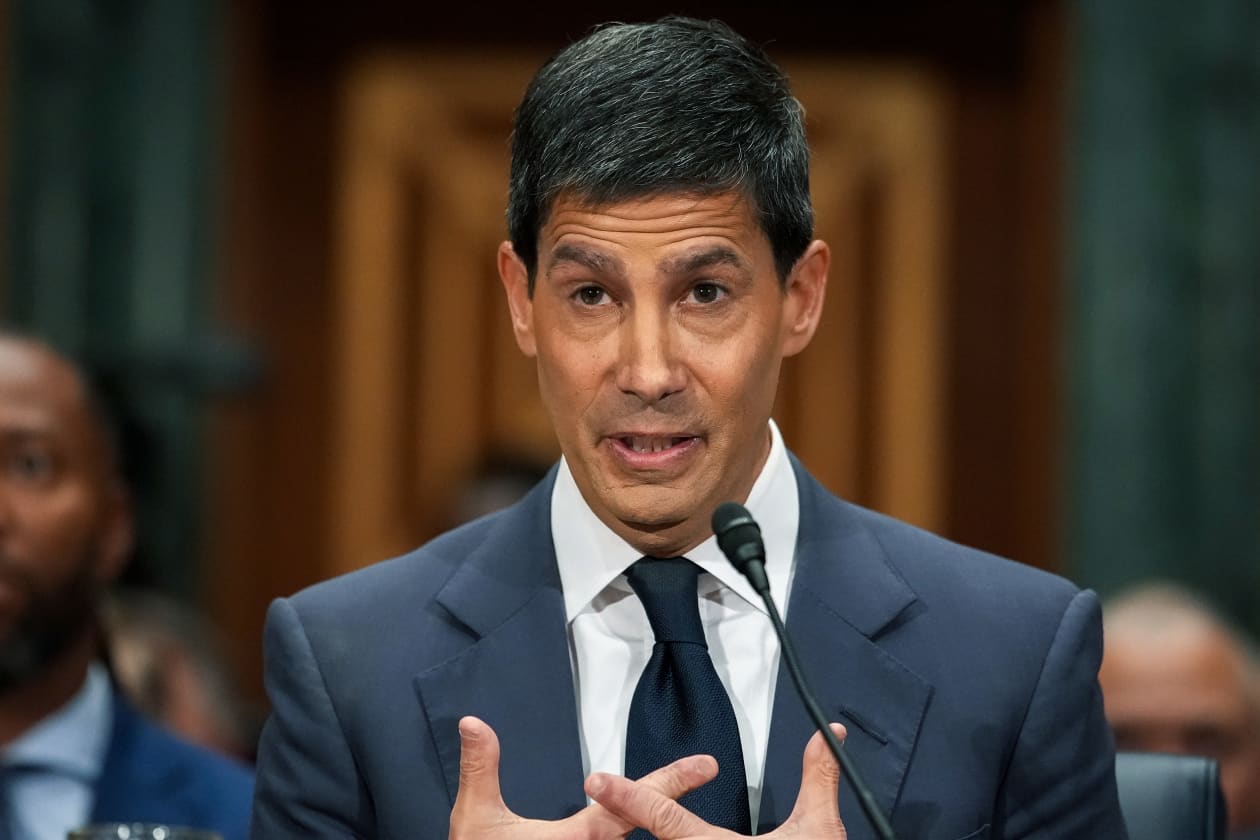
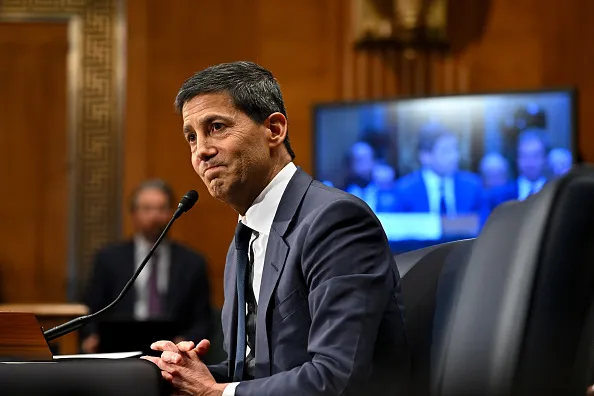
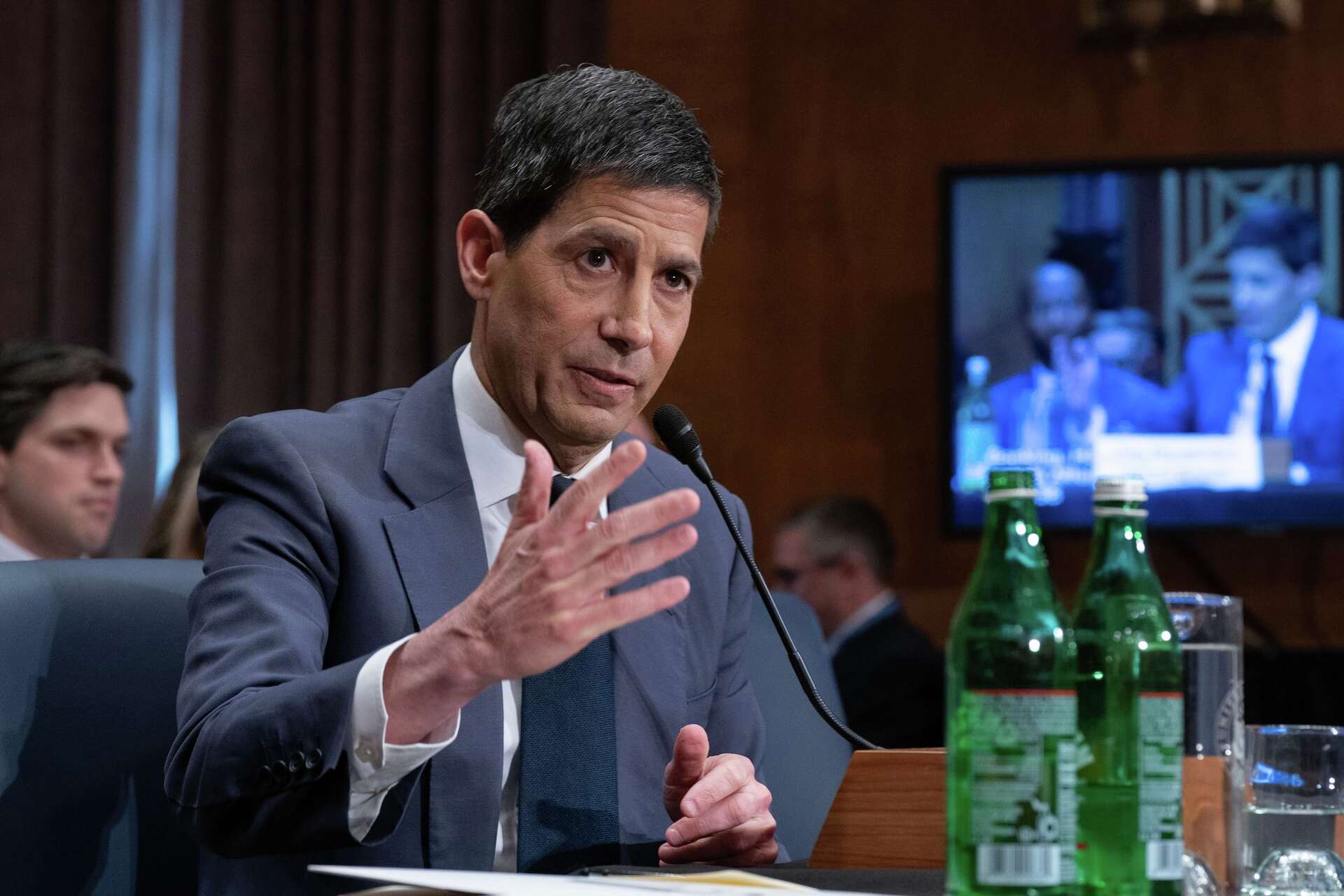
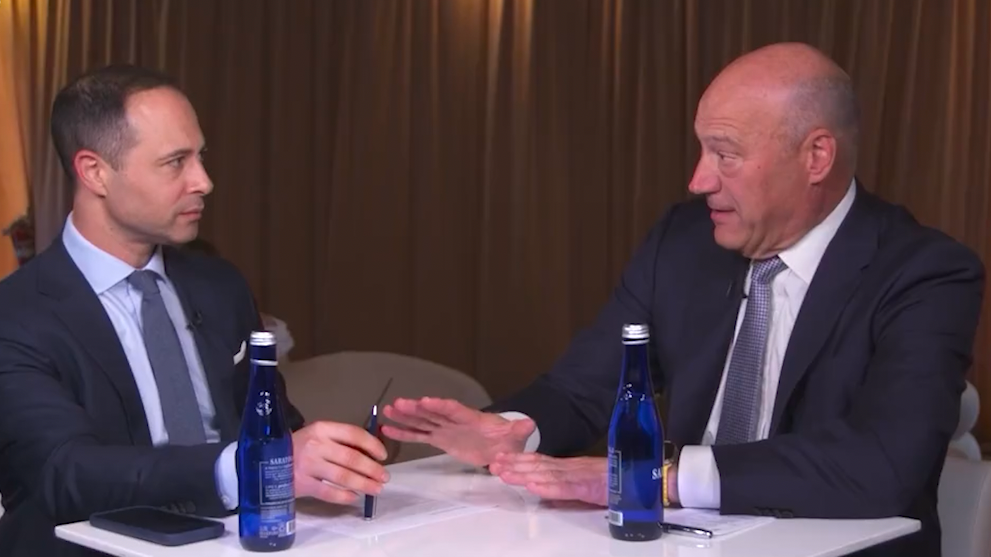
Kevin Warsh's confirmation as Federal Reserve Chair (expected May 9, 2026) marks a critical inflection point for e-commerce sellers navigating financing and operational costs. The incoming chair faces significant constraints preventing interest rate cuts, with investor Paul Tudor Jones stating there is "no chance" of rate reductions under Warsh's leadership. The Federal Reserve's benchmark overnight rate remains at 3.5-3.75%, where it has held since December 2025, with futures traders pricing in a hold extending through the year. This monetary policy stance directly impacts cross-border sellers through three critical channels: working capital financing, inventory carrying costs, and consumer purchasing power.
Financing Impact for Sellers: E-commerce sellers relying on business credit lines, inventory loans, and merchant cash advances face sustained higher borrowing costs. With the Fed maintaining rates at 3.5-3.75% and signaling no near-term cuts, sellers can expect prime-based lending rates (typically prime + 2-4%) to remain elevated at 5.5-7.75%. For a seller with $100K inventory financed through a business line of credit, this translates to $5,500-7,750 in annual interest expense—8-15% higher than the 2023-2024 environment when rates were 5.25-5.50%. Small and mid-sized sellers (those with $50K-$500K annual revenue) are most vulnerable, as they lack the balance sheet strength of larger competitors to absorb financing costs.
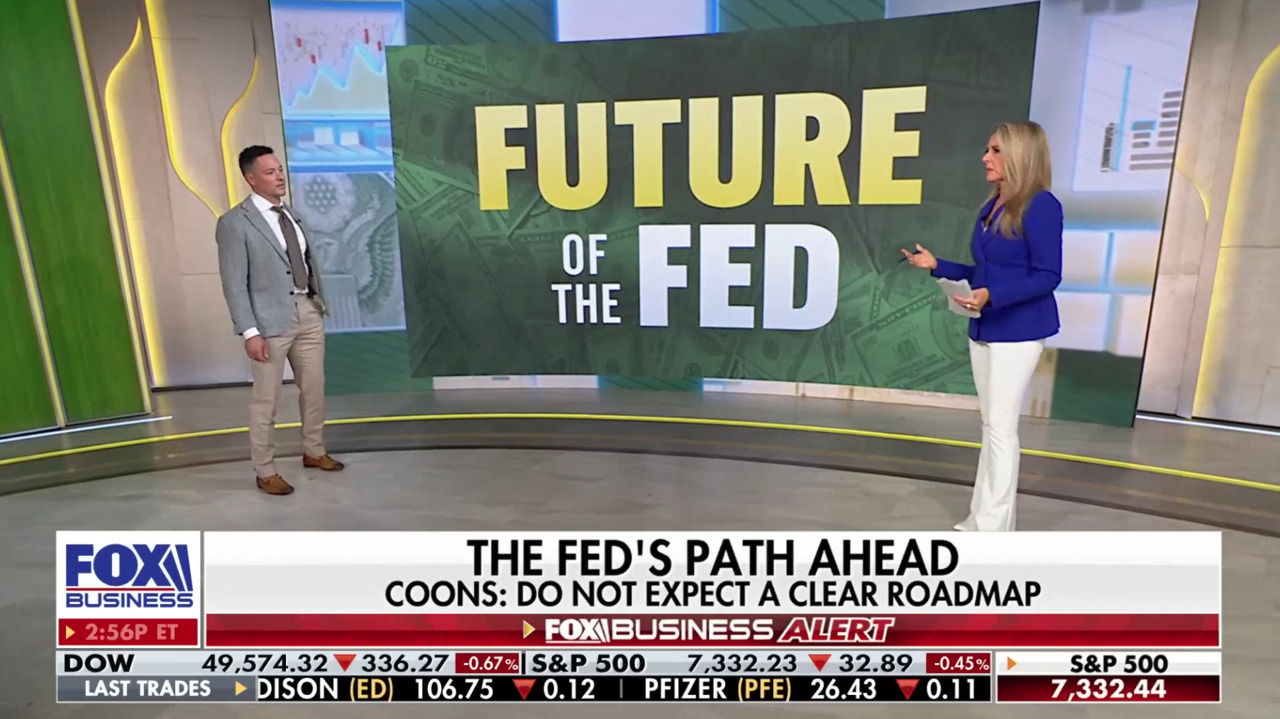
Consumer Spending Headwinds: The higher rate environment compounds inflationary pressures already visible in the economy. Gasoline prices in the Capital Region reached $4.53 per gallon (up 50 cents in one month), signaling sustained inflation despite Fed efforts. Higher borrowing costs reduce consumer discretionary spending, particularly in non-essential categories (home goods, fashion, electronics accessories). Cross-border sellers targeting US consumers should anticipate 5-10% lower conversion rates in discretionary categories through Q2-Q3 2026, while essential product categories (health, beauty, household supplies) remain more resilient. The Federal Open Market Committee's recent meeting showed the highest number of dissents in 34 years, indicating internal disagreement about rate policy—a signal of policy uncertainty that may suppress consumer confidence.
Tariff and Geopolitical Pressures: Paul Tudor Jones noted that inflation remains well above the Federal Reserve's 2% target due to Iran-related geopolitical tensions and President Trump's tariff policies. These factors constrain the Fed's ability to cut rates even if economic conditions soften. Sellers importing goods from Asia face compounding cost pressures: higher tariffs (potentially 10-25% on certain categories), elevated ocean freight rates, and increased working capital requirements to maintain inventory buffers. The combination of higher financing costs and tariff-driven product cost increases creates a margin compression scenario, particularly for sellers with thin margins (5-10%) in competitive categories like electronics and home goods.
Questions 8
What does the Federal Reserve's rate hold mean for my customer's purchasing power?
The Fed's decision to hold rates at 3.5-3.75% while inflation remains above the 2% target means consumers face declining real purchasing power. Gasoline prices in the Capital Region reached $4.53/gallon (up 50 cents monthly), signaling persistent inflation. Your customers' discretionary spending will likely decline 5-10% through Q2-Q3 2026, particularly in non-essential categories. However, essential product categories (health, beauty, household supplies) remain resilient. Adjust your marketing spend accordingly: reduce PPC budgets for discretionary items by 10-15%, and increase bids for essential categories where demand remains stable despite economic headwinds.
How do tariffs and interest rates together impact my product costs?
You face a compounding cost squeeze: higher tariffs (10-25% on many categories) increase landed costs, while higher financing rates (5.5-7.75%) increase the cost of working capital to hold inventory. For a seller importing $200K in goods annually, tariffs add $20-50K in costs, and financing that inventory at elevated rates adds $11-15.5K in annual interest. This 15-25% total cost increase forces margin compression unless you raise prices 8-12%—which risks losing price-sensitive customers. Prioritize negotiating fixed tariff rates with suppliers and locking in fixed-rate financing before rates potentially rise further.