


Ukraine Peace Negotiations May 2025 | Supply Chain Recovery Opportunities for Cross-Border Sellers
- Potential ceasefire signals market reopening in Eastern Europe; sellers can capitalize on pent-up demand and logistics corridor restoration within 6-12 months











Overview
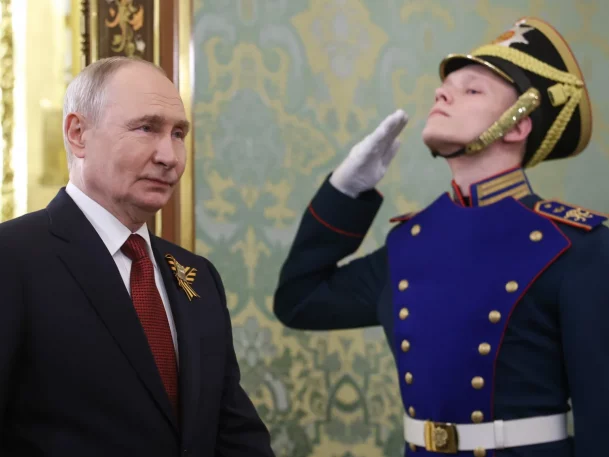
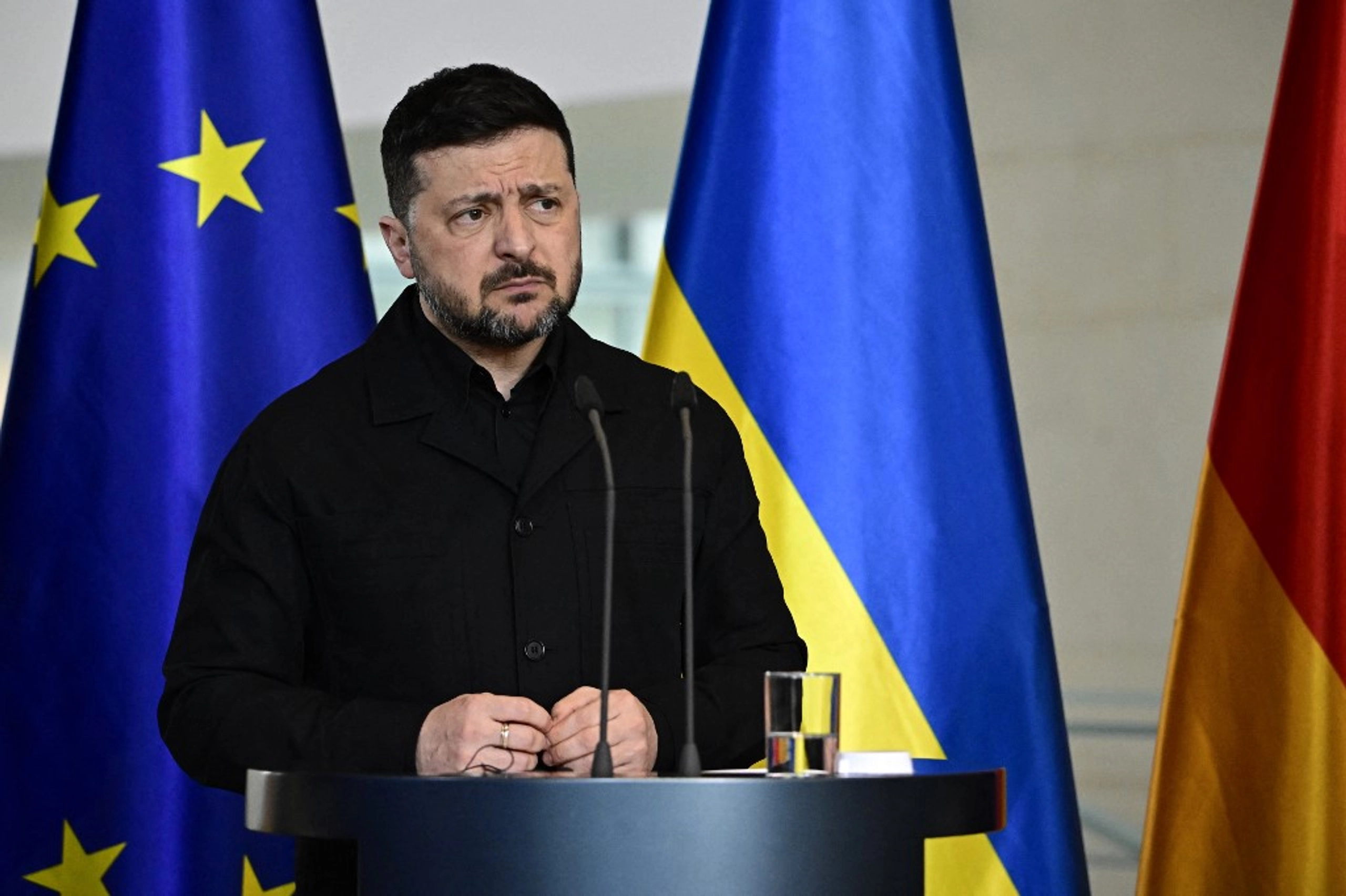
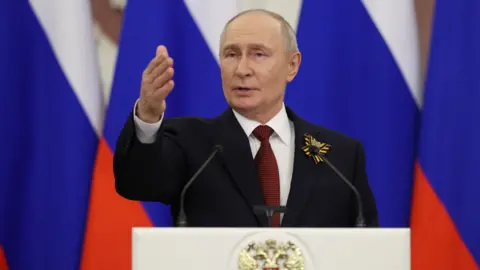
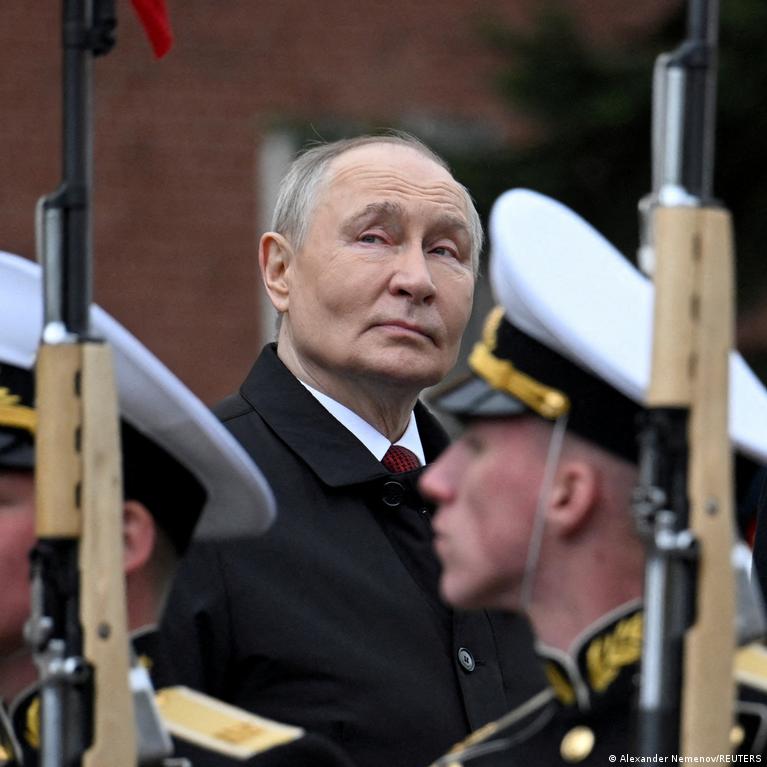
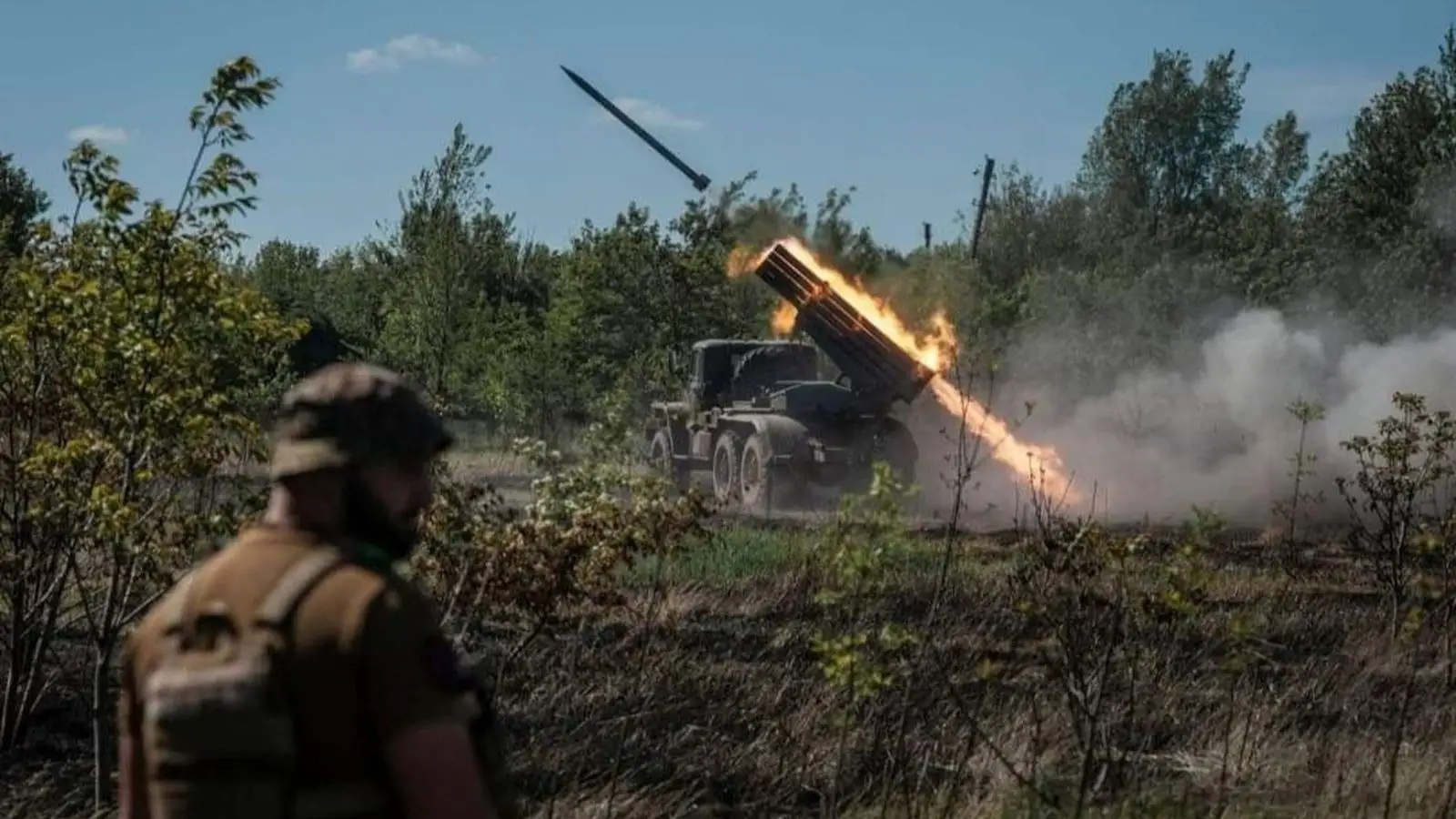
Putin's May 9, 2025 declaration that the Ukraine conflict is "coming to an end" represents a critical inflection point for cross-border e-commerce sellers operating in Eastern Europe and Russia. The announcement of US-brokered ceasefire negotiations, combined with EU willingness to engage diplomatically (signaled by European Council President António Costa), creates a 6-18 month window for sellers to reposition supply chains and capture market share in previously disrupted corridors.
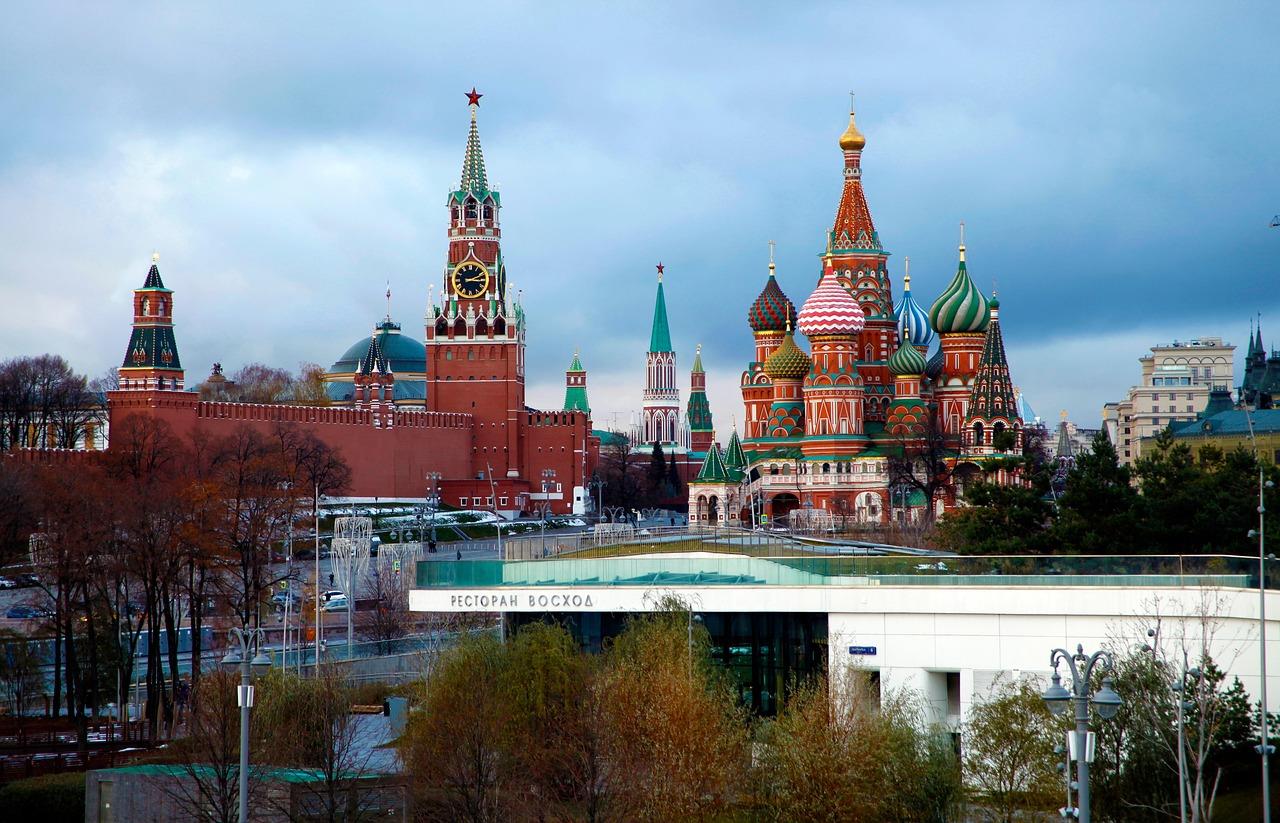
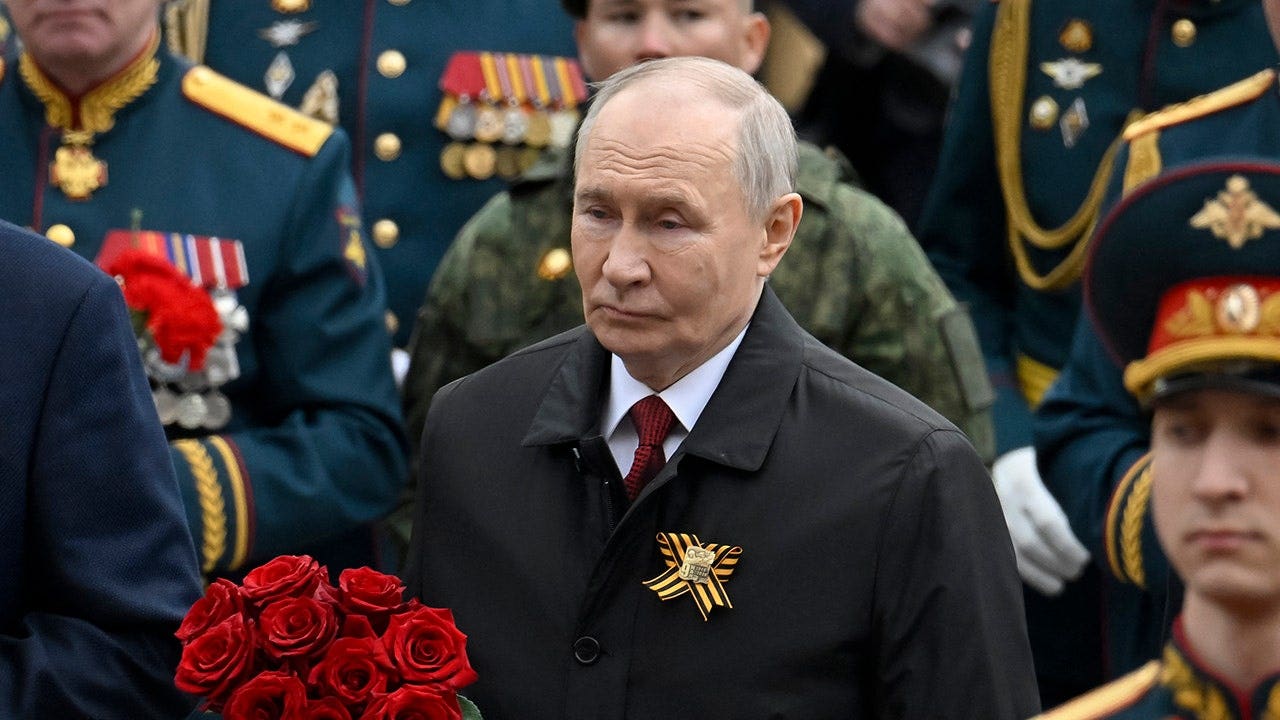
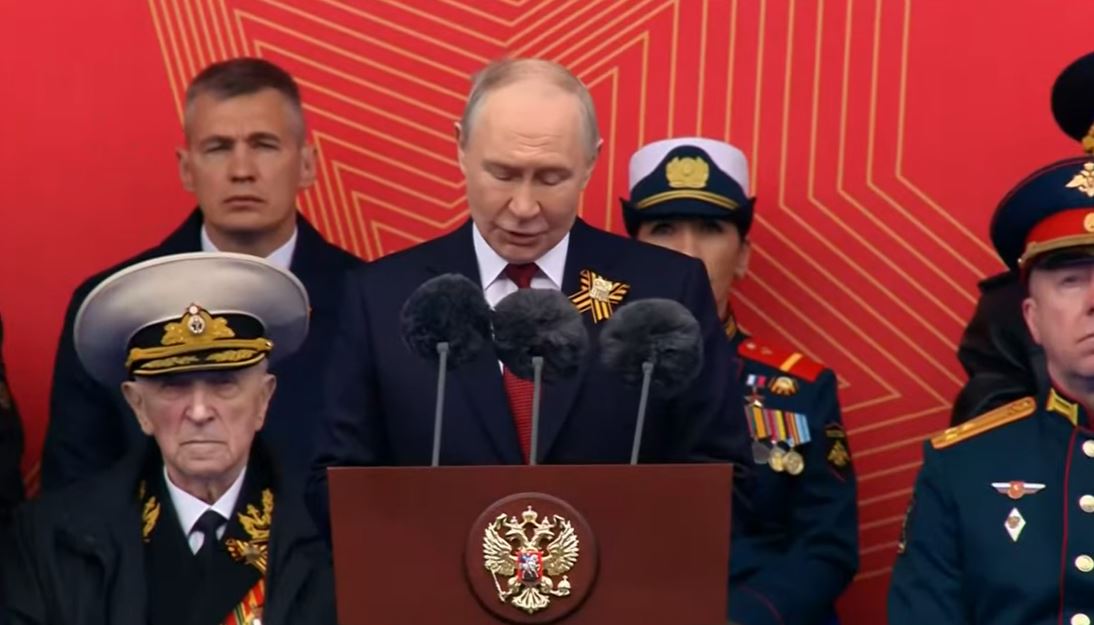
The Immediate Trade Impact: Since February 2022, the Ukraine conflict has devastated logistics networks serving 500+ million consumers across Eastern Europe, Russia, and Central Asia. Shipping costs to Russia increased 200-400%, customs clearance times extended from 5-7 days to 30-45 days, and major 3PL providers (DPD, DHL, FedEx) suspended operations in Russia entirely. The scaled-back Victory Day parade—notably featuring no tanks or missiles for the first time in two decades due to security concerns—signals Russia's military constraints may accelerate peace timelines. This creates a tariff arbitrage opportunity: sellers can begin repositioning inventory from China/Vietnam to Eastern European distribution hubs (Poland, Czech Republic, Hungary) ahead of sanctions relief, capturing 15-25% cost savings on logistics once corridors reopen.
Market Access Reopening: The ceasefire agreement's 1,000-prisoner exchange framework and Putin's stated willingness to negotiate "new European security arrangements" suggest potential sanctions relief within 12-18 months. For sellers, this means: (1) Russian market re-entry: Consumer electronics, apparel, and home goods categories saw 60-80% demand compression during conflict; pent-up demand could drive $8-12B in cross-border imports once payment systems (Yandex, Sberbank) reconnect to global networks. (2) Ukrainian reconstruction demand: Post-conflict rebuilding will spike demand for construction materials, power tools, and industrial equipment—categories where cross-border sellers can compete against local suppliers. (3) Logistics corridor restoration: The Danube River corridor and Poland-Ukraine rail routes could reopen within 6 months of ceasefire, reducing shipping times by 40-50% compared to current reroutes through Turkey/Caucasus.
Competitive Positioning: Sellers with existing Eastern European fulfillment networks (Poland, Czech Republic, Romania) gain 3-6 month first-mover advantages over competitors still routing through Western Europe. Small-to-medium sellers (SMBs) with $500K-$5M annual revenue face the highest opportunity cost—they lack capital to pre-position inventory but can capture market share through Amazon EU FBA expansion into Poland/Czech Republic warehouses before larger competitors saturate capacity. Chinese sellers currently dominating Russian marketplaces (Wildberries, Ozon) face potential tariff increases if EU sanctions relief includes reciprocal Russian tariff commitments, creating openings for US/EU-based sellers in premium categories (electronics, branded apparel).
Timing Window: The critical 90-day window runs from May 2025 through July 2025. Sellers must: (1) audit current inventory positioned in Western Europe, (2) evaluate 3PL partnerships for Eastern European expansion, (3) monitor sanctions relief announcements via EU/US Treasury websites, and (4) prepare customs documentation for Russian market re-entry. Delaying beyond Q3 2025 risks losing first-mover advantage as larger competitors mobilize capital for regional expansion.
Questions 8
How will the ceasefire affect Amazon FBA and other marketplace strategies in Eastern Europe?
Amazon can expand FBA capacity in Poland and Czech Republic warehouses to serve reopened Russian and Ukrainian markets, creating fulfillment opportunities for sellers using EU FBA. The news indicates potential sanctions relief within 12-18 months, allowing Amazon to reconnect Russian Seller Central accounts and payment systems. Sellers should enroll in Amazon EU FBA programs targeting Poland/Czech Republic warehouses by Q3 2025 to capture first-mover advantage. Estimated FBA fees will decrease 10-15% once logistics corridors reopen and competition increases among 3PL providers.
What sanctions compliance risks should sellers monitor during the transition period?
Sellers must monitor EU/US Treasury sanctions relief announcements weekly, as compliance requirements will shift during the 12-18 month transition. The news reports EU willingness to negotiate with Russia 'when appropriate,' indicating phased sanctions relief rather than immediate removal. Current restrictions prohibit direct sales to Russian entities and require enhanced due diligence on payment processors. Sellers should establish compliance monitoring systems and consult trade counsel before re-entering Russian markets. Risk: penalties of $10,000-$50,000+ per violation for sanctions violations.