
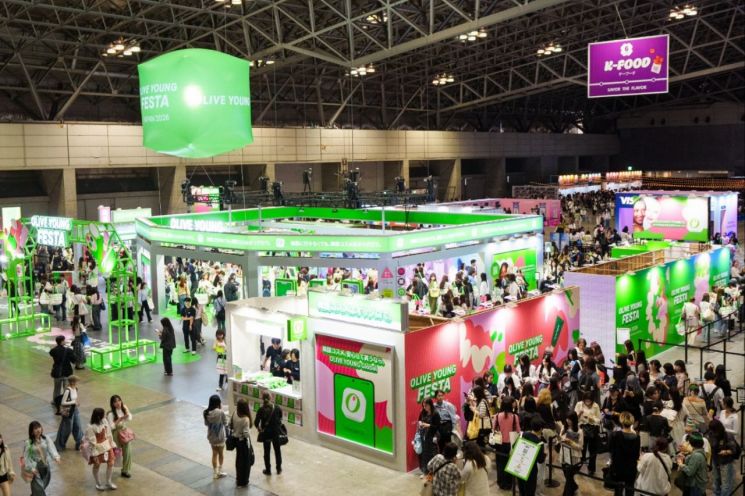
K-pop Fandom Converts to K-Beauty Sales | 70% Album Buyers Purchase Cosmetics
- Content-driven commerce model generates 66% repeat purchase conversion; SNS discovery dominates at 52.5% channel share
Overview
The K-pop and K-beauty convergence represents a transformative opportunity for cross-border e-commerce sellers, with Olive Young's data demonstrating that 70% of K-pop album purchasers also buy cosmetics, and 66% of initial album-only buyers adding K-beauty products to subsequent purchases. This content-to-commerce conversion model is now a replicable playbook for sellers across multiple categories. The 2025 Global Hallyu Status Survey confirms 68% of Korean Wave content consumers purchased K-beauty products within one year, with favorability ratings consistently in the mid-to-high 70s, indicating sustained demand momentum beyond flash trends.
Olive Young's omnichannel strategy reveals critical operational insights for sellers: The platform established a dedicated K-pop category in May 2022 and now operates 8,000 beauty/wellness products alongside 2,000 albums and merchandise items, generating data from 180 million annual purchase records. Experiential marketing through KCON events—including makeup consultations, product sampling, and stamp rally programs—directly drives online conversions, with KCON 2026 Japan visitors experiencing seamless offline-to-online purchase journeys. This demonstrates that SNS videos and photos drive 52.5% of product discovery, followed by domestic websites (52.0%), physical retailers (51.2%), and global platforms (47.4%), establishing social commerce as the primary conversion channel.
Sellers must address identified K-beauty market weaknesses to capture this demand: Price concerns (19.1%), information gaps (16.7%), and excessive promotion (15.8%) are the primary barriers to conversion. Olive Young's response—data-driven curation, detailed product education, and efficacy-focused positioning over price competition—provides a tested framework. Japan serves as Olive Young's strategic testbed, emphasizing trustworthiness and efficacy information, suggesting sellers should prioritize detailed product specifications, ingredient transparency, and clinical backing over aggressive discounting. This shift from traditional Korean Wave marketing toward integrated content-commerce ecosystems creates immediate opportunities for sellers to build brand authority through educational content, influencer partnerships, and event-based experiential marketing that converts fandom into repeat purchases.
Questions 7
How should sellers structure repeat purchase incentives given the 66% conversion rate?
Olive Young's 66% repeat purchase conversion rate indicates strong product-market fit when initial purchase experience is positive. Sellers should implement subscription models offering 10-15% discounts for monthly deliveries of consumable K-beauty products (sheet masks, serums, cleansers). Create loyalty programs rewarding repeat purchases: 1 point per dollar spent, redeemable at 100 points for $10 discount. Send personalized replenishment reminders 2-3 weeks before typical usage depletion based on product type. Segment email campaigns by purchase history—customers who bought albums + beauty should receive different messaging than beauty-only buyers. Target 50%+ repeat purchase rate within 6 months through these mechanisms.
How can sellers use Japan as a testbed market for K-beauty positioning?
Japan represents an ideal testbed because it has high K-beauty awareness (68% of Korean Wave content consumers), established e-commerce infrastructure, and distinct consumer preferences favoring efficacy over price. Launch new K-beauty products in Japan first with emphasis on clinical efficacy, ingredient transparency, and dermatologist partnerships. Test messaging variations: efficacy-focused (clinical results, ingredient benefits) versus lifestyle-focused (idol styling, beauty trends). Measure conversion rates, repeat purchase rates, and customer acquisition costs by messaging type. Use Japan learnings to optimize positioning for other markets (US, EU, Southeast Asia) within 6-month cycles.