


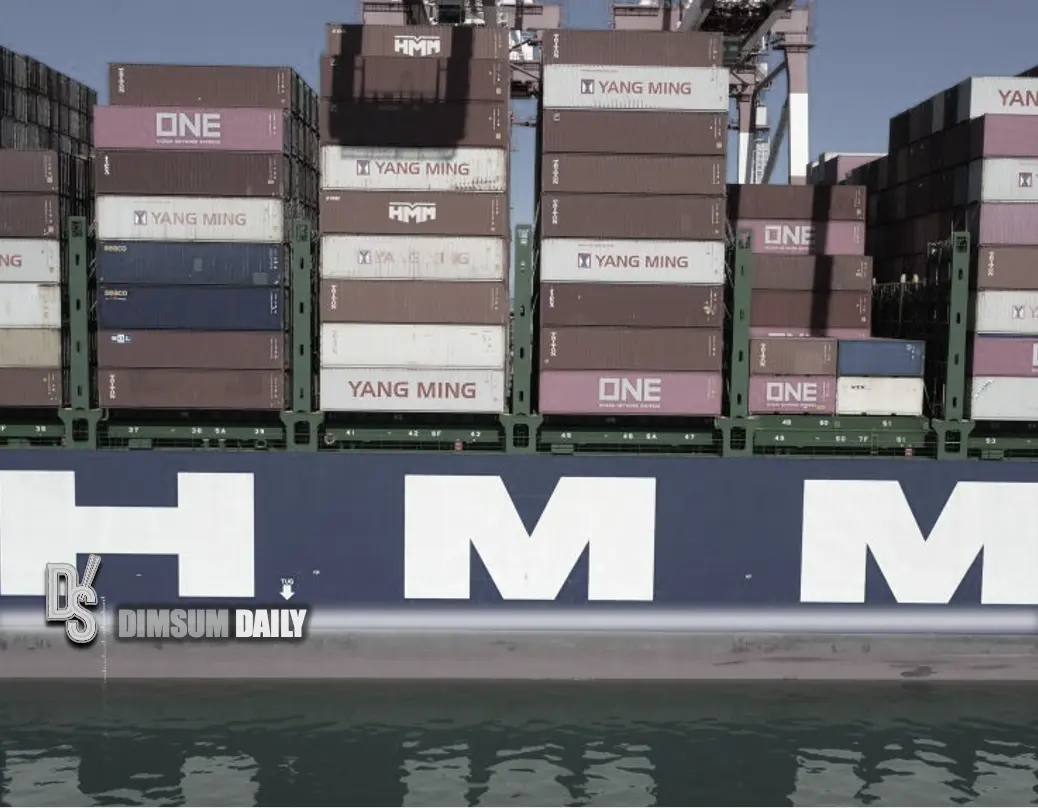
Strait of Hormuz Blockade Reshapes Global Shipping Routes | E-Commerce Sellers Face 15-25% Cost Surge
- Iran-Israel conflict since Feb 28, 2026 disrupts critical sea corridor; sellers importing from Asia or exporting to Middle East face extended delivery times, elevated fuel surcharges, and forced supply chain rerouting


























Overview
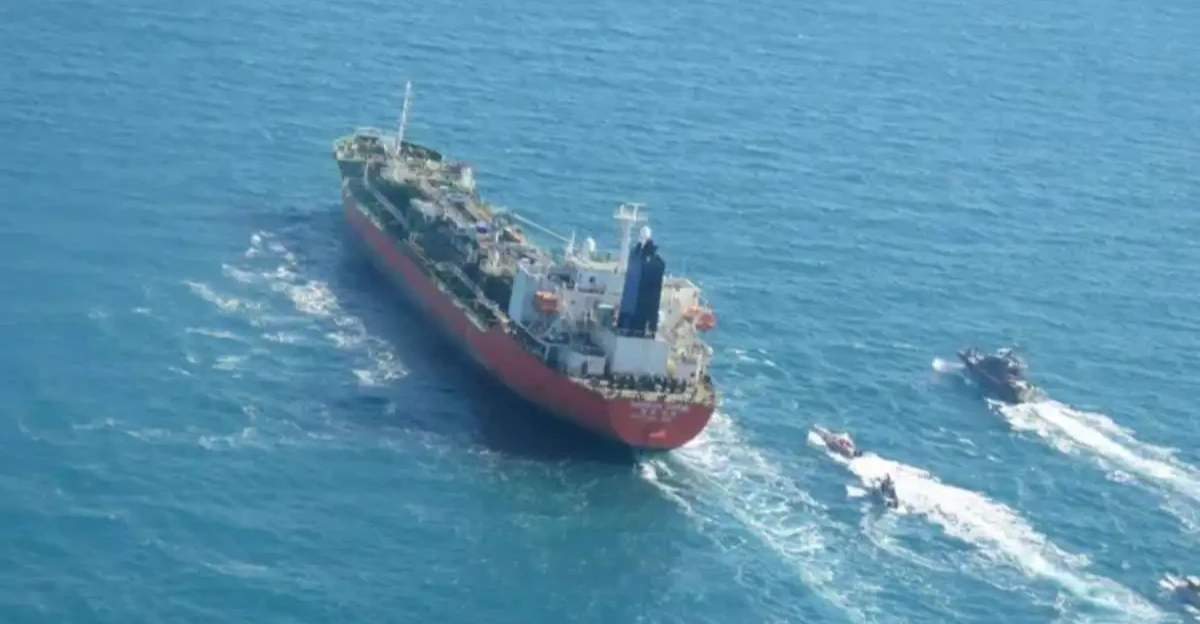
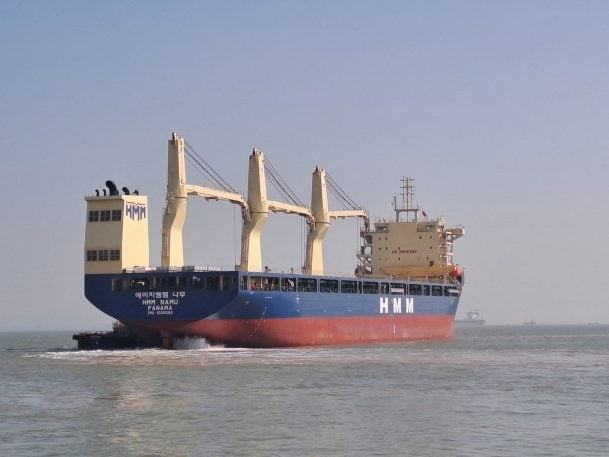
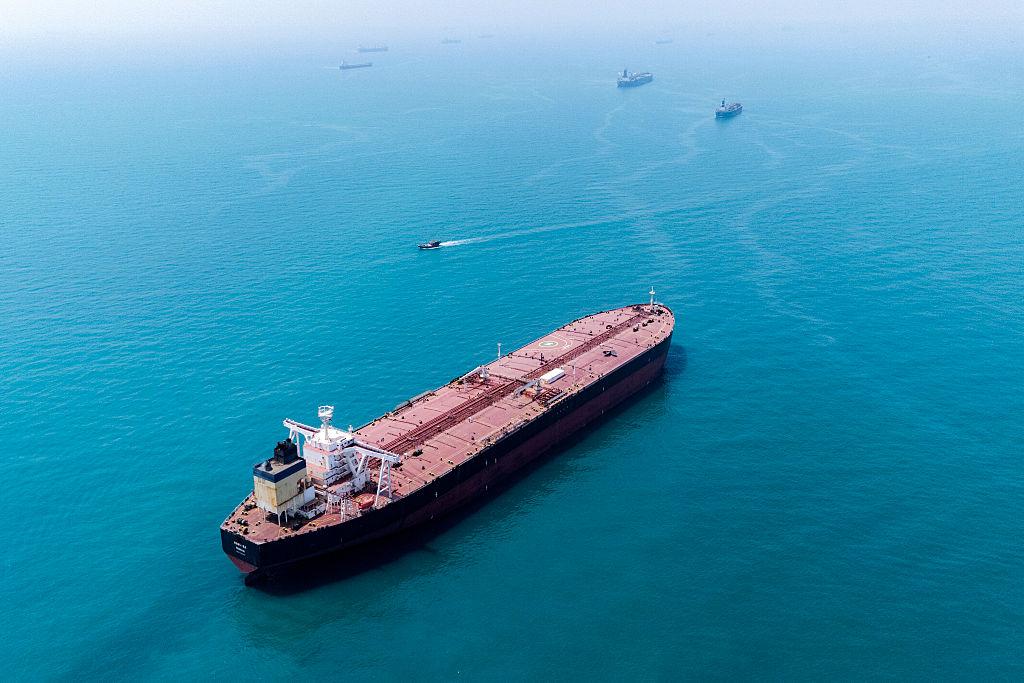
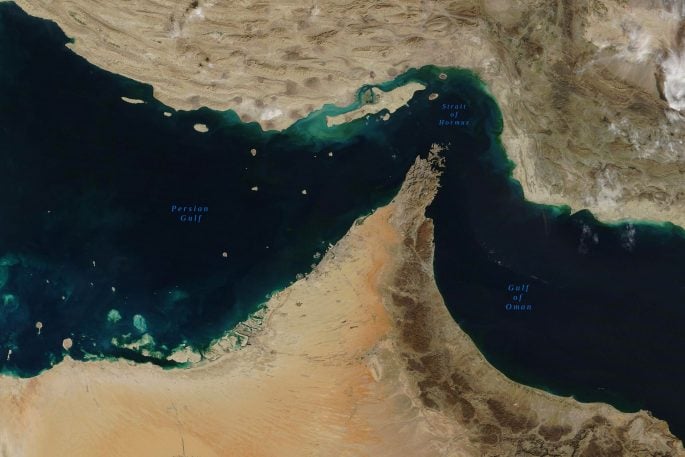
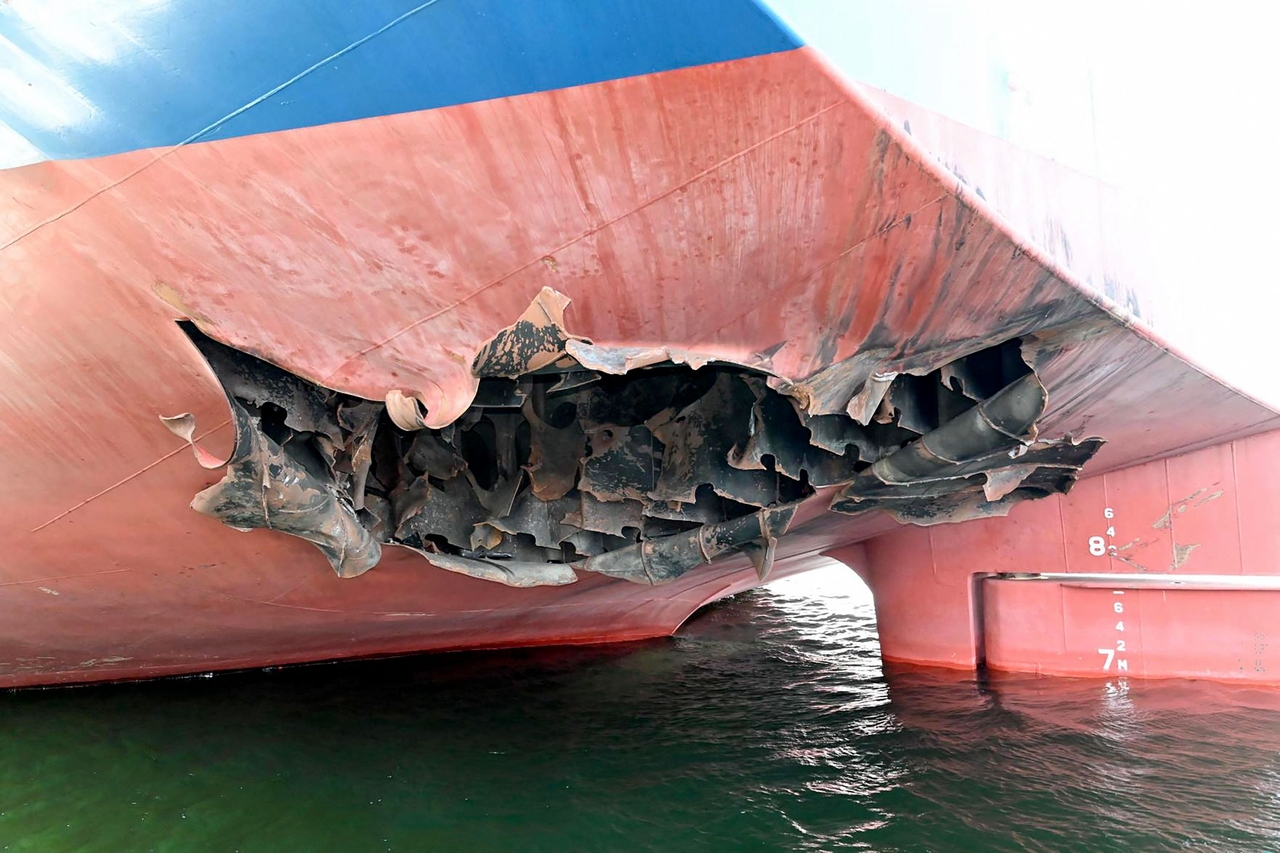
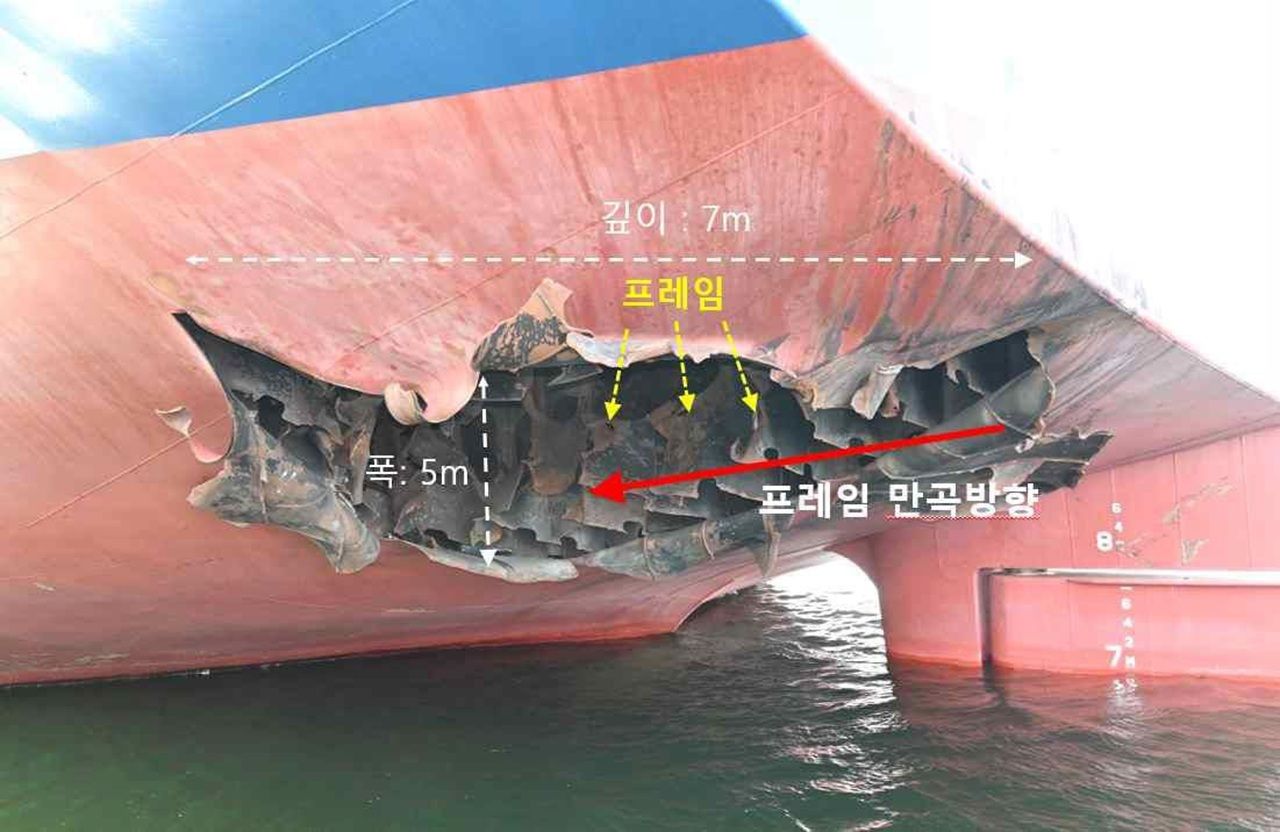
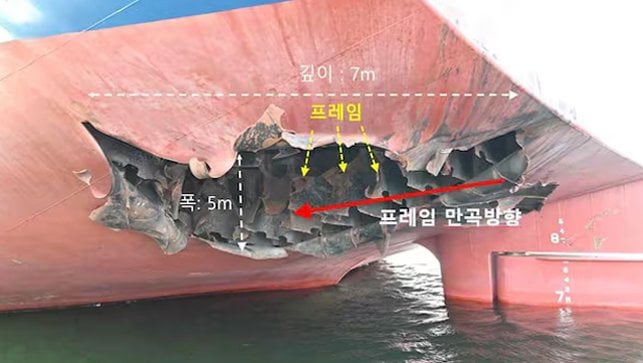
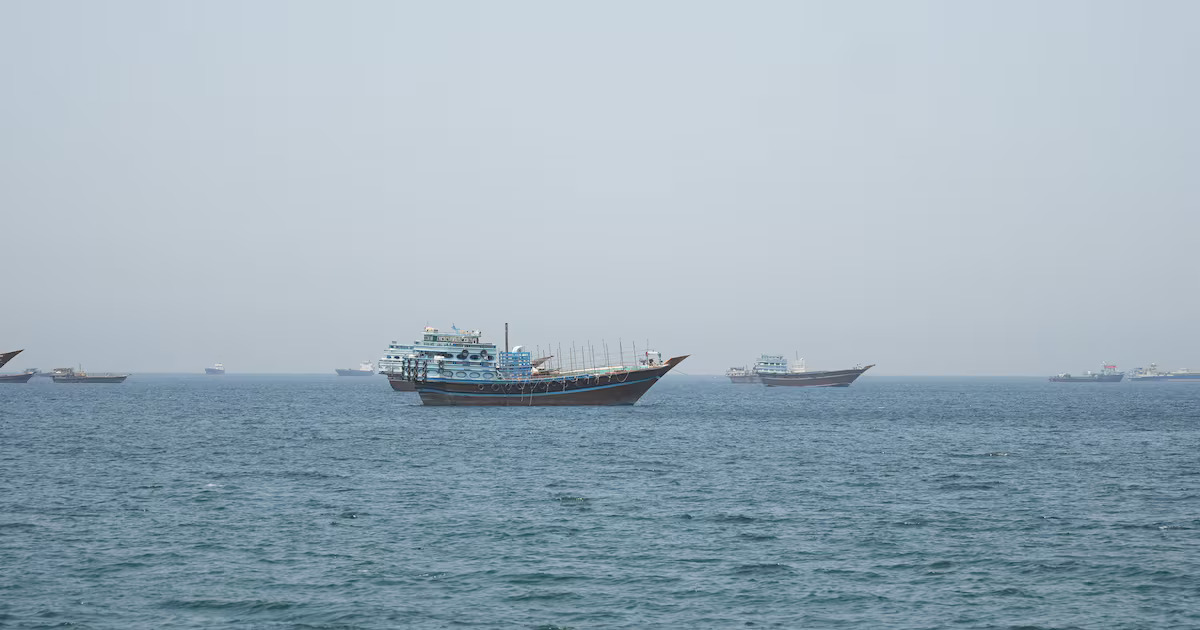
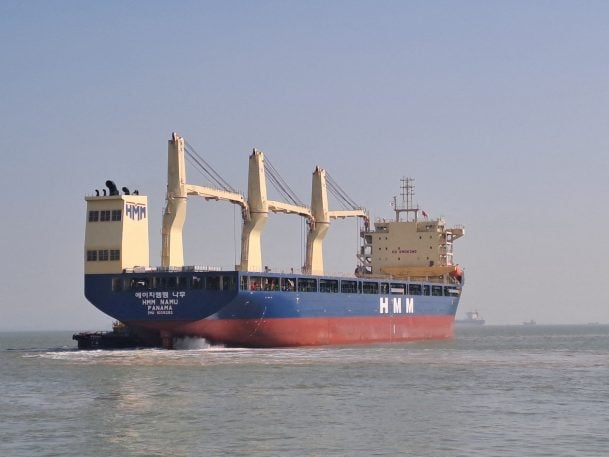
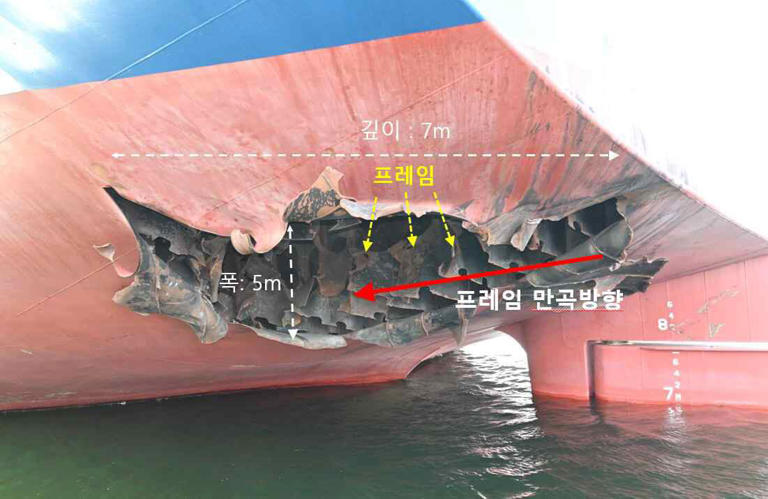
The Iran-Israel conflict that erupted on February 28, 2026, has created a critical supply chain crisis for cross-border e-commerce sellers, with the Strait of Hormuz blockade effectively closing one of the world's most vital shipping corridors. The conflict has directly impacted maritime logistics through Iranian drone strikes on commercial vessels—including the South Korean cargo ship HMM Namu (38,314 deadweight tonnage), which sustained a 16-foot by 23-foot hole in its stern—and a two-month Iranian blockade preventing non-Iranian vessel passage while the U.S. maintains counter-blockades on Iranian ports.
For e-commerce sellers, this creates immediate operational and financial pressures. Sellers importing electronics, textiles, machinery, and consumer goods from Asia-Pacific manufacturers now face 15-25% increases in ocean freight costs due to fuel surcharges and extended transit times (adding 2-4 weeks to typical 3-4 week Asia-to-US routes). Sellers exporting to Middle Eastern markets—a $12-15B annual cross-border segment—face near-complete market access disruption. The Bank of England's Megan Greene flagged "negative supply shocks and energy inflation concerns," signaling that central banks are monitoring this as a structural economic headwind, which will likely increase borrowing costs for sellers relying on inventory financing.
Strategic sourcing shifts are accelerating. Sellers currently dependent on China-Vietnam-Singapore-Suez-Rotterdam corridors must evaluate alternative routes: the Cape of Good Hope (adds 10-14 days and $800-1,200 per TEU), air freight (increases costs 4-6x but guarantees delivery), or nearshoring to Mexico/Central America for US-bound goods. The UK-France Defence Ministers meeting scheduled for May 12 with 40+ nations suggests diplomatic efforts to restore the corridor, but sellers cannot rely on near-term resolution. Sellers with inventory in transit face potential rerouting costs of $2,000-5,000 per container, while those with pre-positioned inventory in Middle Eastern fulfillment centers face indefinite lockup.
Competitive advantage shifts toward sellers with diversified logistics networks. Large sellers (Amazon FBA, Alibaba sellers with 3PL partnerships) can absorb rerouting costs and negotiate volume discounts with alternative carriers. Small-to-medium sellers (SMEs) with single-source suppliers and limited cash reserves face margin compression of 8-15% on affected categories. Sellers of high-value, low-weight items (electronics, jewelry, luxury goods) can shift to air freight; sellers of bulk commodities (textiles, machinery, raw materials) face forced inventory adjustments or price increases that may reduce competitiveness on Amazon, eBay, and Shopify platforms.
Questions 8
When might the Strait of Hormuz reopen and what should sellers do in the meantime?
The **UK-France Defence Ministers meeting on May 12 with 40+ nations** suggests diplomatic efforts to restore the corridor, but resolution timeline is uncertain. **Israeli PM Netanyahu** stated conflict cannot conclude until Iran's uranium enrichment sites are dismantled—a condition requiring months of negotiation. Sellers should assume 3-6 month disruption minimum. Immediate actions: (1) Audit current inventory in transit and reroute via Cape of Good Hope if cost-justified; (2) Reduce new Asia orders by 30-40% and shift to nearshoring; (3) Pre-position inventory in unaffected regions (India, Southeast Asia); (4) Lock in freight rates with 90-day contracts before further escalation. Monitor **Bank of England and central bank policy announcements** for signals on economic impact and interest rate trajectory.
What compliance and documentation changes do sellers need for alternative shipping routes?
Rerouting via Cape of Good Hope or nearshoring to Mexico requires updated customs documentation, tariff classification review, and potential origin-of-goods certification changes. Sellers must verify that alternative suppliers maintain same HS codes and tariff treatments to avoid duty recalculation. Air freight shipments require different documentation (air waybills vs. bills of lading) and may trigger expedited customs processing. Sellers exporting to Middle East should maintain detailed records of attempted shipments and delays for potential force majeure claims on customer contracts. Consult with customs brokers immediately—delays in documentation can add 2-3 weeks to already-extended timelines. Update Amazon Seller Central and eBay seller profiles with realistic delivery estimates to avoid A-to-Z guarantee claims and negative feedback.