


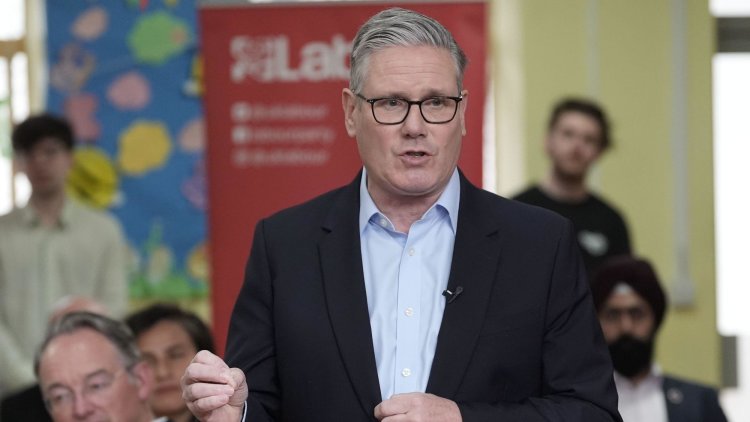


UK Political Crisis Triggers Rising Borrowing Costs | Cross-Border Sellers Face Currency & Logistics Headwinds
- Political uncertainty drives UK gilt yields to 4.98%, highest G7 borrowing costs; sellers shipping to UK face 8-15% currency volatility and potential logistics cost increases































Overview
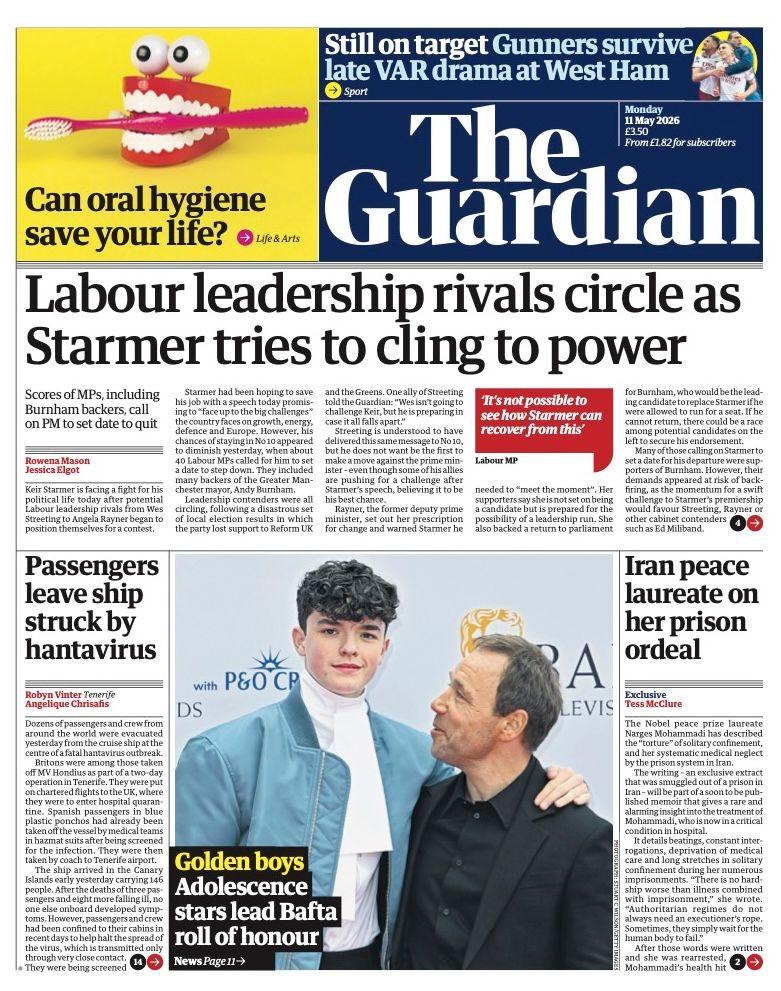
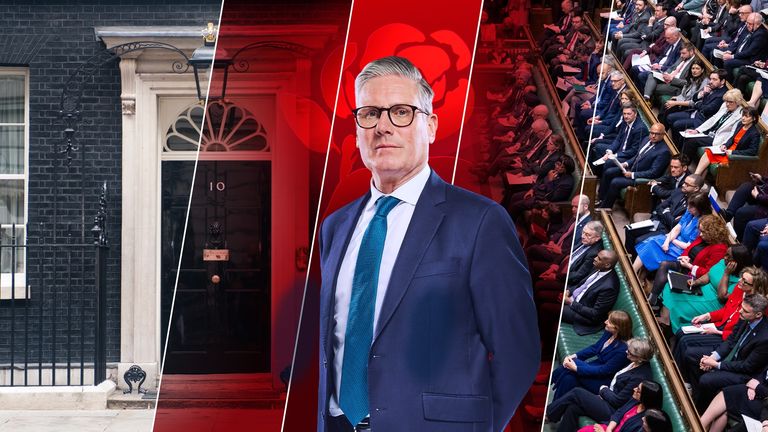
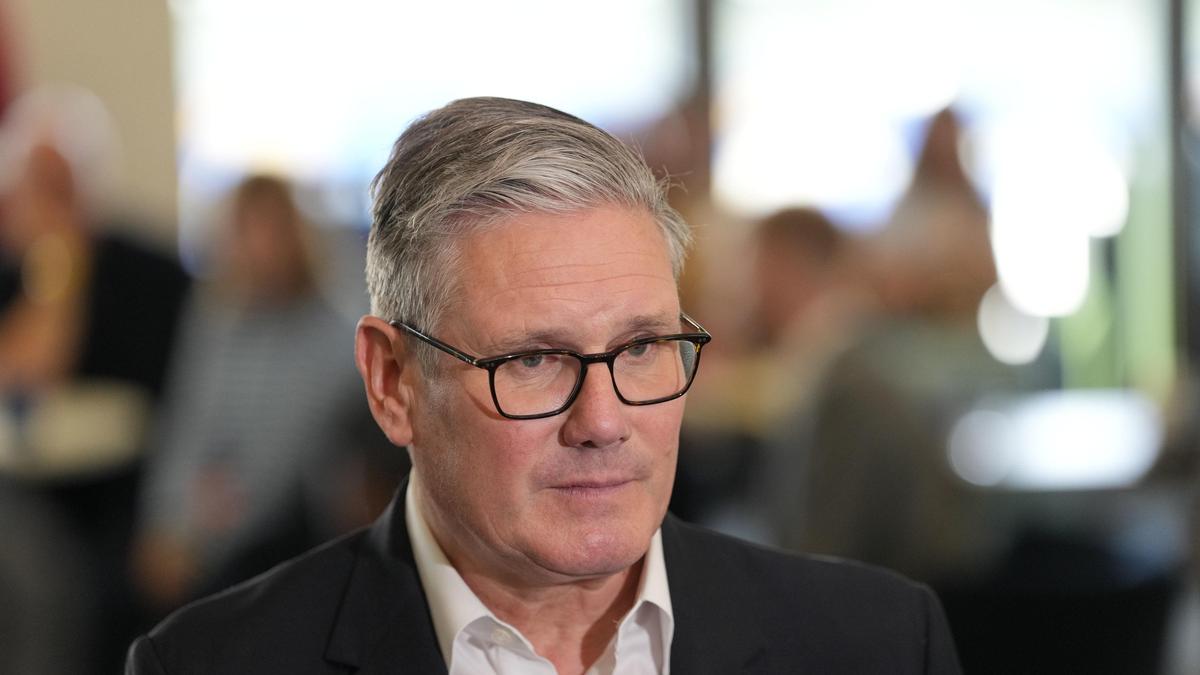
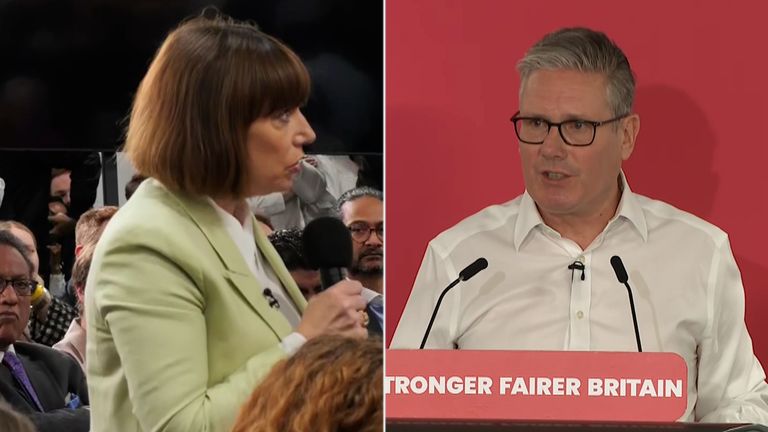
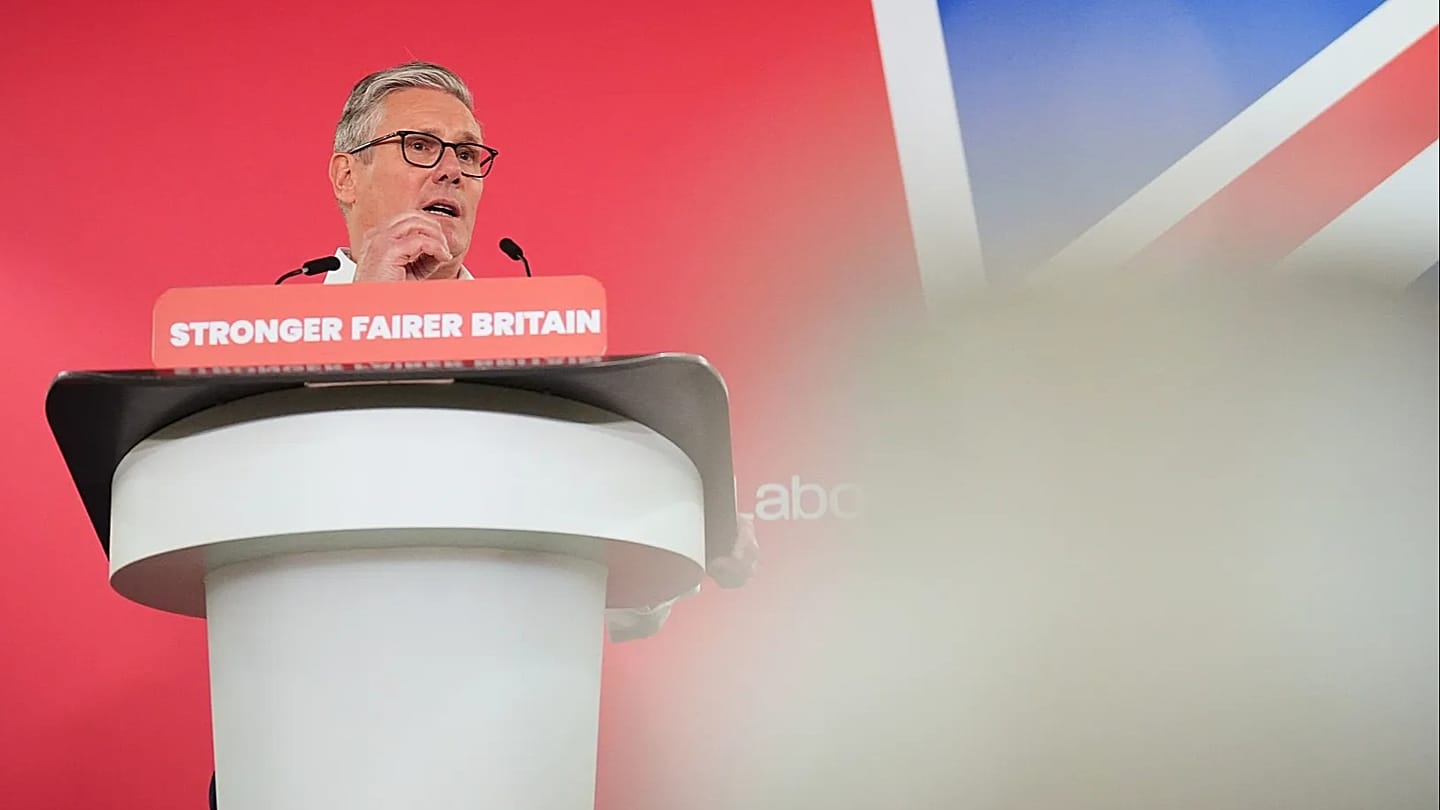
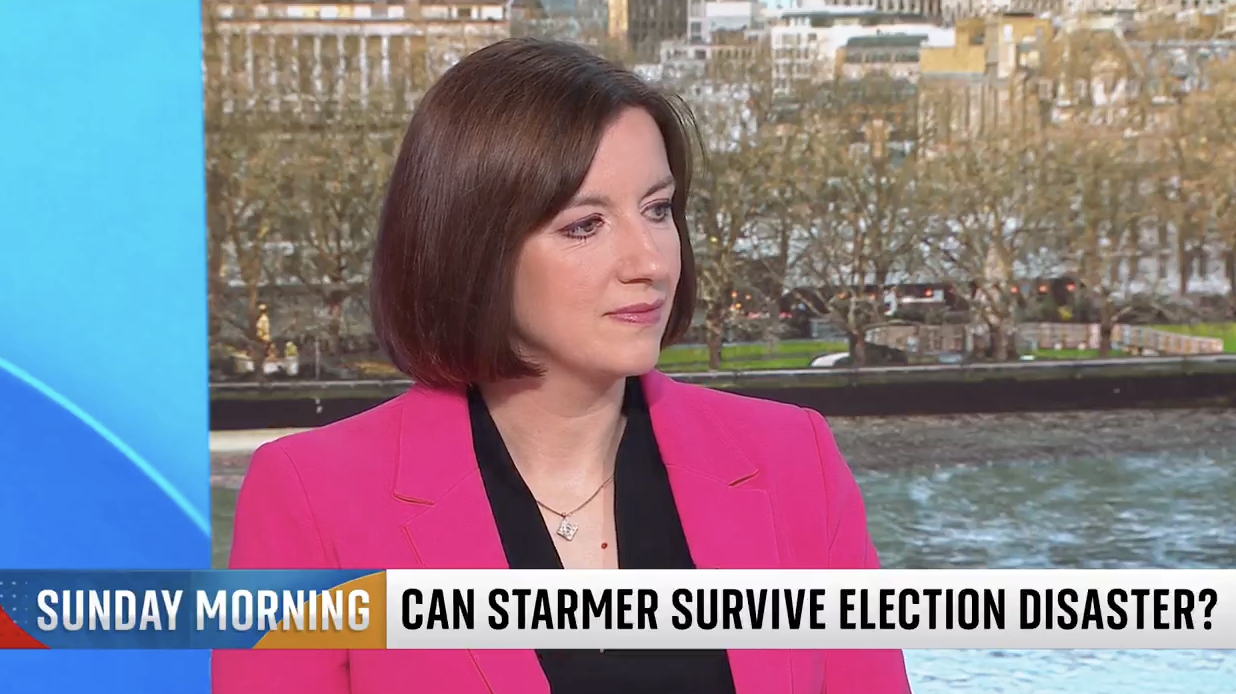
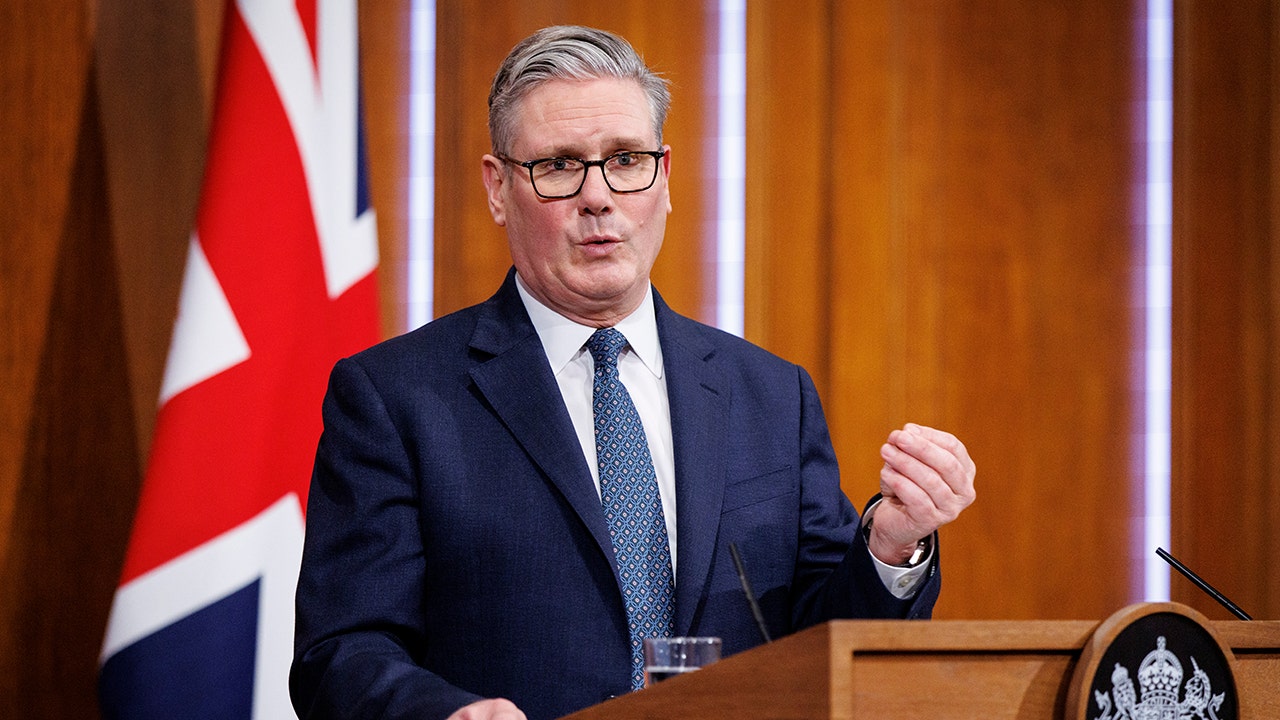
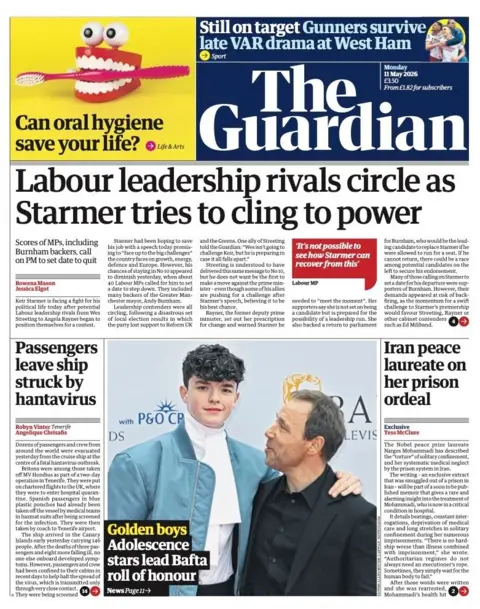
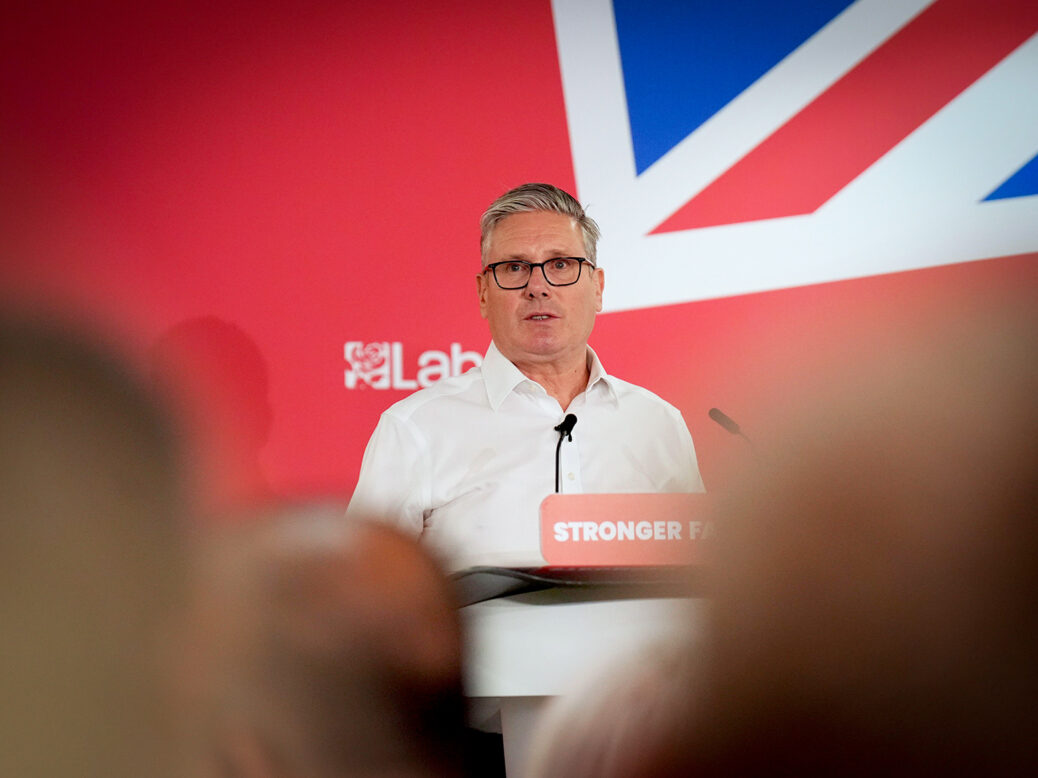
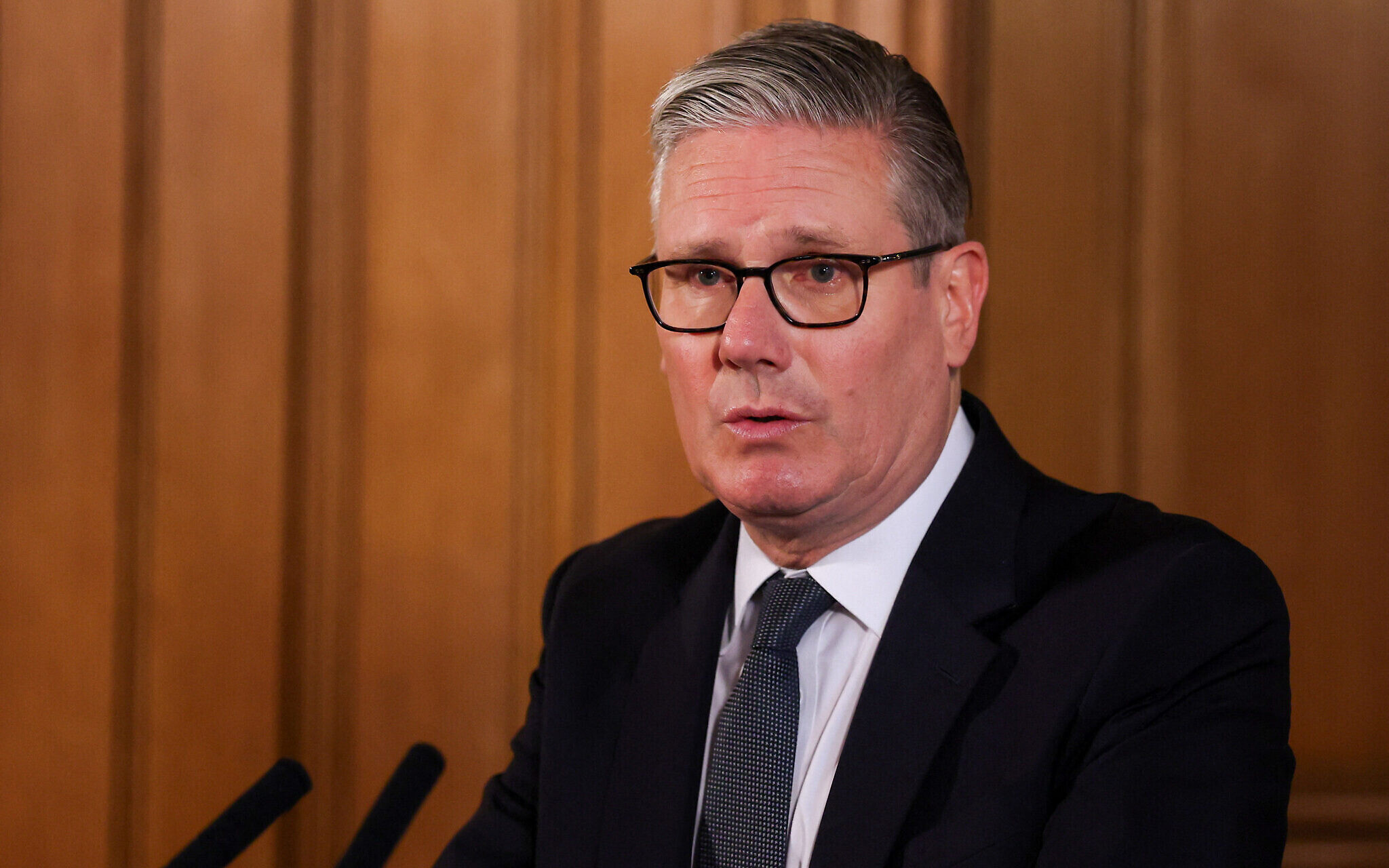
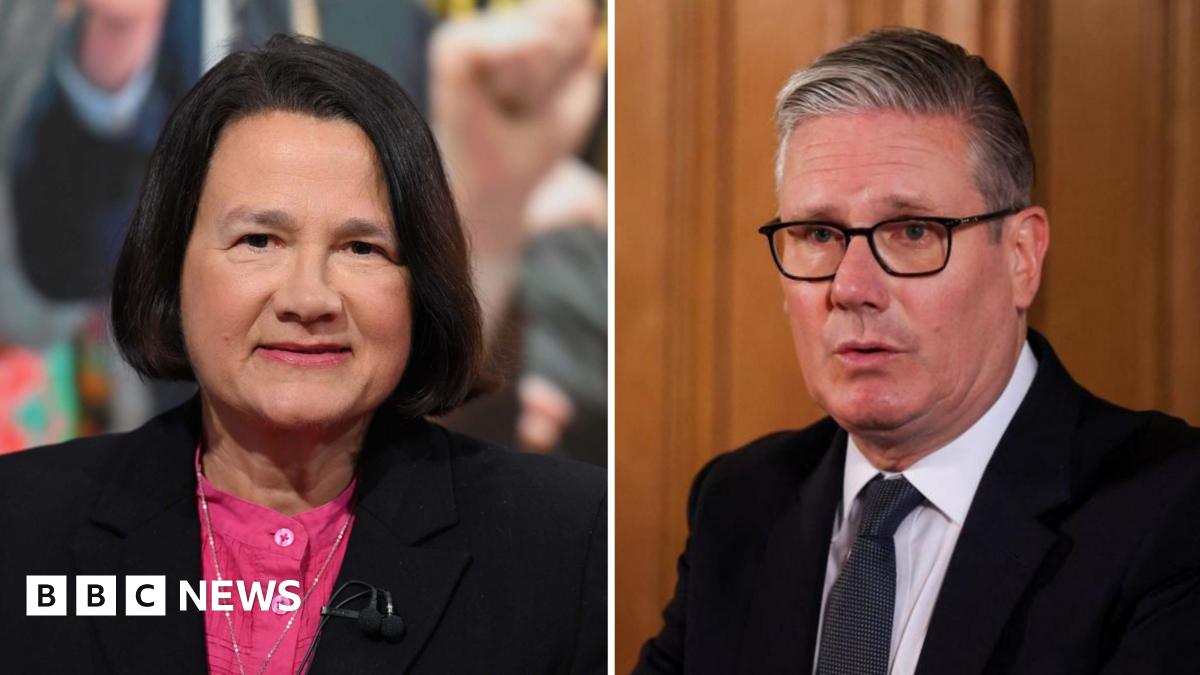
UK political instability following Labour's May 9, 2026 local election losses is creating significant macroeconomic headwinds that directly impact cross-border e-commerce sellers. Prime Minister Keir Starmer faces over 40 MPs calling for his resignation, with 10-year gilt yields rising from 4.904% to 4.98% (4 basis points post-speech), reflecting investor concerns about political uncertainty. The UK now faces the highest borrowing costs among G7 nations, driven by persistent inflation, weak growth, and economic fallout from the Iran war. This political crisis creates three critical operational challenges for cross-border sellers targeting the UK market.
First, currency volatility is accelerating. Political instability typically triggers GBP weakness against USD and EUR. Sellers with UK inventory or customers face 8-15% currency fluctuations, directly compressing margins on products priced in sterling. A seller with £50,000 monthly UK revenue could lose £4,000-7,500 to adverse currency movements during periods of political uncertainty. Rising gilt yields also increase borrowing costs for UK-based 3PL providers and logistics companies, which typically pass these costs to sellers through higher fulfillment fees (estimated 5-8% increases within 60-90 days).
Second, consumer spending patterns are deteriorating. Deputy PM Angela Rayner's call for "immediate household cost reductions" signals government recognition of consumer financial stress. Rising borrowing costs increase mortgage rates and credit card interest, reducing discretionary spending on imported goods. Historical patterns show UK consumer spending drops 3-5% during political crises, particularly affecting non-essential categories (fashion, home décor, electronics). Sellers should expect 10-20% order volume declines in Q2-Q3 2026 for discretionary product categories. Starmer's emphasis on "supporting struggling high streets" suggests potential government intervention favoring domestic retailers, which could disadvantage cross-border sellers competing on price.
Third, trade policy uncertainty is rising. Starmer's commitment to "rebuilding UK-Europe relationships" and "closer EU ties" suggests potential renegotiation of post-Brexit trade terms. While this could eventually improve UK-EU commerce, the transition period creates regulatory uncertainty. Sellers should monitor potential changes to VAT thresholds (currently £150 for imports), customs procedures, and tariff classifications. The political crisis delays policy clarity, leaving sellers unable to optimize supply chains or pricing strategies. Additionally, the Iran war's economic impact on UK inflation suggests energy costs will remain elevated, increasing shipping and logistics expenses for 12-18 months.
Immediate Actions: Monitor GBP/USD and GBP/EUR exchange rates daily; consider hedging strategies for UK-denominated revenue (forward contracts, multi-currency accounts). Review 3PL contracts for cost escalation clauses and renegotiate before Q3 2026. Shift discretionary product inventory to EU/US markets where consumer spending remains stable. Strategic Adjustments: Reduce UK inventory exposure by 20-30% over next 90 days; diversify customer base away from UK-dependent revenue streams. Evaluate alternative logistics providers before cost increases take effect. Risk Mitigation: Set currency loss thresholds (e.g., trigger rebalancing at 5% GBP decline); monitor UK government policy announcements weekly for trade/VAT changes; establish contingency pricing for 10-15% margin compression scenarios.
Questions 8
How does the Iran war economic impact affect UK shipping and logistics costs?
The Iran war is exacerbating UK inflation and energy costs, which directly increase shipping expenses. Energy costs typically rise 15-25% during geopolitical crises, increasing fuel surcharges for logistics providers. UK shipping costs are already 10-15% higher than pre-Brexit levels; additional energy inflation could push increases to 20-30% over 12-18 months. Sellers should lock in shipping rates with 3PL providers for 6-12 months before costs escalate further. Monitor energy price indices (Brent crude, natural gas) weekly; if energy costs spike 20%+, expect logistics fee increases within 30-60 days. Consider air freight alternatives for high-margin products; sea freight will become increasingly expensive as fuel surcharges accumulate.
What contingency pricing should sellers implement for margin compression?
Implement tiered pricing contingencies: (1) 5% GBP decline = increase UK prices 3-4% to offset currency loss; (2) 10% GBP decline = increase prices 6-8% or reduce UK inventory by 25%; (3) 15% GBP decline = shift to EU fulfillment, reduce UK exposure to 10-15% of total revenue. Set automated alerts in pricing tools (Repricing software, Shopify apps) to trigger at these thresholds. Historical data shows UK political crises typically cause 8-15% currency volatility over 60-90 days. Sellers with £50,000+ monthly UK revenue should establish 10-15% margin compression scenarios in financial models. Monitor gilt yields daily; if yields exceed 5.0%, accelerate inventory reallocation and pricing adjustments.