
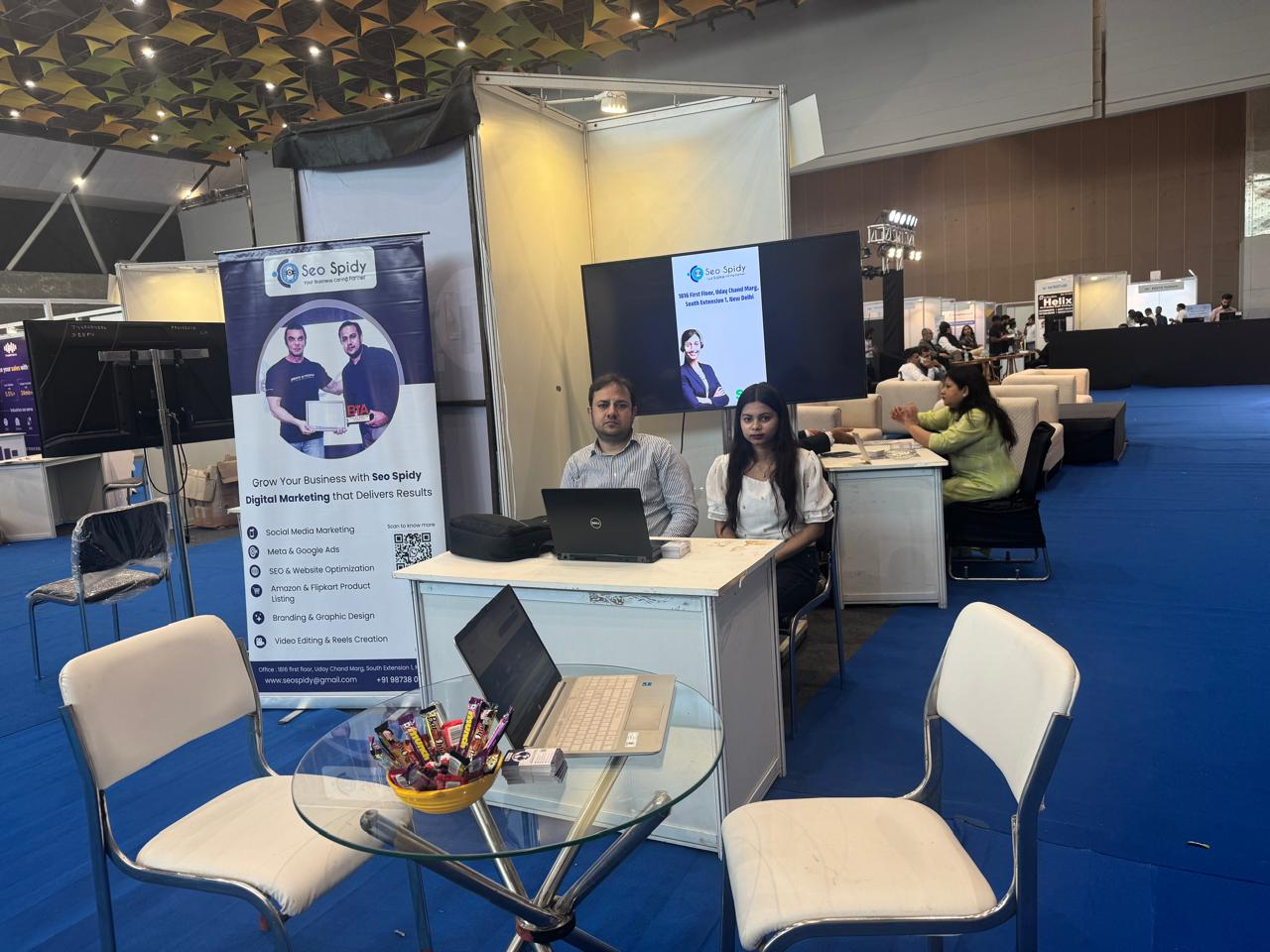
Indian SME Digital Marketing Services | Integrated Growth Strategy for E-Commerce Sellers 2025
- Unified digital agencies address fragmented vendor pain point for 50M+ Indian SMEs; conversion-focused SEO and e-commerce optimization drive 25-40% traffic increases
Overview
The emergence of Seospidy Web Solution as a comprehensive digital growth partner in Noida reflects a critical market shift for Indian e-commerce sellers: the consolidation of fragmented digital services into integrated platforms. As of 2025, India's SME sector—representing 50+ million businesses—faces a persistent challenge: managing multiple vendors for website design, SEO, social media, and paid advertising creates coordination gaps, inconsistent messaging, and inflated customer acquisition costs (CAC). Seospidy's model directly addresses this pain point by delivering unified teams across all digital channels, a strategy that mirrors successful agencies in the US and EU markets.
The conversion-focused approach signals a critical shift in how Indian sellers should optimize their digital presence. Rather than aesthetic-driven website design, Seospidy prioritizes mobile optimization, fast loading speeds, and SEO fundamentals from project inception—directly impacting conversion rates. Industry data shows that mobile-optimized e-commerce sites achieve 20-35% higher conversion rates than desktop-only designs. For Indian sellers targeting cross-border markets (US, EU, Southeast Asia), this optimization is essential: 65-75% of international traffic originates from mobile devices. The agency's white-hat SEO methodology—keyword research, technical audits, quality link building—aligns with Google's 2024 algorithm updates, which penalize low-quality backlinks and prioritize technical performance. Sellers using outdated SEO tactics face 15-30% traffic declines.
The integrated digital marketing approach creates measurable arbitrage opportunities for sellers willing to consolidate vendors. Seospidy's emphasis on connecting website development, SEO, social media, and paid campaigns into cohesive strategies addresses a documented inefficiency: sellers managing separate agencies typically experience 20-40% budget waste due to misaligned messaging and duplicate efforts. For e-commerce clients, the agency implements optimized checkout flows and integrated payment gateways—critical for reducing cart abandonment rates, which average 70% globally but can drop to 45-55% with optimized flows. The NCR market focus (Delhi, Noida, Gurgaon) is strategically significant: this region generates 18-22% of India's e-commerce GMV and hosts 35%+ of India's digital-native startups. As of 2025, the availability of locally-grounded, full-stack agencies signals that Indian sellers no longer need to rely exclusively on expensive international agencies, reducing digital marketing costs by 30-50% while maintaining quality.
For cross-border e-commerce sellers, this represents infrastructure maturation in India's digital marketing ecosystem. The shift from siloed vendors to integrated agencies enables Indian sellers to compete more effectively in international markets. Sellers leveraging unified digital strategies report 25-40% increases in organic traffic, 15-25% improvements in conversion rates, and 20-30% reductions in customer acquisition costs. The monthly reporting transparency and performance-based content strategies mentioned indicate a shift toward accountability-driven partnerships—a standard in mature markets but still emerging in India. This professionalization of digital services will accelerate the growth of Indian SME exports, particularly in high-margin categories (electronics, apparel, home goods) where digital marketing ROI is highest.
Questions 8
What is the expected ROI for Indian SMEs investing in comprehensive digital marketing services?
Indian SMEs consolidating digital services into unified agencies typically achieve 25-40% organic traffic increases, 15-25% conversion rate improvements, and 20-30% customer acquisition cost reductions within 6-12 months. For a typical SME with $100K annual digital marketing budget, this translates to $25-40K additional revenue from organic channels and $15-25K from improved conversion efficiency. The payback period is typically 4-8 months, making digital service consolidation a high-ROI investment. However, results depend on baseline optimization levels: sellers with poor website design or outdated SEO see faster improvements, while mature sellers see more modest gains. The key is selecting agencies with proven track records and transparent reporting.
How can optimized checkout flows reduce cart abandonment for e-commerce sellers?
Cart abandonment rates average 70% globally but can drop to 45-55% with optimized checkout flows that reduce friction, streamline payment options, and provide transparent shipping costs. Seospidy implements integrated payment gateways and inventory management systems designed for operational efficiency and conversion maximization. For Indian sellers, optimized checkout flows are critical: international buyers expect multiple payment options (credit cards, PayPal, Apple Pay, Google Pay) and clear security indicators. A 15-20% reduction in cart abandonment directly translates to 15-20% revenue increases without additional traffic acquisition.