



AI's Electricity Dilemma: When Computational Ambition Meets Grid Limitations
- Emerging power infrastructure challenges threaten AI's exponential growth trajectory






















Overview
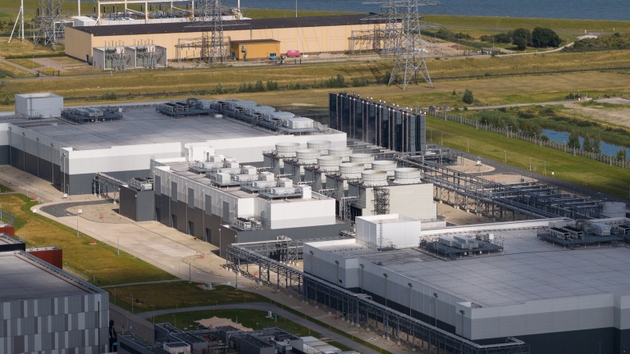
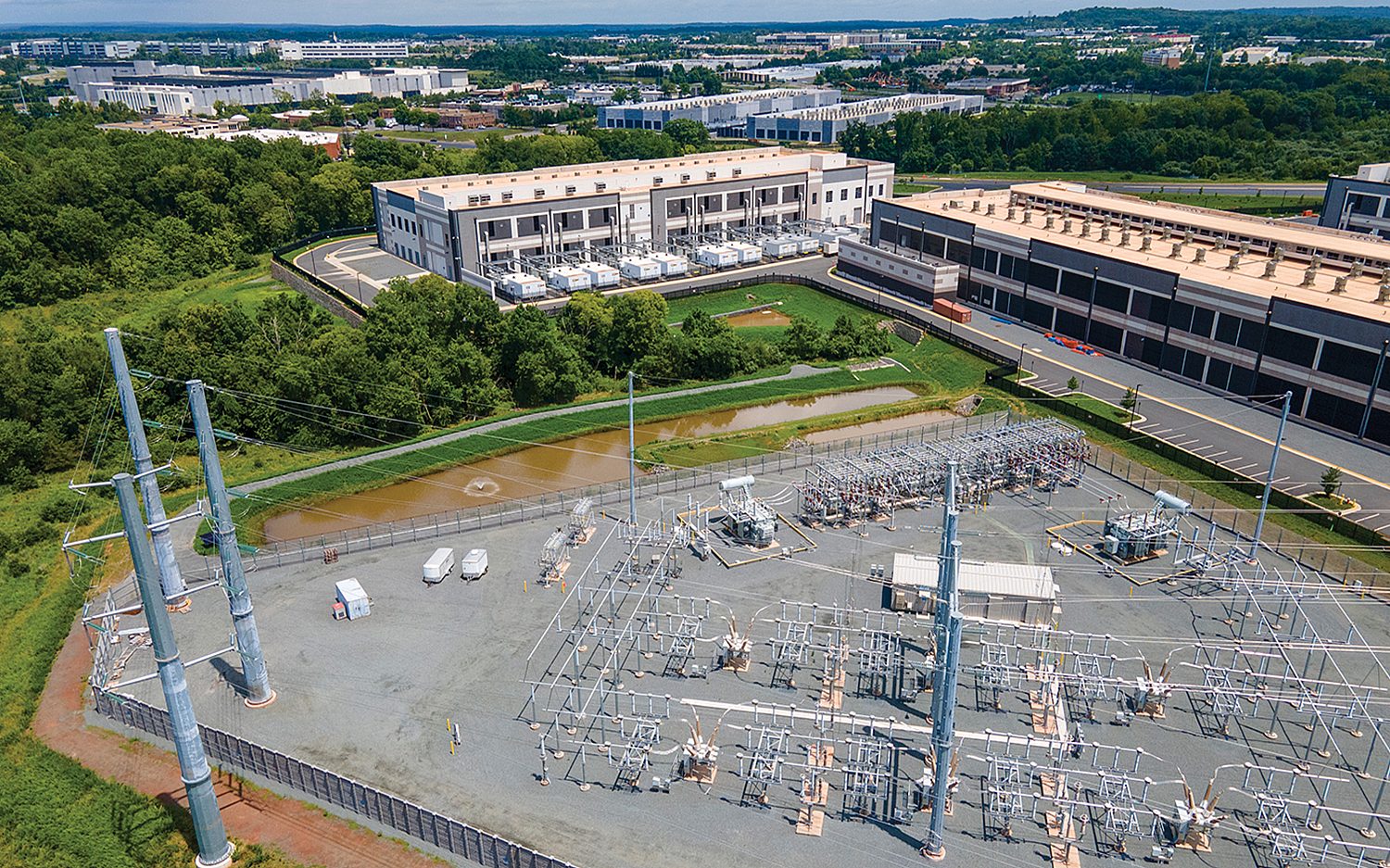
The convergence of artificial intelligence and electrical infrastructure reveals a critical inflection point where technological ambition confronts fundamental resource constraints. In 2024, data centers are consuming electricity at an unprecedented scale—183 terrawatt-hours, equivalent to an entire nation's energy consumption—highlighting a profound technological paradox where computational efficiency paradoxically drives massive energy demand.
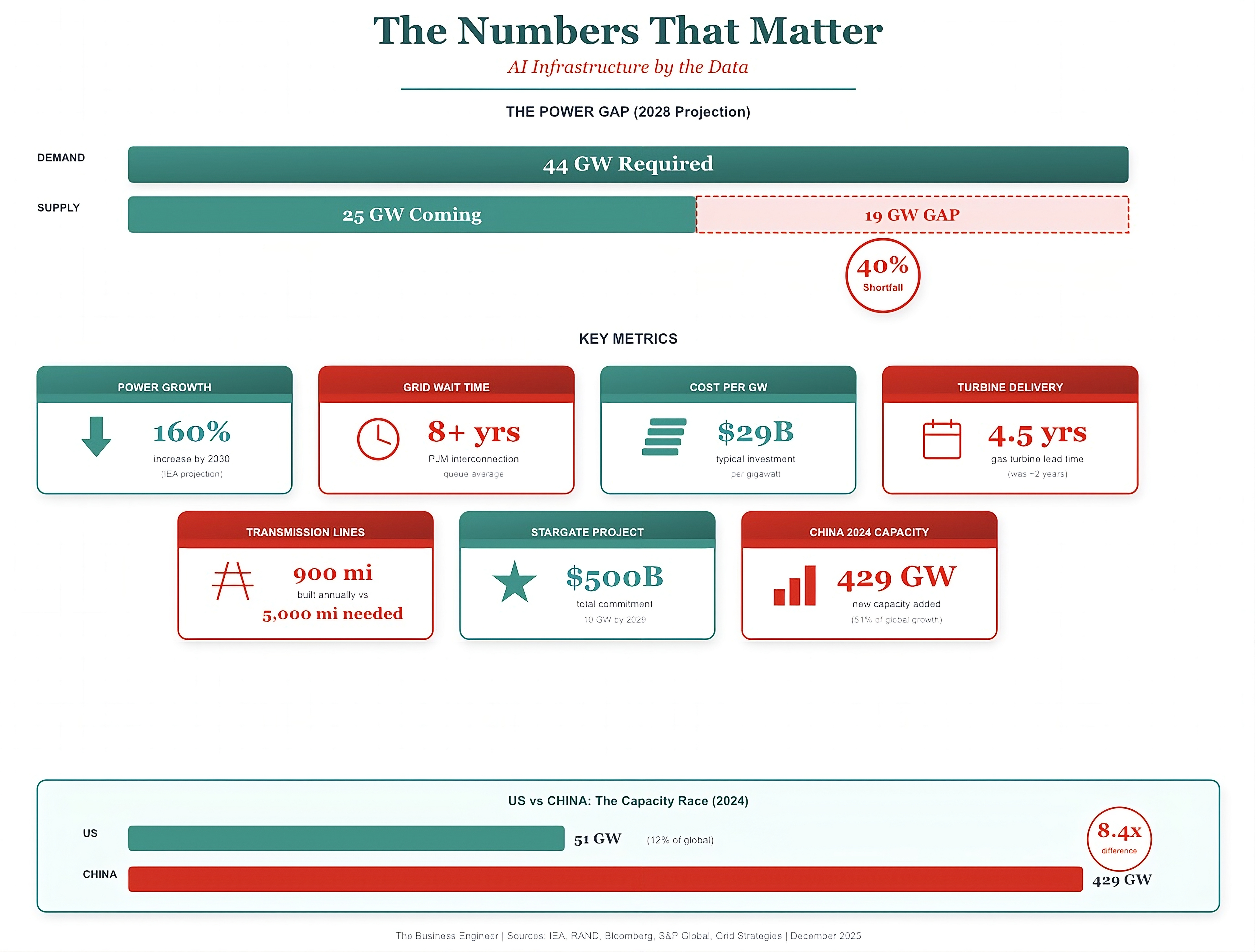
Computational infrastructure now faces a fundamental temporal mismatch: digital expansion operates on product development timelines, while power systems move at a glacial regulatory and infrastructure pace. Data centers can be constructed in 18-24 months, but generating new power capacity and transmission lines requires 7-10 years—creating a potentially catastrophic planning gap for AI development.
The electricity challenge represents more than an infrastructure problem; it's a strategic inflection point for technological innovation. Projections from the International Energy Agency suggest global data center demand could double by 2030, with Deloitte estimating U.S. AI-specific data center capacity growing from 4 to 123 gigawatts in just a few years. This exponential growth triggers a complex risk allocation challenge: Who bears the financial burden of this infrastructure transformation—utilities, data center operators, or existing ratepayers?
Innovative regulatory approaches are emerging to address this challenge. States like Missouri are developing mechanisms where large electricity consumers generate revenue that's partially returned to other ratepayers, creating a more balanced investment strategy. Ohio has implemented a 'demand ratchet' mechanism ensuring data centers maintain consistent electricity billing, while Kentucky is conditionally approving new natural gas generators.
The fundamental economic principle underlying this challenge echoes economist William Stanley Jevons' 1865 observation: Technological efficiency paradoxically increases resource consumption. In the AI context, more efficient computation makes additional computational applications economically viable, driving an seemingly insatiable electricity demand that threatens to outpace infrastructure development.
Industry leaders like Nvidia's Jensen Huang, Google's Sundar Pichai, and OpenAI's Sam Altman now explicitly acknowledge electricity availability as a critical constraint for AI's future—transforming energy infrastructure from a background concern to a strategic bottleneck for technological progress.
Questions 3
Why are data centers creating such significant electricity demand challenges?
Data centers, particularly those supporting AI, are consuming electricity at unprecedented rates. In 2024, they consumed 183 terrawatt-hours—equivalent to an entire country's energy consumption. The rapid computational requirements of AI, driven by GPU technologies, create exponential electricity needs that far outpace traditional infrastructure development timelines.
What are the long-term implications of this electricity infrastructure challenge for AI development?
The electricity infrastructure challenge could become a critical bottleneck for AI development. With projections showing data center capacity potentially growing from 4 to 123 gigawatts in just a few years, the mismatch between rapid digital expansion and slow power system development threatens to constrain technological progress, forcing a strategic rethinking of computational resource allocation.