





The Rising Threat of Porch Piracy: E-Commerce's Last-Mile Security Crisis
- Emerging technological vulnerabilities transforming online shopping security landscape





















Overview
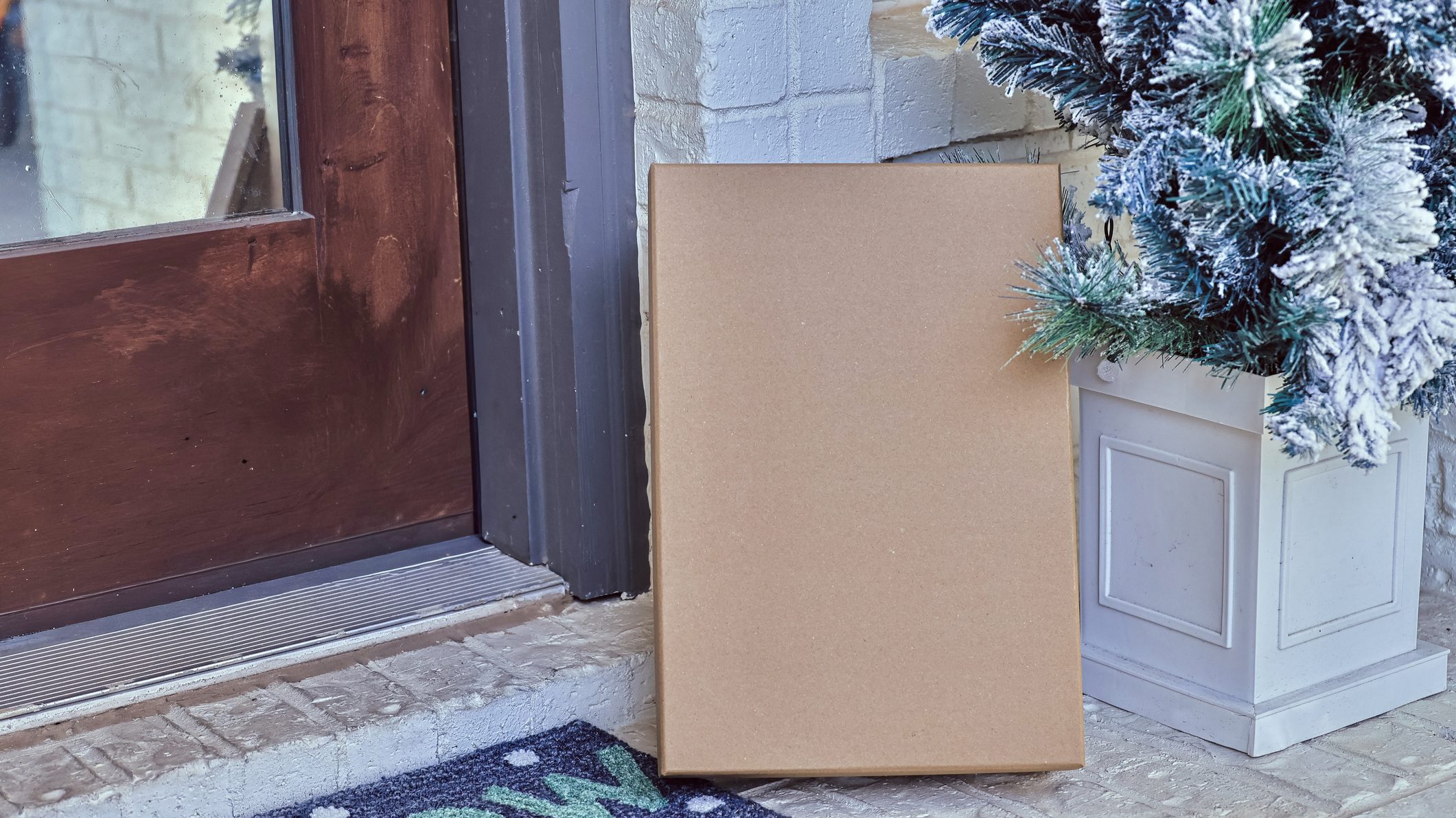
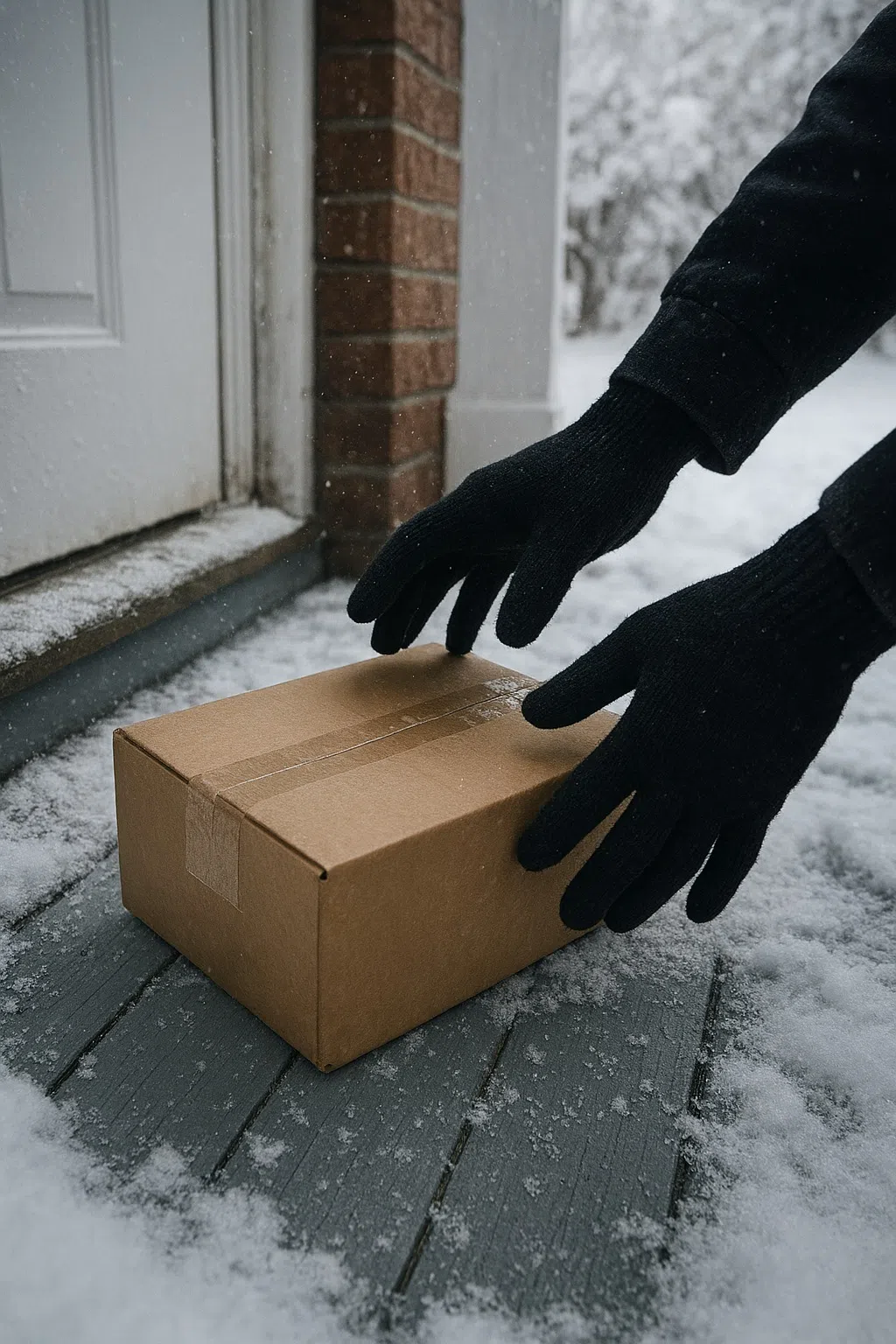
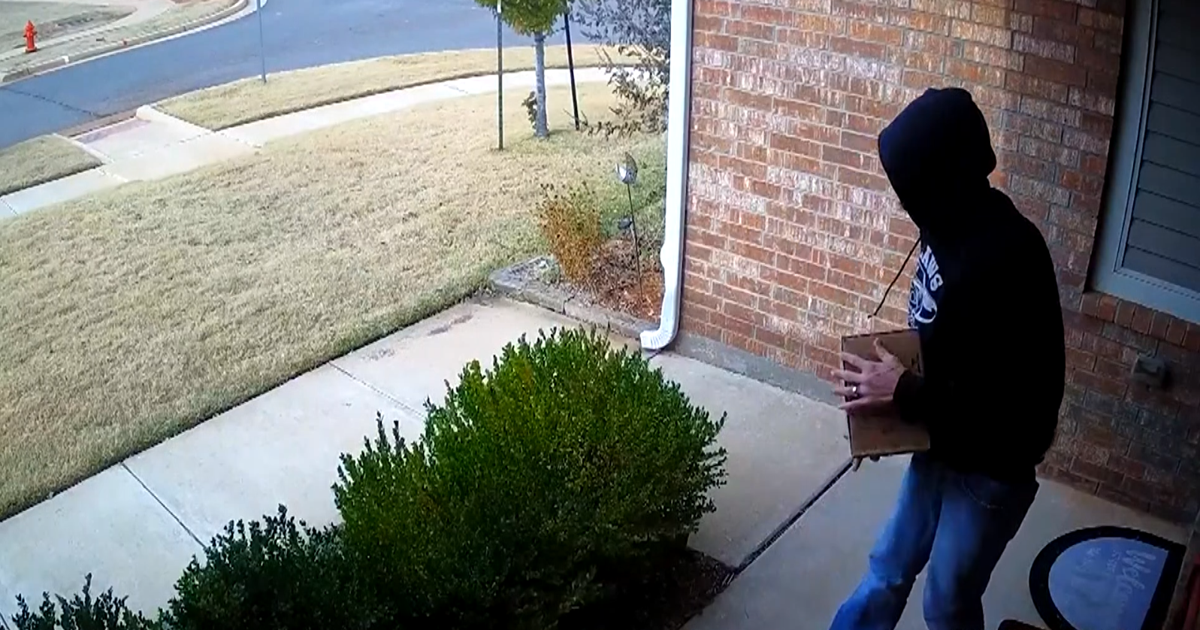
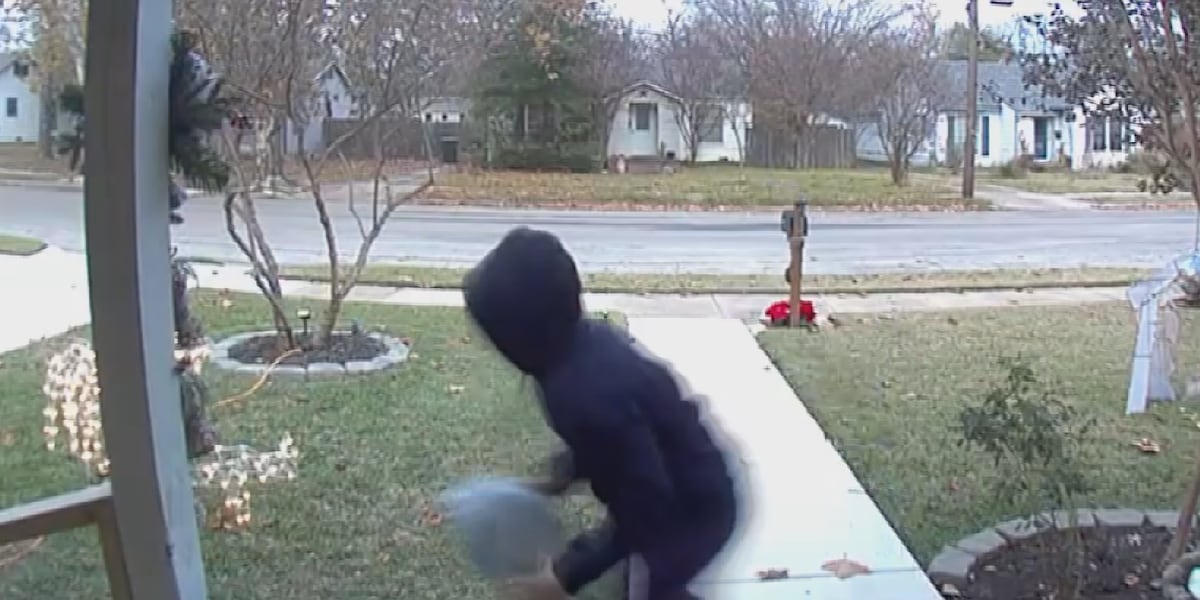
The holiday shopping season has unveiled a critical vulnerability in e-commerce infrastructure: package theft has transformed from a minor nuisance into a sophisticated criminal enterprise. Across multiple urban centers, from Sherman, Texas to Milwaukee, criminals are exploiting the last-mile delivery ecosystem with increasingly brazen tactics.
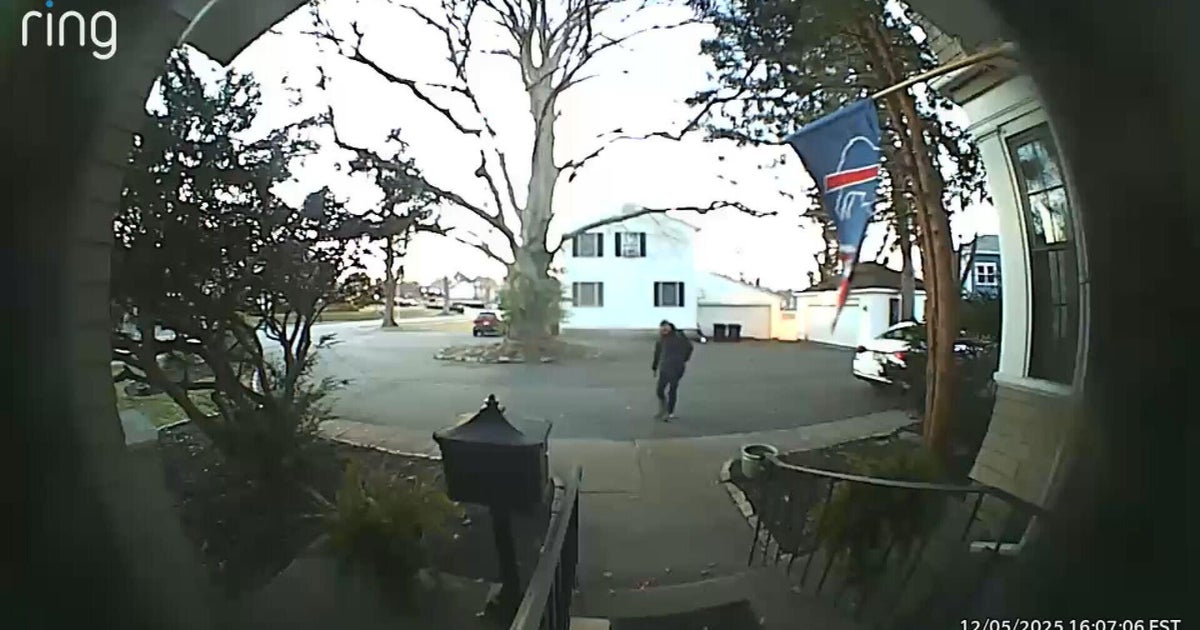
Porch piracy has escalated from opportunistic theft to a systematic problem, with the Better Business Bureau estimating a staggering $8.2 billion in stolen online orders last year. What makes this trend particularly alarming is the technological sophistication of modern package thieves. Cybersecurity expert Craig Petronella reveals that criminals are now using advanced techniques like Wi-Fi jammers to disable security cameras, rendering traditional video surveillance ineffective.
The technological arms race in package security is rapidly evolving. While doorbell cameras initially seemed like a deterrent, criminals have developed signal-jamming technologies that can neutralize these protective measures. This represents a fundamental shift in e-commerce logistics, where the final delivery moment has become the most vulnerable point in the entire transaction chain.
For online retailers and consumers, this emerging threat demands a multi-layered approach to security. Amazon and other platforms are already responding by offering alternative delivery options like lockers, garage delivery, and real-time tracking. However, the core challenge remains: how to secure packages in an increasingly complex urban delivery environment.
The implications extend beyond mere financial loss. As Dwight Bailey and Christopher Cousineau from Milwaukee highlight, these thefts carry an emotional toll, with stolen packages often containing irreplaceable personal items. This human dimension transforms package theft from a purely economic issue to a deeply personal violation of consumer trust.
Critically, this trend exposes a systemic vulnerability in the current e-commerce model. As online shopping continues to grow, the last-mile delivery process represents the most fragile link in the entire supply chain. Retailers, technology companies, and law enforcement must collaborate to develop more robust, technologically sophisticated solutions that can outpace criminal innovation.
Questions 4
How are e-commerce platforms responding to package theft?
Companies like Amazon are proactively offering solutions such as real-time package tracking, hidden drop-off locations, and alternative delivery options like garage delivery. They are also investing in more robust tracking technologies and exploring secure delivery alternatives.
What can consumers do to protect their packages?
Recommended strategies include using alternative delivery methods like Amazon lockers, workplace deliveries, or garage drop-offs. Consumers should also invest in wired security cameras, use RFID-blocking technology, and consider tracking packages in real-time to minimize theft risks.