





Digital Asset Protection Failures | 155GB Leak Exposes Supply Chain Vulnerabilities for E-Commerce Sellers
- Platform encryption failures enable 9-day pre-release piracy; 20%+ revenue loss documented; sellers managing digital distribution face critical compliance gaps



































Overview
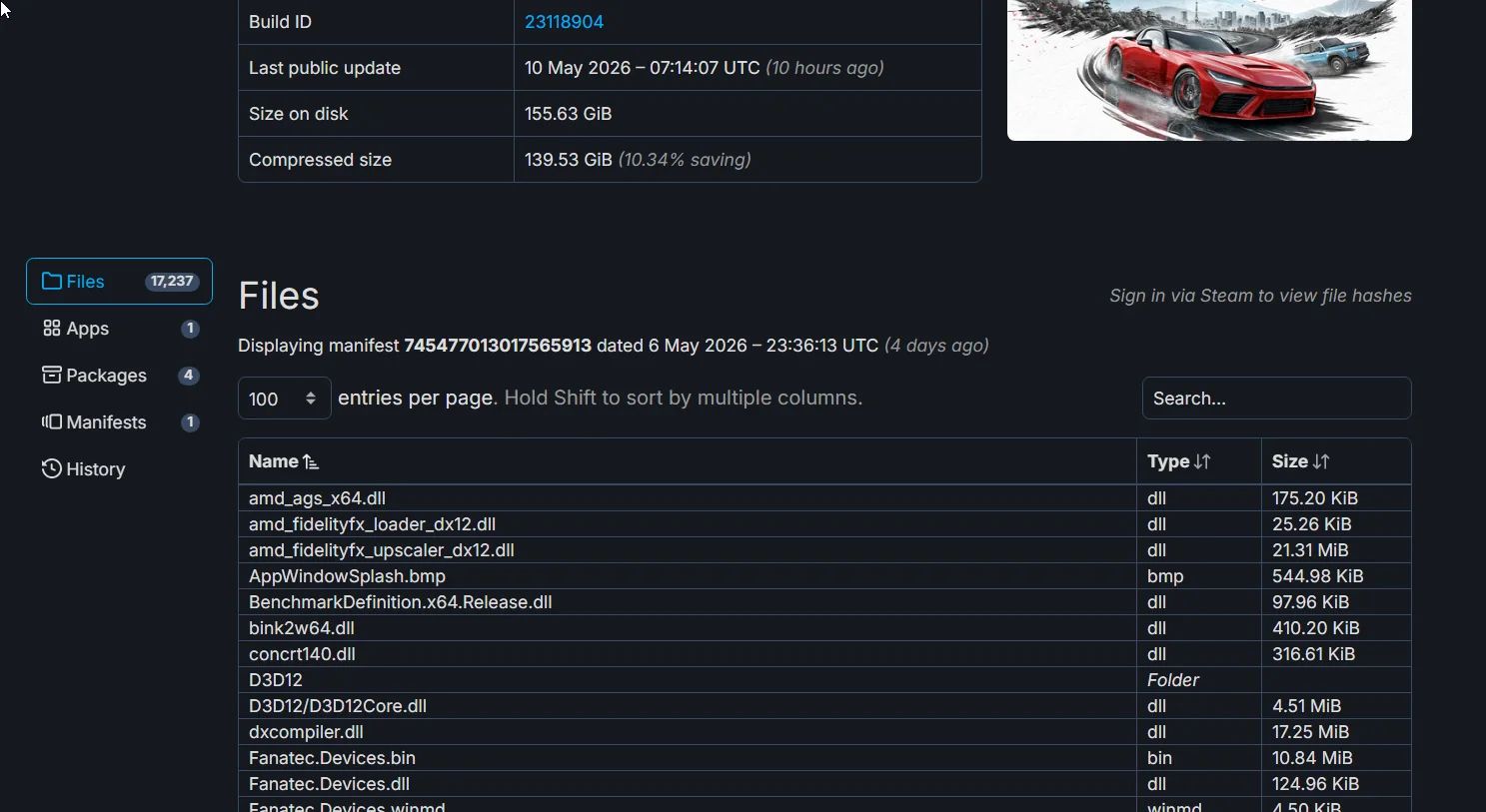
The Forza Horizon 6 security breach represents a critical compliance failure in digital asset protection that directly impacts e-commerce sellers managing digital goods distribution. Microsoft's accidental release of 155GB of unencrypted preload files on Steam—occurring 9 days before the May 19 official launch—demonstrates how platform errors cascade into widespread piracy affecting global revenue streams. The unencrypted files were immediately detected across social media (X, Reddit, CrackWatch communities) and distributed to piracy sites within hours, enabling players to access the complete game more than a week early. Industry data from a 2024 Denuvo study shows games experiencing first-week cracks suffer an average 20% revenue reduction; pre-release breaches likely exceed this threshold substantially. Microsoft's enforcement response—banning users with 69.8-billion-hour penalties (until December 31, 9999)—demonstrates zero-tolerance IP protection but came after damage was already widespread.
For digital goods sellers, this incident exposes three critical compliance vulnerabilities. First, encryption protocol failures: Steam's standard preload system requires encrypted downloads with decryption keys released only at launch. Microsoft's simultaneous release of both unencrypted files and decryption keys bypassed this protection entirely—a procedural error that sellers managing large file uploads across multiple regions must prevent through automated security checks. Second, pre-release security audits are inadequate: The breach occurred during a routine preload window, suggesting insufficient verification protocols before public distribution. Sellers relying on platforms like Steam, Epic Games Store, or GOG must implement mandatory human verification steps before any file release, particularly for high-value digital products. Third, social media monitoring gaps: The leak spread across Reddit, X, and CrackWatch communities within hours, yet Microsoft's damage control (removing Reddit threads) occurred after widespread distribution. Sellers need real-time piracy tracking systems monitoring social platforms and piracy communities for early detection and rapid response.
The regulatory and competitive implications are substantial. Similar incidents with Death Stranding 2 (March 2024) indicate systemic vulnerabilities in Steam's preload infrastructure, suggesting platform-level policy changes may be imminent. Sellers should anticipate stricter encryption requirements, extended verification timelines (potentially adding 5-7 days to preload schedules), and mandatory security audits before release approval. The incident also creates compliance service opportunities: demand for encryption validation tools, pre-release security audit services, and piracy monitoring platforms will surge as publishers implement defensive measures. For sellers in gaming, software, and digital media categories, this breach establishes precedent for enforcement severity—the extreme ban duration signals publishers' commitment to protecting IP through account termination, not just content removal. Sellers must now budget for enhanced security infrastructure, compliance documentation, and rapid-response protocols when managing digital product launches across multiple platforms and regions.
Questions 8
What are the fastest compliance paths for sellers launching digital products on Steam and similar platforms?
The fastest path involves: (1) Pre-audit encryption with third-party validation ($500-2,000 per product), (2) Staggered file release architecture separating unencrypted uploads from decryption key distribution (adds 3-5 days), (3) Automated security scanning comparing uploaded files against baseline signatures (available through services like Synopsys, Veracode at $1,000-5,000 monthly), and (4) Real-time piracy monitoring through services like MUSO or Crimson Hexagon ($2,000-10,000 monthly). Total compliance cost ranges from $3,500-17,000 per product launch, with timeline of 15-25 days. Sellers can reduce costs by 40-50% by implementing internal verification protocols rather than third-party audits, but this increases operational risk.
How should sellers monitor for piracy and respond to breaches like the Forza incident?
The Forza breach spread across Reddit, X, CrackWatch, and piracy sites within hours—Microsoft's damage control (removing Reddit threads) occurred too late. Sellers should implement: (1) Automated social media monitoring tracking mentions of their product + piracy keywords (tools: Brandwatch, Sprout Social, $500-2,000 monthly), (2) CrackWatch community monitoring for copy protection status updates, (3) Piracy site scanning through services like MUSO or Crimson Hexagon detecting unauthorized distribution, (4) Rapid response protocols with documented escalation paths to platform support within 2-4 hours of detection. The Forza incident shows that even with enforcement, revenue damage is substantial—prevention through encryption and pre-release security is more cost-effective than post-breach response.