






Israel's Territorial Expansion Sparks Geopolitical Powder Keg in West Bank
- Controversial Settlement Plan Reveals Deep Fractures in Israeli Political Landscape














Overview
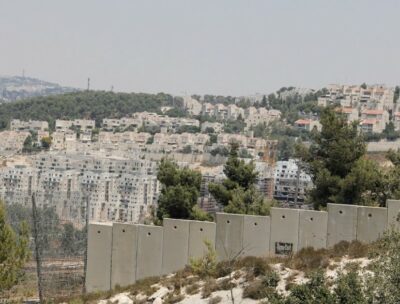
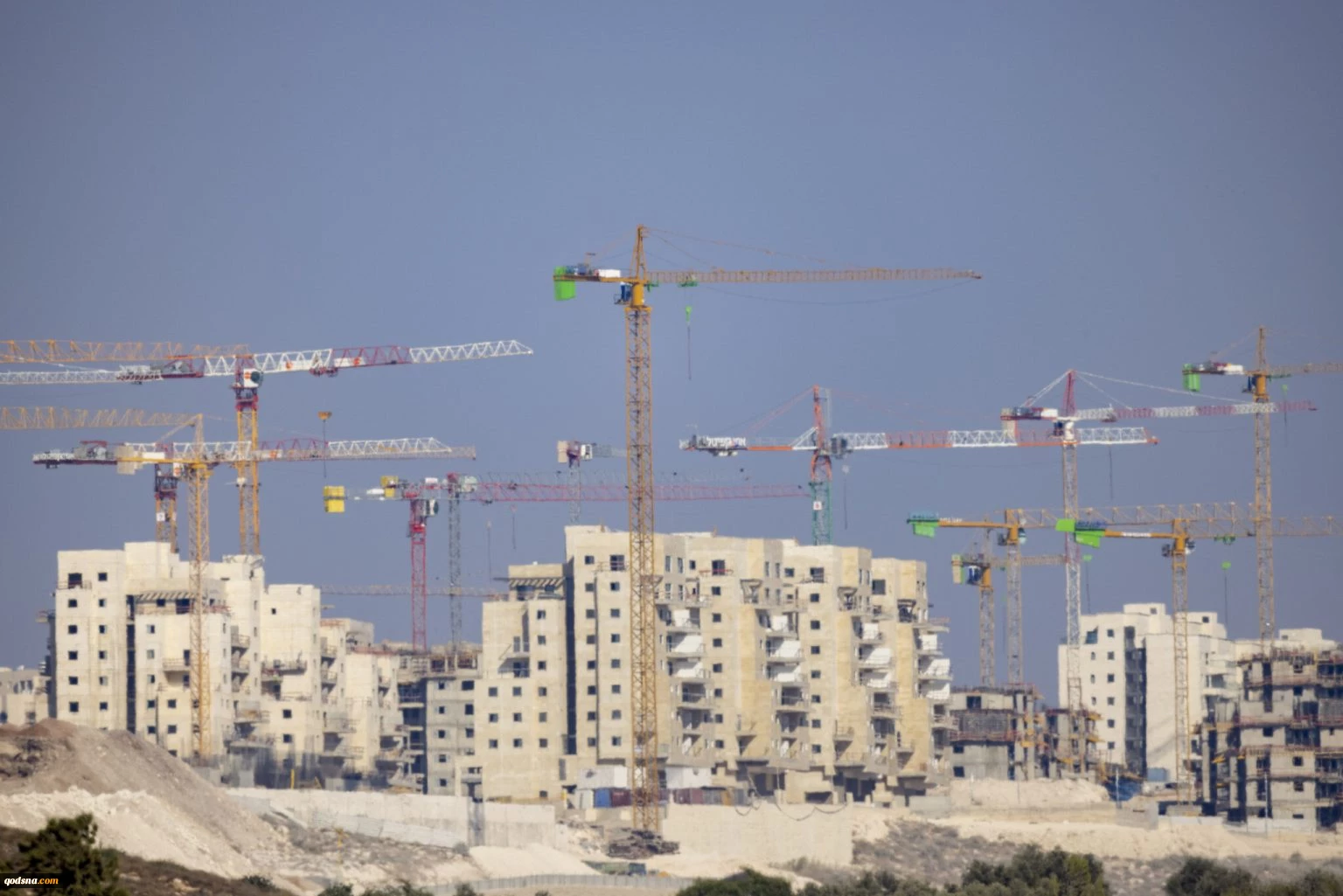
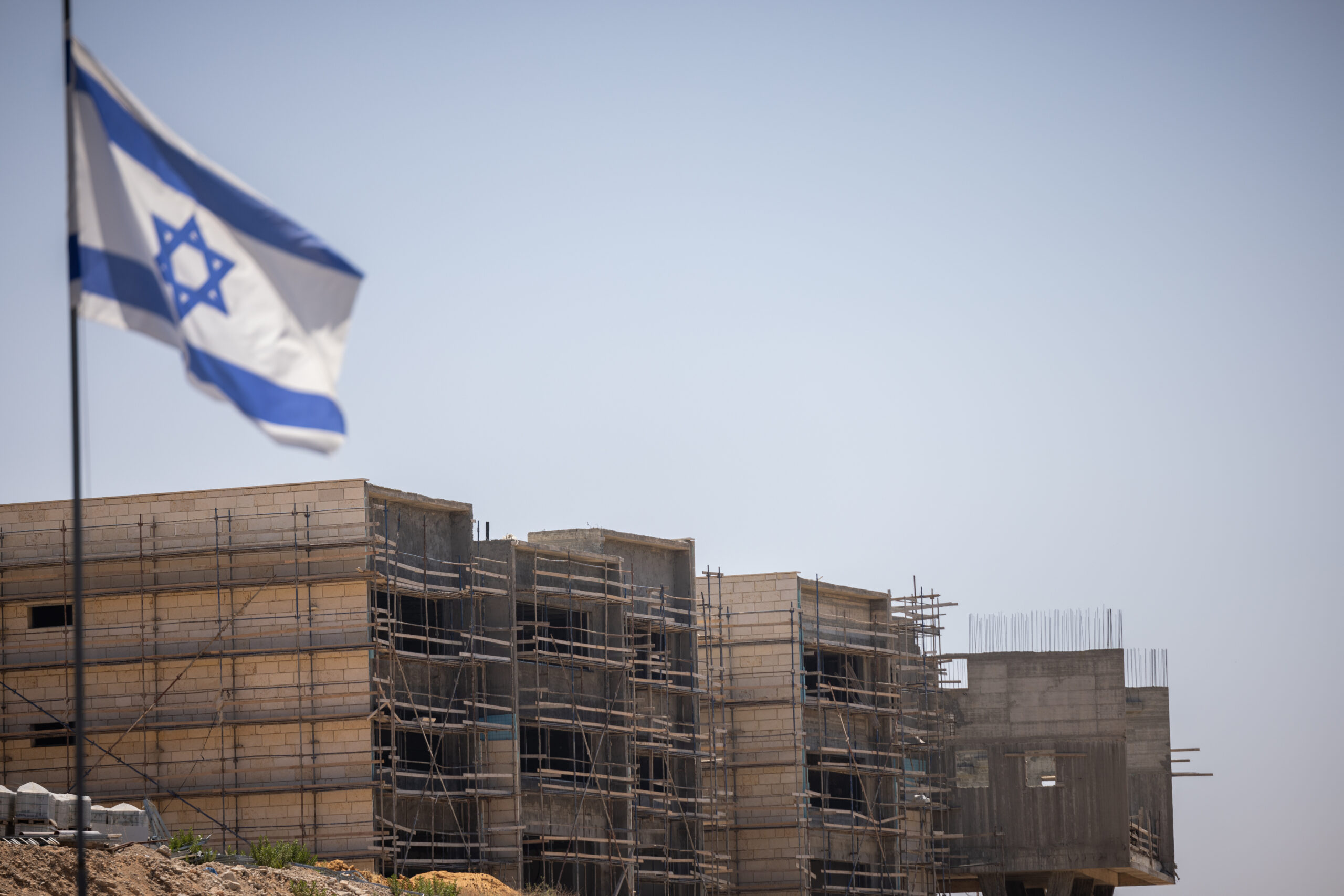
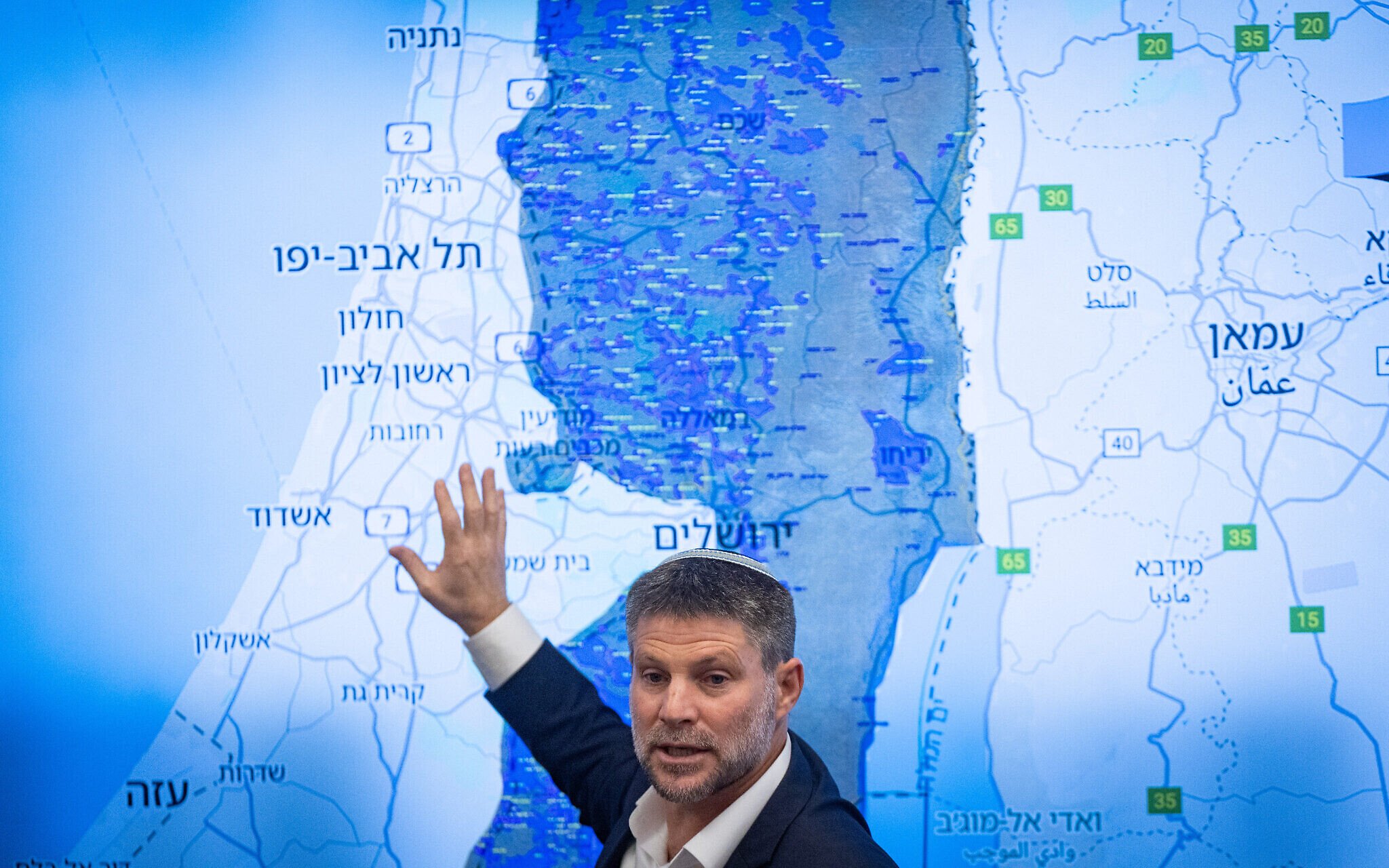
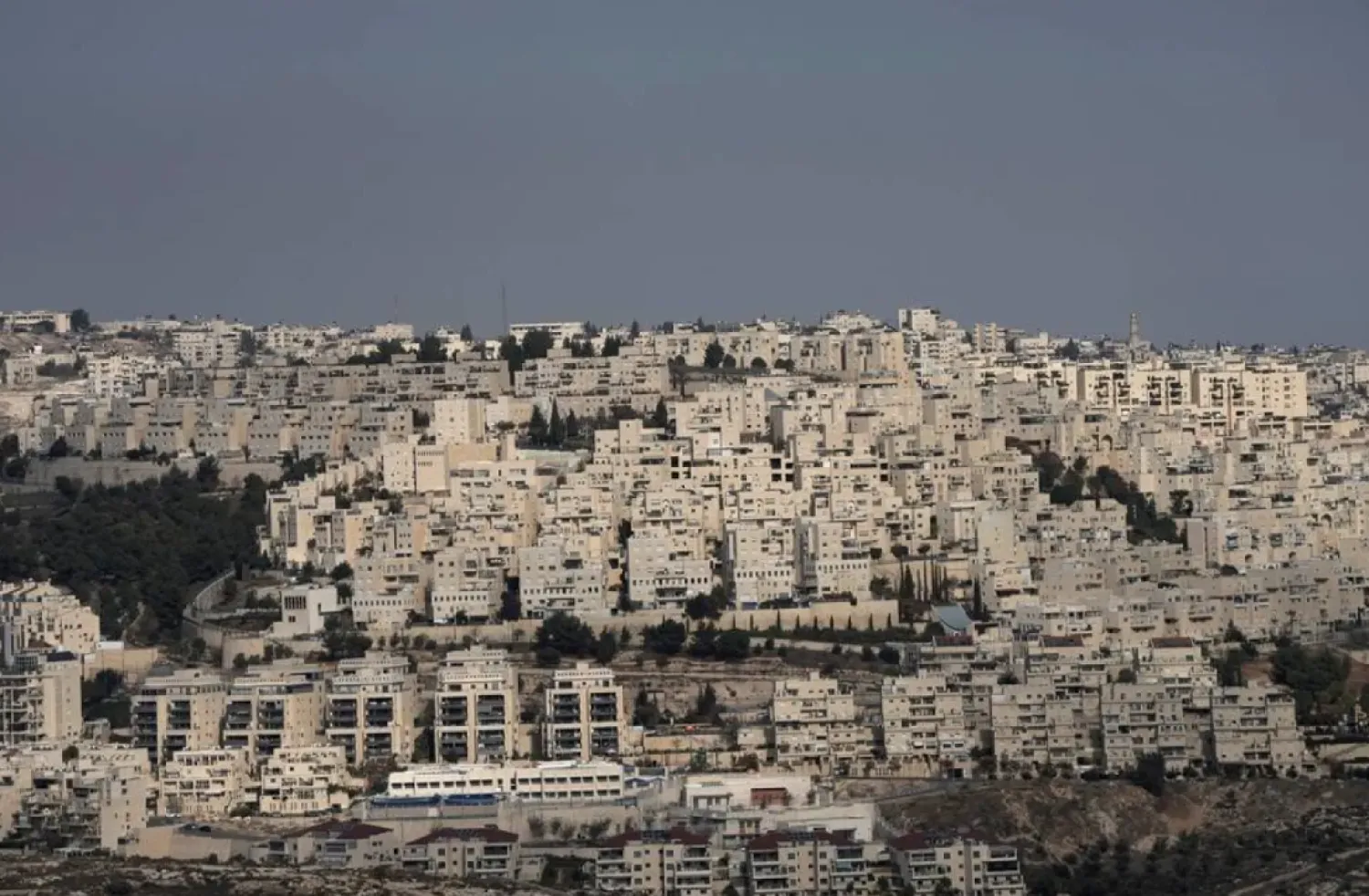
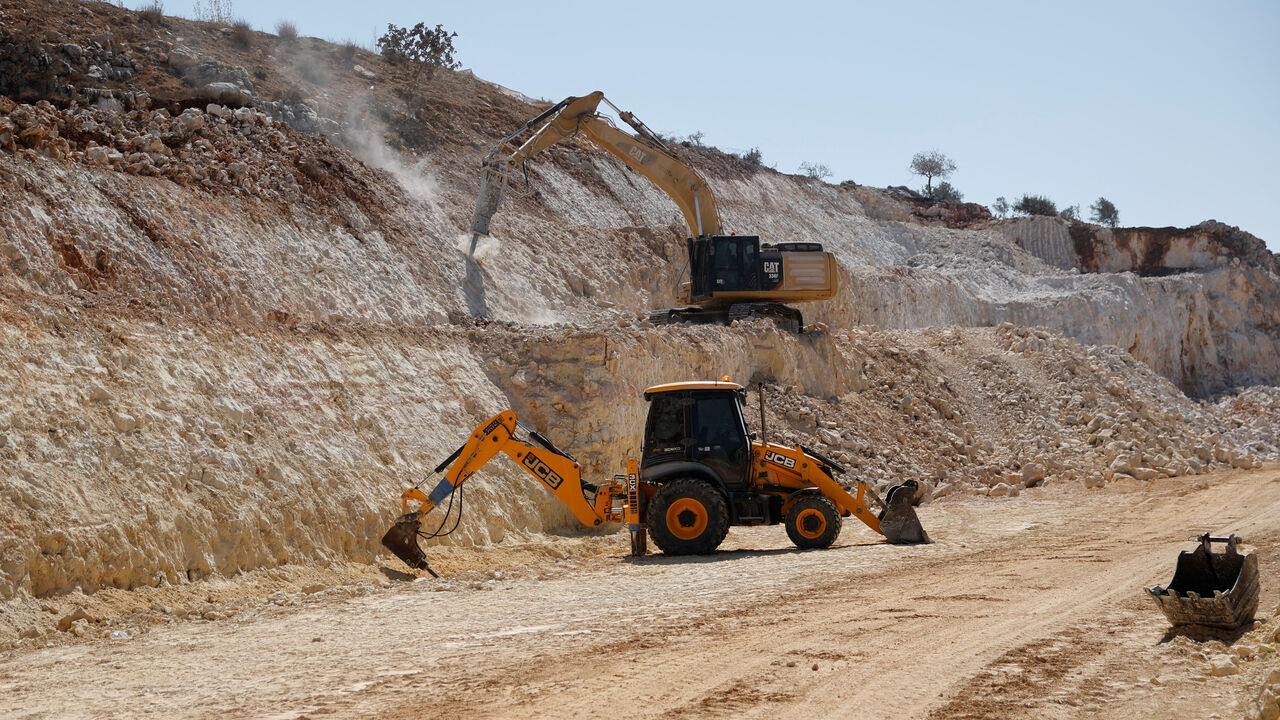
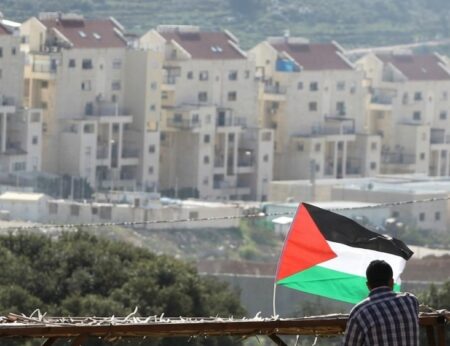
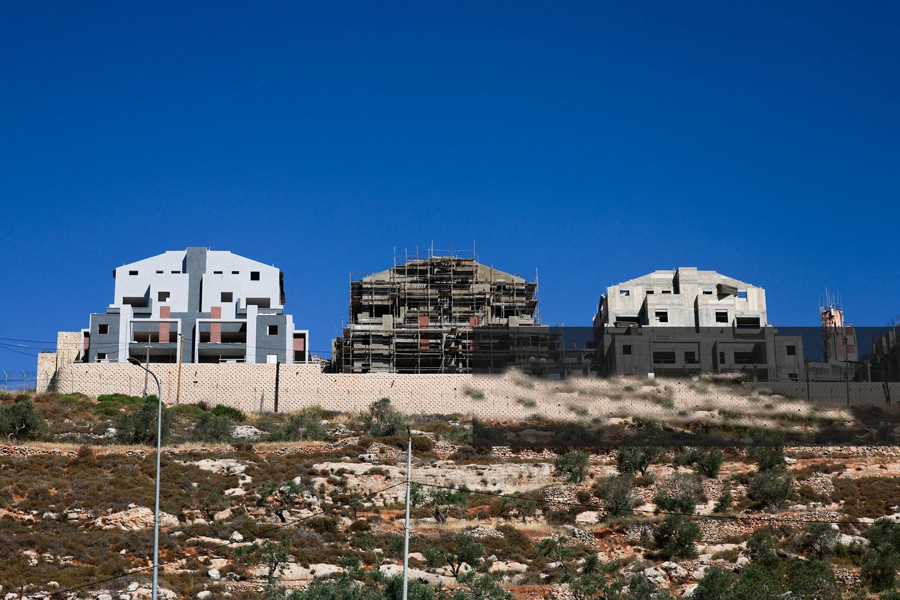
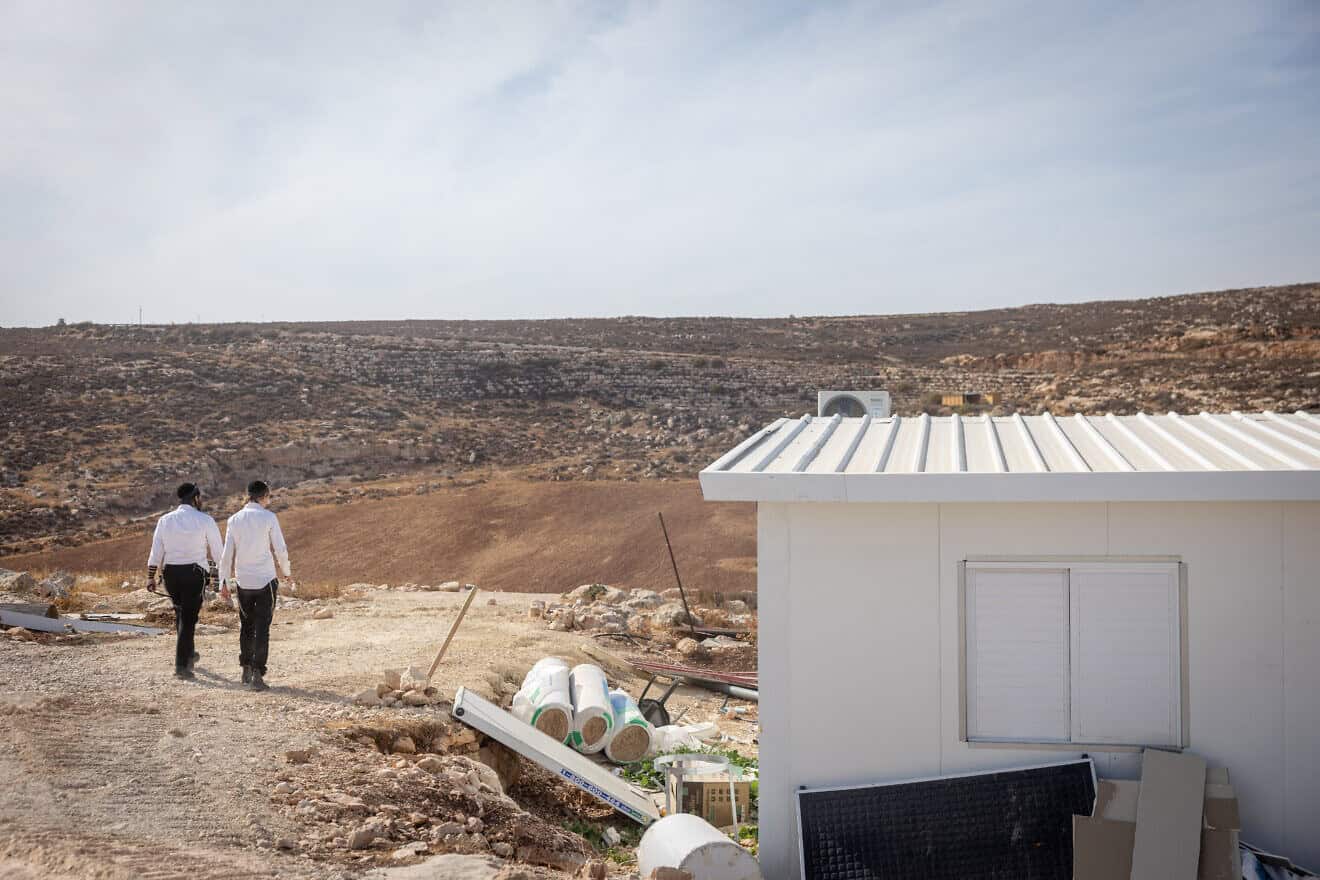
The Israeli government's recent approval of 19 new settler outposts represents a pivotal moment in the ongoing territorial conflict with Palestinians, exposing deep strategic and political fault lines. This calculated expansion goes far beyond mere land acquisition—it's a deliberate geopolitical maneuver that fundamentally challenges the potential for a two-state solution.
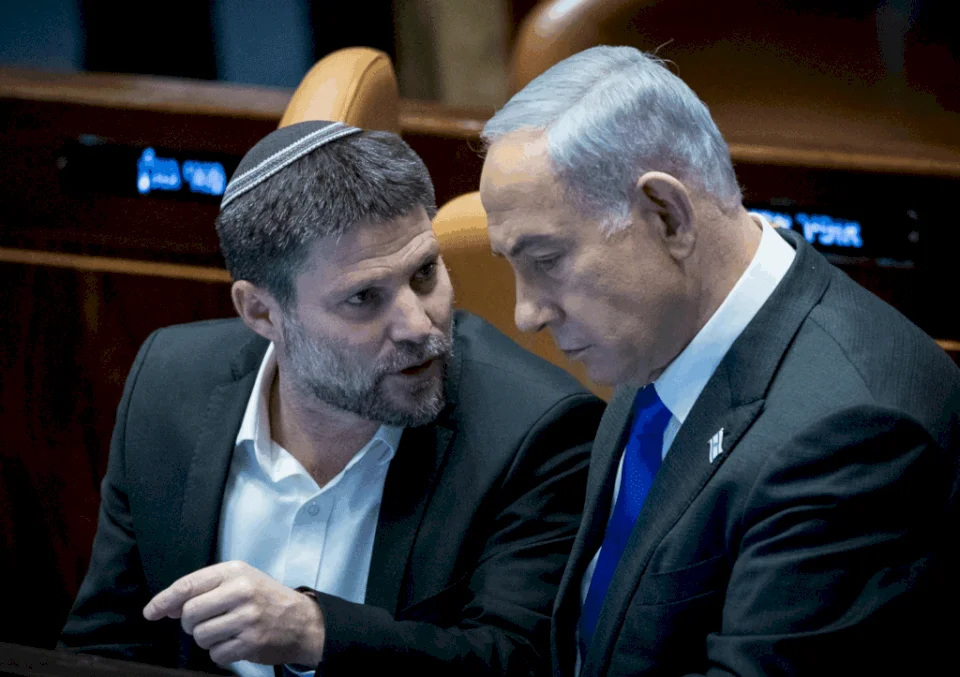
The settlement plan, championed by far-right politicians like Bezalel Smotrich, reveals a complex political calculus. Despite NIS 2.7 billion allocated for infrastructure and legalization, public opinion shows significant internal resistance. A recent poll indicates 46% of Israelis oppose the plan, suggesting growing domestic skepticism about aggressive territorial strategies.
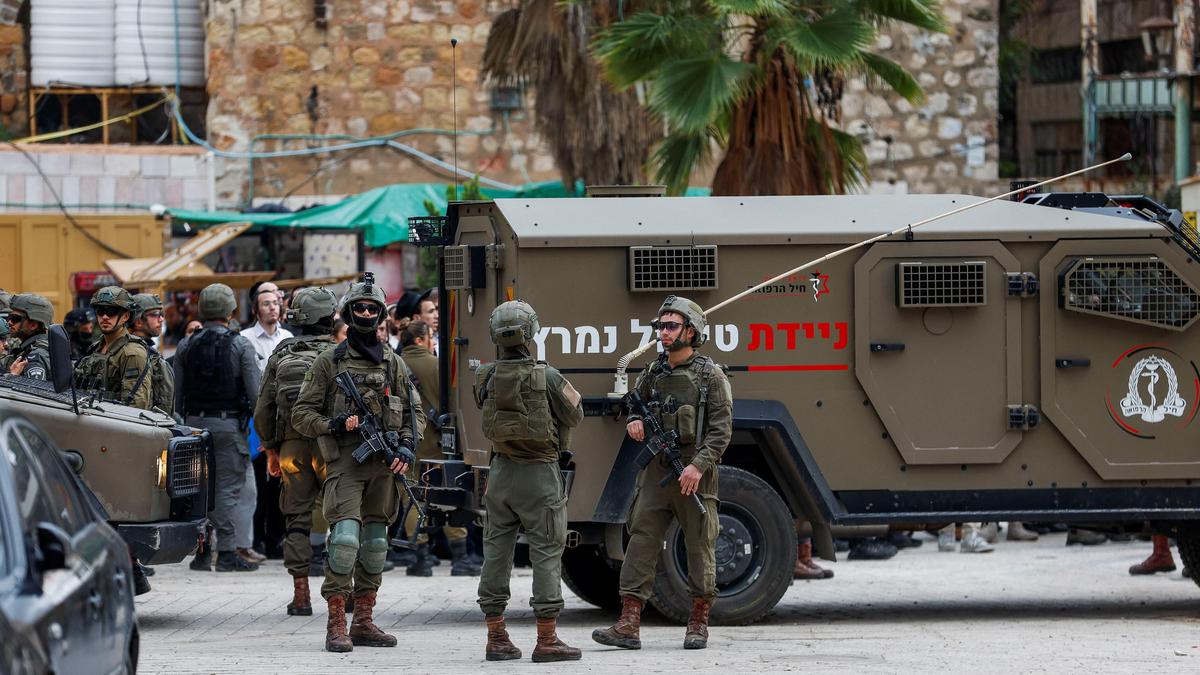
The geopolitical implications are profound. UN humanitarian data paints a stark picture of escalating violence: over 1,700 settler attacks have been recorded this year, averaging five assaults daily across more than 270 communities. More critically, more than 1,000 Palestinians have been forcibly displaced from Area C, which comprises roughly 60% of the West Bank under full Israeli military control.
This expansion strategy represents what Palestinian officials describe as systematic "demographic engineering." By approving settlements in locations previously evacuated—including two outposts from the 2005 disengagement plan—the Israeli government is effectively creating irreversible territorial facts on the ground. The Nahala movement's celebration of these approvals underscores the ideological drive behind this expansion.
Internationally, the move is viewed as a direct challenge to diplomatic norms. While the settlements are considered illegal under international frameworks, they enjoy widespread acceptance across Israel's political spectrum. This creates a dangerous precedent that could further destabilize regional dynamics and potentially foreclose diplomatic pathways to peaceful resolution.
The current political landscape adds another layer of complexity. With the governing coalition securing only 52 seats—short of the 61-seat majority—and the anti-Netanyahu bloc holding 55 seats, these settlement decisions emerge from a fragmented and volatile political environment. This suggests that territorial expansion might be a strategy to consolidate political support among right-wing factions.
Questions 3
How do Israelis themselves view these settlement expansions?
Public opinion is deeply divided. A recent poll shows 46% of Israelis oppose the settlement plan, compared to 39% supporting it. This suggests significant internal skepticism about the aggressive territorial strategy, indicating that the settlement expansion is not a unanimously supported policy within Israeli society.
Why are these new settlements significant beyond territorial expansion?
These settlements represent a strategic attempt to create irreversible territorial facts that fundamentally undermine the possibility of a future Palestinian state. By expanding into areas previously evacuated and deep within the West Bank, the Israeli government is effectively changing the geographic and political landscape in a way that makes a two-state solution increasingly unlikely.