
Reese's Law Battery Safety Compliance | Critical Seller Liability Elimination Strategy
- Enforcement began March 2024; sellers stocking non-compliant battery products face regulatory liability across US, Australia, and upcoming EU markets
Overview
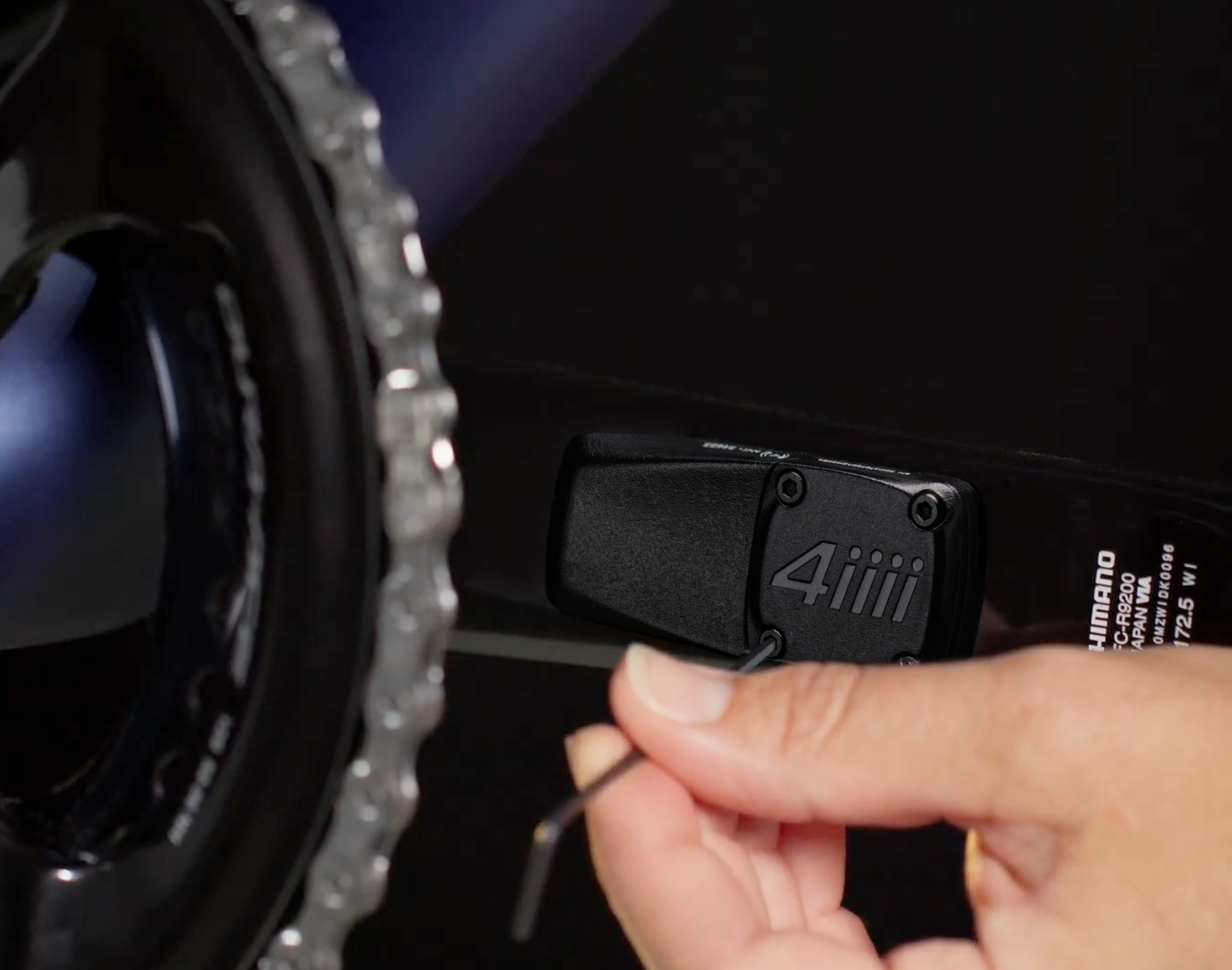
Reese's Law represents a critical compliance inflection point for e-commerce sellers handling products with button and coin cell batteries. Enacted in 2022 with enforcement beginning March 2024, this U.S. legislation establishes stringent safety requirements for battery enclosures on consumer products to protect children from accidental ingestion. The law's scope extends far beyond cycling power meters—affecting smartwatches, fitness trackers, hearing aids, remote controls, LED lights, and any consumer electronics containing button/coin cells. 4iiii Innovations' May 2026 announcement of full product-line compliance demonstrates the competitive moat created by early regulatory adoption: sellers stocking compliant products eliminate regulatory liability concerns when selling across U.S. and global markets, while non-compliant inventory faces removal risk.
The compliance barrier creates significant market winnowing. Reese's Law enforcement has already eliminated non-compliant sellers from major U.S. marketplaces since March 2024. Sellers must now navigate multi-jurisdictional requirements: Australian regulations (implemented June 2022), U.S. Reese's Law (enforcement March 2024), and anticipated EU legislation. Third-party certification through bodies like Intertek plc is mandatory, adding 4-8 weeks to product redesign timelines and $2,000-8,000 per product SKU in certification costs. For cross-border sellers managing inventory across jurisdictions, this creates operational complexity—but also a competitive advantage for those achieving unified compliance. 4iiii's strategy of engineering designs to meet multiple regional standards simultaneously reduces complexity and inventory fragmentation.
Service gaps and compliance opportunities are emerging rapidly. Sellers need: (1) battery enclosure audit services to identify non-compliant SKUs in existing inventory, (2) rapid certification pathways for product redesigns, (3) compliance documentation templates for marketplace submissions, and (4) supplier vetting services to ensure new inventory meets standards. The estimated market elimination rate is 30-45% of sellers in affected categories who lack resources for redesign and certification. For compliant sellers, this creates a 6-12 month window of reduced competition before market stabilization. Cycling equipment retailers, electronics sellers, and fitness tracker distributors face the highest immediate impact. Sellers should audit current inventory against Reese's Law requirements immediately, identify non-compliant SKUs for removal or redesign, and prioritize third-party certification for best-selling products. The competitive advantage accrues to sellers who achieve compliance before competitors—positioning them as trusted suppliers for international retailers and OEMs seeking regulatory certainty.
Questions 8
How does multi-jurisdictional compliance create competitive advantages?
Sellers achieving unified compliance across US (Reese's Law, March 2024), Australia (June 2022 regulations), and anticipated EU legislation gain significant competitive moats. 4iiii's strategy demonstrates that designing products to meet multiple regional standards simultaneously reduces inventory fragmentation and operational complexity for cross-border sellers. This approach eliminates regulatory liability concerns when stocking and selling across global markets, positioning compliant sellers as trusted suppliers for international retailers and OEMs. The 6-12 month window before market stabilization creates a competitive advantage for early adopters—estimated 30-45% of non-compliant competitors will be eliminated from major marketplaces.
What compliance services and tools are in highest demand right now?
Critical service gaps include: (1) battery enclosure audit services to identify non-compliant SKUs in existing inventory, (2) rapid certification pathways for product redesigns through third-party testing bodies, (3) compliance documentation templates and submission support for marketplace requirements, and (4) supplier vetting services to ensure new inventory meets Reese's Law standards. Sellers also need guidance on transitioning from external clip systems to seamless integrated plastic enclosures. These services represent high-margin opportunities for compliance consultants and testing laboratories, with typical audit costs of $500-2,000 per seller and certification costs of $2,000-8,000 per product SKU.