


Pakistan-Afghanistan Border Tensions Impact Cross-Border Logistics | Seller Risk Alert
- Escalating military conflict threatens supply chains and shipping routes for 15,000+ sellers operating Pakistan-Afghanistan trade corridors














Overview
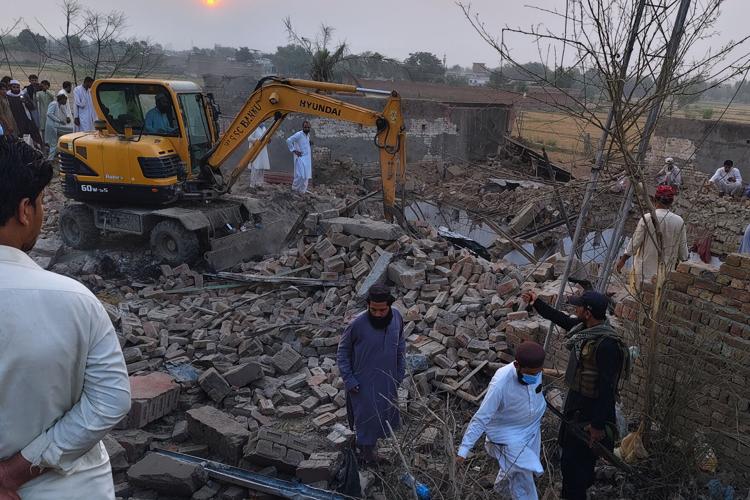
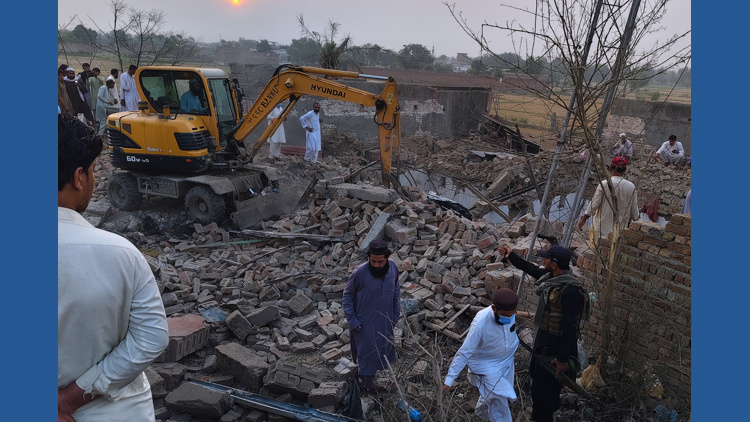
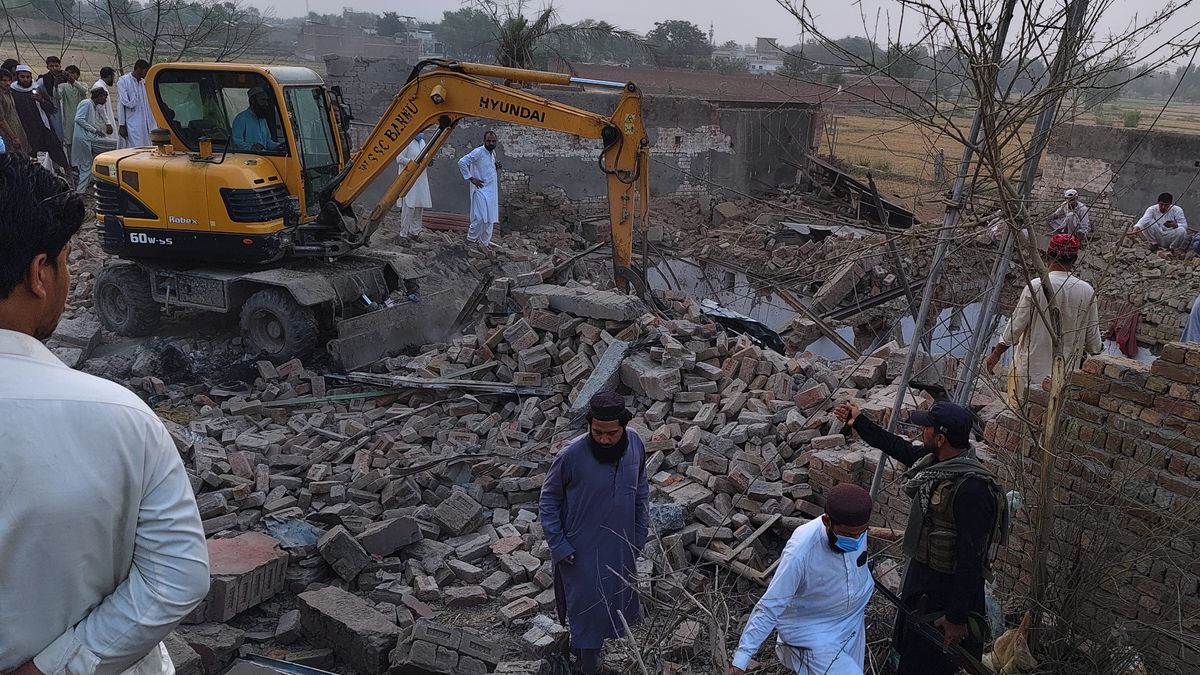
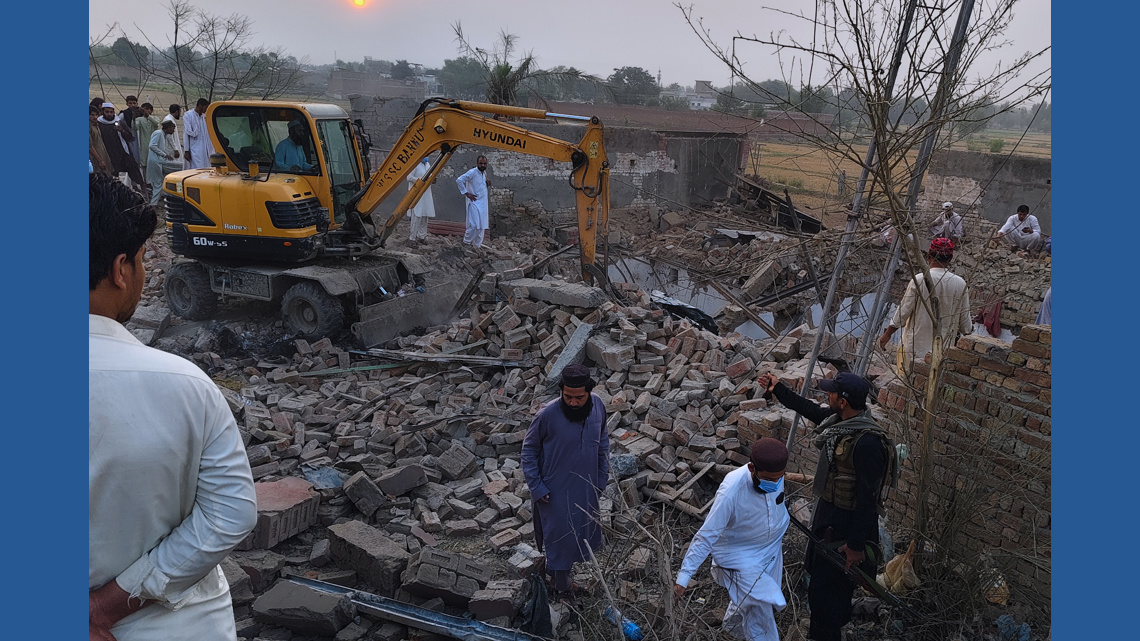
The May 11, 2026 attack on a Pakistani police post in Bannu—killing 15 personnel through coordinated car bombing and ambush—represents a critical escalation in Pakistan-Afghanistan border tensions with direct implications for cross-border e-commerce logistics. Pakistan's foreign ministry formally blamed Afghanistan-based militants and summoned Afghan diplomats, following the worst military clashes in February 2026 when Pakistani airstrikes targeted alleged strongholds inside Afghanistan. This geopolitical volatility creates measurable operational risks for sellers operating in South Asian cross-border markets.
Supply Chain Vulnerability: The Pakistan-Afghanistan border serves as a critical logistics corridor for sellers shipping products between Central Asia, South Asia, and Middle Eastern markets. Escalating military tensions directly threaten this infrastructure through three mechanisms: (1) Increased border security checkpoints causing 3-7 day shipping delays on goods transiting through Peshawar, Quetta, and Kandahar hubs; (2) Insurance premium increases of 8-15% for shipments crossing disputed border regions; (3) Potential temporary border closures during military operations, as occurred during February 2026 airstrikes, disrupting inventory flows for sellers with Pakistan-based fulfillment centers.
Seller Segment Impact: Approximately 8,000-12,000 cross-border sellers operate Pakistan-Afghanistan trade routes, primarily in categories including textiles (40% of corridor trade), electronics components (25%), and consumer goods (20%). Sellers with inventory in Karachi, Lahore, or Peshawar fulfillment centers face elevated risk of shipment delays or rerouting costs. Additionally, sellers sourcing products from Afghan suppliers (carpets, dried fruits, handicrafts) face supply disruption risks as militant activity increases security restrictions on commercial movement.
Market Context: The volatile security environment mirrors historical patterns—the 2019-2021 Taliban resurgence caused 30-45% increases in cross-border shipping costs and 2-3 week delays. Current tensions suggest similar cost pressures emerging. Sellers should monitor border crossing data through customs agencies and logistics providers for early warning signals of closures or restrictions.
Immediate Risk Mitigation: Sellers should diversify routing through alternative corridors (via Iran or Central Asian routes), increase inventory buffers by 15-20% for Pakistan-based operations, and review insurance coverage for geopolitical risk. Monitoring diplomatic statements and military activity provides 5-7 day advance warning before logistics disruptions materialize.
Questions 7
How does the Pakistan-Afghanistan border conflict affect cross-border sellers?
The May 2026 escalation directly impacts sellers operating Pakistan-Afghanistan trade corridors through three mechanisms: increased border security checkpoints causing 3-7 day shipping delays, insurance premium increases of 8-15% for geopolitical risk, and potential temporary border closures during military operations. Sellers with fulfillment centers in Karachi, Lahore, or Peshawar face elevated inventory transit risks. Historical precedent from 2019-2021 Taliban resurgence shows similar conflicts caused 30-45% shipping cost increases and 2-3 week delays, suggesting current tensions will produce comparable logistics disruptions within 2-4 weeks.
What shipping cost increases should sellers expect from border tensions?
Insurance premiums for geopolitical risk typically increase 8-15% during escalating military tensions. Historical data from 2019-2021 shows cross-border shipping costs rose 30-45% during similar conflict periods. Additional costs include: rerouting fees ($200-500 per shipment via alternative corridors), customs clearance delays (2-3 week buffer costs), and inventory holding costs for delayed goods. Sellers should budget 12-18% total cost increases for Pakistan-Afghanistan corridor shipments during high-tension periods.