

EU Sanctions Escalation May 2026 | Trade Compliance & Payment Processing Impact for Cross-Border Sellers
- Over 130 sanctioned entities trigger payment gateway restrictions, compliance audits, and supply chain verification requirements affecting sellers with Russian operations or payment processors



























Overview
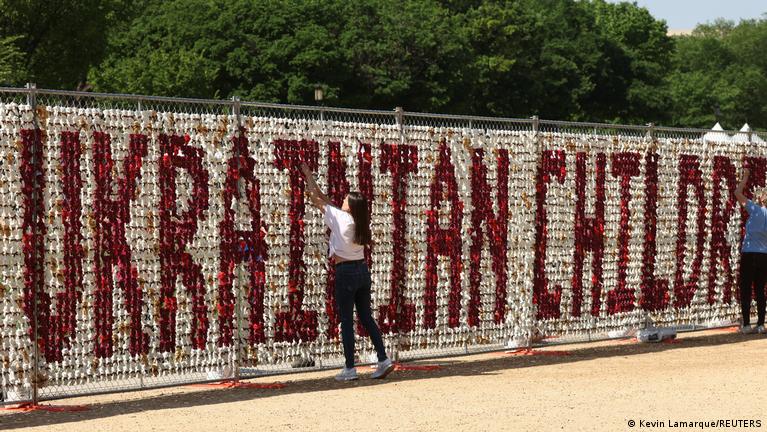
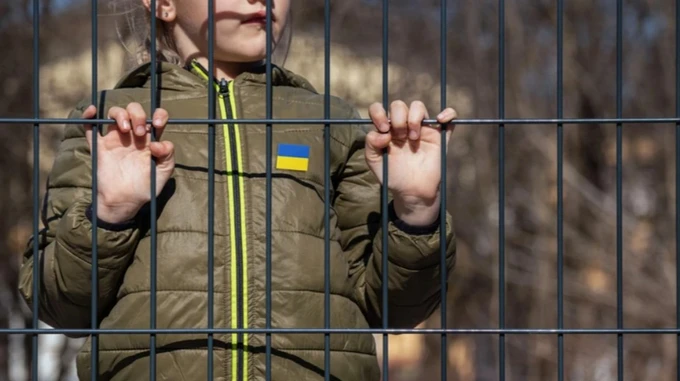
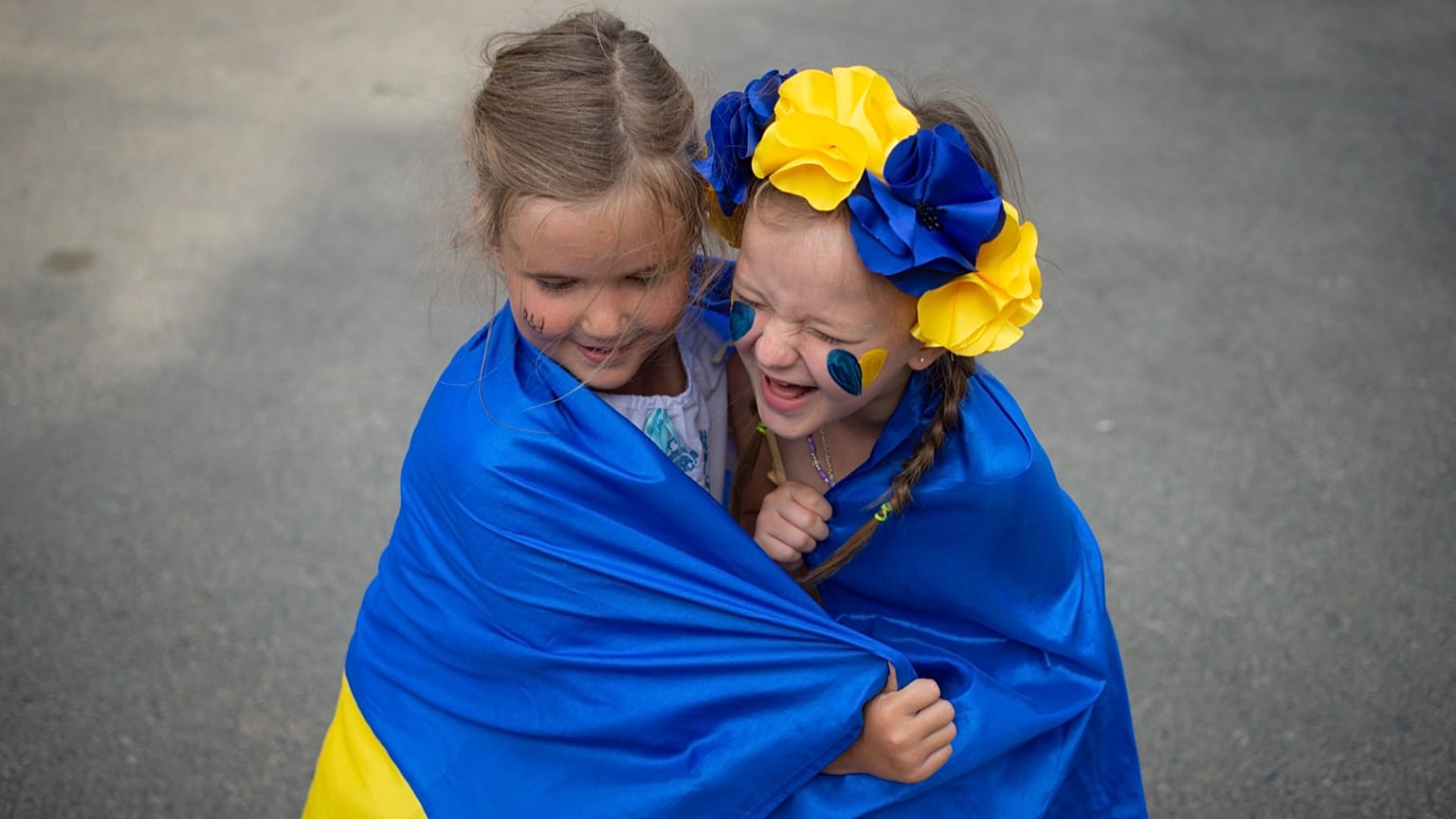
The European Union and United Kingdom imposed comprehensive sanctions on May 11, 2026, targeting 23+ Russian state institutions and 85+ individuals for systematic deportation and forced indoctrination of approximately 20,500 Ukrainian children since February 2022. These coordinated sanctions represent the most expansive accountability measures to date, with over 130 total entities now facing EU travel bans and asset freezes. For cross-border e-commerce sellers, this escalation creates three critical operational impacts: (1) Payment Processing Restrictions - EU-based payment processors and fintech platforms must implement enhanced due diligence on Russian merchant accounts, potentially freezing funds or suspending services for sellers with Russian business addresses, bank accounts, or beneficial ownership; (2) Supply Chain Verification Requirements - Sellers sourcing products from Russia or Russian-occupied territories (Crimea, Luhansk, Donetsk) face increased customs scrutiny and potential OFAC/EU sanctions list matching, requiring updated supplier documentation and country-of-origin certifications; (3) Compliance Audit Exposure - Amazon, eBay, Shopify, and other major platforms are implementing automated sanctions screening, flagging accounts with Russian payment methods, shipping addresses, or business registrations for manual review, with potential account suspension for non-compliance.
The sanctions specifically target Russia's Ministry of Education entities, youth military-patriotic organizations, and the "Warrior Centre" (Centre for Military and Patriotic Training), indicating state-level coordination. This institutional targeting signals that EU enforcement will extend to commercial entities with government connections. Sellers must immediately audit their payment processor relationships, supplier networks, and customer bases for Russian exposure. The UK's broader 85-entity package includes 49 individuals from the Social Design Agency (disinformation operations), suggesting payment processors will implement expanded screening beyond the official sanctions lists.
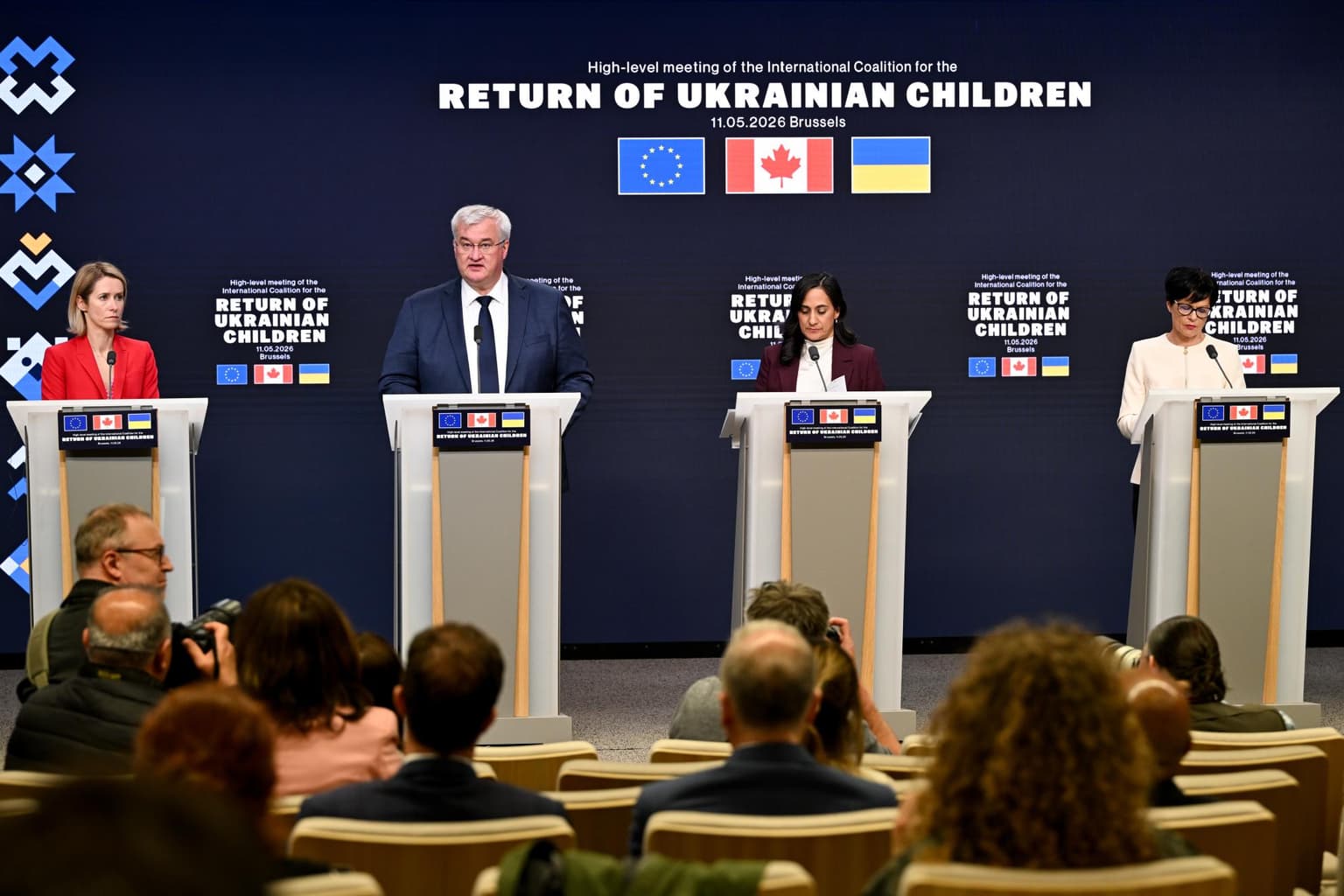
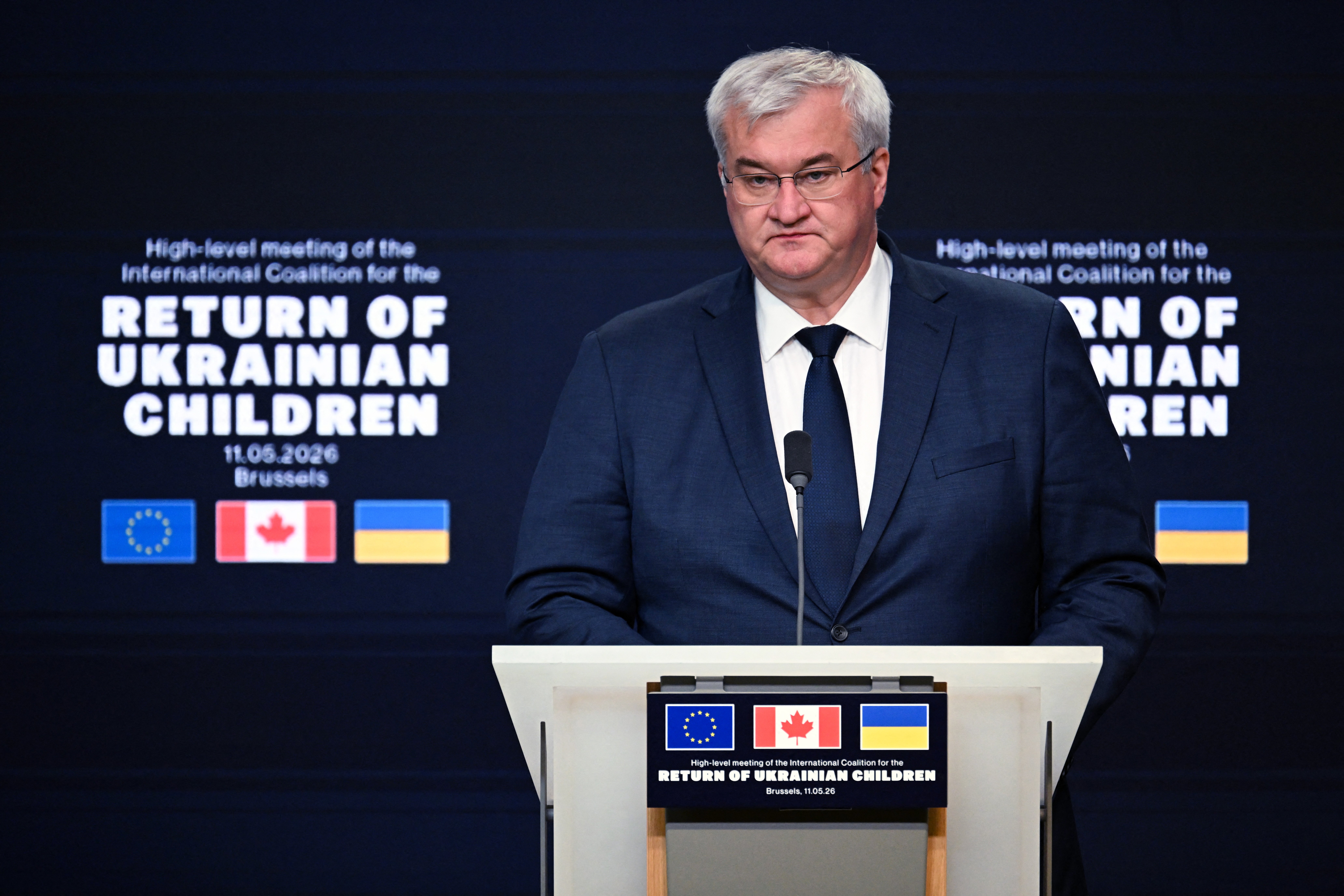
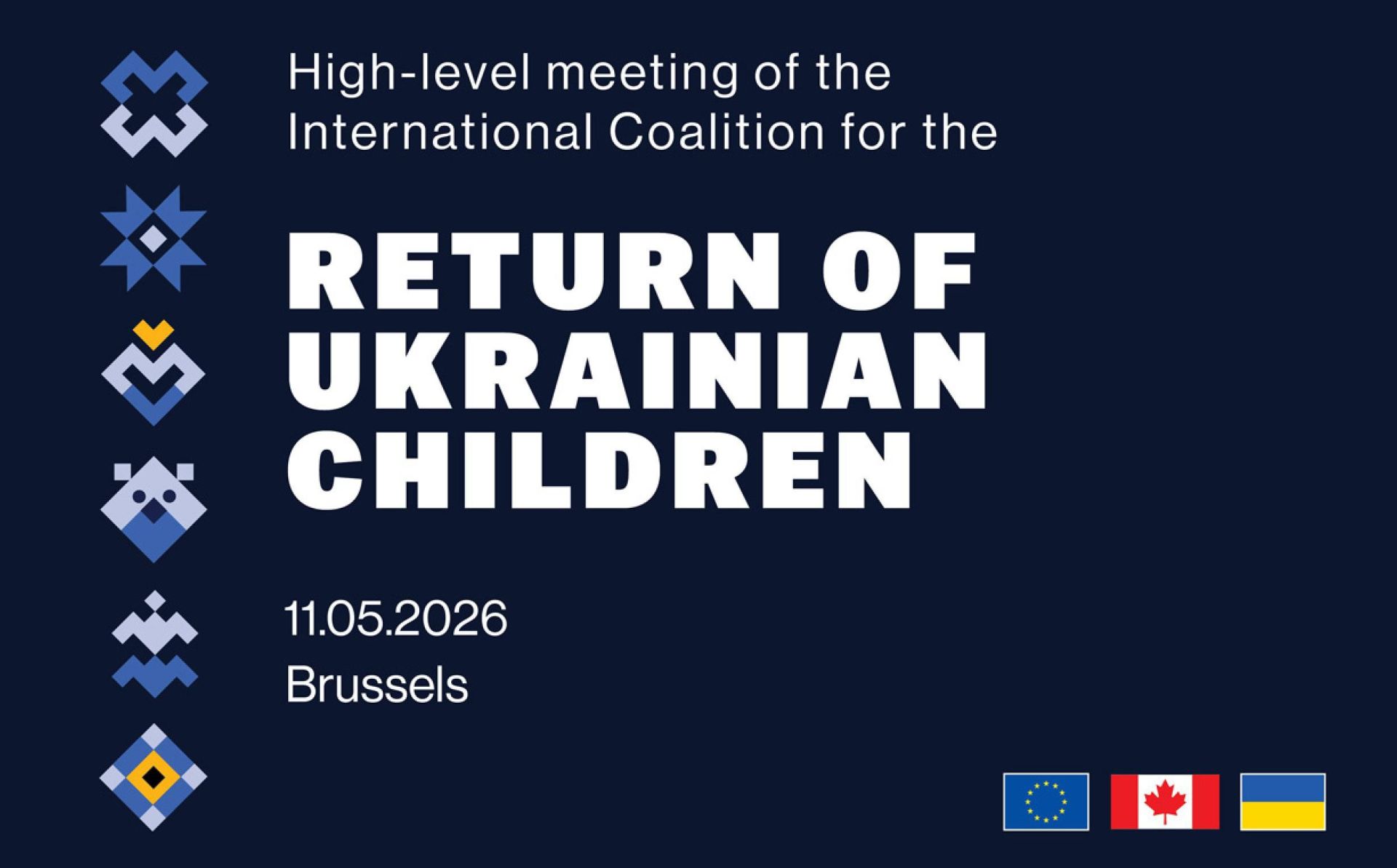
Immediate operational implications: Sellers with Russian suppliers face 15-30 day verification windows before payment holds; those using Russian payment methods or bank accounts should expect account reviews within 60 days; sellers shipping to Eastern European markets (Ukraine, Poland, Baltic states) may experience 5-7 day delays as customs authorities implement enhanced Russian goods screening. The 47-country International Coalition for the Return of Ukrainian Children signals sustained diplomatic pressure, indicating additional sanctions tranches are likely through 2026-2027, making this a multi-year compliance challenge rather than a one-time event.
Questions 7
What should I do immediately to protect my seller account?
Within 7 days: (1) Verify your payment method country—if Russia, change to EU/US bank immediately; (2) Check your business registration address—if in Russia or occupied territories, update to your actual operating location; (3) Review all suppliers—remove any with Russian addresses or government connections; (4) Search your company name at sanctionsmap.eu to confirm you're not listed. Within 30 days: (1) Document all non-Russian supply chain sources; (2) Update customs declarations with country-of-origin certifications; (3) Contact your payment processor's compliance team proactively if you have any Russian exposure. Within 60 days: (1) Complete supply chain diversification away from Russia; (2) Implement quarterly sanctions screening of new suppliers. Failure to act creates 30-90 day account suspension risk.
Are there specific product categories most affected by these sanctions?
Electronics, semiconductors, and industrial equipment sourced from Russia face the strictest customs screening due to dual-use concerns. Apparel and consumer goods have moderate risk if sourced through Russian intermediaries. Luxury goods and items with Russian branding face near-total restrictions. The sanctions specifically target Russia's Ministry of Education entities, so educational materials and youth-oriented products with Russian government connections are high-risk. If you sell in these categories, audit your supply chain immediately. Most affected sellers are shifting to Vietnam (electronics), India (apparel), and Turkey (industrial goods) to maintain margins while avoiding sanctions exposure.