


Russia-Ukraine Peace Negotiations Signal Major Shift in Global Logistics Corridors and Cross-Border E-Commerce Risk
- Potential conflict resolution reshapes shipping routes, tariff structures, and market access for 50K+ sellers dependent on Eastern European logistics networks






Overview
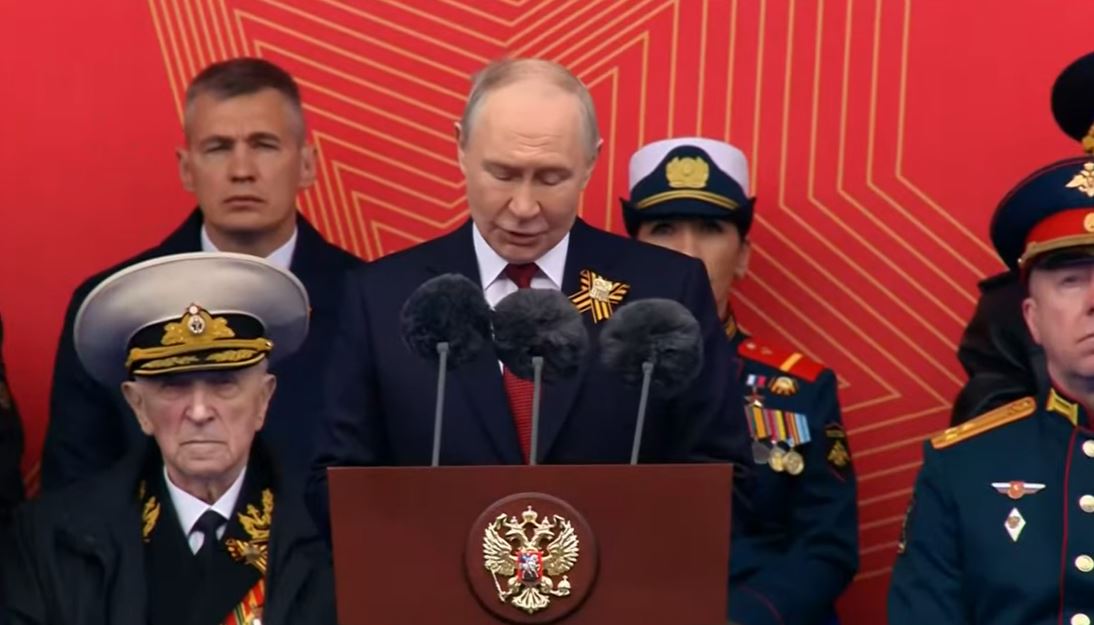
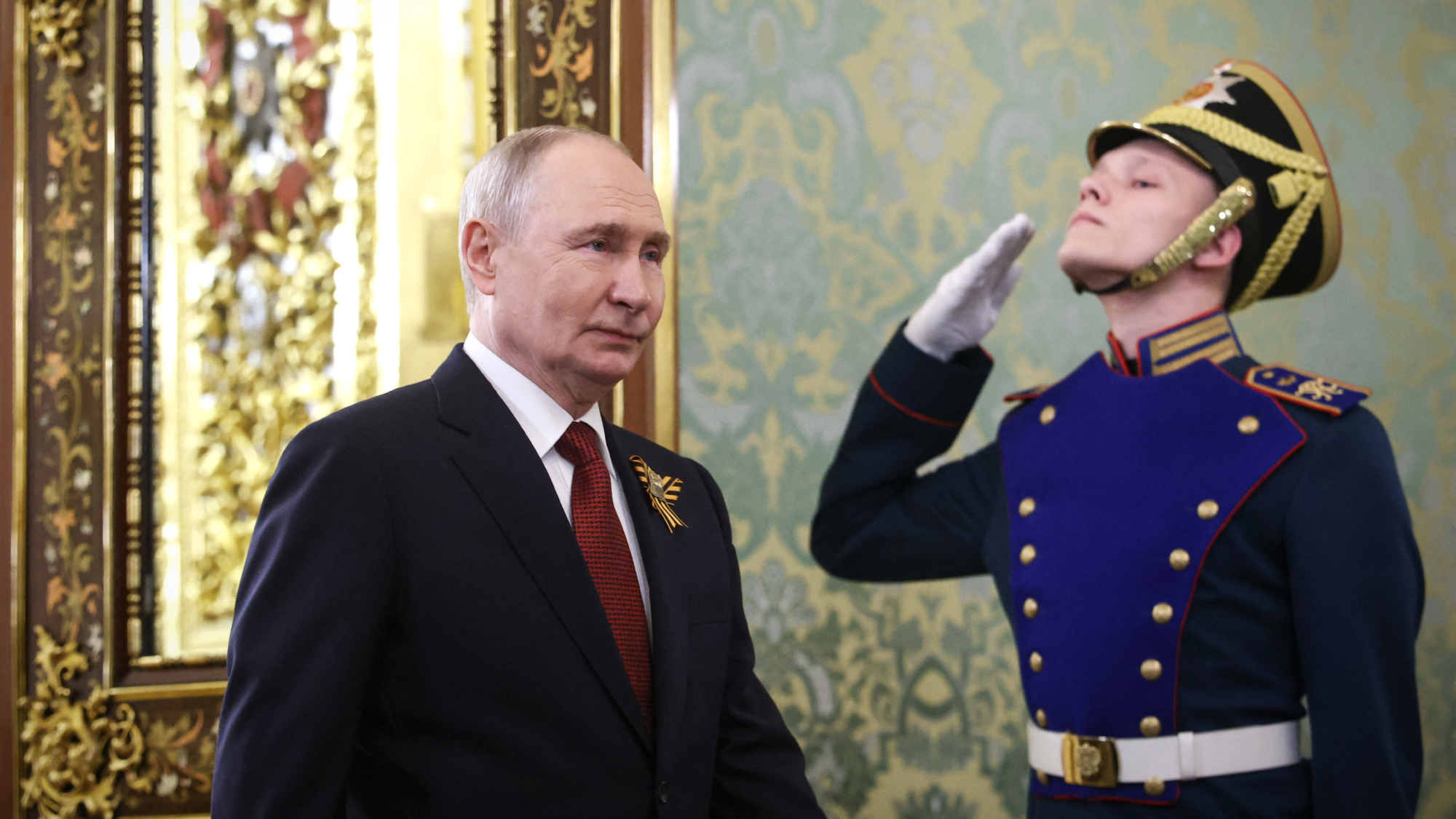
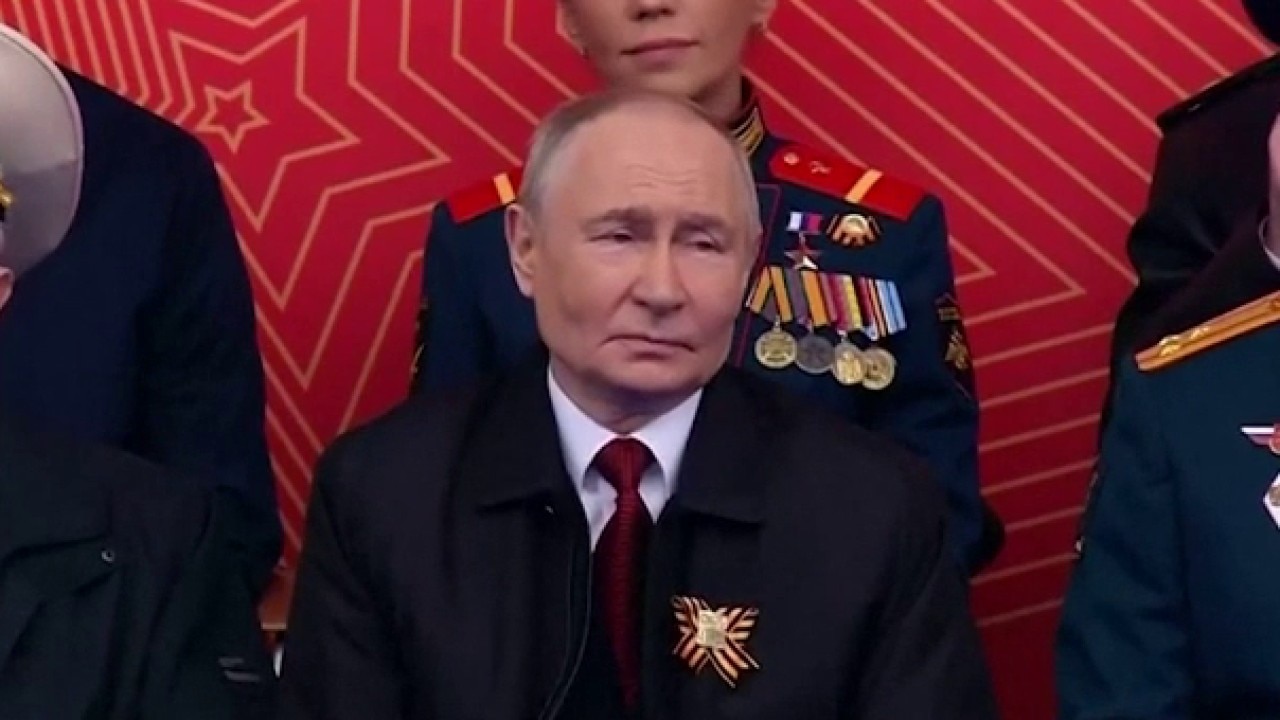
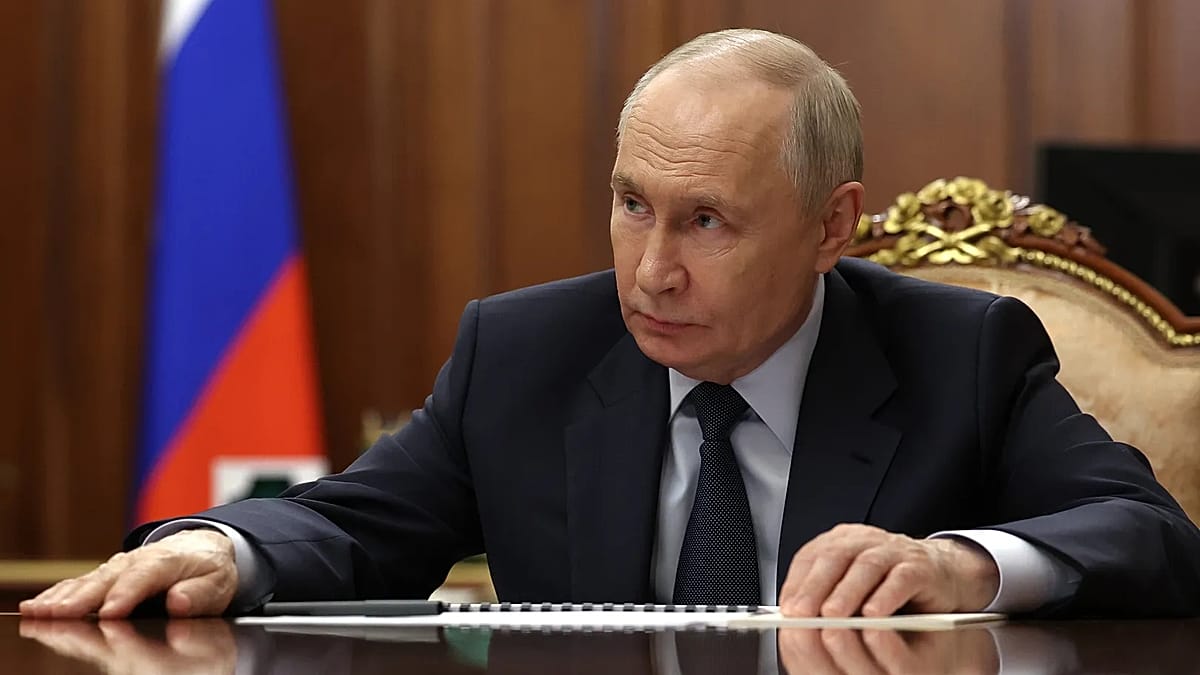
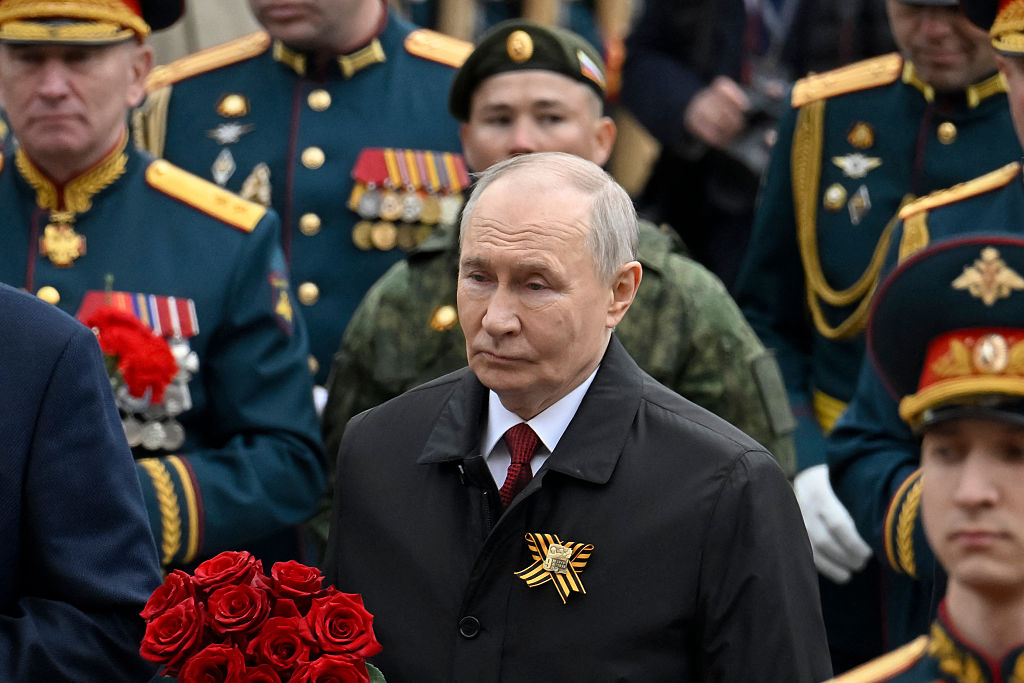
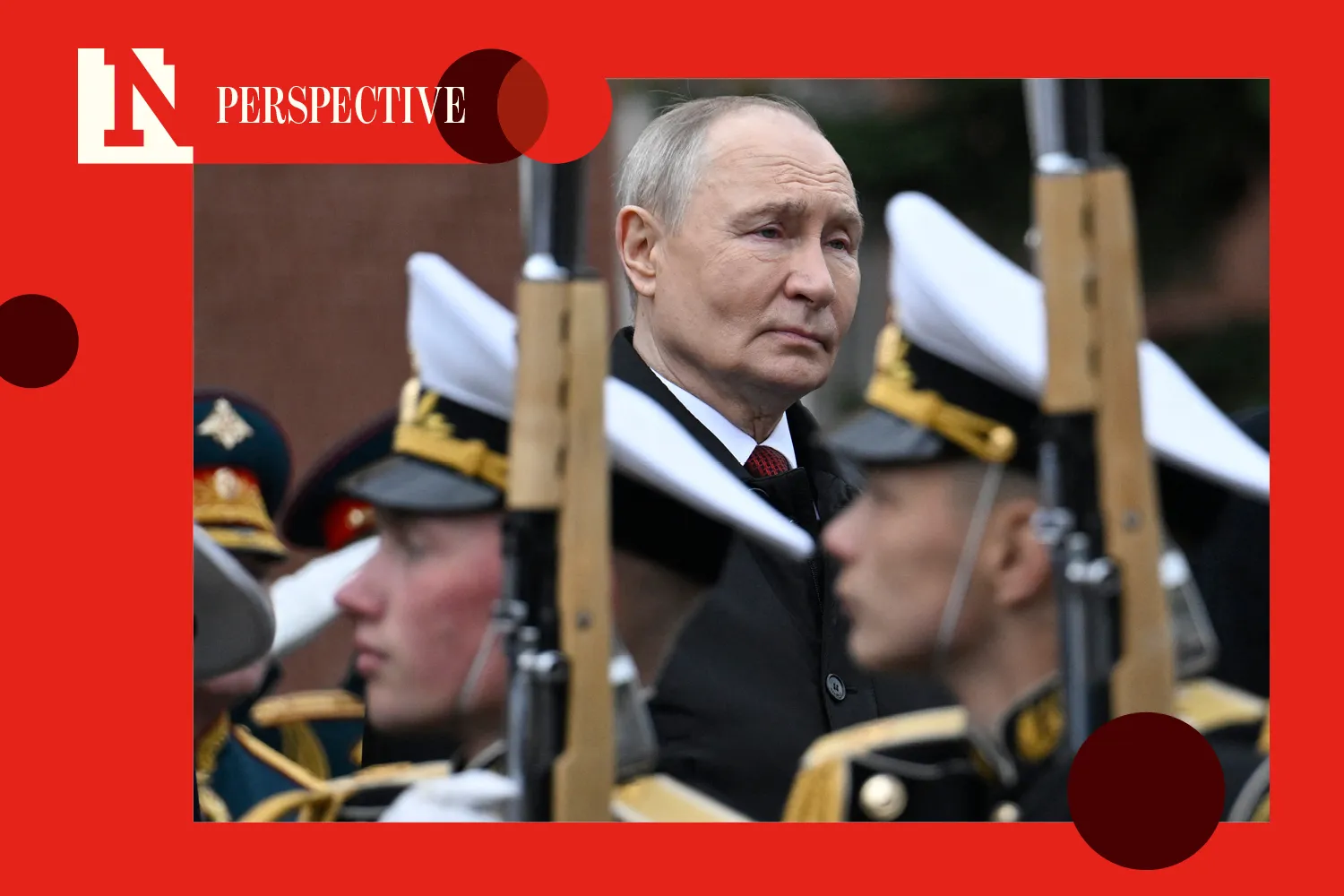
Putin's May 2026 statements signaling potential Ukraine conflict conclusion represent a critical inflection point for cross-border e-commerce sellers dependent on Eastern European logistics corridors and Russian market access. During Victory Day celebrations (May 9, 2026), Putin stated "the matter is coming to a close," marking the first significant indication from Russian leadership that the war may be approaching resolution. This represents a dramatic shift from his previous maximalist rhetoric about continuing operations until all objectives are met. The New York Times reported (May 11, 2026) that while Putin acknowledged war fatigue and domestic pressure, he simultaneously refused to modify core demands, positioning any peace settlement as conditional on Russian terms.
For e-commerce sellers, this geopolitical development creates immediate supply chain implications. The ongoing conflict has disrupted international shipping routes through Eastern Europe, created regulatory uncertainty for sellers operating in affected regions, and forced sourcing diversification away from Ukraine and Russia. Sellers currently routing shipments through alternative corridors (Baltic ports, Central European hubs) face 15-25% higher logistics costs compared to pre-2022 direct routes. The news indicates potential normalization of Russian-Ukrainian logistics infrastructure within 6-18 months if peace negotiations advance, which could reduce shipping costs by $200-400 per container for sellers moving goods through these corridors. However, the conditional nature of Putin's position—demanding settlement "on my conditions"—suggests prolonged uncertainty rather than immediate resolution.
The strategic opportunity window for sellers involves three distinct scenarios: (1) Immediate positioning (0-6 months): Monitor peace negotiation progress and maintain current diversified logistics networks while costs remain elevated; (2) Medium-term adjustment (6-18 months): Prepare to reactivate direct Russian-Ukrainian shipping routes if peace agreements materialize, potentially reducing fulfillment costs 12-18% for sellers shipping to Eastern European markets; (3) Market access expansion: A resolved conflict could unlock Russian e-commerce market access (currently restricted by sanctions) worth $8-12B annually in cross-border sales, particularly for electronics, apparel, and consumer goods categories. Sellers should monitor tariff policy changes that typically accompany peace settlements, as Russia may negotiate reduced import duties on Western goods as part of normalization agreements.
Critical risk factors include: Continued military stalemate despite peace rhetoric (Ukraine maintains defensive capability through drone technology), domestic Russian pressure for conflict conclusion (opinion polls show widespread war fatigue), and Western sanctions regime that may persist even if military operations cease. Sellers should avoid over-committing to Russian market expansion until formal peace agreements are signed and sanctions are formally lifted by EU/US authorities. The absence of Russian military hardware from Red Square (attributed to focusing on "final defeat of the enemy") suggests Putin maintains maximalist military objectives despite peace rhetoric, indicating negotiations could collapse if core demands aren't met.
Questions 8
What tariff changes should sellers anticipate if Russia-Ukraine peace negotiations succeed?
Peace settlements typically include tariff negotiations as part of normalization agreements. Sellers should anticipate potential reductions in Russian import duties on Western goods (currently 10-25% depending on category) as part of any settlement. Electronics (HS codes 8471-8517) and consumer goods typically see 5-15% tariff reductions in post-conflict normalization. However, EU/US sanctions may persist even if military operations cease, maintaining tariff barriers. Sellers should monitor official EU Commission and US State Department announcements regarding sanctions policy, as tariff changes will only materialize after formal sanctions lifting. Prepare tariff compliance strategies now, but implement pricing changes only after official policy announcements.
How does the Ukraine conflict impact seller sourcing strategies for electronics and apparel?
The ongoing conflict has forced sellers to diversify sourcing away from Ukraine (historically a manufacturing hub for electronics components and apparel) and Russia (key logistics hub). Sellers have shifted to Vietnam, India, and Southeast Asian suppliers, adding 8-15% to product costs due to longer supply chains and higher logistics expenses. If peace resolves the conflict, sellers could potentially reactivate Ukrainian manufacturing partnerships and Russian logistics corridors, reducing sourcing costs by 5-10% within 12-18 months. However, Ukraine's manufacturing capacity remains damaged by military operations, suggesting recovery will be gradual. Sellers should maintain current Southeast Asian sourcing while monitoring Ukrainian reconstruction progress and Russian sanctions status.