


Trump-Xi Beijing Summit 2026 | Critical Tariff & Supply Chain Shifts for Cross-Border Sellers
- Rare earth minerals truce extension impacts electronics sellers; tariff escalations threaten 15-25% margin compression for China-sourced products; new trade forums could reshape import procedures for millions of sellers by Q2 2026

















Overview
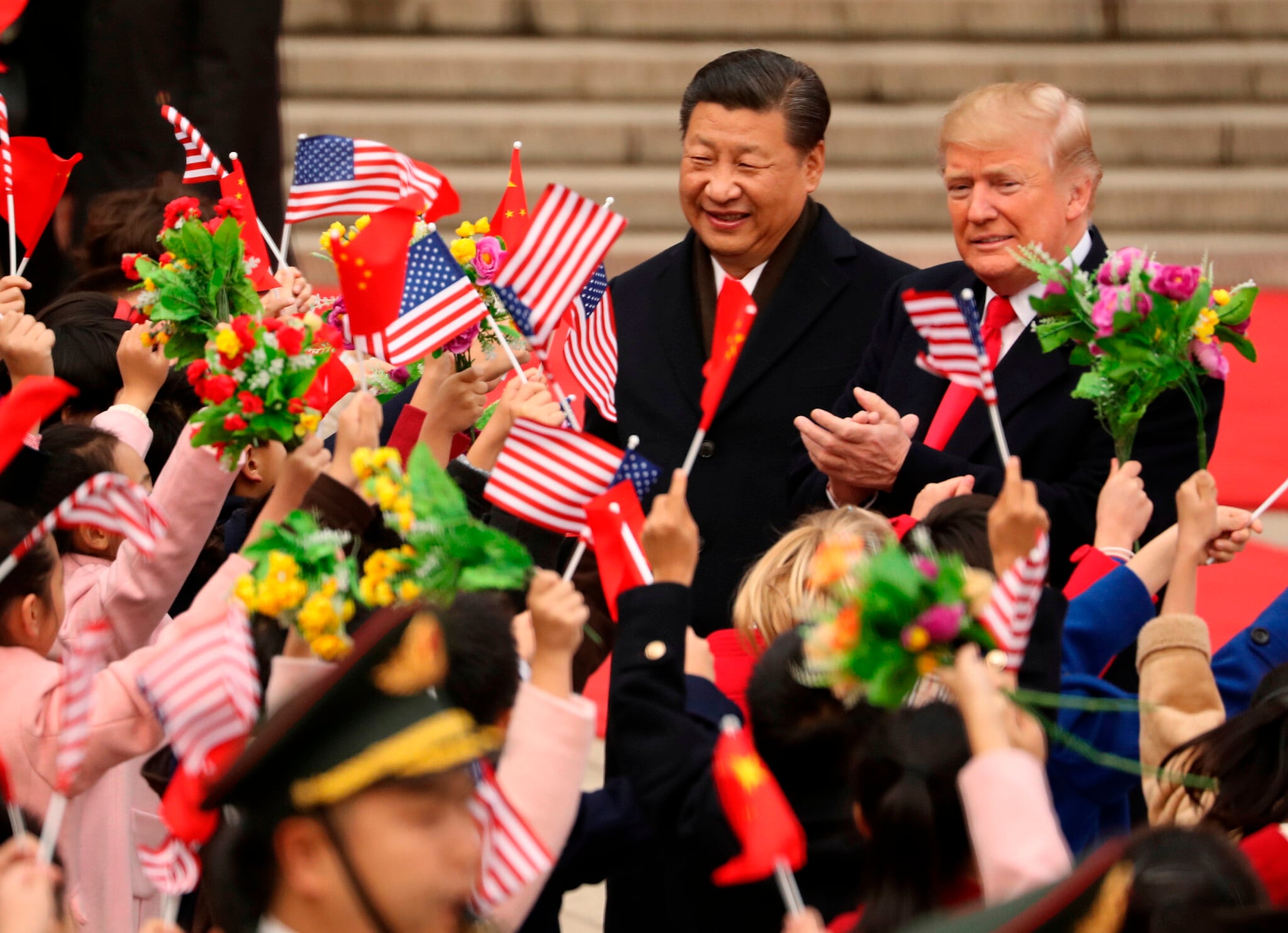
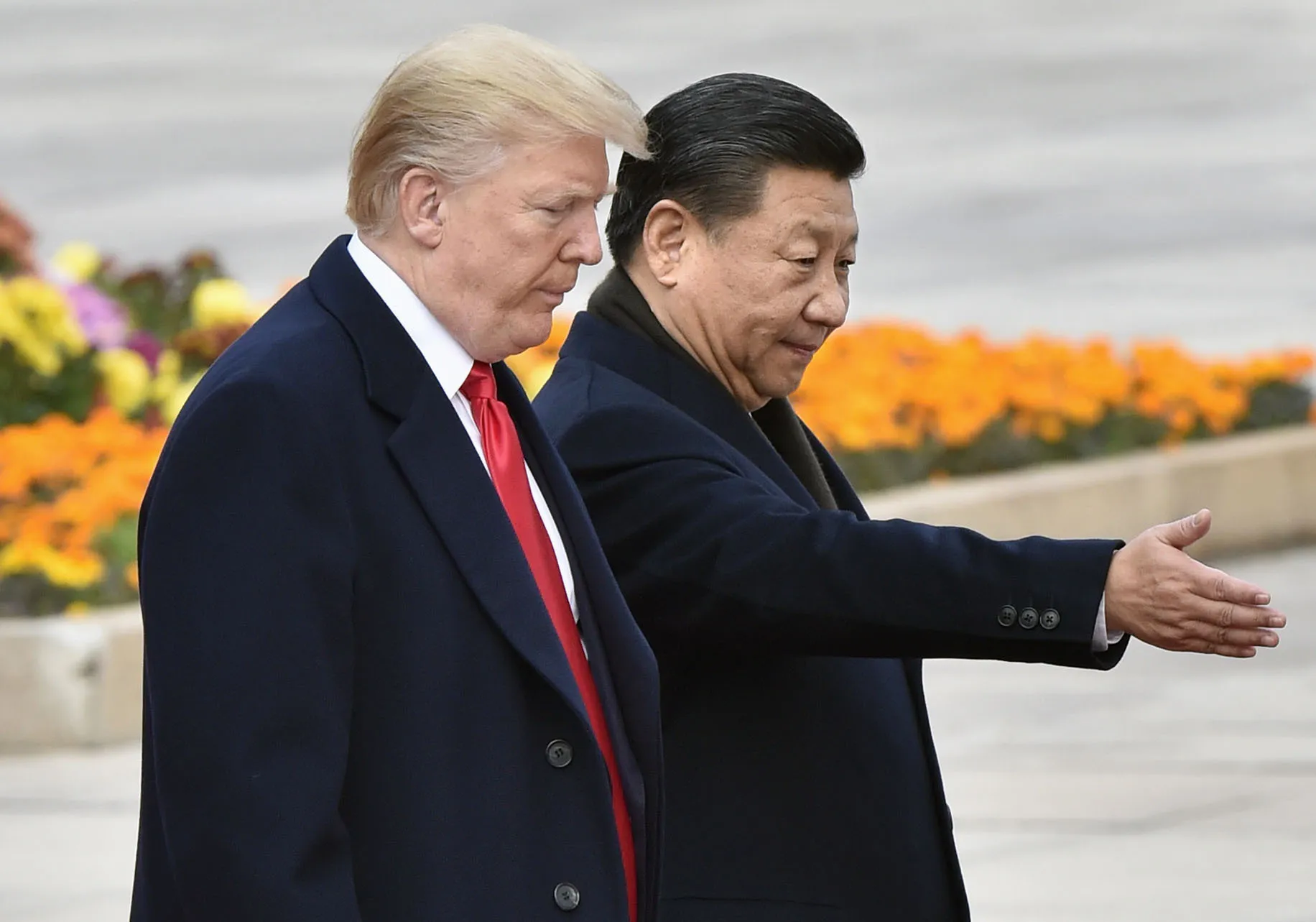
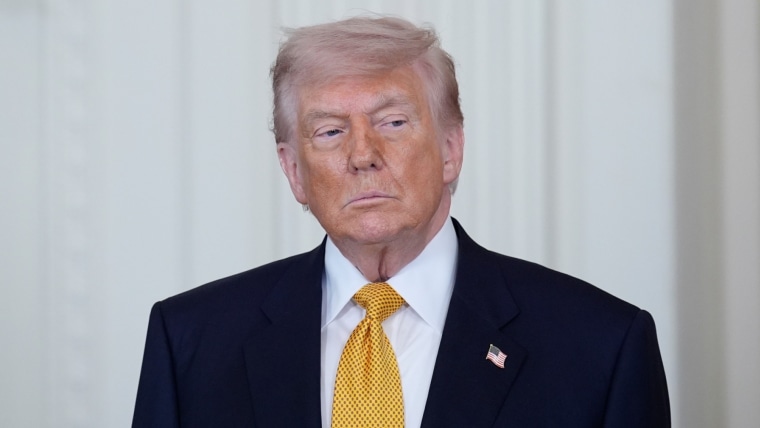
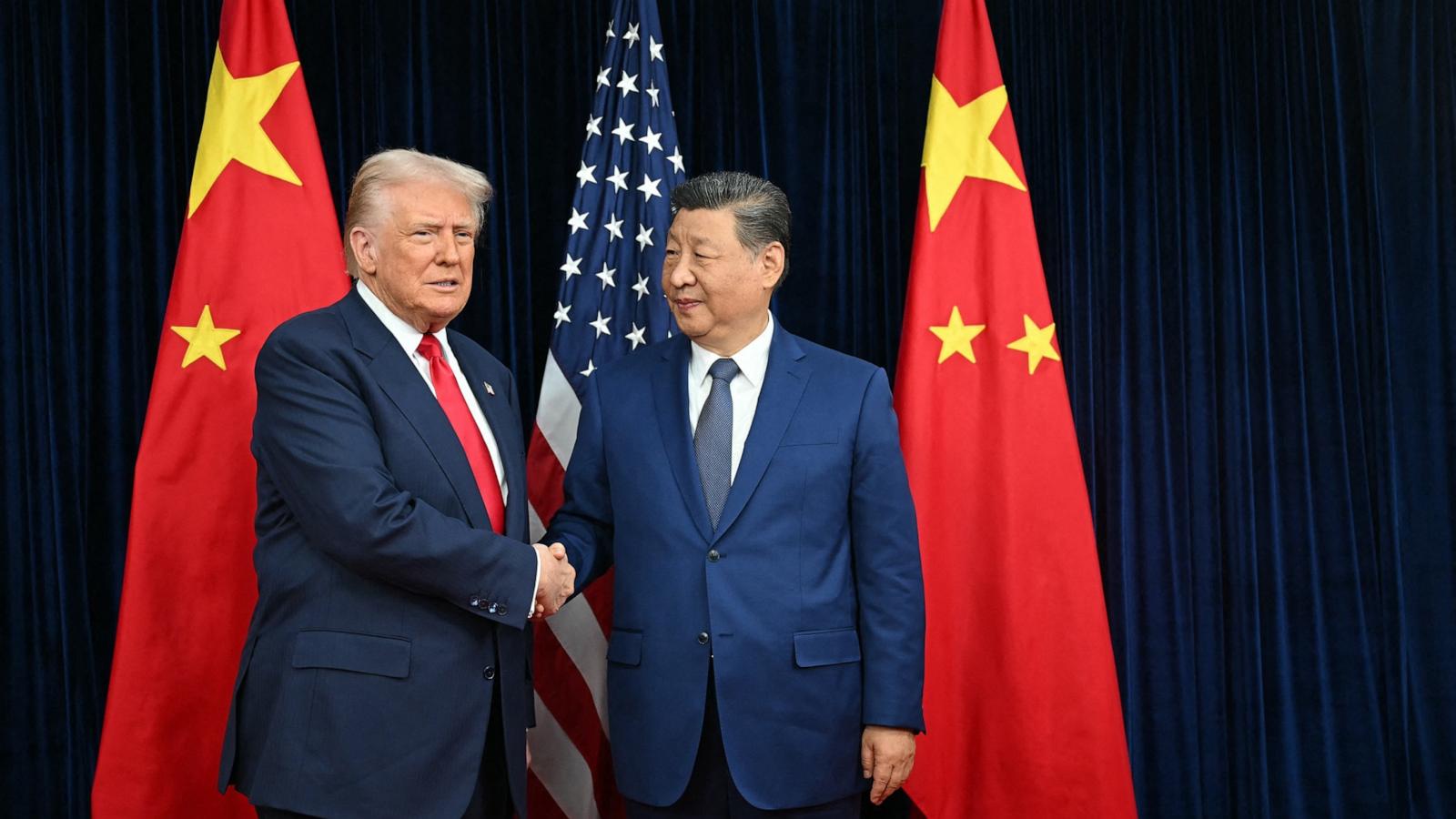
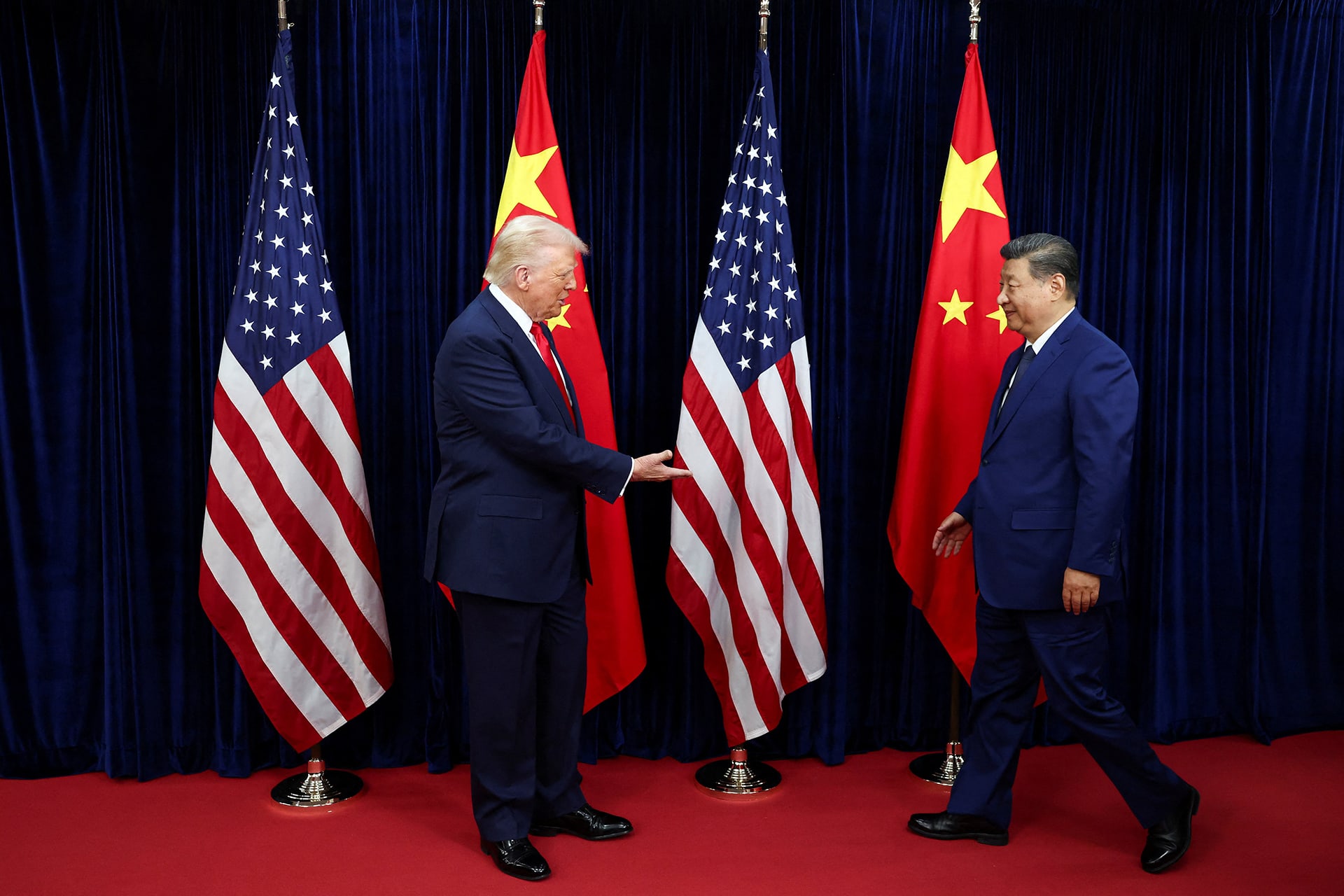
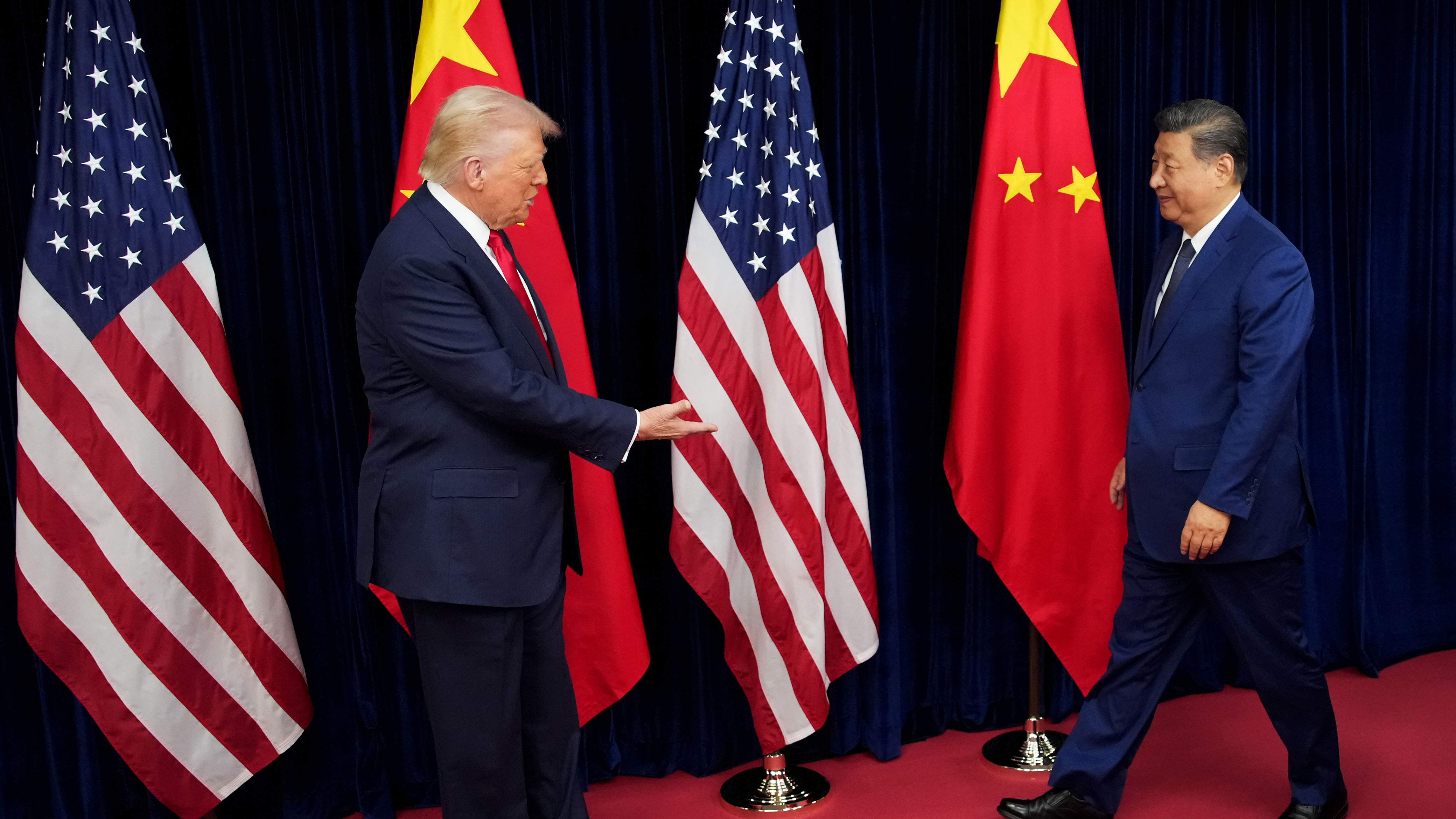
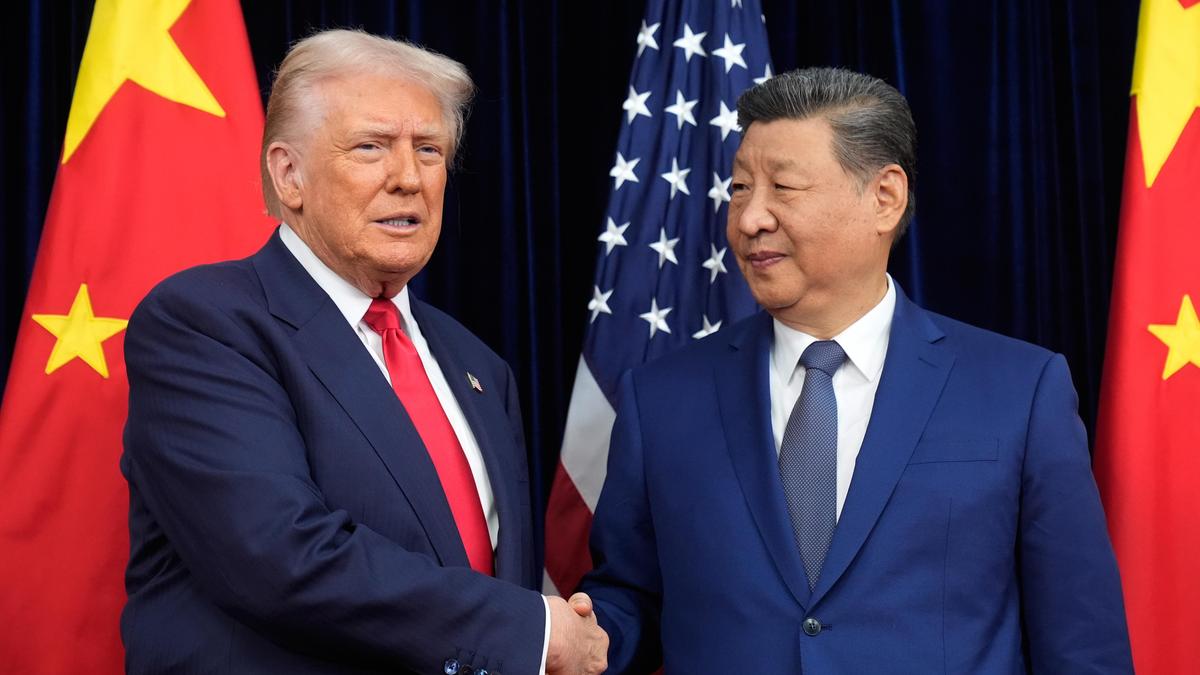
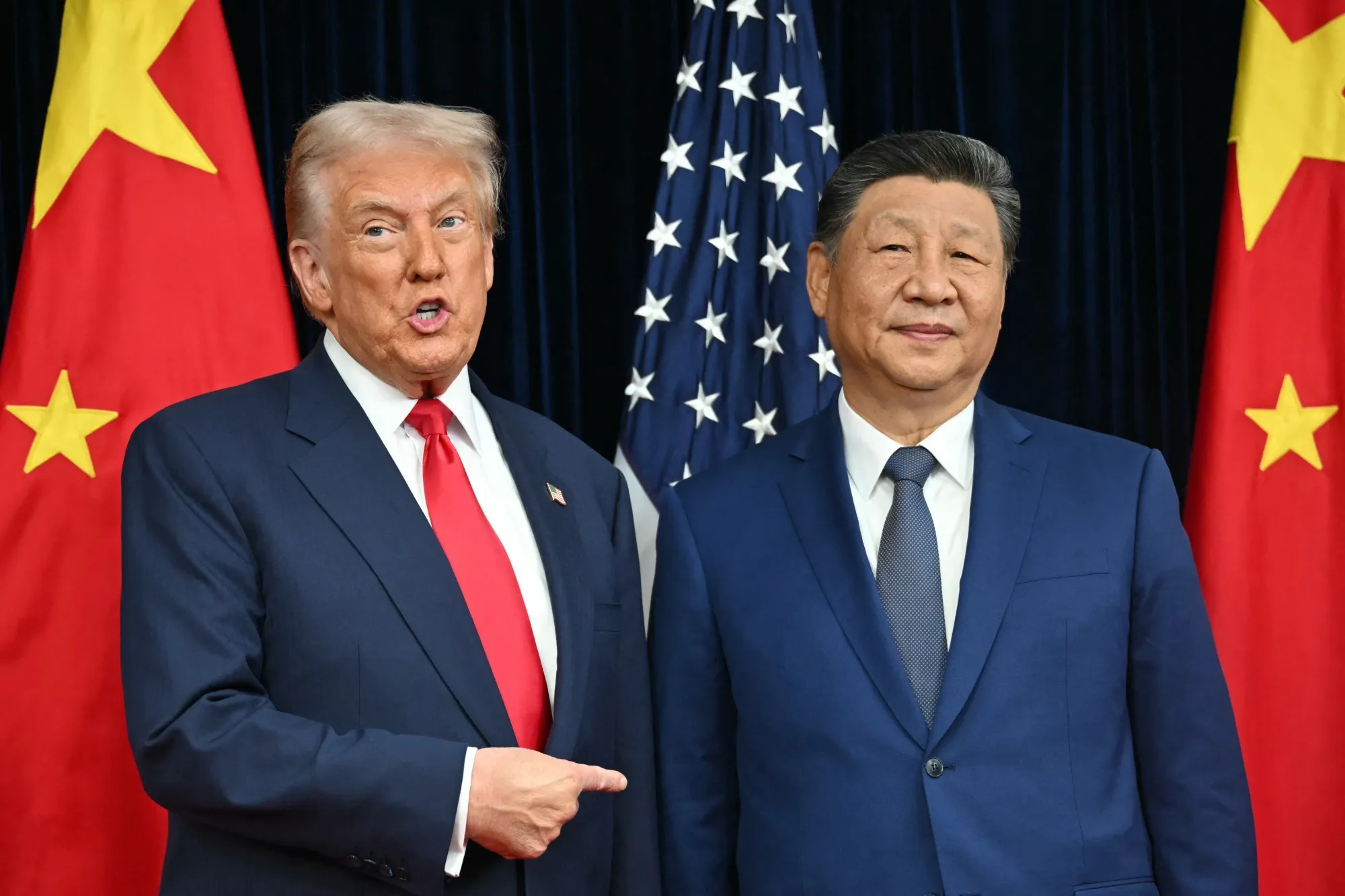
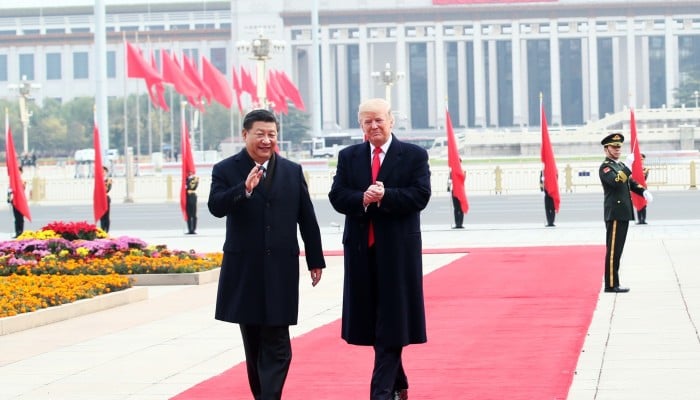
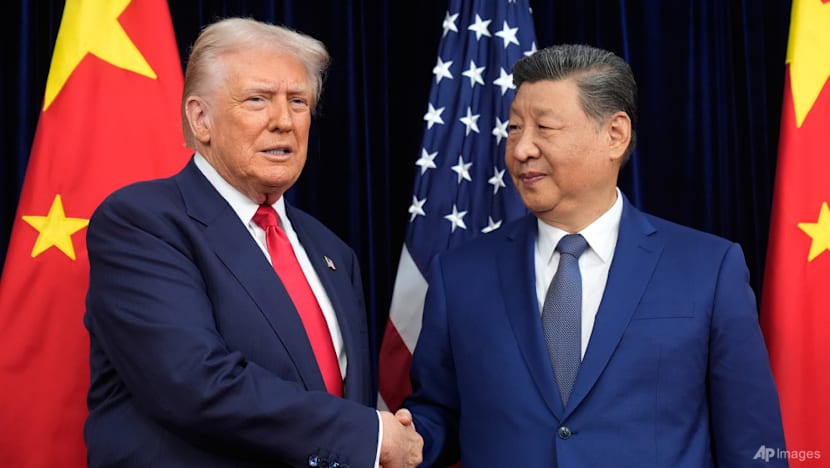
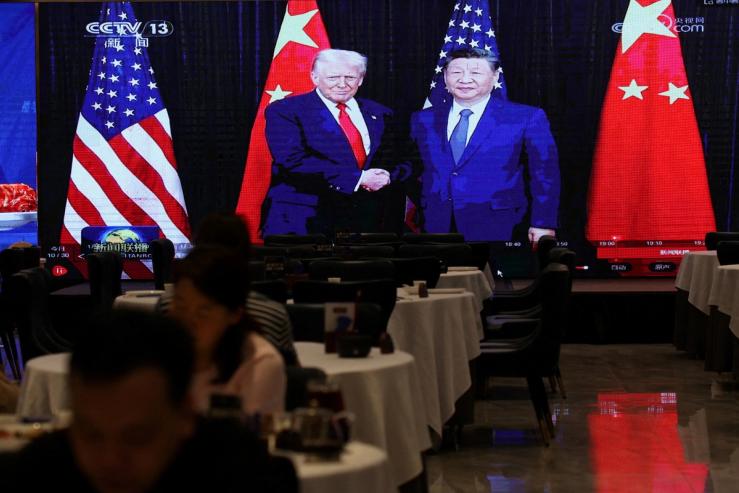
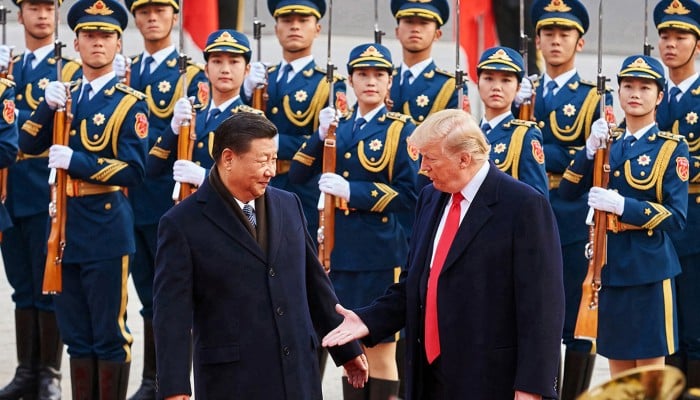
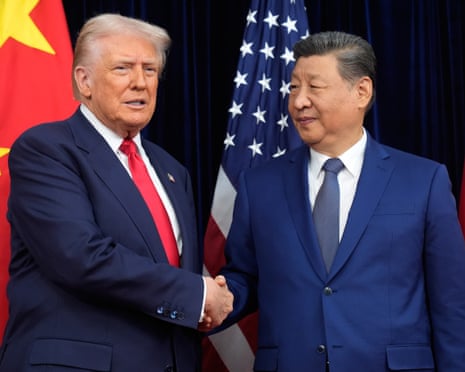
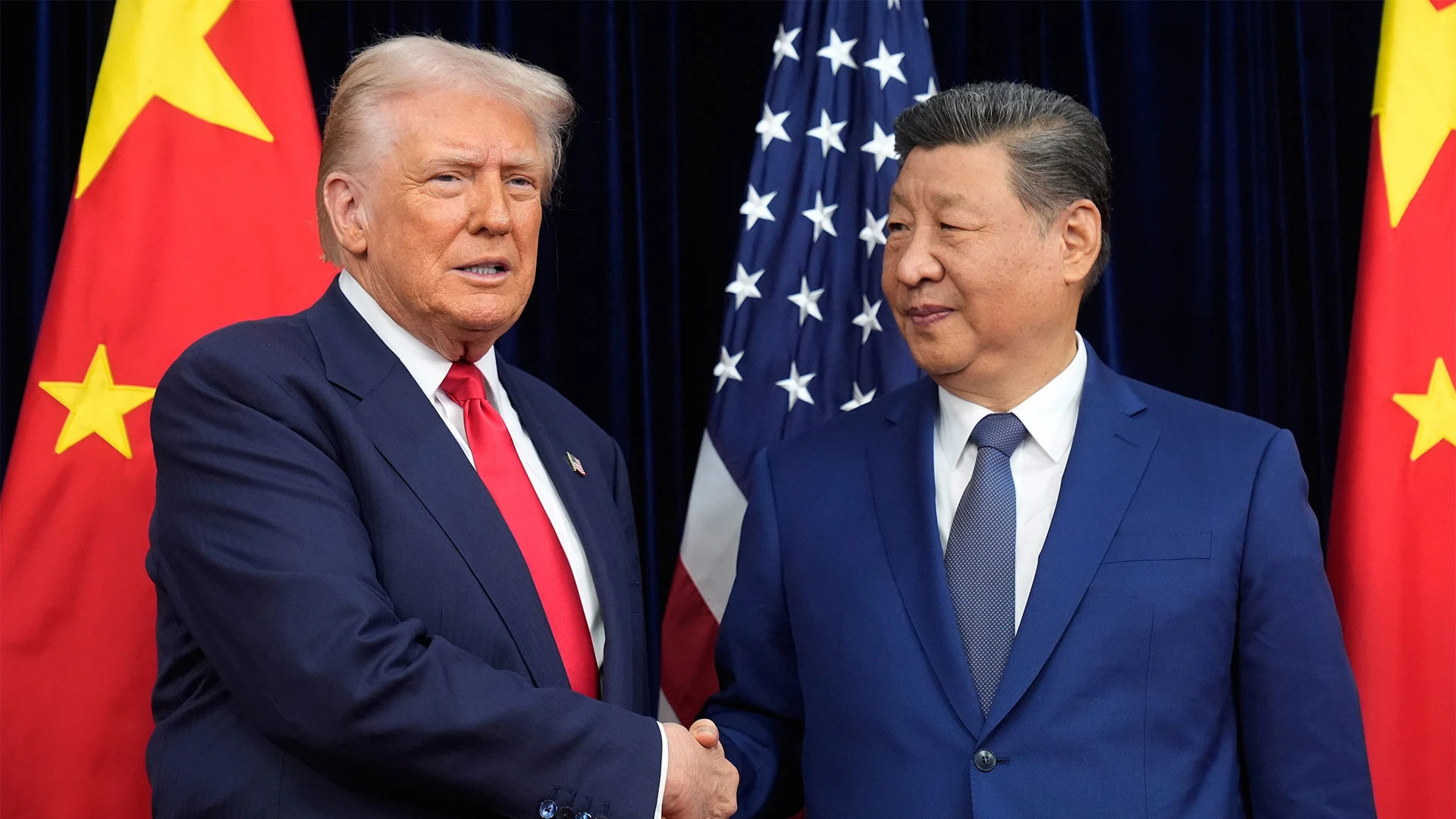
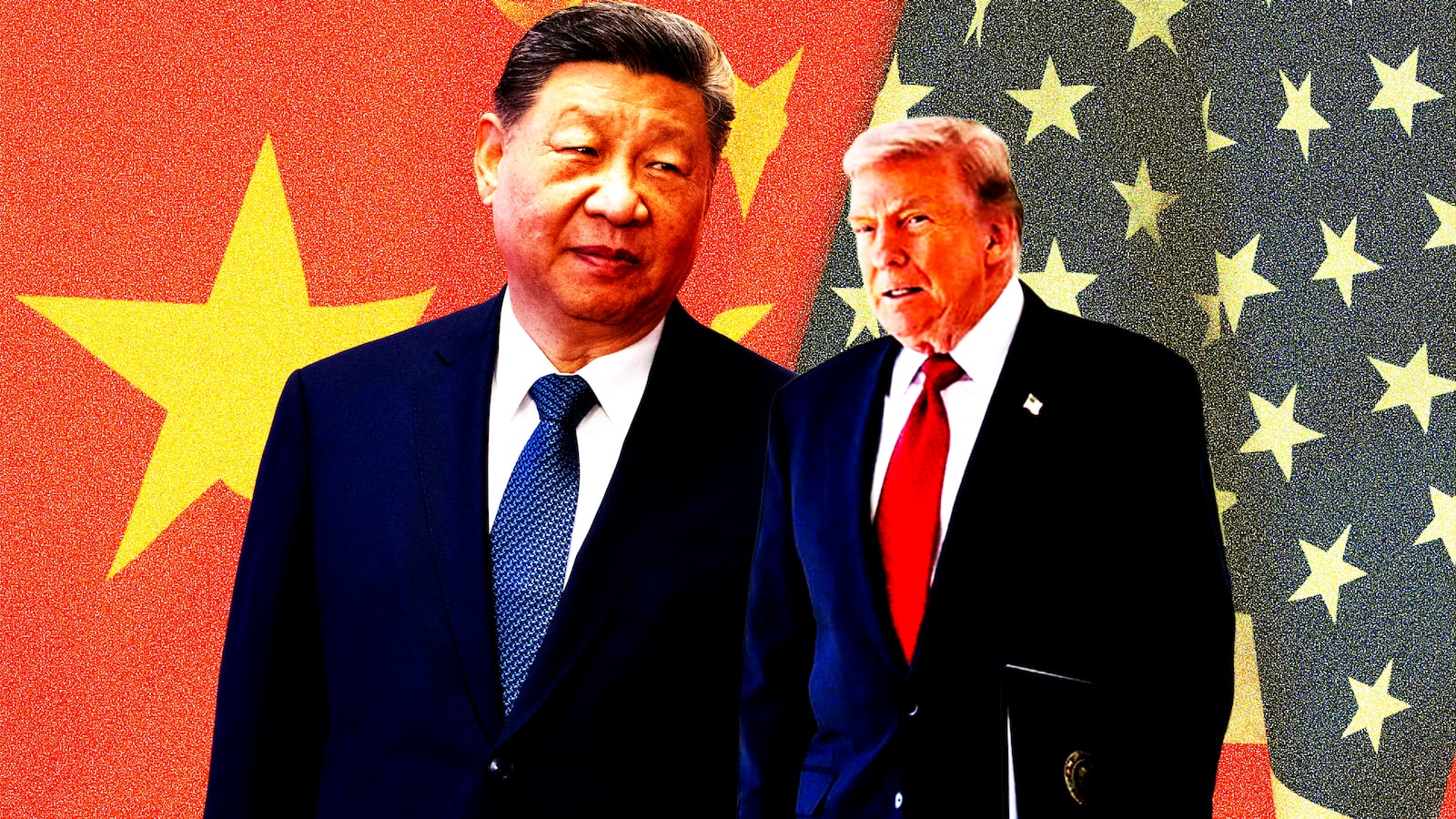
President Trump's May 2026 Beijing summit with Xi Jinping represents a critical inflection point for cross-border e-commerce sellers, with direct implications for tariff structures, supply chain accessibility, and market entry strategies. According to reporting from May 11, 2026, the Trump administration is pursuing a "managed trade agenda" focused on stabilizing U.S.-China relations while simultaneously escalating pressure through tariff threats and technology controls. China has adopted an increasingly aggressive posture, deploying countermeasures including tariff escalations, rare earth restrictions, and critical technology controls—a significant shift from Trump's first term when responses were largely symbolic. Control Risks expert Andrew Gillholm stated: "China is signaling more strongly that they are locked and loaded. We are on the brink of a much more frequent or widespread use of Chinese countermeasures against U.S. sanctions."
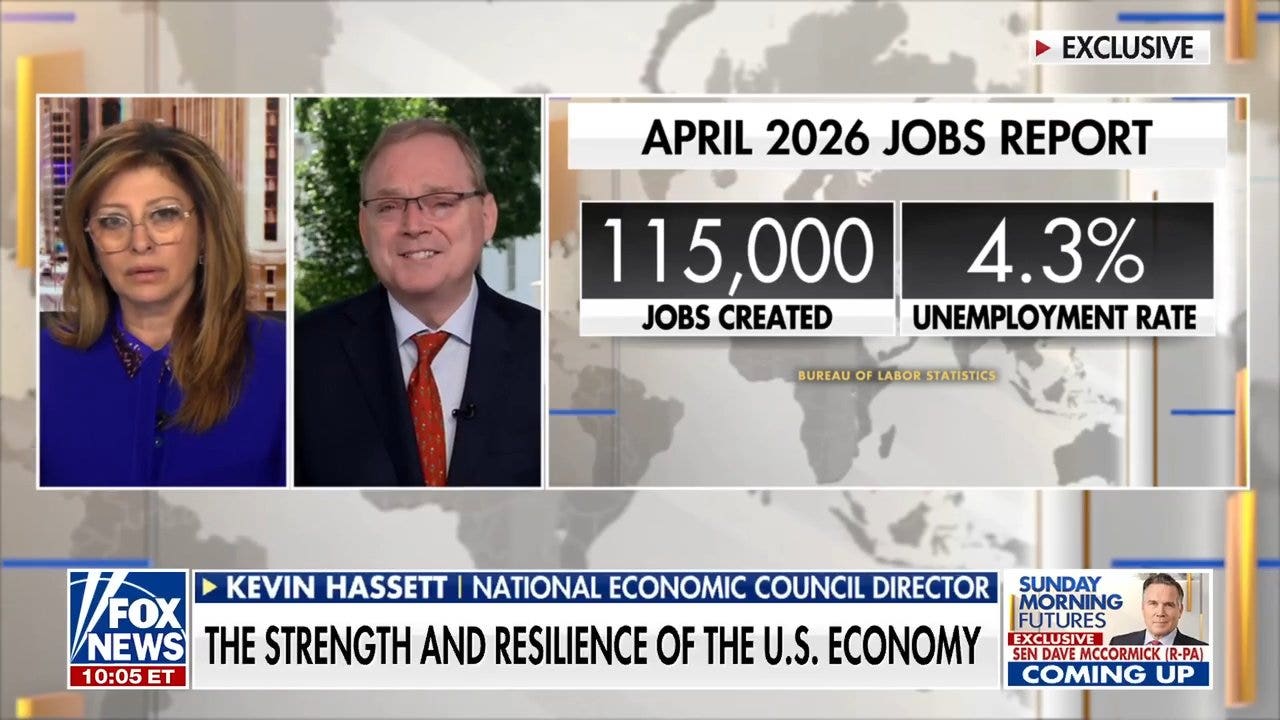
For sellers sourcing from China, the immediate operational impact is severe. Tariff escalations on electronics, consumer goods, and technology products could compress margins by 15-25% depending on category and current tariff rates. Sellers importing consumer electronics (HS codes 8471-8517), apparel (HS 6204-6206), and furniture (HS 9401-9406) face the highest exposure. The rare earth minerals truce agreement—struck in autumn 2025 and now under renegotiation—is critical for electronics manufacturers reliant on Chinese rare earth components for smartphones, laptops, and IoT devices. Extension uncertainty creates immediate sourcing risk through Q2 2026. Export controls on "critical components" and "advanced technologies" signal potential restrictions on semiconductor-adjacent products, affecting sellers in consumer electronics, smart home devices, and industrial equipment categories.
Market access barriers are tightening for U.S.-based sellers exporting to China. China's blocking of Meta's AI acquisition and implementation of rules targeting foreign companies complying with Western sanctions demonstrate a shift toward regulatory weaponization. U.S.-based sellers exporting software, SaaS platforms, digital services, and technology products face new compliance requirements and potential market access restrictions. The conditioning of trade concessions on geopolitical factors (Iran and Russia support) introduces compliance complexity—sellers must now monitor sanctions enforcement and dual-use goods restrictions more closely. Discussions on AI development signal potential restrictions on AI-powered tools, chatbots, and algorithmic products that sellers rely on for marketing and operations.
The timing window is critical: Trump administration officials expressed confidence in extending the rare earth minerals truce, but timing remains uncertain. The establishment of new trade and investment forums could reshape tariff structures and import-export procedures affecting millions of sellers by mid-2026. Sellers have 60-90 days to assess sourcing vulnerabilities, model tariff scenarios, and potentially shift sourcing to alternative countries (Vietnam, India, Indonesia) for tariff-sensitive categories. The outcome of these negotiations will determine whether tariff uncertainty stabilizes or escalates further, directly affecting pricing strategies, inventory planning, and competitive positioning throughout 2026.
Questions 8
Which product categories face the highest tariff and supply chain risk from the Beijing summit?
Electronics (smartphones, laptops, IoT devices), consumer goods (apparel, footwear, accessories), furniture, and technology products face the highest exposure. Electronics sellers are most vulnerable due to rare earth mineral dependencies and critical component restrictions. Apparel sellers sourcing from China face tariff escalations on HS codes 6204-6206. Technology product sellers (software, AI tools, digital services) face new compliance requirements and potential market access restrictions in China. Sellers in these categories should prioritize sourcing diversification to Vietnam, India, or Indonesia for tariff-sensitive SKUs. Conduct category-level tariff impact analysis by June 2026.
What tariff rate increases should sellers expect on China-sourced consumer electronics?
Current reporting indicates China is deploying tariff escalations as countermeasures, though specific rate increases haven't been announced. Historically, U.S.-China trade tensions have driven tariff increases of 10-25% on consumer electronics (HS codes 8471-8517), apparel (HS 6204-6206), and furniture (HS 9401-9406). Sellers importing these categories should model 15-25% margin compression scenarios. The Trump administration's 'managed trade agenda' suggests negotiations could stabilize rates, but uncertainty persists through Q2 2026. Use tariff calculators on USITC.gov to model specific HS codes and current rates, then add 10-20% contingency for escalation scenarios.