


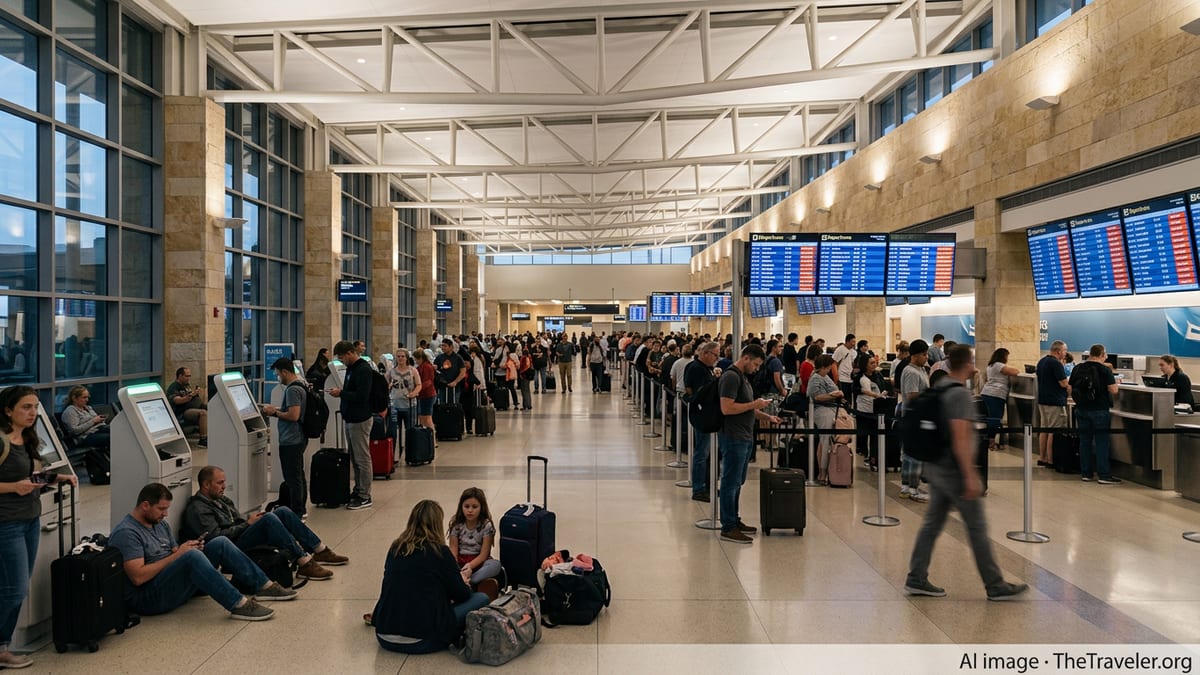


Air Freight Cost Surge 2025 | Critical Logistics Strategy Shift for E-Commerce Sellers
- Rising airfares compress margins 8-15% for sellers shipping perishables, electronics, and high-value items via air freight; immediate sourcing and fulfillment strategy adjustments required









Overview
Rising aviation costs are fundamentally reshaping cross-border e-commerce logistics economics. Financial Times analysis indicates plane ticket prices are poised for significant increases, driven by fuel costs, labor negotiations, and capacity constraints. For e-commerce sellers relying on air freight for time-sensitive shipments, this translates directly into compressed profit margins—particularly for perishable goods, electronics, and high-value items requiring expedited delivery. The aviation industry's cost pressures signal a critical inflection point where sellers must immediately reassess their logistics strategies or face margin erosion of 8-15% on air-shipped categories.
The operational impact is immediate and quantifiable. Air freight currently represents 15-20% of total logistics costs for time-sensitive cross-border shipments, with rates typically ranging from $4-8 per kilogram depending on route and carrier. Rising fuel surcharges and capacity constraints are pushing these rates toward $5-10 per kilogram, directly impacting landed costs for sellers. For a seller shipping 500kg monthly of electronics via air freight (typical for Amazon FBA restocking), this translates to an additional $500-1,000 monthly cost burden. Sellers operating on 15-25% margins in competitive categories like consumer electronics, cosmetics, and perishable foods face immediate profitability pressure.
Strategic logistics repositioning is now essential. Sellers should immediately implement a three-tier fulfillment strategy: (1) Shift non-urgent inventory to ocean freight (21-35 day transit, $0.80-1.50/kg) for seasonal stock and bulk replenishment—this can reduce costs by 60-70% but requires 6-8 week lead time planning; (2) Concentrate air freight for true time-sensitive categories (fresh foods, fashion-forward electronics, limited-edition items) where premium pricing justifies higher logistics costs; (3) Evaluate regional warehouse positioning to reduce air freight dependency—establishing inventory in US, EU, and Asia-Pacific fulfillment centers via 3PL providers can eliminate 40-50% of air freight needs. Sellers should also negotiate carrier contracts immediately before fuel surcharges increase further, and consider alternative carriers (DHL, FedEx, UPS) that may offer more favorable rates during this transition period.
Immediate inventory and sourcing actions are critical. Sellers should conduct a 90-day audit of air-shipped SKUs, identifying which products can transition to ocean freight without impacting sales velocity. For perishable goods with 30-45 day shelf life, this may require sourcing from closer regional suppliers rather than distant manufacturing hubs. Electronics sellers should consider pre-positioning inventory in regional FBA warehouses (US East Coast, EU Central, Asia-Pacific) 8-12 weeks before peak seasons, reducing reliance on emergency air shipments. High-margin categories (luxury goods, premium electronics) can absorb air freight cost increases through pricing adjustments, while price-sensitive categories (apparel, home goods) must shift to ocean freight or accept margin compression.
Questions 8
Which product categories are most affected by rising air freight costs?
Perishable goods, electronics, cosmetics, and high-value items requiring expedited delivery face the greatest margin compression from rising air freight costs. These categories typically operate on 15-25% margins and rely on air freight for time-sensitive delivery to maintain competitive advantage. Perishable foods with 30-45 day shelf life are particularly vulnerable, as are fashion-forward electronics and limited-edition items with short selling windows. Sellers in these categories should prioritize sourcing from regional suppliers closer to target markets to reduce air freight dependency.
How much will rising airfares increase my air freight shipping costs?
Air freight rates are rising 8-15% due to fuel surcharges and capacity constraints, pushing costs from $4-8/kg toward $5-10/kg depending on route and carrier. For a seller shipping 500kg monthly of electronics via air freight, this represents an additional $500-1,000 monthly cost. The Financial Times analysis indicates these pressures will persist as fuel costs, labor negotiations, and capacity constraints continue affecting the aviation industry. Sellers should immediately lock in carrier contracts before rates increase further and audit which SKUs truly require air freight versus ocean freight alternatives.