


Oil Price Surge & Iran Conflict Risk | Cross-Border Shipping Cost Crisis 2026-2027
- Fuel surcharges spike 8-15% as crude hits $89/barrel; sellers face sustained margin compression through 2027


























Overview
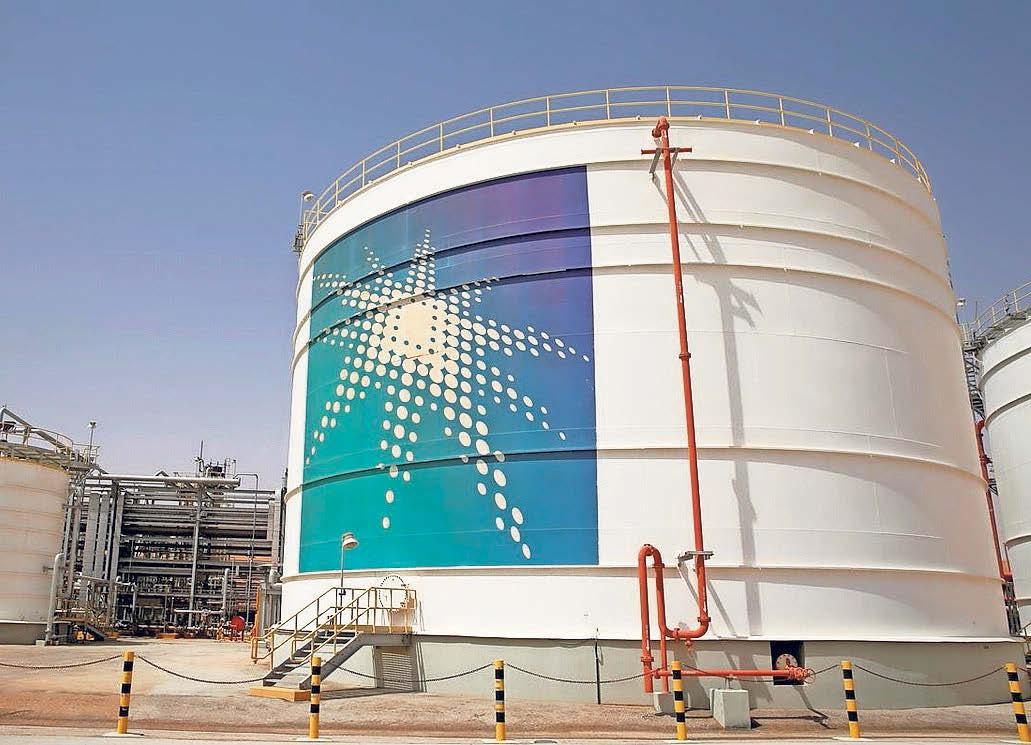
Critical Geopolitical Risk Reshaping E-Commerce Logistics Economics: Saudi Aramco CEO Amin Nasser's May 11, 2026 announcement that global oil markets won't normalize until the Iran conflict resolves within weeks signals a prolonged shipping cost crisis for cross-border e-commerce sellers. Oil futures trading at $89/barrel (up $47 year-to-date) indicate market skepticism about quick resolution, with normalization potentially extending into 2027. This creates a 12-18 month window of elevated fuel surcharges impacting fulfillment expenses across Amazon FBA, eBay, Shopify, and 3PL providers.
Direct Seller Impact - Quantified: Historical precedent shows oil price volatility translates to e-commerce logistics cost increases within 4-6 weeks. For sellers shipping 1,000+ units monthly via air freight, fuel surcharges typically increase 8-15% during supply disruptions. Ocean freight faces similar pressures from tanker repositioning delays and extended transit times. A mid-sized seller with $50,000 monthly fulfillment costs could face $4,000-7,500 additional monthly expenses. Sellers relying on Amazon FBA face compounded pressure as fulfillment fees already increased 5-8% in early 2026; additional fuel surcharges compress margins by 12-18% for low-margin categories (electronics, apparel, home goods).
Strategic Sourcing Advantage - Aramco's Pipeline Bypass: Aramco's ability to deliver 7 million barrels daily via pipeline infrastructure without Strait of Hormuz transit demonstrates critical supply chain diversification. Sellers should monitor which logistics providers have alternative routing capabilities. Carriers with Middle East pipeline access or non-Hormuz shipping corridors (India-Europe direct routes, Southeast Asia-US Pacific routes) will command premium pricing but offer delivery reliability. This creates competitive advantage for sellers willing to shift 20-30% of inventory to 3PL providers with diversified logistics networks.
Timing Window & Competitive Dynamics: The extended timeline into 2027 suggests sustained elevated shipping costs, requiring immediate pricing strategy adjustments. Sellers in energy-dependent categories (electronics requiring air freight, perishables with temperature-controlled shipping) face highest margin compression. Conversely, sellers with inventory already positioned in destination markets (US-based sellers with UK/EU warehouses, China-based sellers with US fulfillment centers) gain competitive advantage as they avoid international shipping surcharges. Small sellers (<$100K annual revenue) face disproportionate impact as they lack negotiating power with carriers; larger sellers (>$1M revenue) can lock in long-term shipping contracts at current rates.
Questions 7
What compliance or documentation changes do I need for alternative shipping routes?
If shifting to alternative 3PL providers or non-standard shipping corridors, verify their customs documentation capabilities. Carriers using non-Hormuz routes (India-Europe direct, Southeast Asia-US Pacific) may require different customs forms or have different duty calculation procedures. Ensure your 3PL provider maintains current HS code classifications and tariff documentation for your product categories. For sellers using Shopify or eBay, verify that your shipping integrations support alternative carrier selection without breaking automated customs forms. Amazon FBA sellers have no choice in routing, but should monitor Aramco and carrier announcements for any supply chain disruptions that could delay FBA inventory receipt. No new regulatory compliance is required, but documentation accuracy becomes critical when using alternative routes. Audit your customs documentation by June 2026 before peak shipping season.
When should I adjust my product pricing to account for fuel surcharge increases?
Adjust pricing immediately (within 7-14 days) for products with high shipping cost sensitivity. For air freight categories (electronics, apparel), increase prices 5-8% to offset 8-15% fuel surcharge increases (absorb 3-7% margin compression). For ocean freight categories, increase prices 3-5%. Monitor your competitor pricing daily using tools like Keepa or Jungle Scout; if competitors haven't adjusted yet, you have 2-4 week window to increase prices before market-wide adjustments. Avoid aggressive pricing increases that trigger Amazon algorithm penalties or eBay Best Match downgrades; instead, implement gradual increases across 2-3 weeks. For Shopify sellers, adjust prices immediately as you have direct control. Consider dynamic pricing strategies that adjust based on real-time fuel surcharge announcements from carriers. Sellers who delay pricing adjustments until Q3 2026 will face margin compression as competitors have already captured price increases.