




UK Steel Nationalization 2026 | Critical Supply Chain Shift for Cross-Border Sellers
- Government takes full control of Scunthorpe mill; £400M+ invested; affects pricing for steel-dependent e-commerce sellers and UK logistics infrastructure




























Overview
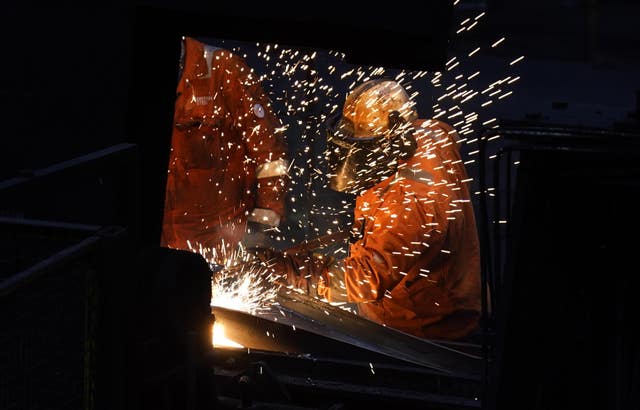
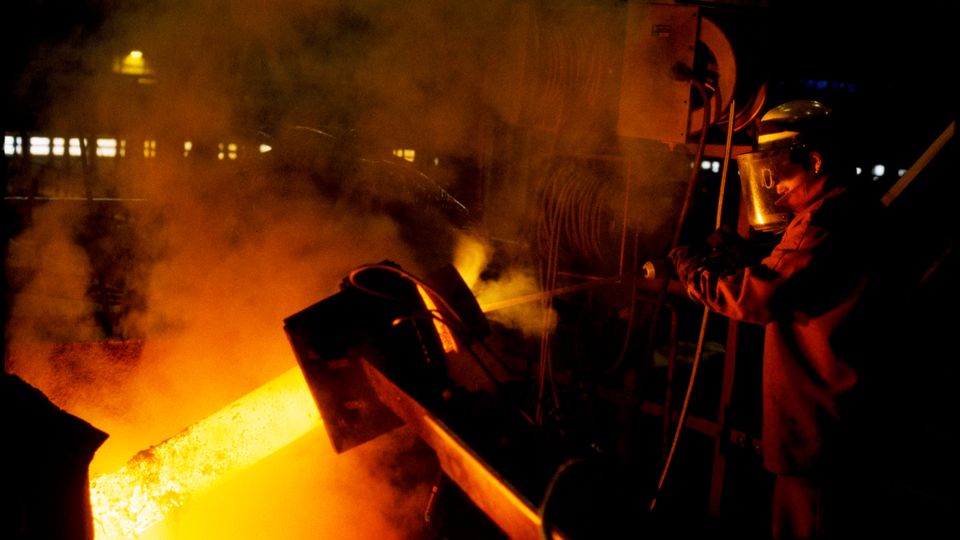
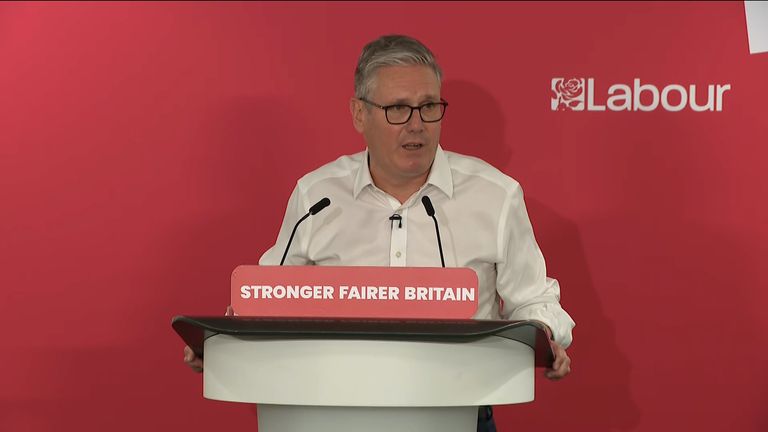
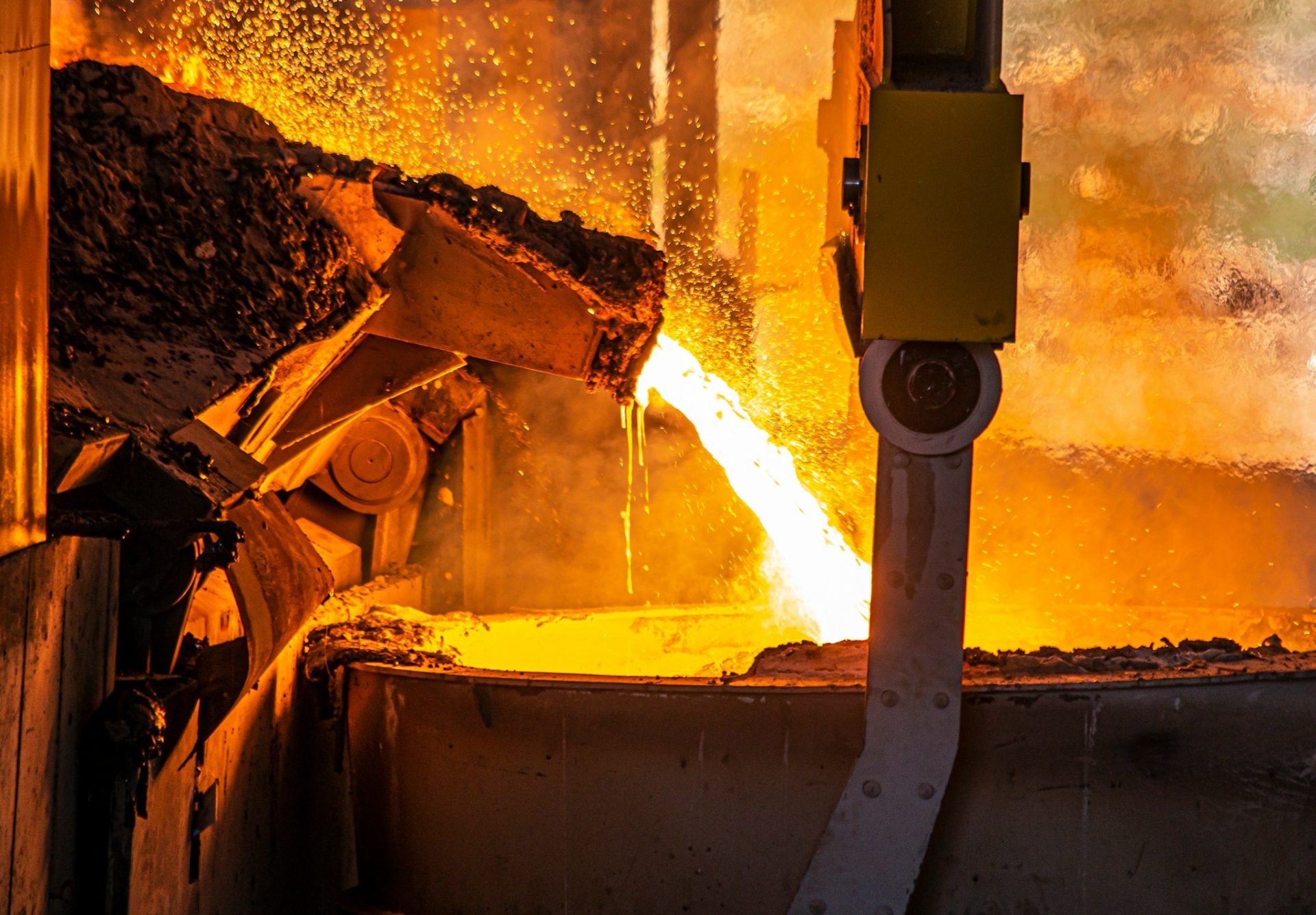
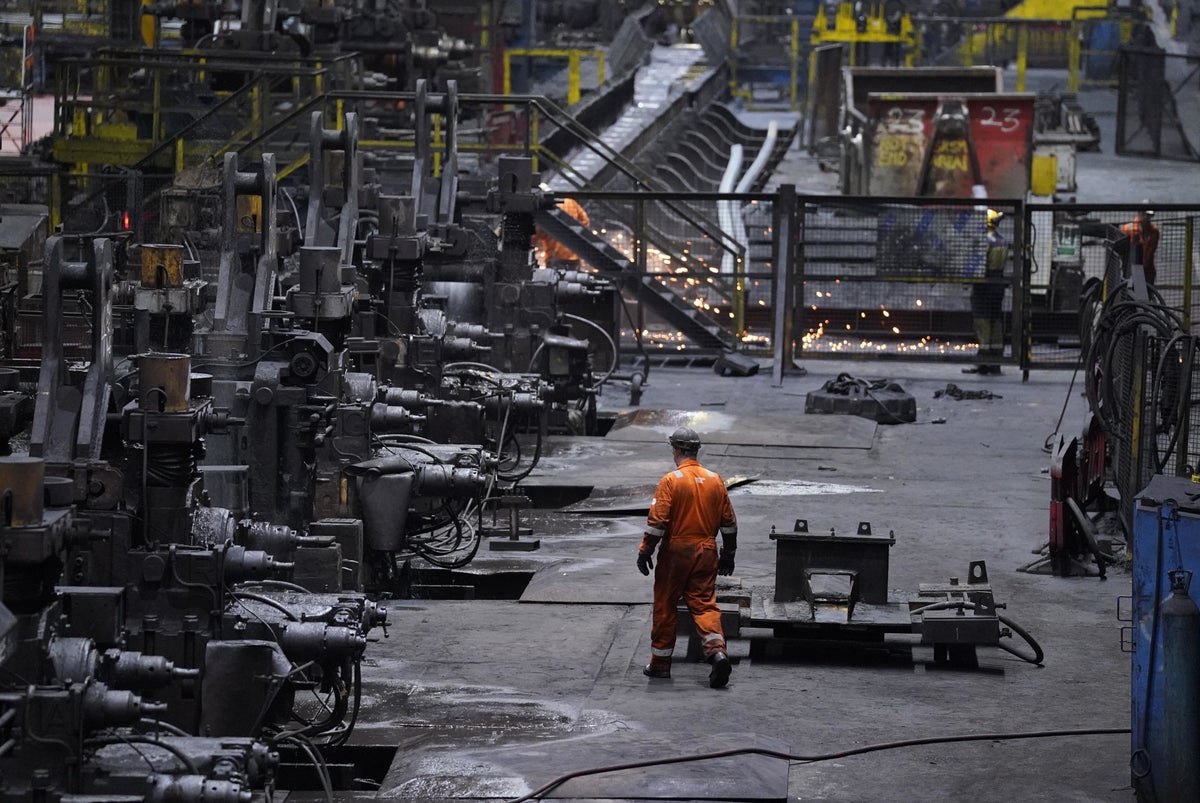
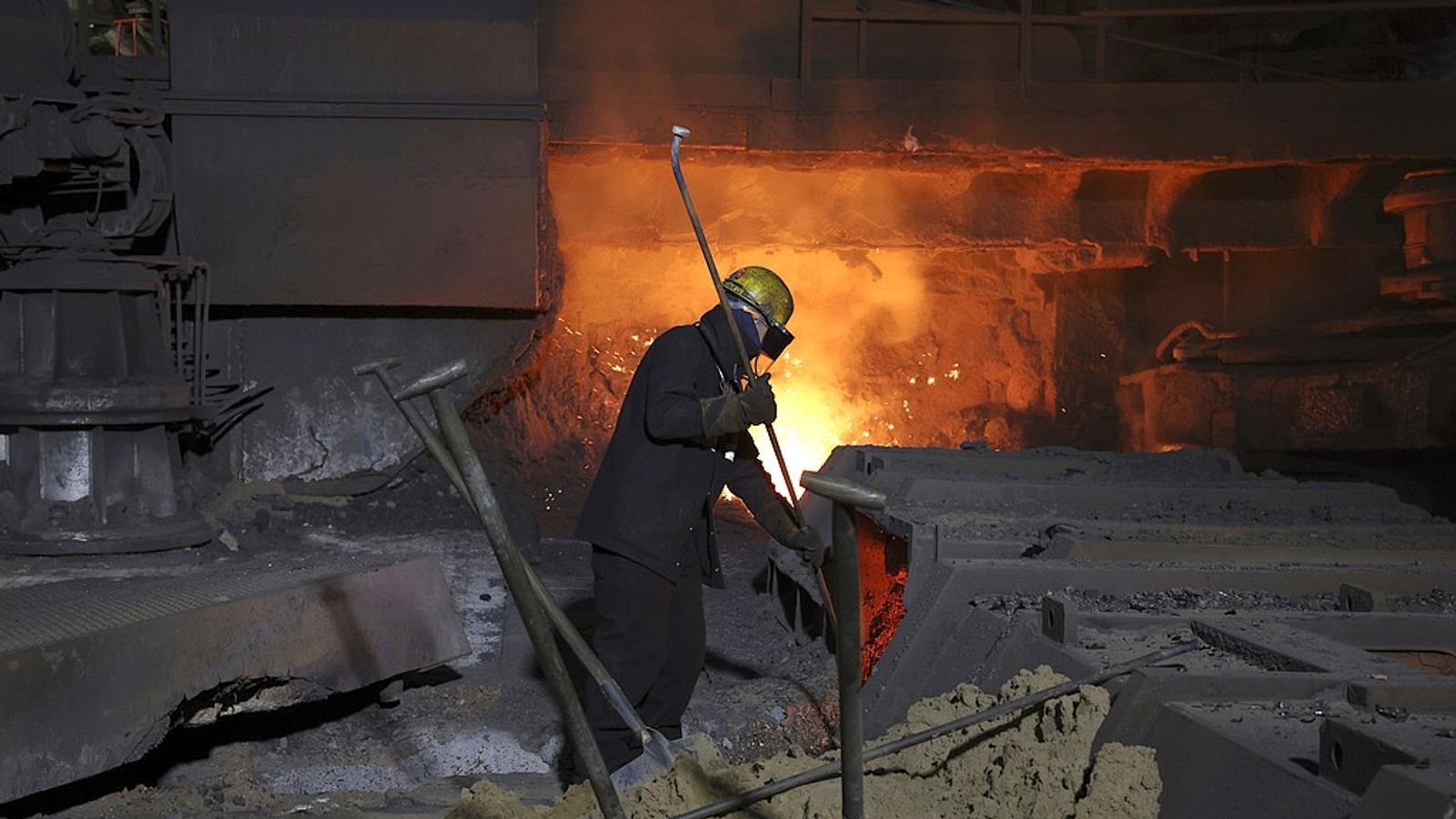
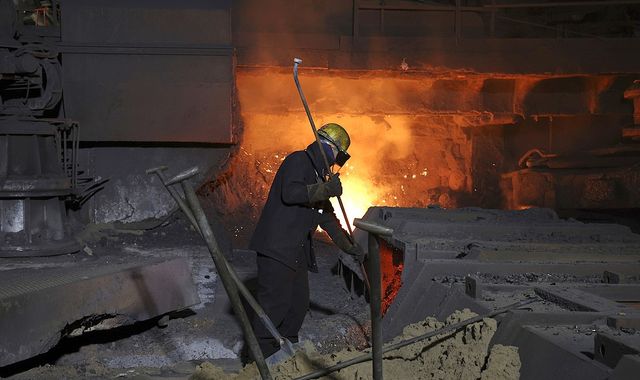
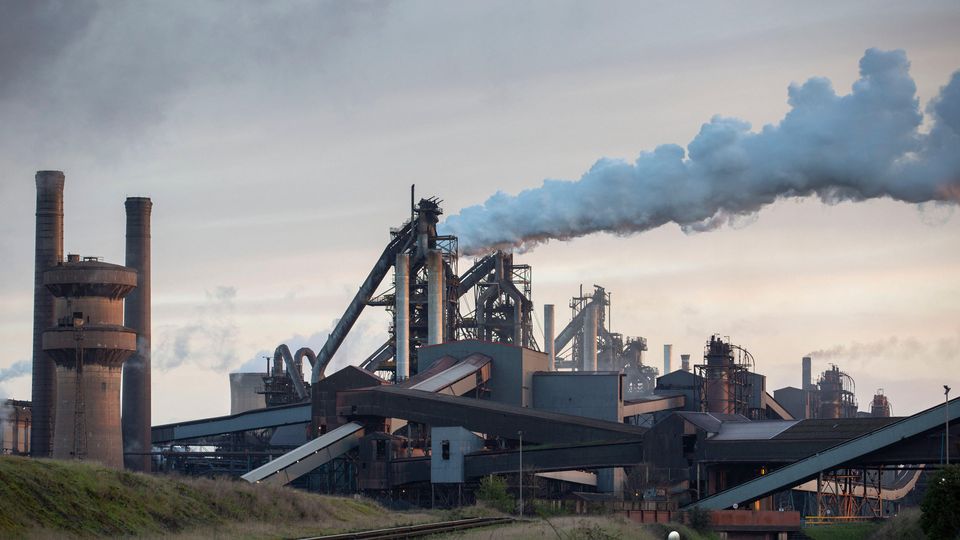
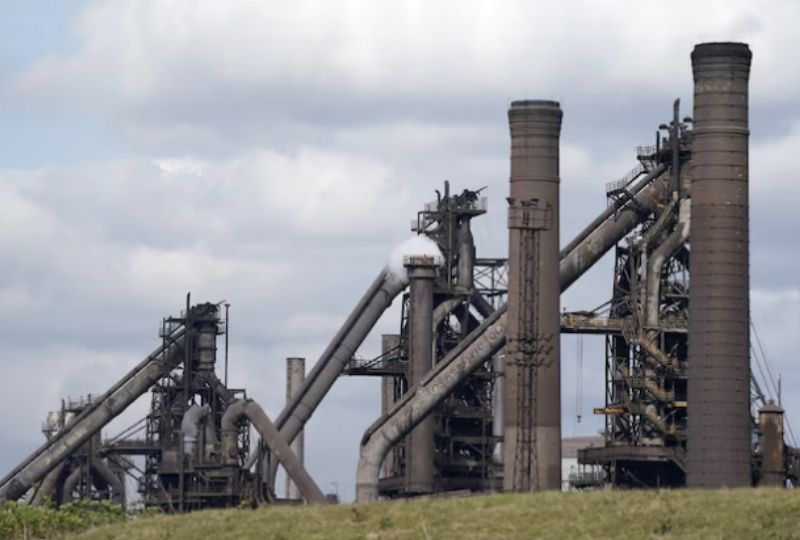
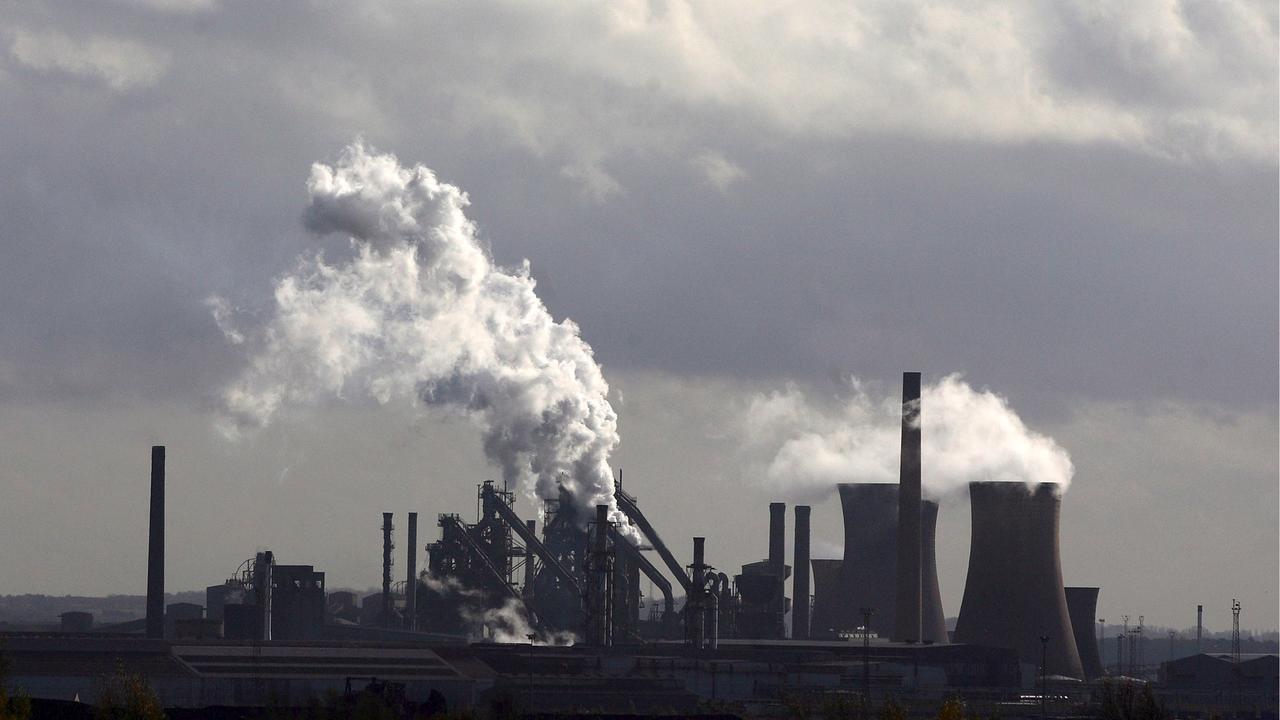
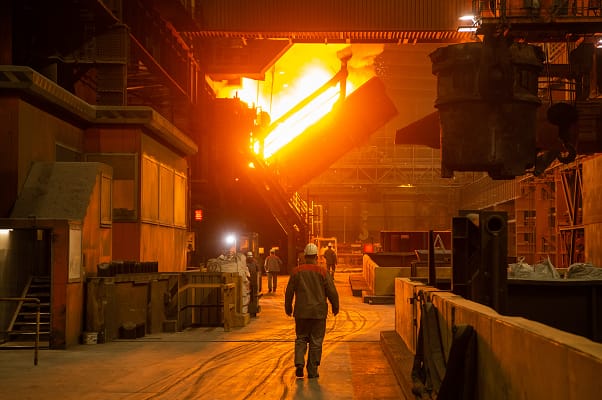
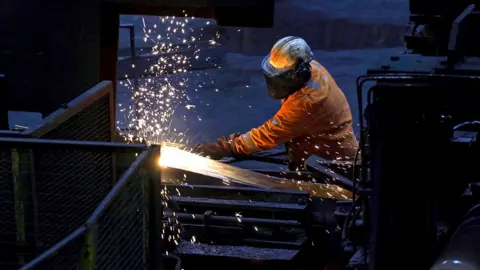
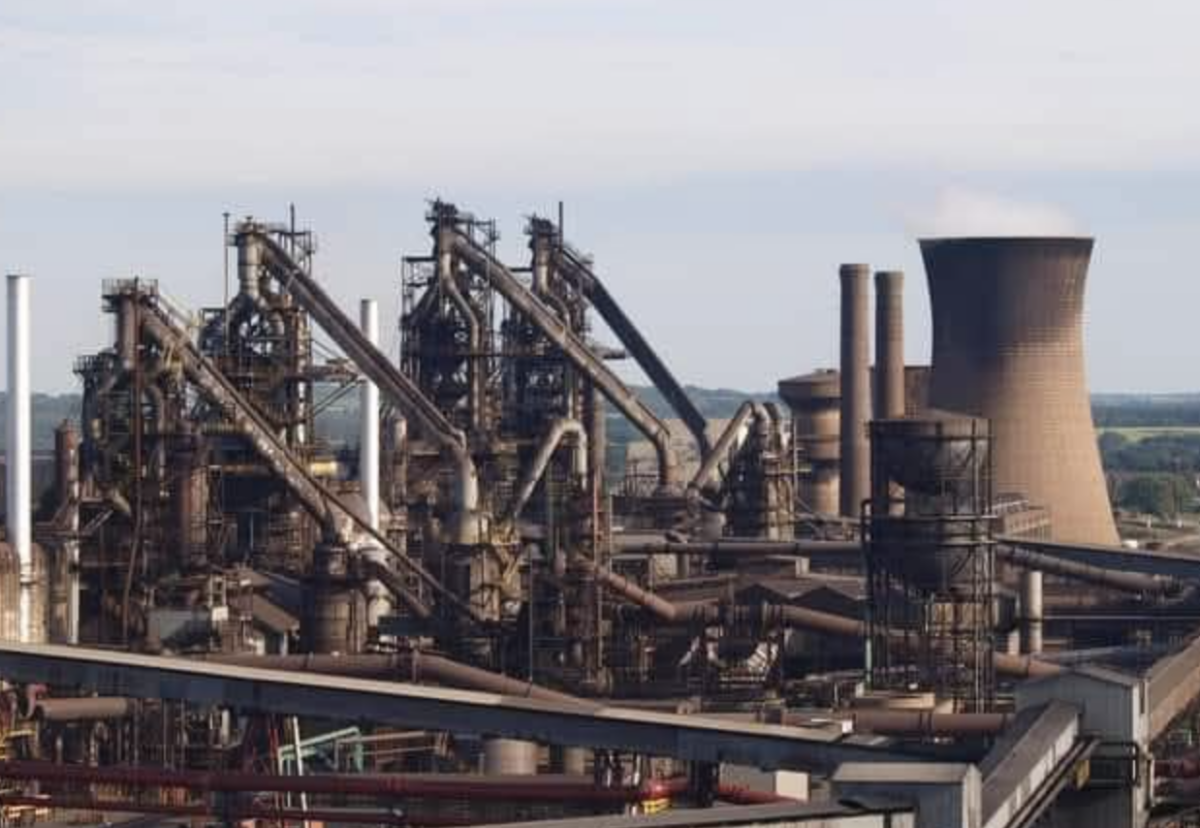
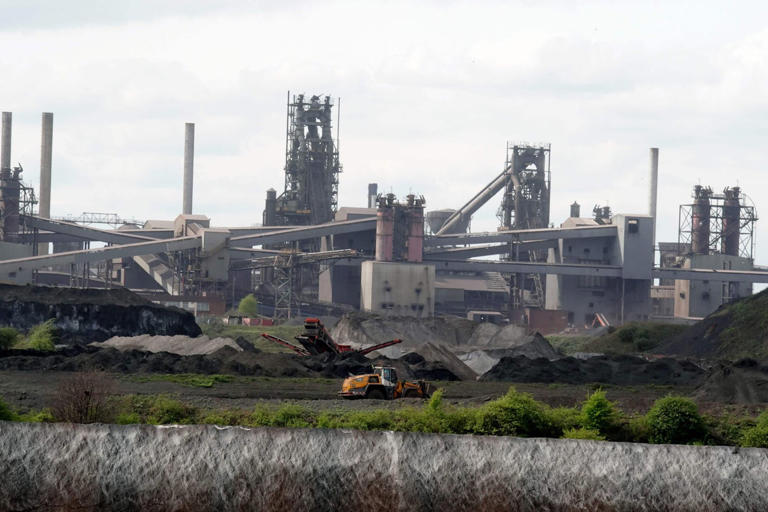
The UK government's May 2026 nationalization of British Steel marks a watershed moment for cross-border e-commerce sellers relying on UK-manufactured steel components and rail-dependent logistics. Prime Minister Keir Starmer announced full public ownership of the Scunthorpe facility—Britain's only remaining crude steel production capacity—after emergency intervention in April 2025 when Chinese owner Jingye faced £700,000 daily losses. The government has already invested over £400 million to maintain operations and the 4,000-strong workforce. This represents the first return to public ownership since 1988 and signals a fundamental shift in UK industrial policy toward supply chain sovereignty.
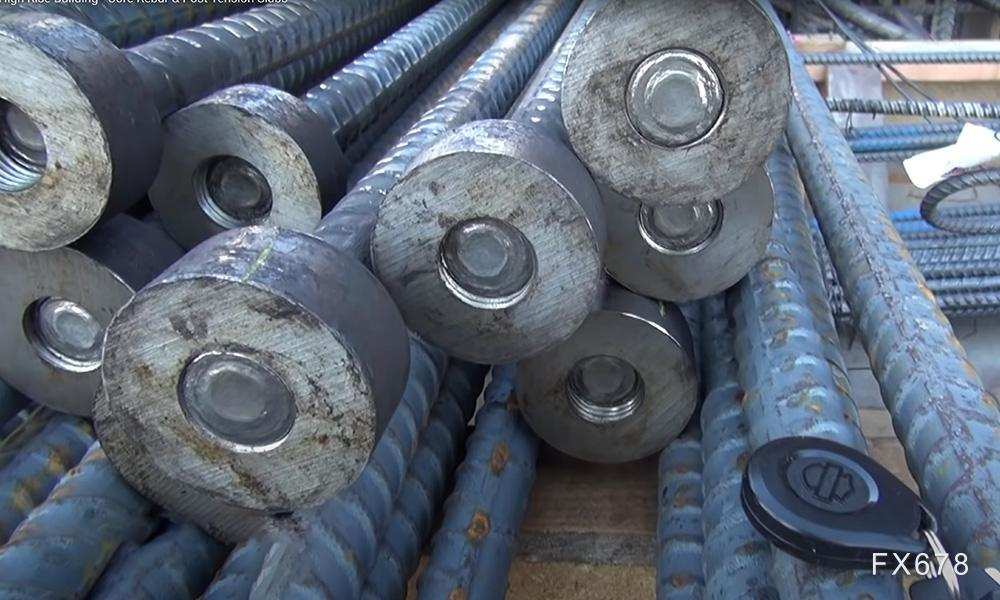
For e-commerce sellers, this nationalization creates a dual-impact scenario on sourcing costs and logistics reliability. The government aims to meet 50% of Britain's domestic steel demand domestically, which will stabilize supply chains for sellers using UK-manufactured steel in tools, hardware, automotive parts, and industrial equipment categories. However, the transition involves substantial decarbonization investments—converting coke-powered furnaces to electric—that will likely increase production costs by 8-15% over the next 2-3 years. Sellers sourcing steel components from Scunthorpe should anticipate 5-12% price increases as the government implements modernization strategies. The National Audit Office projects costs could exceed £951.5 billion by 2028 if current spending continues, suggesting aggressive cost-recovery measures through pricing. Additionally, the government's stated priority to "secure the steel supply chain's future" indicates potential preferential procurement policies favoring UK-based manufacturers and sellers, creating competitive advantages for domestic suppliers while potentially disadvantaging importers.
The broader geopolitical context amplifies opportunities for strategic sourcing diversification. This nationalization reflects global trends of governments protecting critical infrastructure—similar to US tariff policies and EU supply chain resilience initiatives. Sellers currently dependent on Chinese steel imports (which faced US tariffs) now have a viable UK alternative, though at higher costs. The legislation formalizing nationalization will be presented in the King's Speech, with an independent valuation determining compensation to Jingye. Trade unions are calling for government-funded projects to prioritize UK steel procurement, signaling potential demand spikes in construction, rail, and infrastructure categories. Sellers in these sectors should monitor government infrastructure spending announcements, as public procurement preferences could create 20-30% volume opportunities for UK-manufactured products over the next 18-24 months.
Questions 8
How does UK steel nationalization compare to US tariff policies and EU supply chain strategies?
All three represent government intervention to protect critical infrastructure: US tariffs increase import costs (25% on steel), UK nationalization ensures domestic production capacity, and EU supply chain resilience initiatives diversify sourcing. UK nationalization is more aggressive than tariffs—it removes private ownership and guarantees government control over pricing and allocation. Unlike US tariffs that favor domestic producers through cost disadvantages for importers, UK nationalization could create preferential procurement for UK-based sellers. Sellers should view this as complementary to US tariff strategies, creating a three-tier sourcing landscape: US (tariff-protected), UK (government-controlled), and alternative sources (Vietnam, India).
What is the timeline for UK steel price increases and decarbonization investments?
The government's decarbonization roadmap spans 2-3 years, with initial price increases of 5-8% expected within 12 months as modernization begins. Full electric furnace conversion requires substantial additional investment beyond the £400 million already committed, likely triggering 10-15% cumulative price increases by 2028. The National Audit Office projects costs could exceed £951.5 billion by 2028 if current spending continues, suggesting aggressive cost-recovery measures. Sellers should lock in long-term contracts before Q3 2026 to avoid steeper price escalations during the 2027-2028 modernization phase.