
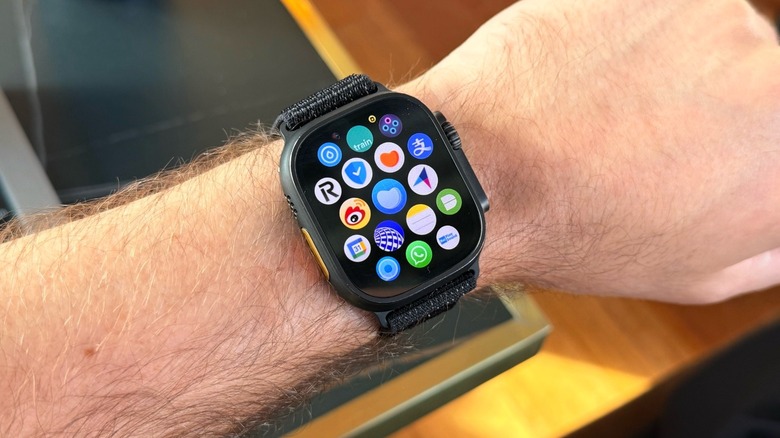


Apple Watch Series 12 Abandons Touch ID | Battery & Health Focus Reshapes Wearables Market 2026
- Apple prioritizes battery life and health sensors over biometric features; Series 12 launching Fall 2026 with incremental updates signals conservative hardware strategy affecting accessory sellers and third-party wearable ecosystem
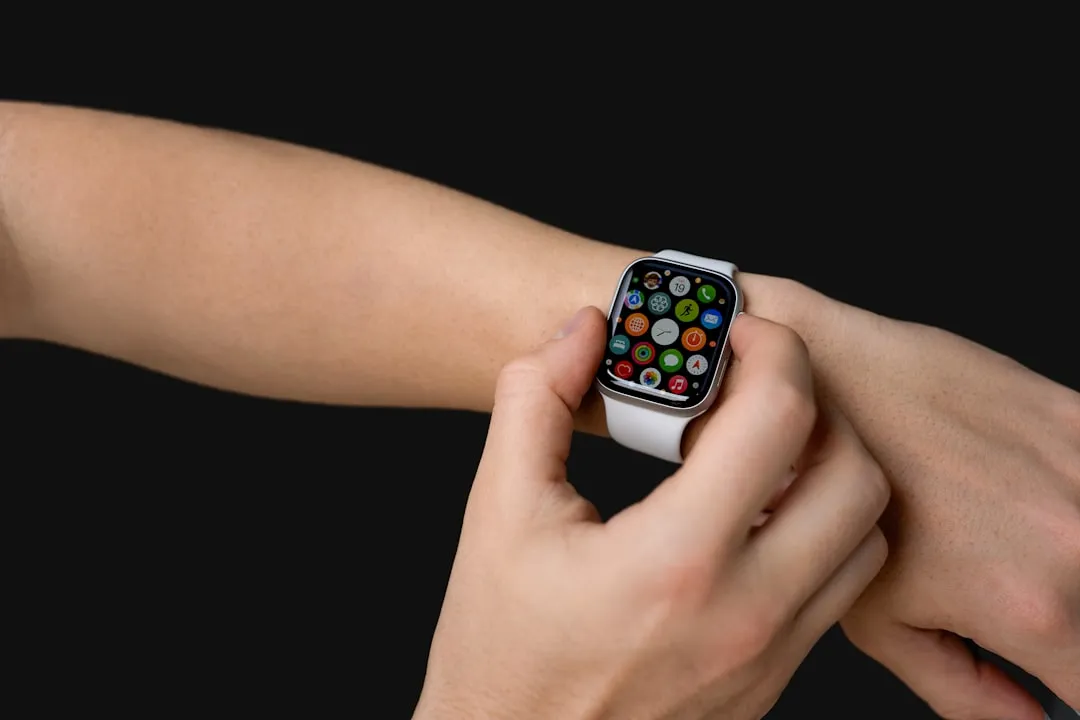
Overview
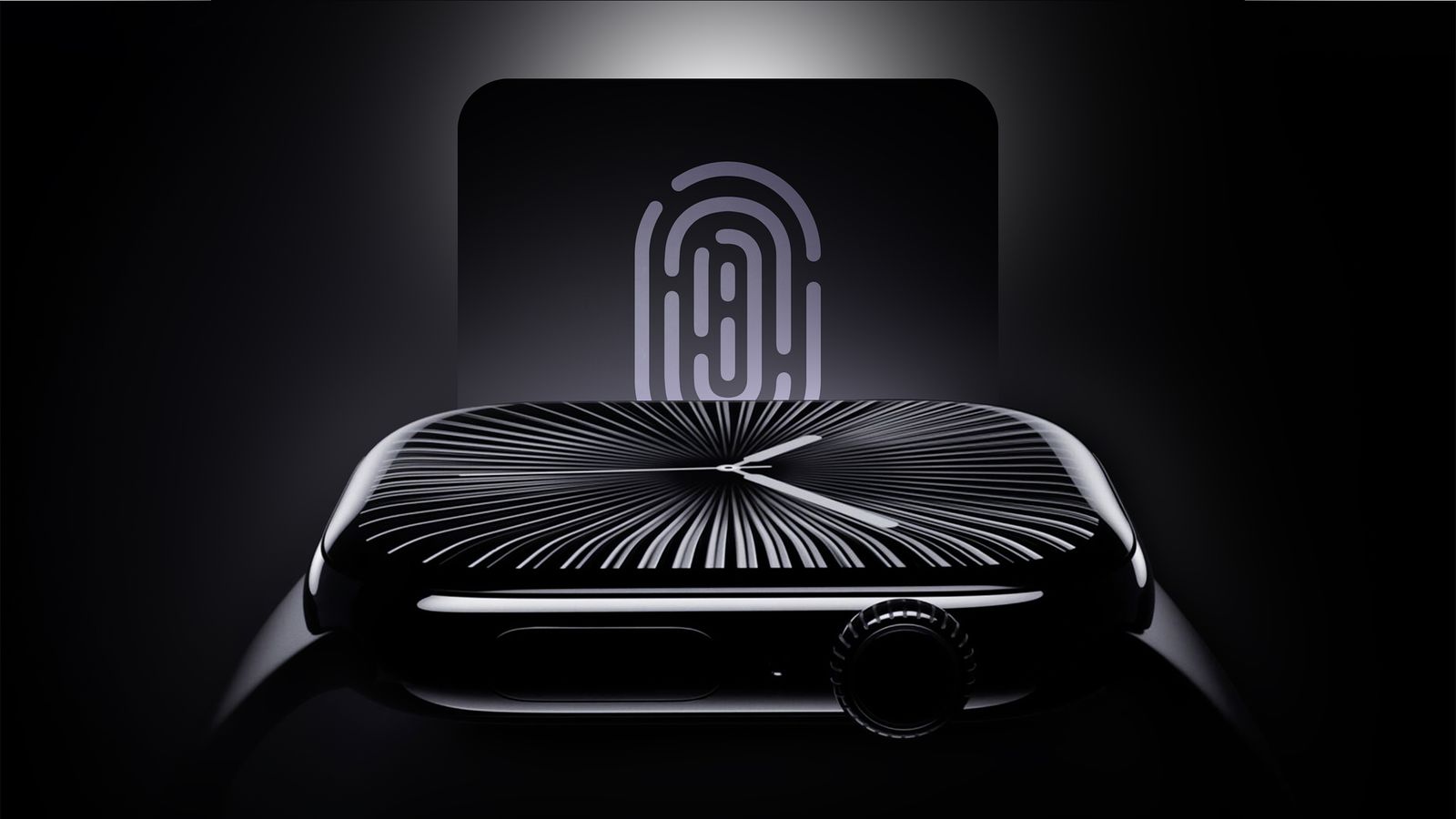
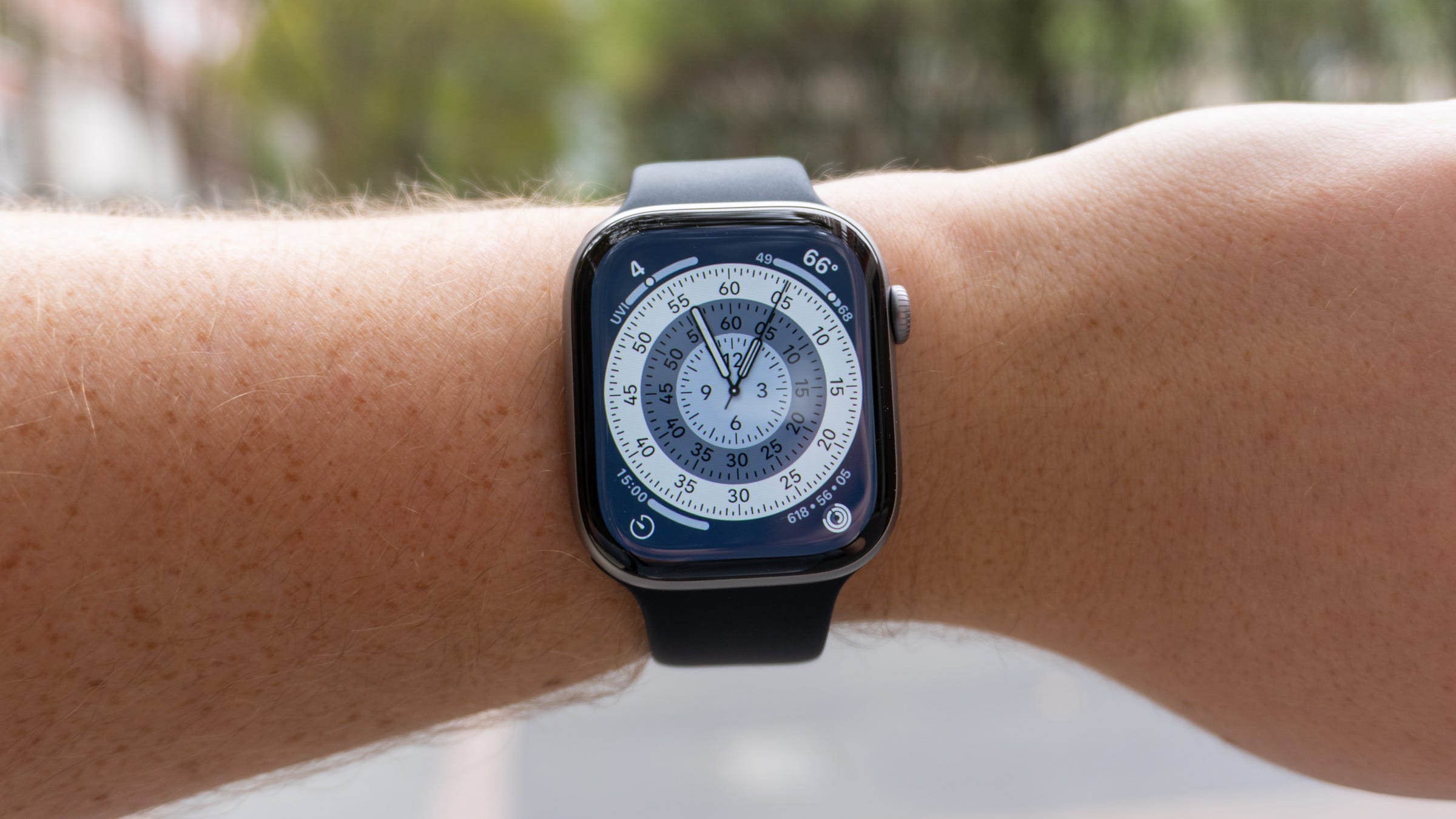
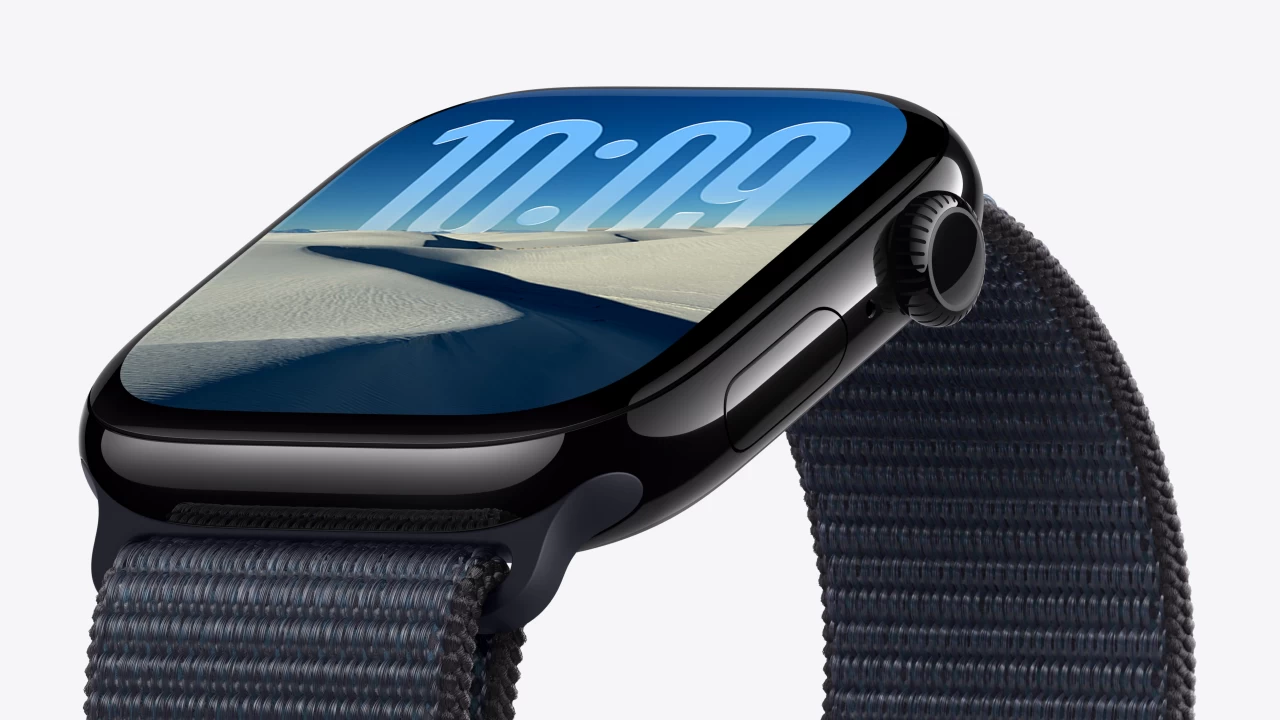
Apple's decision to reject Touch ID integration for the Apple Watch Series 12 (launching Fall 2026) represents a critical strategic pivot that directly impacts the $15B+ global smartwatch accessories market and creates immediate opportunities for e-commerce sellers. The company abandoned biometric authentication despite patent filings (2020) and leaked code (August 2025) referencing "AppleMesa," Apple's internal Touch ID codename, due to two economic constraints: manufacturing cost pressures from memory component expenses and physical space conflicts with battery expansion priorities. This decision signals Apple's commitment to incremental hardware updates rather than disruptive features—the Series 12 will maintain Series 11's design with no significant visual overhaul, continuing a pattern of minimal structural changes since the Series 4 redesign.
For e-commerce sellers, this creates three immediate opportunities: First, the conservative hardware strategy means accessory compatibility remains stable through 2026-2027, allowing sellers to build inventory confidence in existing watch band, case, and screen protector categories without rapid obsolescence risk. Second, Apple's focus shift toward software innovation (watchOS 27 with enhanced Siri, potential Emergency SOS satellite expansion to standard models) creates demand for AI-powered watch apps and health-tracking accessories that complement rather than compete with Apple's ecosystem. Third, the delayed blood glucose sensor development (described as the "Holy Grail" after a decade of R&D with no successful integration) signals that third-party health sensor manufacturers have a 2-3 year window to capture market share in non-invasive glucose monitoring accessories before Apple potentially launches.
The broader market implication: Apple's rejection of Touch ID reflects industry-wide trends prioritizing battery longevity over biometric features in wearables. This validates seller strategies focused on battery-extension accessories (portable chargers, solar charging bands) and health monitoring add-ons rather than security-focused products. The Series 12's expected strong sales momentum (due to established upgrade cycles and dominant market position) means the installed base will grow 15-20% annually, expanding the addressable market for third-party accessories. Sellers should anticipate watchOS 27 announcements at WWDC 2026 (June) as a trigger for new app-based product launches and compatibility updates. The conservative design approach also suggests Apple Watch Ultra 3 (with exclusive Emergency SOS satellite) will remain the premium differentiation point, creating a two-tier accessory market where Ultra-specific products command 25-35% price premiums.
Questions 8
What does Apple Watch Series 12's conservative design mean for accessory sellers?
The Series 12 will maintain Series 11's design with no significant visual overhaul, meaning accessory compatibility remains stable through 2026-2027. This reduces obsolescence risk for watch band, case, and screen protector inventory. Sellers can confidently build stock in existing categories without rapid design changes. The conservative approach also signals Apple's focus on software innovation (watchOS 27) rather than hardware disruption, creating demand for app-based health and fitness accessories that complement the ecosystem rather than compete with it.
How does Apple's battery focus strategy impact third-party wearable accessory opportunities?
Apple's commitment to larger batteries and extended device usage creates immediate demand for battery-extension accessories including portable chargers, solar charging bands, and fast-charging solutions. The company's decade-long struggle to integrate non-invasive blood glucose sensors signals a 2-3 year window for third-party health sensor manufacturers to capture market share before Apple potentially launches. Sellers should prioritize health monitoring add-ons, fitness tracking accessories, and battery-related products that align with Apple's stated priorities rather than competing security features.