




AI Model Supply Chain Attacks Hit 244K Downloads | Seller Data Security Crisis
- Malicious AI repositories expose 244,000+ downloads of credential-stealing malware; sellers using AI tools face credential theft, wallet compromise, and session hijacking risks



Overview
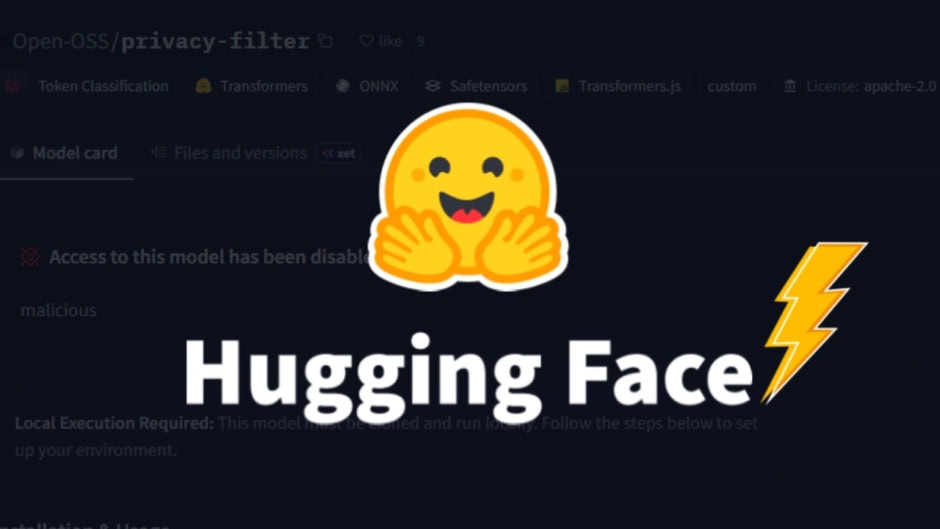
The AI supply chain security crisis directly threatens e-commerce sellers using AI-powered tools for automation, pricing optimization, and customer service. A sophisticated attack on Hugging Face—the world's largest AI model repository—distributed infostealer malware through 244,000 downloads of a fake "Open-OSSprivacy-filter" model impersonating OpenAI's legitimate release. The malware targeted Chromium/Firefox browsers, Discord storage, cryptocurrency wallets, and FileZilla configurations while stealing system credentials and session cookies. This represents a critical vulnerability for sellers who increasingly integrate open-source AI models directly into their e-commerce operations for product research, dynamic pricing, inventory forecasting, and customer service automation.
For e-commerce sellers, the operational impact is severe and immediate. Sellers using AI tools from unverified sources face credential theft that bypasses multifactor authentication through stolen session cookies—compromising Amazon Seller Central accounts, Shopify admin panels, payment processor access, and cryptocurrency wallets used for cross-border transactions. The attack chain included six additional malicious repositories using identical infrastructure, linked to earlier npm typosquatting and PyPI supply-chain attacks, indicating a coordinated campaign targeting developers. HiddenLayer's analysis shows the fake model reached #1 trending status on Hugging Face with artificially inflated metrics (667 likes in 18 hours), demonstrating sophisticated social engineering that could deceive sellers evaluating AI tools for business automation.
The governance gap creates immediate risk for sellers deploying AI systems. Gartner analyst Jaishiv Prakash emphasizes that traditional software composition analysis tools fail to detect malicious logic embedded in AI repositories—meaning sellers' standard security practices won't catch compromised AI models. IDC predicts that by 2027, 60% of enterprises deploying agentic AI systems will require AI bills of materials for continuous vulnerability scanning, but most sellers lack these controls today. For sellers currently using AI for inventory management, pricing optimization, or customer service chatbots sourced from open repositories, the risk window is open now. Hugging Face confirmed the repository violated terms of service and removed it, but the incident highlights that sellers cloning open-source models directly into corporate environments with access to source code, cloud credentials, and internal systems face exponential compromise risk.
**Immediate seller actions: (1) Audit all AI tools and models currently deployed—identify source repositories and verify legitimacy through official documentation only; (2) Rotate all credentials (Amazon, Shopify, payment processors, cryptocurrency wallets) immediately if any AI tools were installed from unverified sources; (3) Implement model source validation by requiring AI tools only from verified vendors with security certifications; (4) Enable session monitoring and invalidate all active sessions across platforms; (5) Block indicators of compromise identified by HiddenLayer and conduct historical network audits. Strategic adjustment: Shift from open-source AI models to enterprise-grade, vendor-supported AI tools with security guarantees and supply chain transparency. Risk mitigation: Treat any system that downloaded the malicious model as fully compromised—prioritize reimaging over cleanup per HiddenLayer recommendations.
Questions 8
Which seller business functions are most vulnerable to this type of AI supply chain attack?
Sellers using AI for inventory forecasting, dynamic pricing optimization, product research automation, and customer service chatbots face the highest risk because these functions require integrating open-source AI models directly into corporate environments with access to source code, cloud credentials, and internal systems. The malware specifically targeted Chromium and Firefox browsers (used for marketplace management), Discord (seller communication), cryptocurrency wallets (cross-border payment processing), and FileZilla (inventory/supplier file transfers). Sellers in high-margin categories (electronics, luxury goods, cryptocurrency-related products) face additional risk from wallet compromise. The attack chain included multi-stage infection with persistence through scheduled tasks mimicking Microsoft Edge updates, making detection difficult.
What immediate actions should sellers take if they used AI tools from unverified sources?
HiddenLayer recommends treating affected systems as fully compromised and prioritizing reimaging over cleanup. Sellers should: (1) Rotate all credentials immediately across Amazon Seller Central, Shopify, payment processors, and cryptocurrency wallets; (2) Invalidate all active sessions across platforms; (3) Block indicators of compromise identified by HiddenLayer; (4) Conduct historical network hunts to identify lateral movement; (5) Monitor for unauthorized account access or transaction anomalies. Stolen session cookies can bypass multifactor authentication even without stored passwords, so session invalidation is critical. Sellers should also review browser history and Discord local storage for evidence of compromise, as the malware specifically targeted these systems.