


Russia's Strategic Assault on Ukraine Exposes Fragile Peace Negotiations
- Massive Infrastructure Attacks Undermine Diplomatic Efforts in Ongoing Conflict











Overview
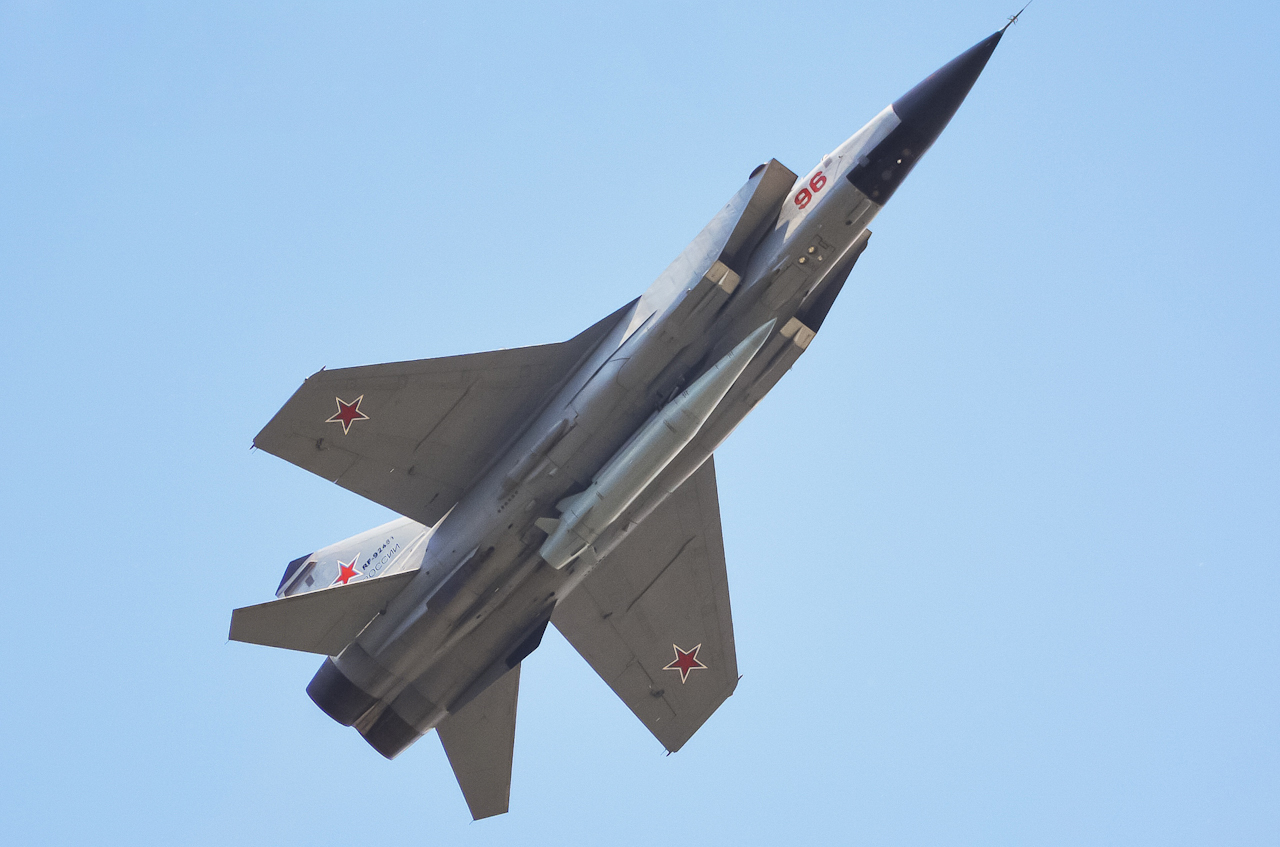
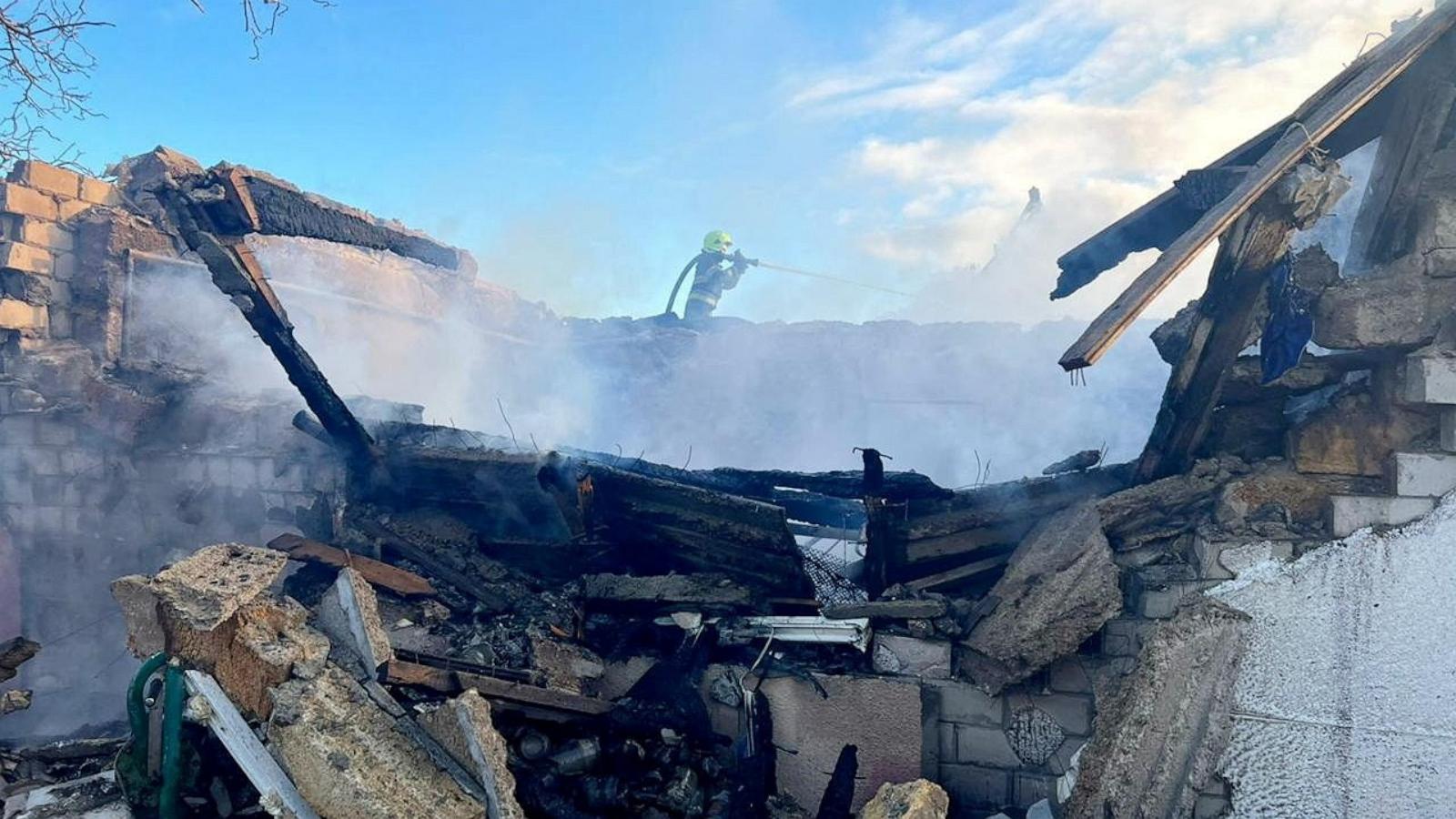
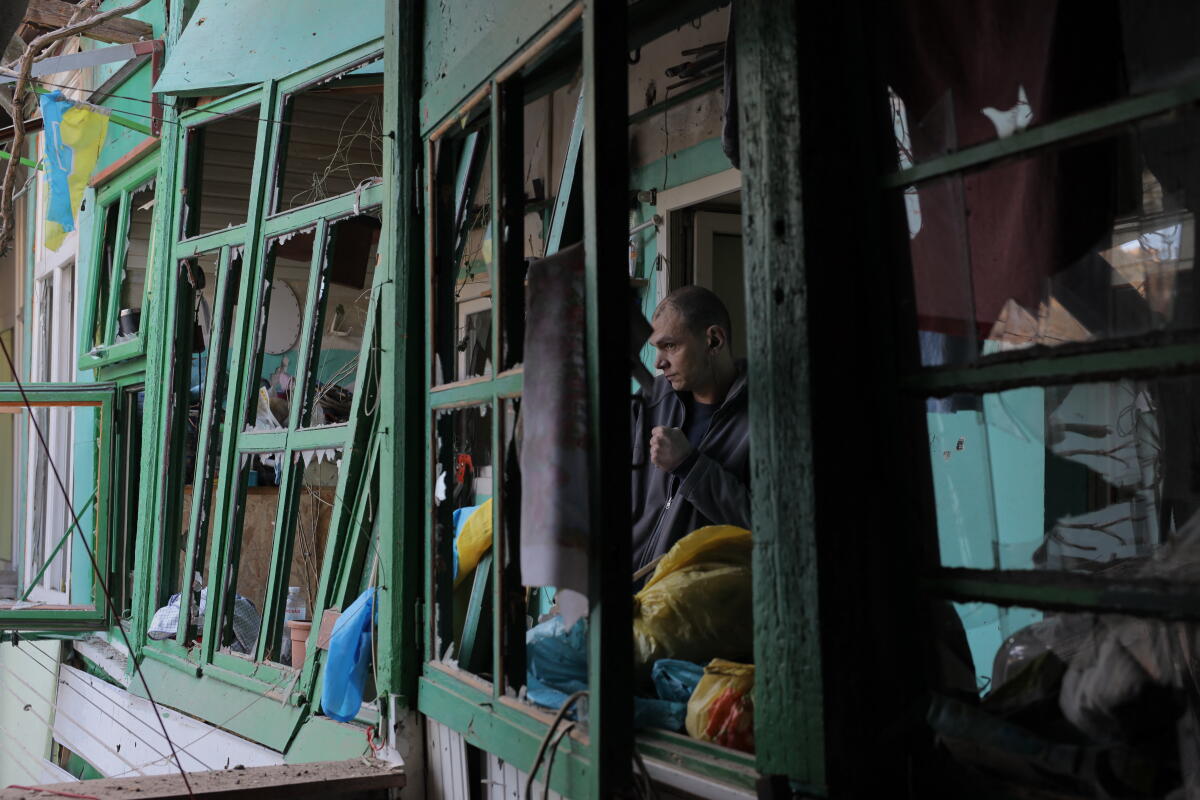
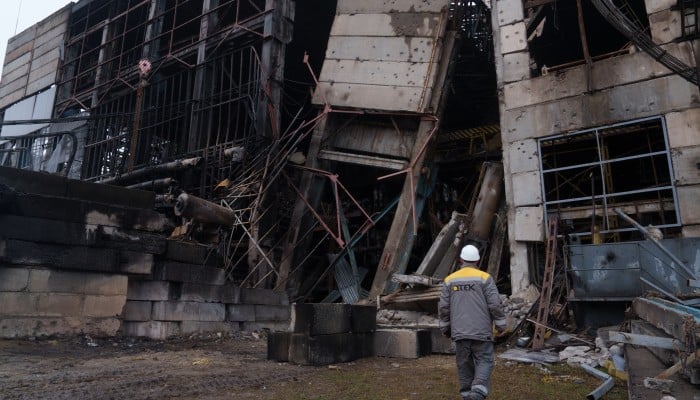
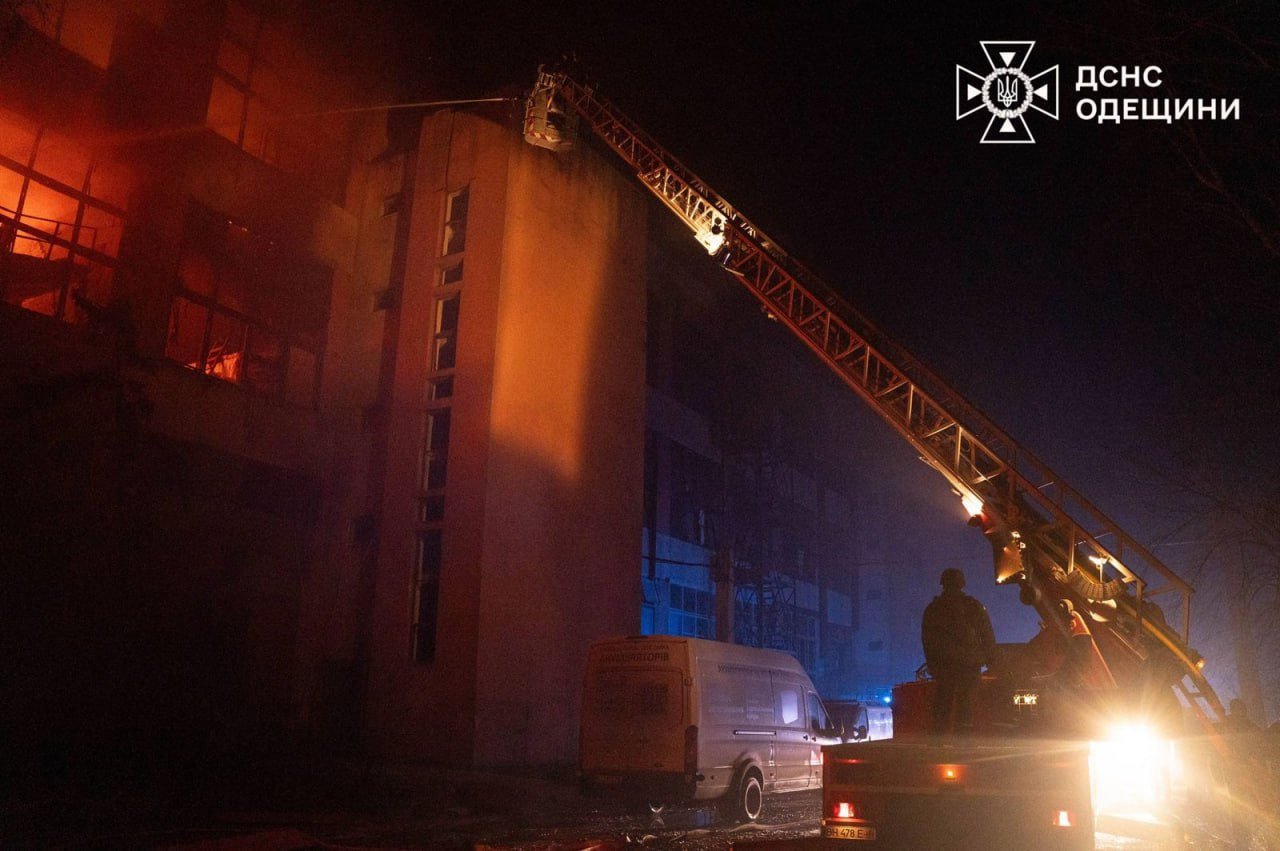
The Russia-Ukraine conflict has reached a critical inflection point, with strategic infrastructure warfare emerging as a pivotal battleground that fundamentally challenges diplomatic resolution attempts. On December 13-14, 2025, Russia launched a massive coordinated attack involving over 450 drones and 30 missiles, specifically targeting Ukraine's critical energy infrastructure in the Odesa region. This assault was meticulously designed to create maximum disruption, leaving more than one million households without electricity and demonstrating a calculated strategy of economic and humanitarian destabilization.
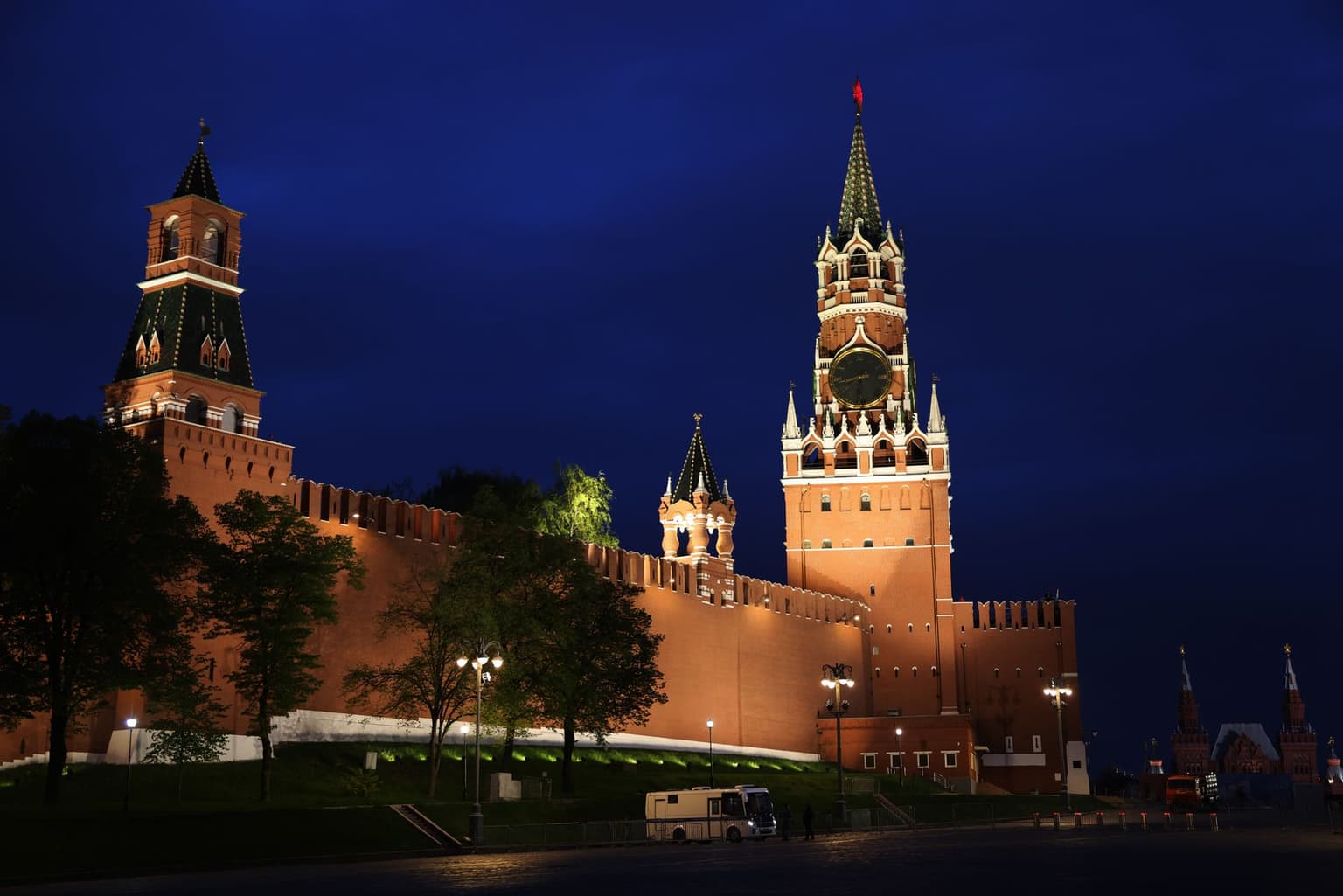
The timing of these attacks is particularly significant, occurring simultaneously with ongoing peace negotiations. This synchronization reveals a deliberate geopolitical messaging strategy: Russia is simultaneously engaging in diplomatic talks while maintaining aggressive military pressure. The Kremlin's dual-track approach suggests a negotiation tactic rooted in demonstrating military dominance while ostensibly participating in peace discussions.
Key strategic indicators point to a broader Russian objective beyond immediate military gains. By systematically targeting energy infrastructure, Russia is effectively weaponizing winter against Ukraine, creating widespread civilian suffering and testing international resolve. The attacks on the Odesa region, a critical economic and strategic hub, underscore a methodical approach to undermining Ukraine's economic resilience.
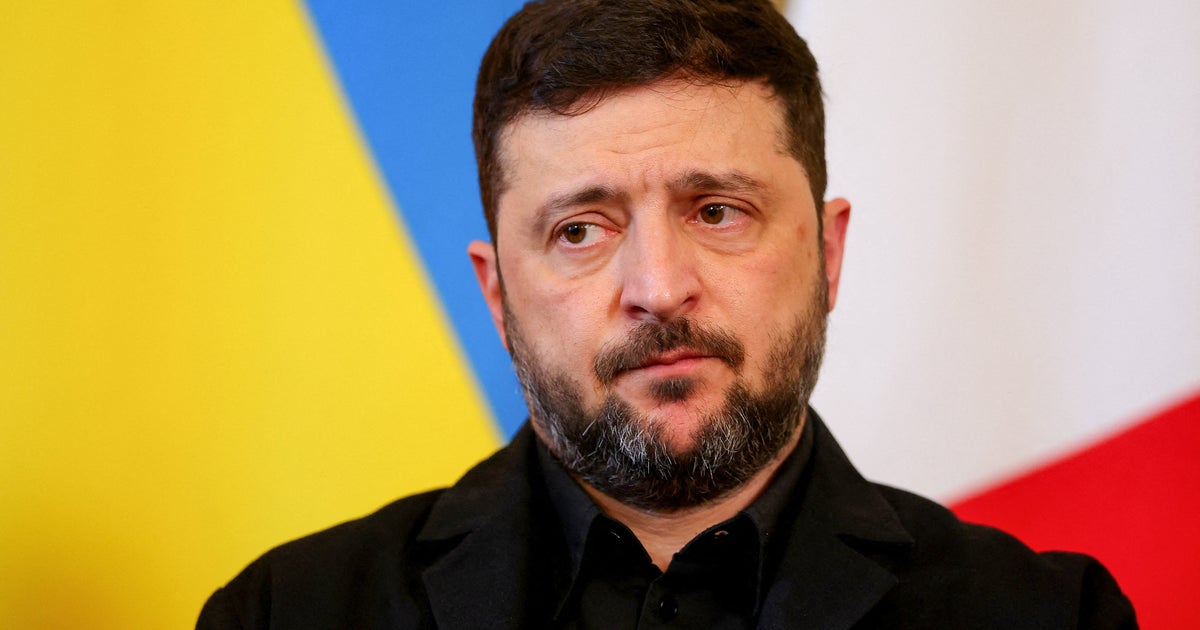
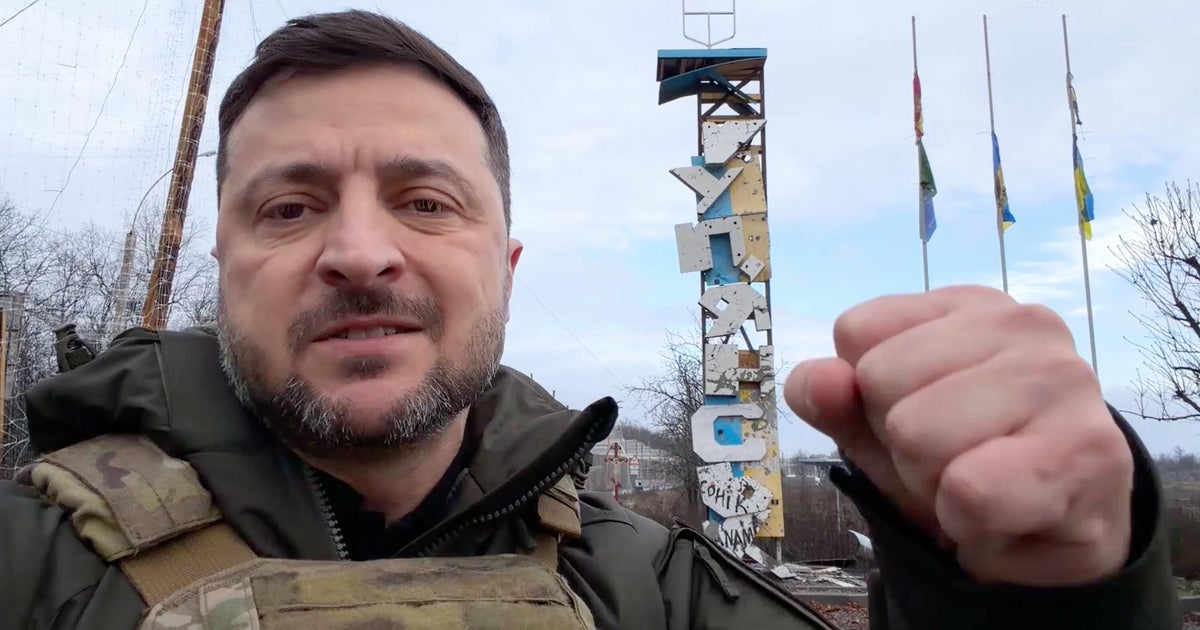
The diplomatic landscape remains complex, with upcoming meetings in Berlin involving Ukrainian President Volodymyr Zelenskyy, US representatives, and European leaders. However, the Kremlin's actions, including a Kremlin adviser's statement about maintaining police and National Guard presence in the Donbas region even during potential peace talks, signal a limited appetite for genuine compromise.
Critically, these developments expose the fragile nature of potential peace negotiations. Russia's simultaneous engagement in diplomatic channels while conducting large-scale infrastructure attacks reveals a sophisticated strategy of maintaining military pressure while preserving a veneer of diplomatic engagement. For Ukraine and its Western allies, the challenge lies in developing a responsive strategy that can effectively counter this multifaceted approach.
Questions 3
What are the potential long-term implications of these infrastructure attacks?
These attacks could significantly weaken Ukraine's economic infrastructure, create humanitarian challenges, and test international support. They represent a sophisticated form of hybrid warfare that challenges traditional diplomatic resolution methods and puts pressure on Ukraine's ability to maintain critical services during winter.
How do the ongoing peace talks relate to Russia's military actions?
The peace talks appear to be a strategic facade, with Russia maintaining aggressive military pressure. The simultaneous occurrence of diplomatic negotiations and large-scale infrastructure attacks suggests Russia is using negotiations as a platform to project strength while continuing military operations.