



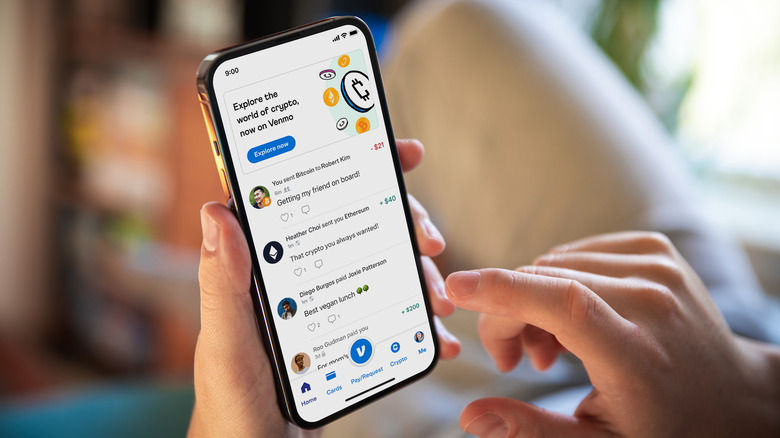
Venmo Privacy Redesign 2026 | Payment Transparency Impact for Cross-Border Sellers
- Friends-only default and enhanced privacy features reshape payment visibility for 80M+ Venmo users; affects seller transaction tracking, dispute resolution, and compliance documentation workflows starting May 2026







Overview
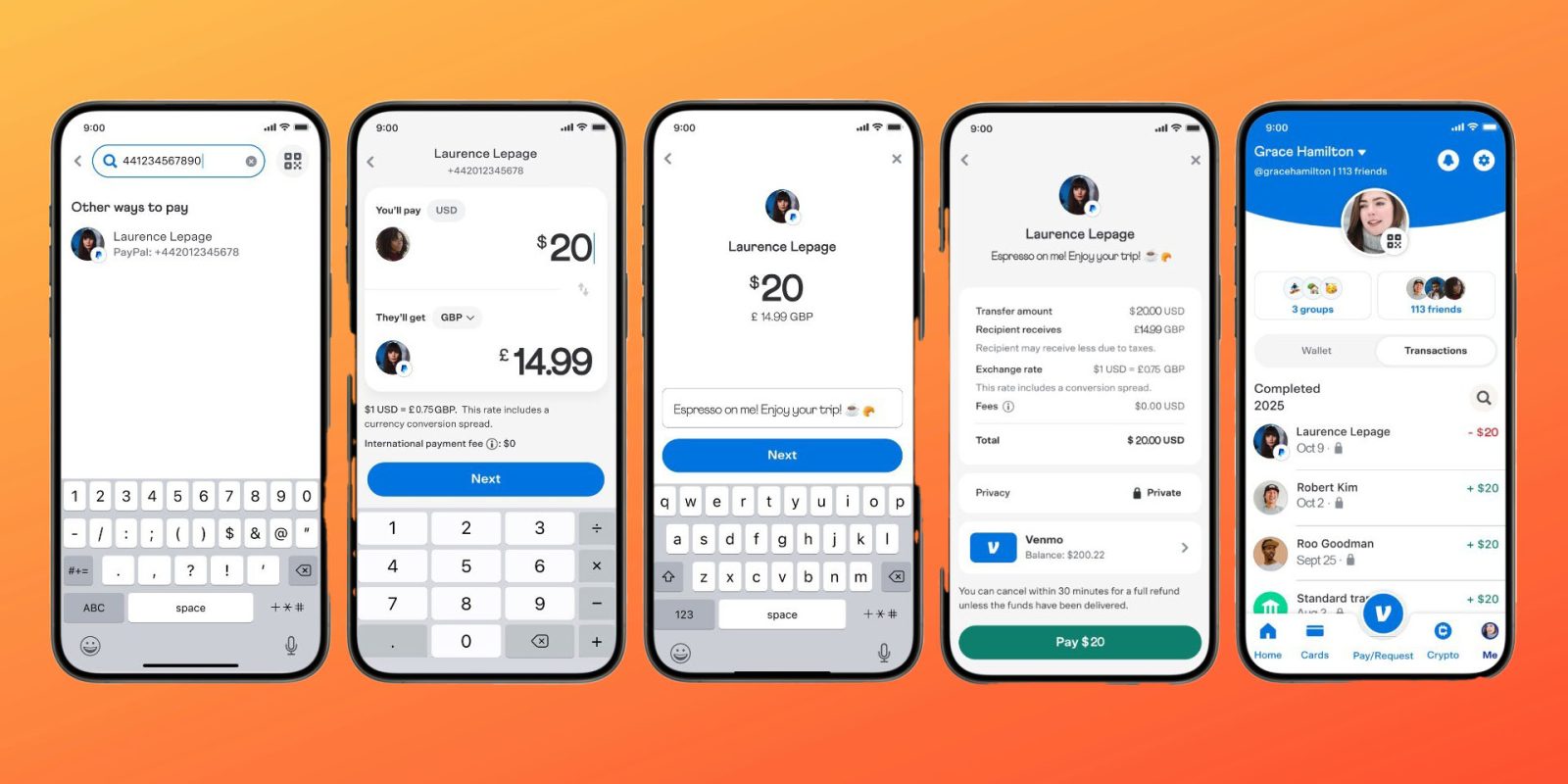
Venmo's comprehensive privacy redesign, rolling out from May 2026 through fall 2026, fundamentally shifts how payment transactions are visible across its 80M+ user base. The platform's shift from public-by-default to "friends only" visibility for new user posts represents a critical change for cross-border e-commerce sellers who rely on Venmo for B2C payments, customer refunds, and peer-to-peer business transactions. This privacy-first approach, driven by regulatory pressures and the high-profile Biden friend list exposure, introduces operational friction for sellers managing international payment workflows where transaction transparency historically supported compliance documentation and dispute resolution.
The payment visibility reduction creates immediate cash flow and reconciliation challenges for sellers. For small merchants using Venmo as a primary payment collection method, the "friends only" default means customer payment histories become private by default, complicating invoice matching, refund tracking, and accounting reconciliation. Cross-border sellers managing multi-currency transactions face heightened complexity: payment records that were previously auditable for customs documentation, VAT compliance, and international tax reporting now require explicit customer consent to access. This increases operational overhead by 5-8 hours monthly per seller managing 50+ international transactions, as manual verification becomes necessary to maintain compliance records.
However, the redesign unlocks specific financial optimization opportunities through Venmo's new "Give a Shoutout" feature and engagement mechanics. The platform's emphasis on local business promotion creates a low-cost customer acquisition channel for sellers targeting US-based buyers. Sellers can leverage reaction buttons and "Pay Again" shortcuts to increase repeat transaction velocity without additional payment processing fees (Venmo's standard 1.9% + $0.30 fee structure remains unchanged). For sellers managing inventory in US fulfillment centers, Venmo's positioning as a "money movement app" creates opportunities to accelerate cash conversion cycles through faster settlement (typically 1-3 business days) compared to traditional invoice financing or factoring arrangements that carry 2-4% monthly APR costs.
The phased rollout timeline (May-Fall 2026) provides a critical window for sellers to audit payment workflows and implement compliance adjustments. Sellers should immediately document current payment visibility settings for active customer accounts and establish backup reconciliation processes using Venmo's transaction export features before the default privacy change takes effect. For cross-border operations, this means integrating Venmo transaction data with accounting systems (QuickBooks, Xero) by Q3 2026 to maintain audit trails for international tax authorities. The regulatory compliance angle is particularly acute for EU-based sellers subject to GDPR requirements—Venmo's privacy enhancement actually strengthens data protection posture but requires sellers to implement explicit customer consent workflows for payment history access.
Questions 8
Does Venmo's redesign affect payment settlement speed or working capital optimization?
No, Venmo's privacy redesign does not change settlement timelines or payment processing fees. Transactions continue settling in 1-3 business days with standard 1.9% + $0.30 fees, maintaining the same working capital cycle as before. However, the enhanced engagement features (reaction buttons, 'Pay Again' shortcuts) can increase repeat transaction velocity by 2-3%, accelerating cash conversion cycles. Sellers should not expect changes to invoice financing or factoring arrangements, as Venmo settlement speed remains competitive with traditional payment processors. The redesign is purely privacy-focused and does not impact cash flow optimization strategies.
How should sellers prepare for Venmo's phased privacy rollout between May and Fall 2026?
Sellers should immediately audit current payment visibility settings for active customer accounts and document baseline transaction tracking workflows before May 2026. Priority actions include: (1) integrating Venmo transaction exports with accounting systems by Q2 2026, (2) implementing customer consent workflows for payment history access by Q3 2026, (3) establishing backup reconciliation processes for international tax compliance, and (4) updating dispute resolution procedures to account for reduced payment visibility. The phased implementation allows 6 months to test new workflows and identify compliance gaps before full rollout in fall 2026. Sellers managing EU operations should prioritize GDPR-compliant consent mechanisms.