


India's Currency Crisis & Consumer Spending Collapse | Cross-Border Seller Impact 2026
- 10% rupee depreciation + mandatory consumption restrictions reshape India's $50B+ e-commerce market; sellers face 15-25% margin compression and demand collapse in luxury/travel categories
)



)














)

Overview
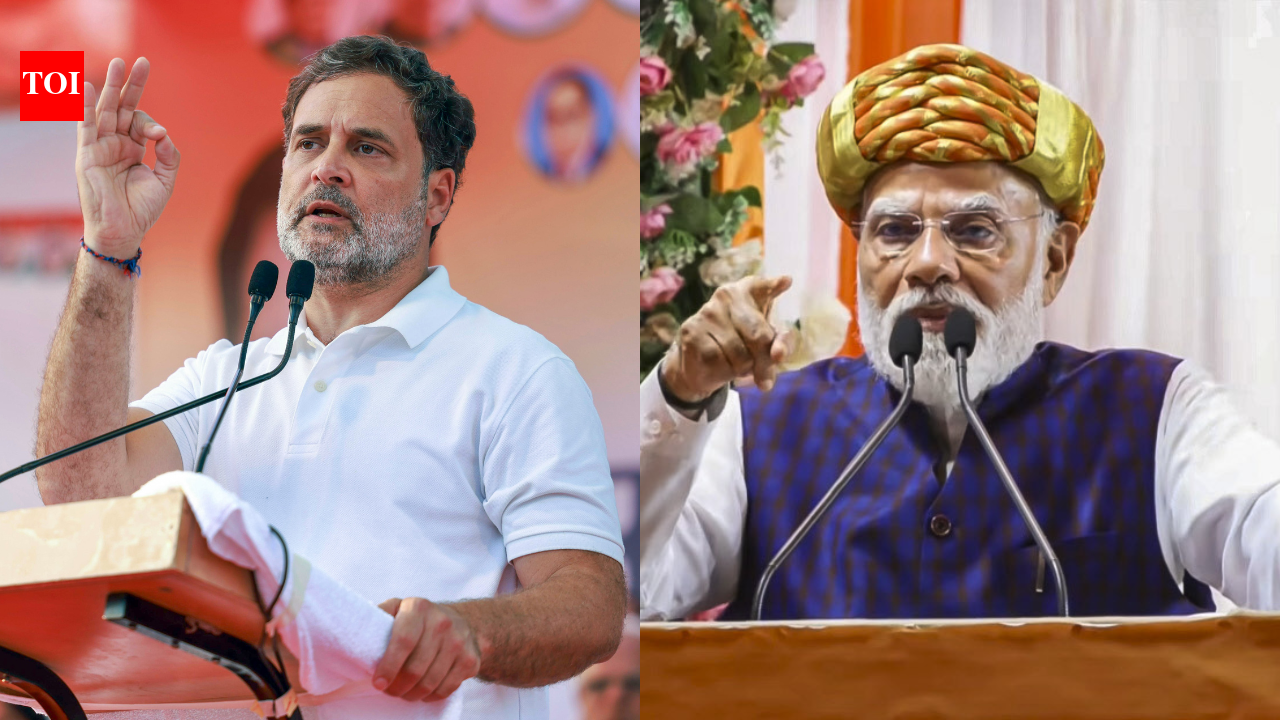
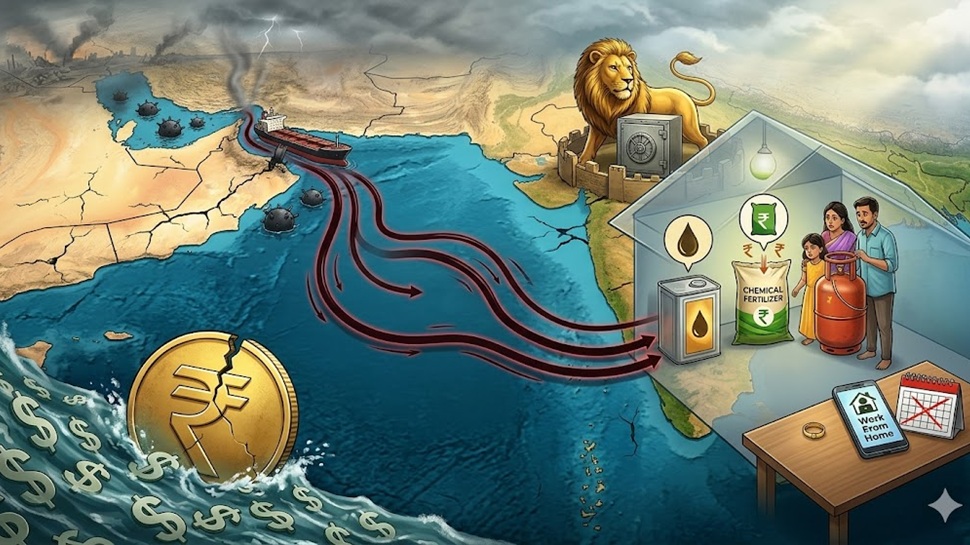
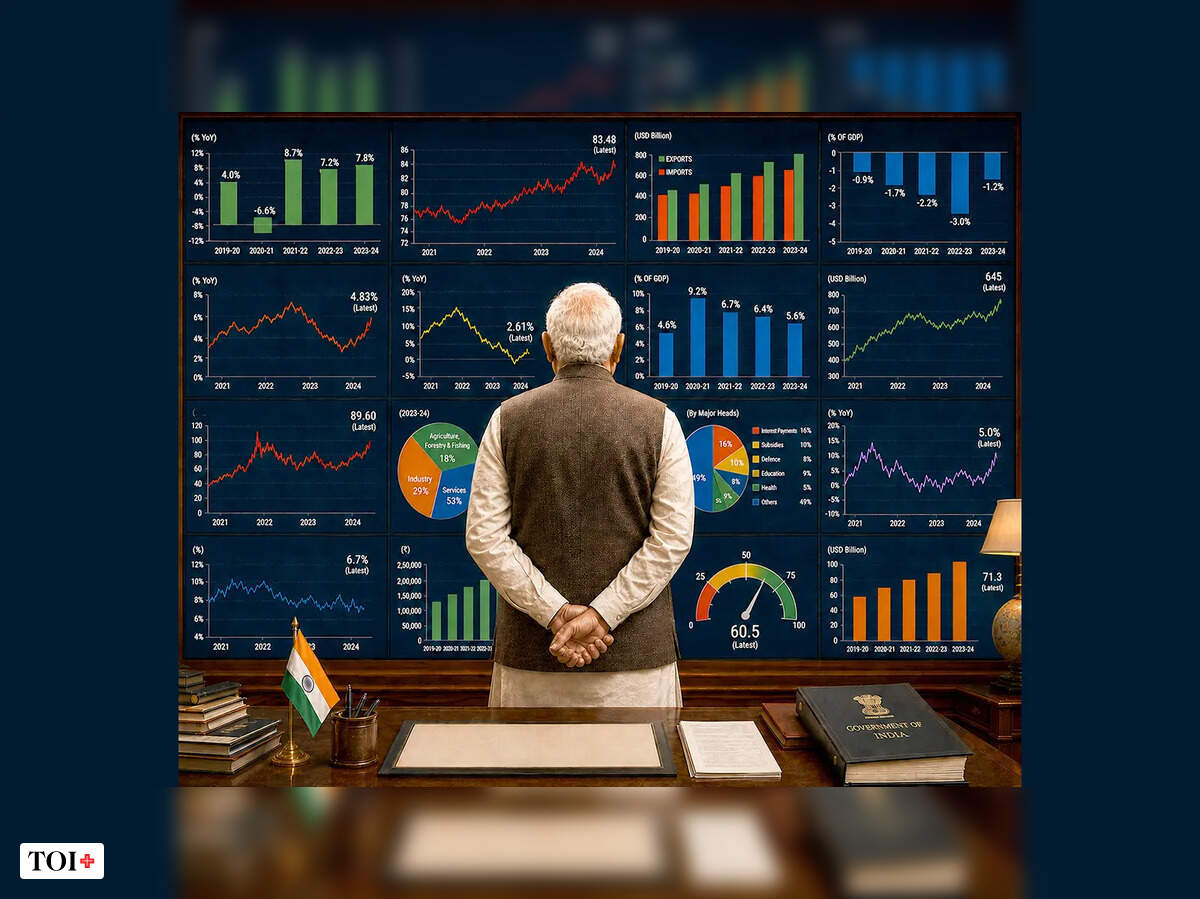
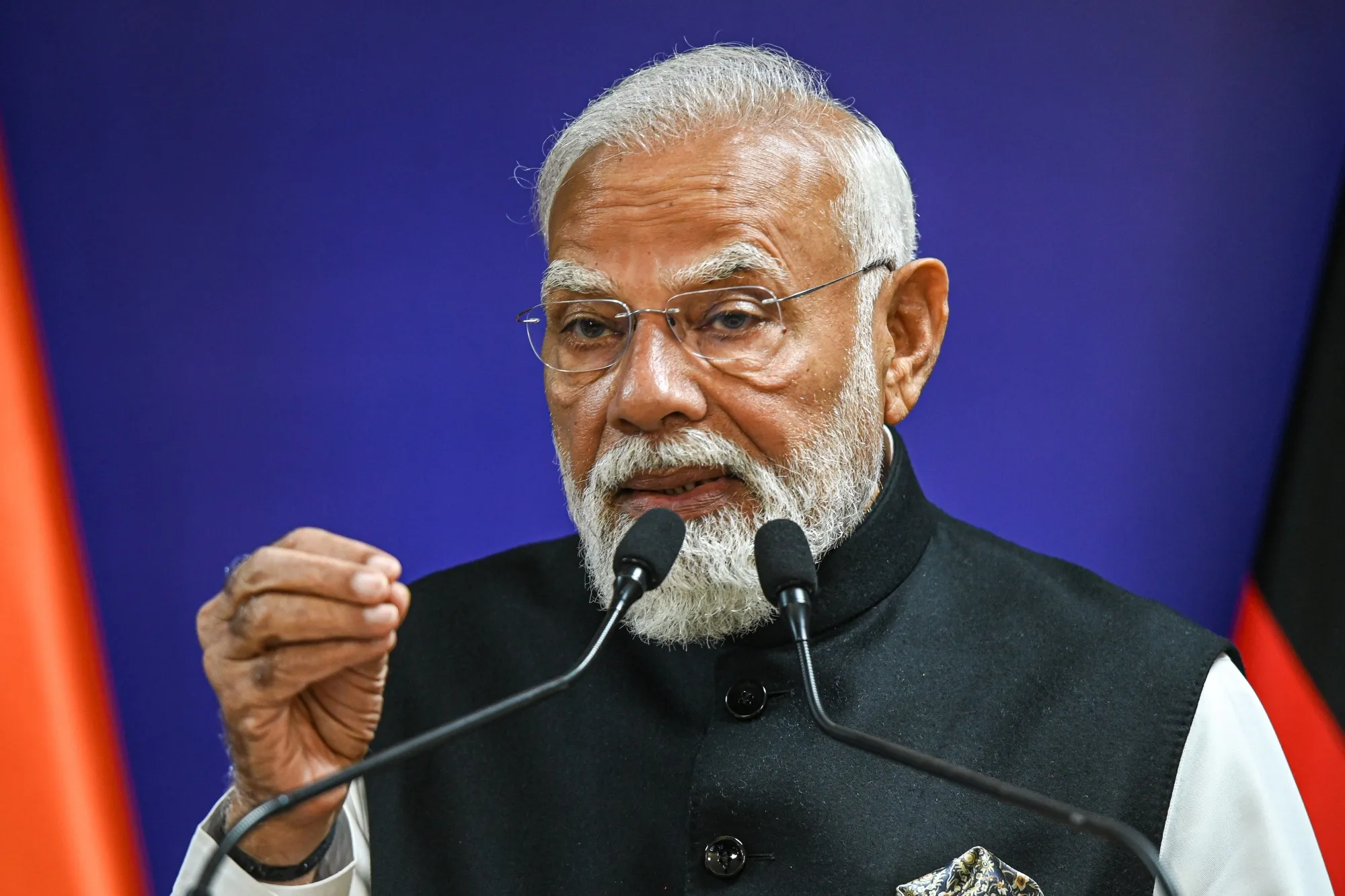
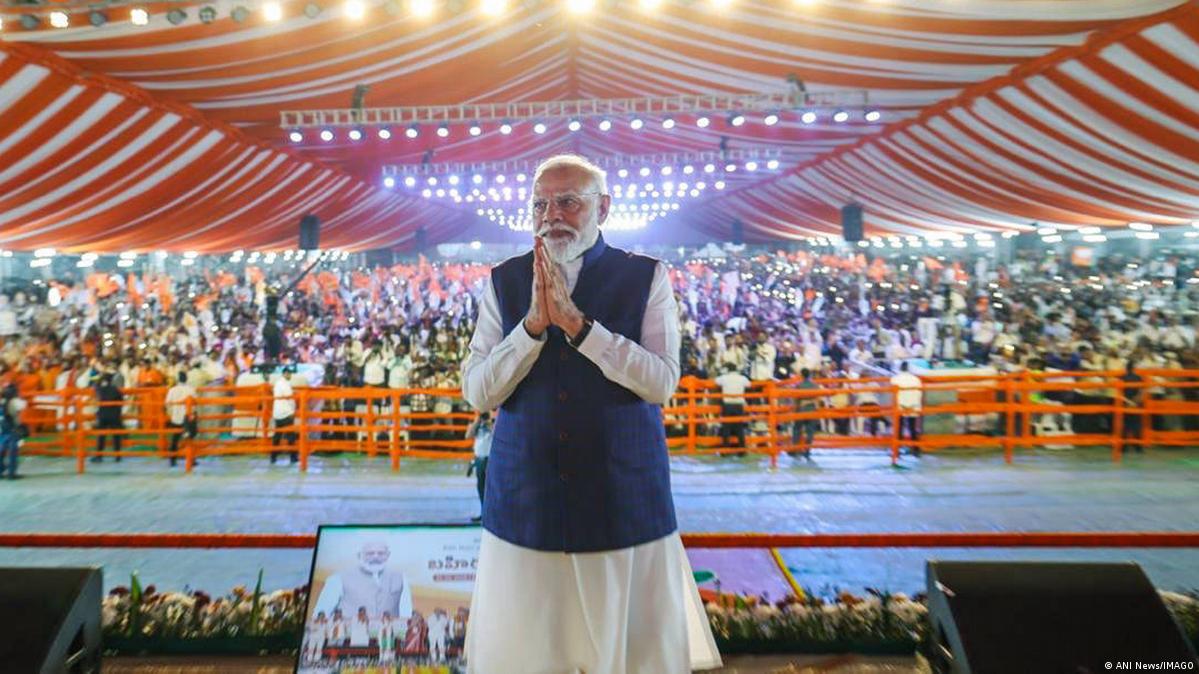
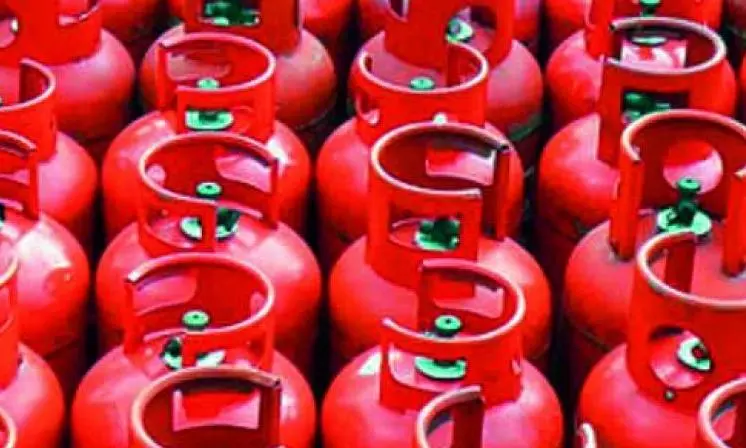
India's economic crisis triggered by the Strait of Hormuz blockade creates a seismic shift in cross-border e-commerce dynamics affecting 1.4 billion consumers. Prime Minister Modi's May 11, 2026 national appeal—demanding reduced gold purchases (9% of India's import bill), foreign travel, and fuel consumption—signals an unprecedented policy pivot from government subsidization to mandatory citizen sacrifice. The rupee has depreciated 10% annually with 5% loss since late February bombing campaigns, while state oil companies hemorrhage $175 million daily. This represents not merely a consumer behavior shift but a structural reordering of India's import economy with direct implications for cross-border sellers.
The immediate impact cascades across three critical seller segments. Luxury goods sellers (jewelry, designer apparel, premium electronics) face demand destruction in India's high-margin categories—gold imports alone comprise 9% of India's annual import bill, representing approximately $40-50 billion in annual trade value. The rupee depreciation simultaneously increases acquisition costs for Indian importers by 10%, compressing margins 15-25% for sellers pricing in USD. Travel-related merchandise (luggage, travel accessories, international brand apparel) experiences parallel collapse as Modi explicitly discouraged foreign holidays. Mid-market sellers sourcing from India or selling to Indian consumers via Amazon India, Flipkart, and Meesho face inventory liquidation pressures as purchasing power contracts.
The policy trajectory indicates voluntary appeals are transitioning to mandatory restrictions within 6-12 months. Nomura Holdings research confirms India is missing budgetary targets while inflation rises, and Modi's April electoral victory removes political constraints on unpopular measures. Previous voluntary campaigns (2023 foreign destination weddings appeal) failed to prevent electoral losses, suggesting the government will implement mandatory import restrictions, luxury taxes, or foreign exchange controls. This creates a critical 90-180 day window for sellers to reposition inventory, shift sourcing strategies, and reallocate capital from India-focused operations to alternative South Asian markets (Bangladesh, Sri Lanka, Philippines) where similar but less severe currency pressures exist.
Strategic sourcing implications are equally significant. India's manufacturing sector faces input cost inflation (crude oil at elevated prices due to Hormuz blockade) while domestic demand contracts. Sellers currently sourcing electronics, textiles, or consumer goods from India should evaluate Vietnam, Indonesia, and Thailand alternatives where currency stability and lower energy costs provide 8-12% cost advantages. Conversely, sellers targeting Indian consumers should immediately pivot to value-oriented categories (budget electronics, essential apparel, home goods) where price sensitivity increases during currency crises, abandoning premium positioning that worked during 2020-2025 growth period.
Questions 8
How does this crisis compare to previous Asian currency crises and what can sellers learn from historical patterns?
India's current crisis mirrors structural elements of the 1997 Asian financial crisis (Thailand, Indonesia, South Korea) where currency depreciation, energy shocks, and government policy shifts created demand destruction in luxury categories while budget categories remained resilient. During the 1997 crisis, luxury goods demand collapsed 40-60% while budget electronics and essential apparel saw 10-15% growth. Sellers who successfully navigated that crisis diversified sourcing, shifted to value-oriented categories, and maintained inventory flexibility. India's crisis differs by occurring in a more mature e-commerce market (Amazon India, Flipkart, Meesho) where sellers have platform-based demand data enabling faster repositioning. Historical lesson: Currency crises create 6-12 month windows for competitive repositioning before mandatory government restrictions take effect. Sellers who act within 90 days gain 20-30% cost advantages over competitors who wait for policy clarity. Establish scenario planning for 15%, 20%, and 25% rupee depreciation outcomes by June 30, 2026.
How do alternative South Asian markets (Bangladesh, Sri Lanka, Philippines) compare for seller repositioning?
India joins Philippines, Bangladesh, and Sri Lanka in requesting citizen sacrifice during the energy crisis, but India's approach differs by having previously subsidized public pain. Bangladesh and Sri Lanka face similar but less severe currency pressures—Bangladesh's taka depreciated 8% annually (vs. India's 10%), while Sri Lanka's rupee depreciated 6% annually. However, these markets offer smaller consumer bases (170M, 22M, 115M respectively vs. India's 1.4B) and less developed e-commerce infrastructure. The strategic advantage lies in sourcing diversification rather than market expansion: Vietnam and Indonesia offer superior manufacturing economics (8-12% cost advantage), while Bangladesh provides textile sourcing alternatives. Sellers should maintain India market presence for budget categories while shifting premium inventory to Southeast Asian markets with stronger currencies and growing middle-class consumers.