
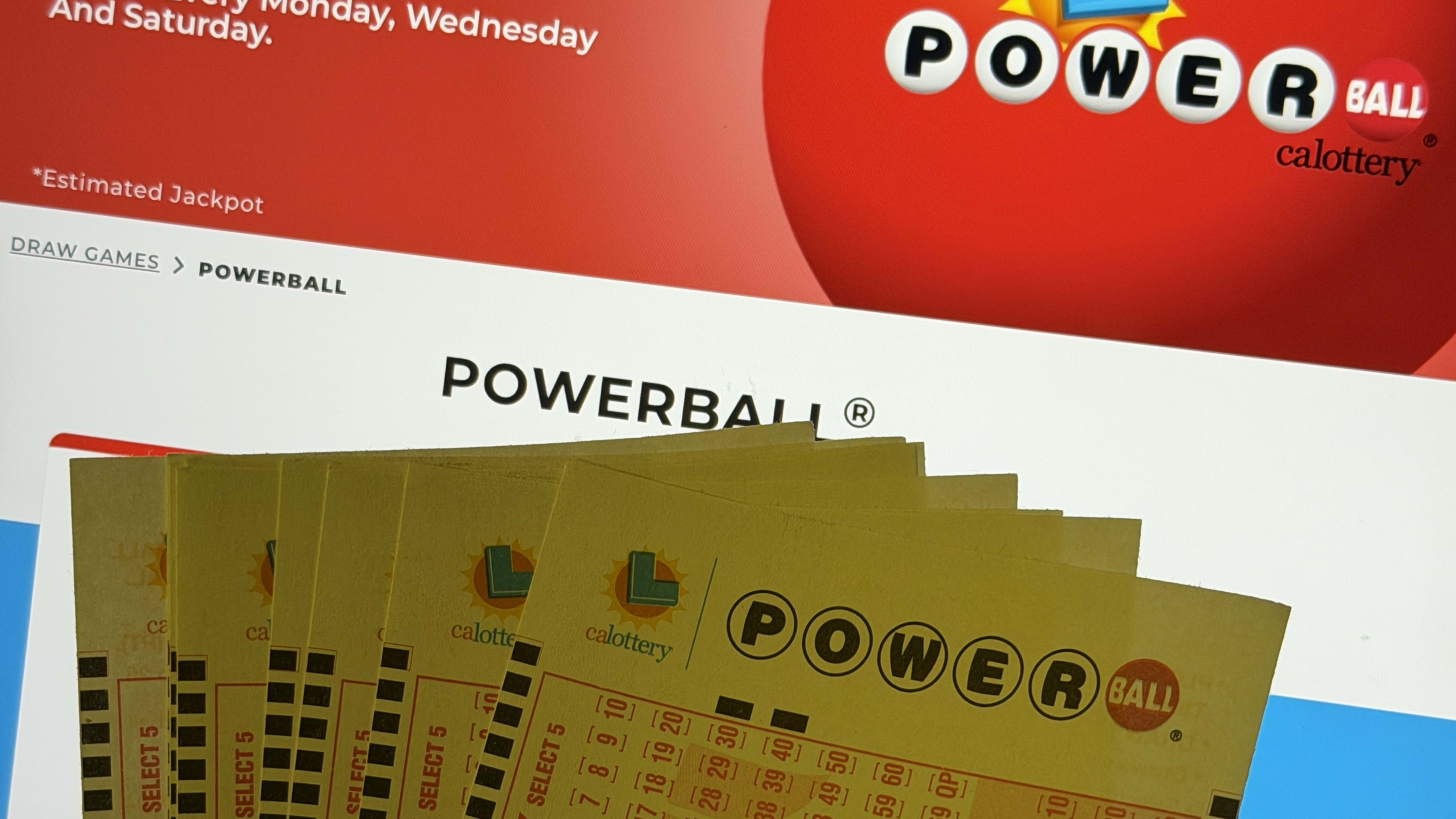


Billion-Dollar Lottery Dreams: How Powerball Engineered the Ultimate Consumer Fantasy
- Revealing the strategic transformation of U.S. lottery economics for mass consumer engagement









Overview
The U.S. lottery market is undergoing a radical metamorphosis, transforming from a modest gambling activity into a massive consumer entertainment phenomenon. In just five years, billion-dollar jackpots have shifted from extraordinary outliers to strategic business models, revealing a sophisticated psychological engineering of consumer hope and aspiration.
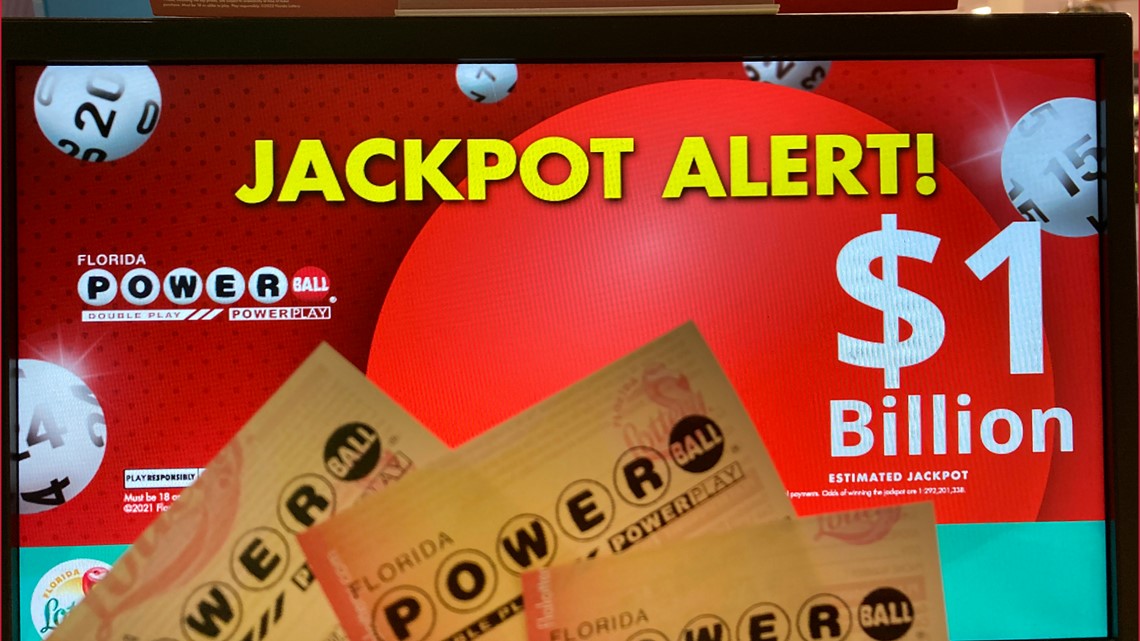
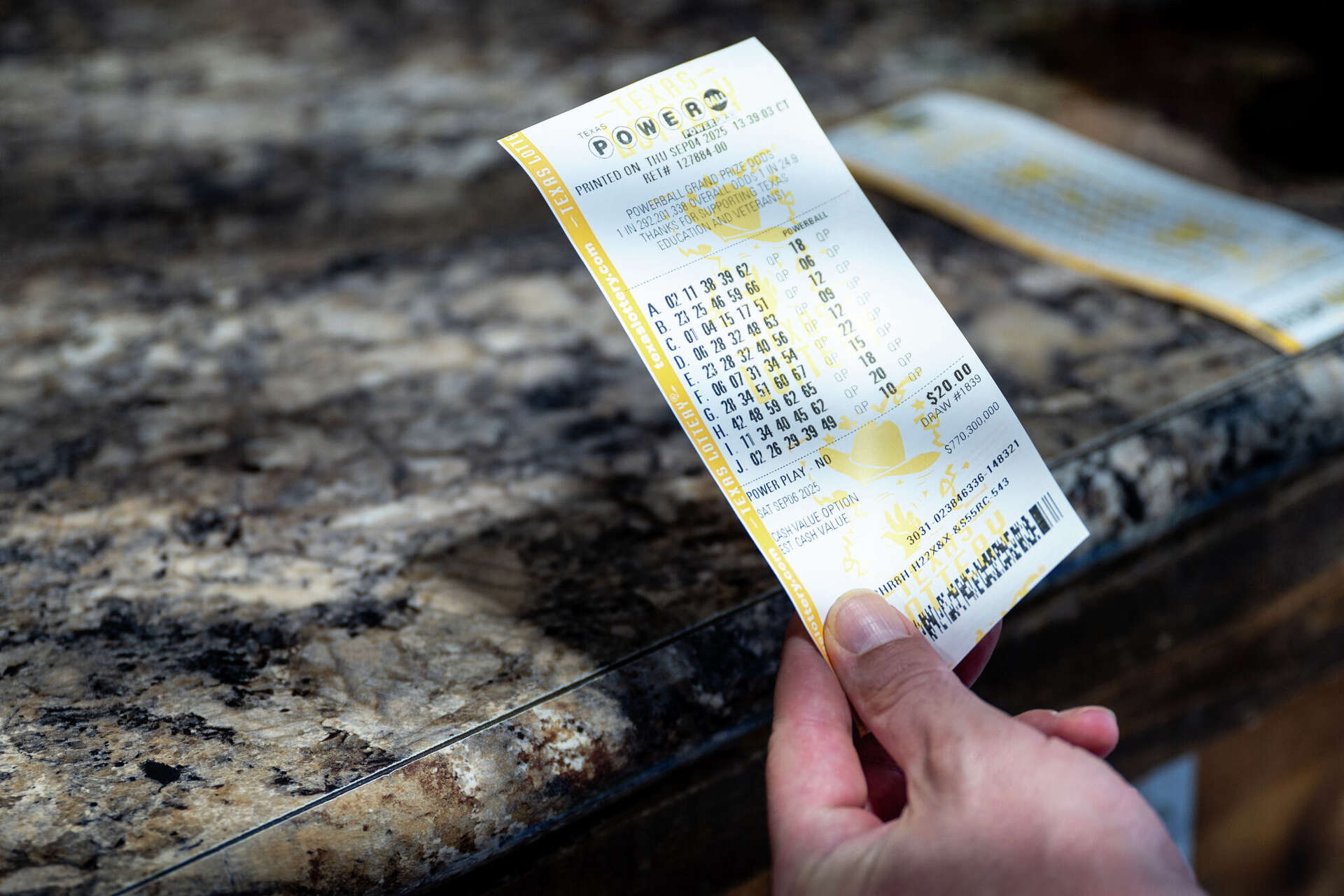
Powerball's strategic redesign represents a masterclass in market manipulation. By mathematically recalibrating winning odds—from 1 in 175.2 million to 1 in 292.2 million—lottery associations have deliberately created an almost impossible dream that paradoxically attracts more players. The current $1 billion jackpot is not an accident, but a carefully constructed narrative designed to capture public imagination.
Economics professor Victor Matheson's insight is particularly revealing: lottery organizations recognize that people don't purchase tickets for realistic wins, but for the billionaire transformation fantasy. This psychological positioning has driven a remarkable trend: 12 billion-dollar prizes have emerged since January 2021, compared to zero in previous decades. The mechanisms are multifaceted—raising ticket prices (Powerball from $1 to $2, Mega Millions to $5), expanding nationwide availability, and leveraging higher interest rates to advertise more spectacular prizes.
The numbers tell a compelling story. While the advertised jackpot stands at $1 billion, the immediate lump sum option is a more modest $461.3 million—a detail most players conveniently overlook. This gap between fantasy and reality is precisely the point: lottery associations have transformed gambling from a probabilistic transaction into an emotional experience of potential transformation.
For businesses and marketers, this represents a profound case study in creating consumer engagement through engineered scarcity and emotional storytelling. The lottery has essentially become a mass-market entertainment product, selling hope rather than a realistic financial instrument.
Questions 3
What psychological mechanism drives lottery ticket purchases?
According to economics professor Victor Matheson, people don't buy lottery tickets for realistic wins, but for the fantasy of becoming billionaires. This psychological positioning transforms the lottery from a gambling transaction into an emotional experience of potential radical life change.
How have lottery organizations transformed billion-dollar jackpots into a marketing strategy?
By deliberately engineering mathematically improbable winning odds and creating massive advertised prizes, lottery organizations have turned jackpots into emotional entertainment products. They've raised ticket prices, expanded nationwide availability, and crafted narratives around life-changing wealth that attract millions of players seeking transformation.