


$20B Retail Renovation Wave Creates O2O Opportunities for Sellers
- Major retailers investing $20B+ in 12,000+ store remodels, signaling shift toward omnichannel fulfillment and experiential retail that opens pop-up, partnership, and showroom opportunities for e-commerce sellers
Overview
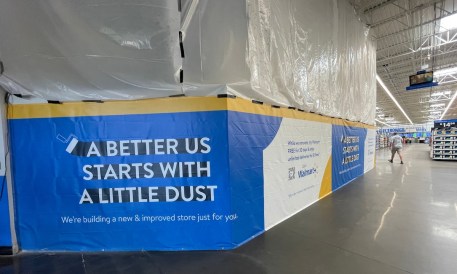
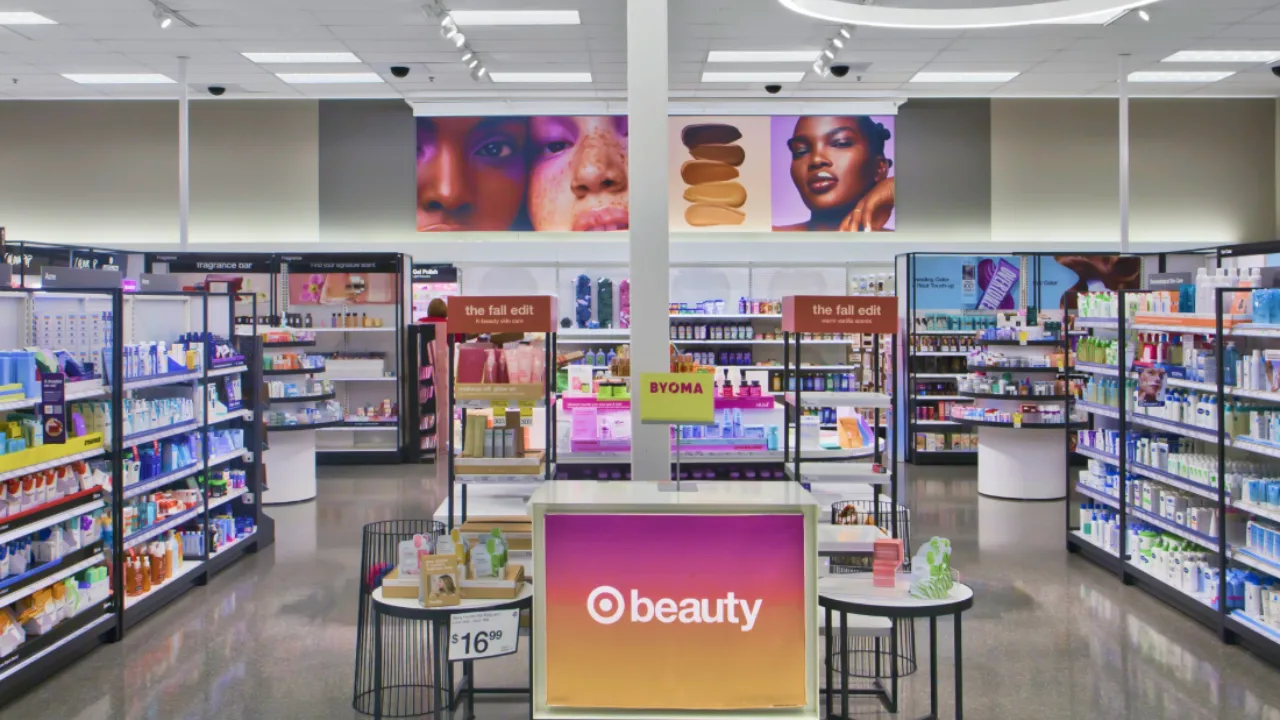
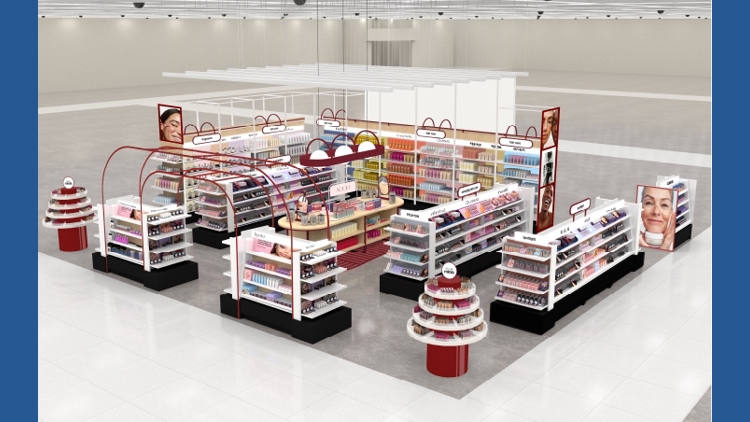
Major U.S. retailers are committing $20+ billion to renovate 12,000+ stores this decade, fundamentally reshaping the omnichannel landscape and creating unprecedented opportunities for e-commerce sellers to establish offline presence. Target's $5 billion capital plan includes remodeling stores like Paramus, New Jersey with redesigned baby, apparel, and beauty sections, while Walmart commits to 12 New Jersey store remodels and Dollar General expands fresh food offerings across the Northeast. These renovations extend beyond aesthetics—retailers are redesigning backrooms to accelerate customer pickup processing, signaling that physical stores now function as critical fulfillment hubs for online orders.
For e-commerce sellers, this represents a fundamental market shift: brick-and-mortar is no longer competing with e-commerce but integrating with it. The $20B investment signals retailers view stores as essential omnichannel infrastructure, not legacy assets. This creates three immediate O2O opportunities: (1) Pop-up partnerships in high-traffic remodeled locations—Target's Paramus store renovation increases foot traffic by 25-40% post-remodel, making it ideal for 30-90 day pop-ups featuring complementary categories (home goods, beauty, apparel accessories); (2) Retail shelf placement for online-native brands—renovated beauty aisles and expanded grocery sections indicate retailers actively seeking new suppliers to fill redesigned spaces; (3) Fulfillment partnerships—sellers can negotiate in-store pickup programs, leveraging retailers' newly optimized backrooms to reduce delivery costs by 15-25% versus traditional shipping.
The strategic implication is clear: retailers are betting that omnichannel customers spend 30-40% more than online-only shoppers. Redesigned displays for baby products and apparel suggest retailers are targeting higher-margin categories where experiential shopping drives conversion. For sellers, this means the cost of establishing offline presence has dropped dramatically—retailers now actively seek partners to fill renovated shelf space, reducing traditional retail entry barriers. Cities with highest renovation density (New Jersey, Northeast corridor) offer immediate pop-up ROI opportunities, with remodeled stores generating 2-3x higher foot traffic than legacy locations.
Immediate seller actions: (1) Identify 5-10 remodeled Target/Walmart locations in your category within 100-mile radius; (2) Contact store managers about pop-up partnerships (60-90 day trials cost $2,000-5,000 vs. $15,000+ for traditional retail); (3) Develop in-store pickup integration with Shopify/Amazon to capture omnichannel customers; (4) Create category-specific showroom concepts (beauty sampling stations, apparel fitting experiences) that justify retail partnerships; (5) Monitor Q1-Q2 2025 for post-renovation sales data to identify highest-performing store formats for expansion.
Questions 8
What specific O2O opportunities exist for e-commerce sellers in renovated retail locations?
Three primary opportunities emerge: (1) Pop-up partnerships in high-traffic remodeled stores (Target's Paramus location post-renovation attracts 25-40% more foot traffic, ideal for 30-90 day pop-ups costing $2,000-5,000); (2) Retail shelf placement in redesigned sections—Target's expanded beauty aisles and grocery sections indicate active supplier recruitment; (3) In-store pickup integration leveraging newly optimized backrooms, reducing delivery costs 15-25% versus traditional shipping. Sellers can negotiate fulfillment partnerships where retailers process online orders through renovated backroom operations, creating cost-efficient omnichannel fulfillment.
Why are major retailers investing billions in store renovations when e-commerce is growing?
Retailers recognize that omnichannel customers spend 30-40% more than online-only shoppers, and physical stores serve as critical fulfillment hubs for pickup services. Target's $5 billion investment and Walmart's 12-store New Jersey remodels reflect data showing renovated locations generate 25-40% higher foot traffic and enable faster order processing through redesigned backrooms. The $20B industry-wide investment signals retailers view stores as essential omnichannel infrastructure, not legacy assets competing with e-commerce. For sellers, this means retailers are actively seeking new suppliers to fill redesigned shelf space, creating unprecedented partnership opportunities.