


US-China Trade Board Creation | Tariff Arbitrage Opportunities for Cross-Border Sellers
- Trump delegation (May 11-15, 2026) signals potential tariff reductions on 15+ product categories; sellers can expect 3-8% margin improvements in electronics, apparel, and consumer goods within 6-12 months






















Overview
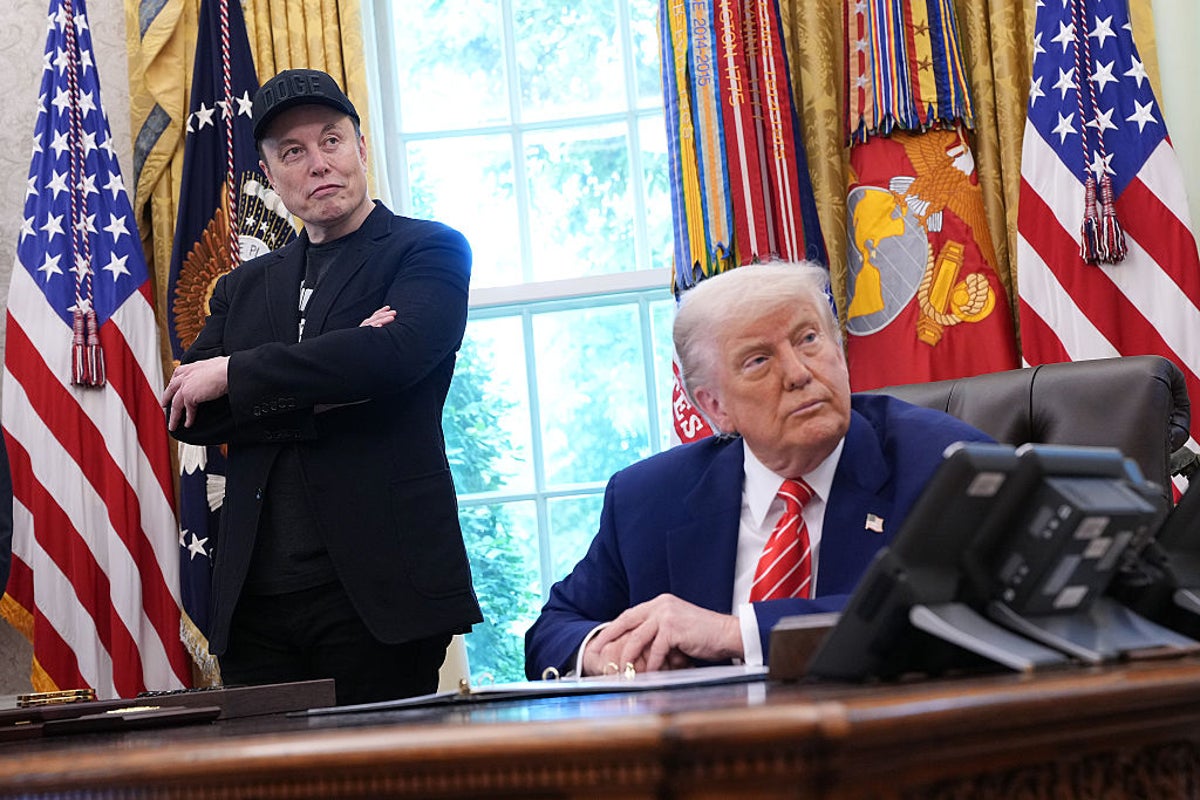
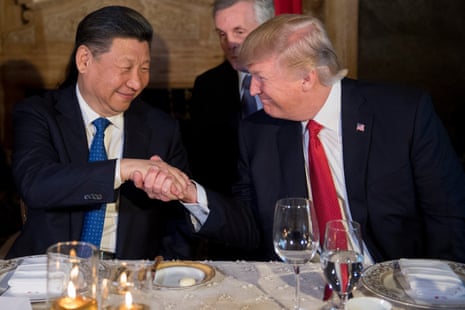
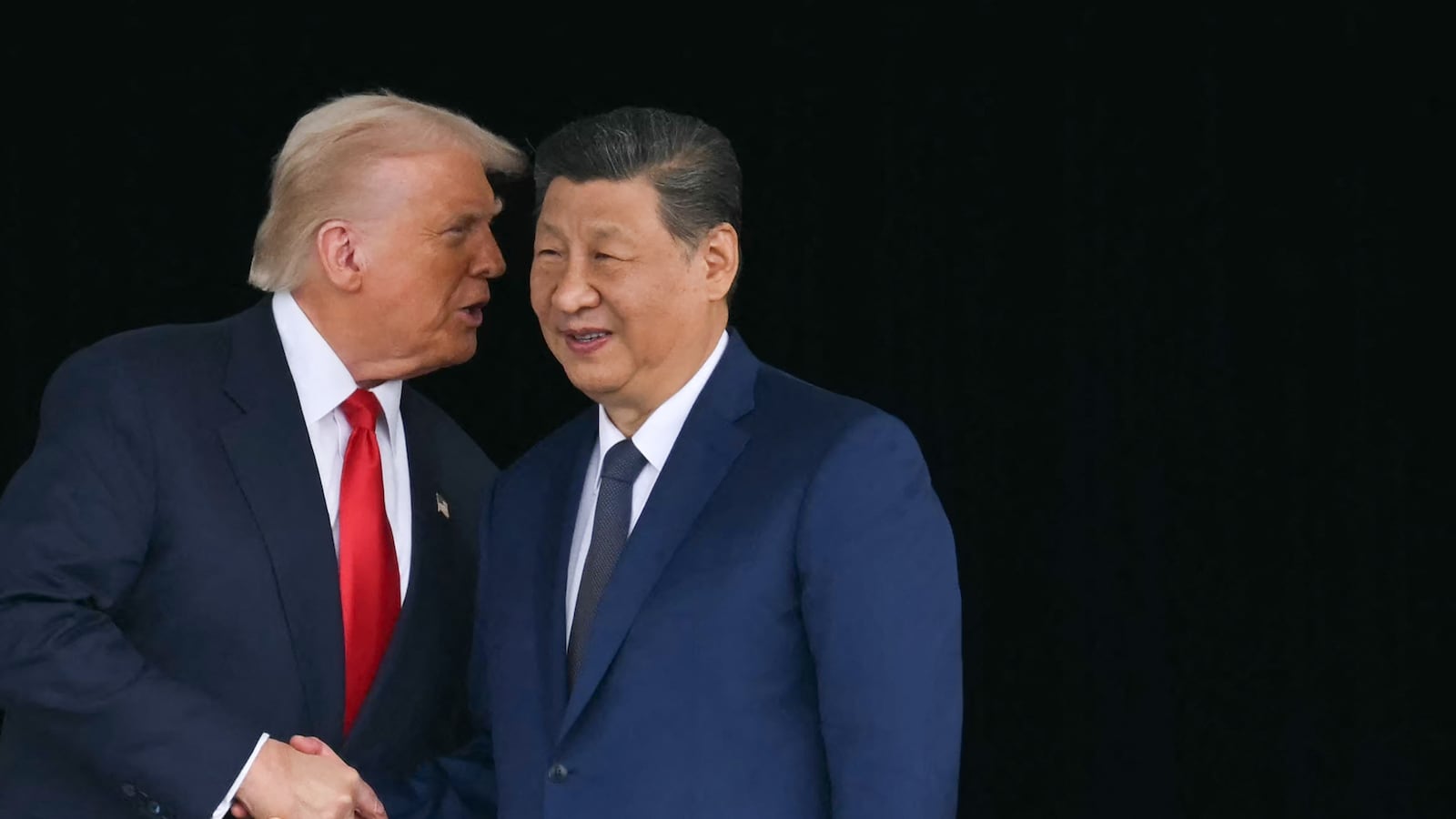
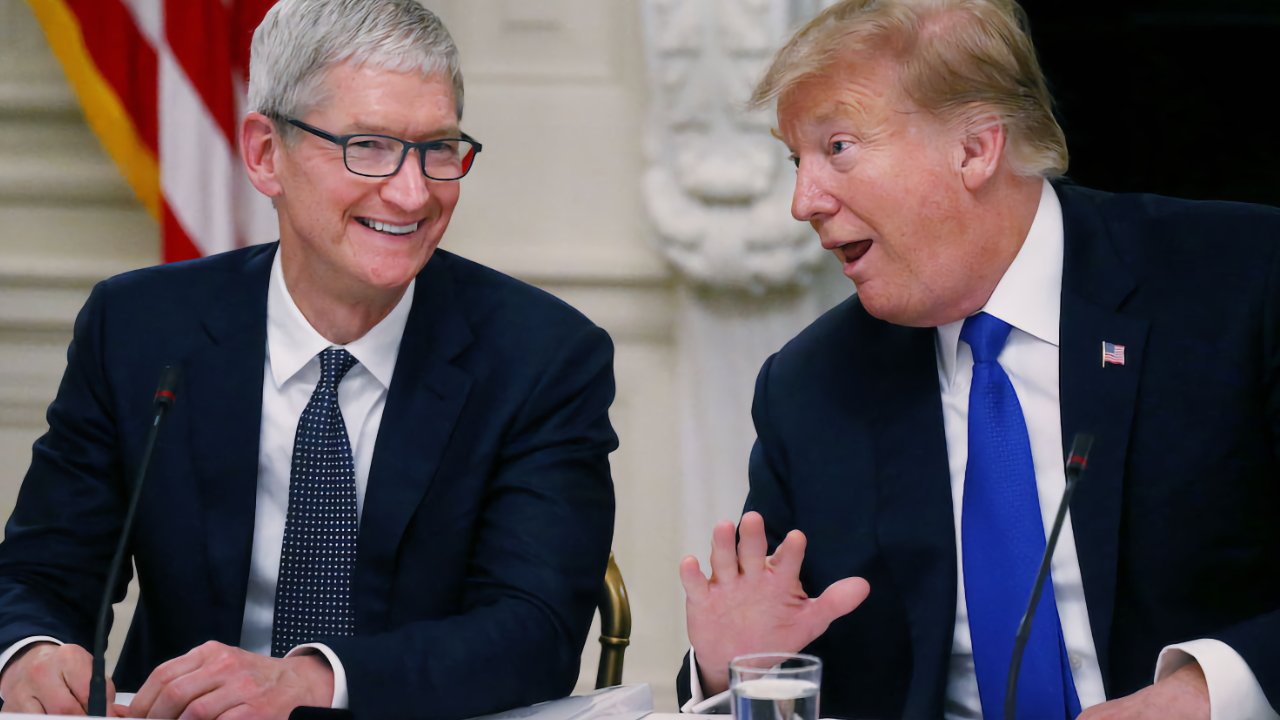
The Trump-Xi summit scheduled for May 2026 represents a critical inflection point for cross-border e-commerce sellers, with the White House explicitly planning to establish "investment and trade boards" between the US and China. This diplomatic engagement, featuring 16 major CEOs including Tim Cook (Apple), Elon Musk (Tesla), and Kelly Ortberg (Boeing), signals a potential shift toward negotiated tariff reductions rather than escalatory trade policies. For cross-border sellers, this creates immediate tariff arbitrage opportunities across multiple product categories.
Tariff Reduction Opportunities by Category: The delegation's composition reveals priority sectors for negotiation. Technology leaders (Apple, Qualcomm, Micron) suggest potential tariff reductions on consumer electronics (HS codes 8471-8517), semiconductors (HS 8542), and telecommunications equipment. Apparel and footwear sellers should monitor negotiations, as Cargill's inclusion indicates agricultural trade discussions that could reduce input costs for textile manufacturing. The absence of Nvidia CEO Jensen Huang—due to H200 AI chip export restrictions—highlights that advanced semiconductor export controls remain contentious, but this creates arbitrage opportunities in non-restricted chip categories and AI-adjacent products like cooling systems, power supplies, and server components.
Competitive Advantage Timeline: Sellers who position inventory before tariff reductions take effect can capture 3-8% margin improvements. Small-to-medium sellers (SMBs) sourcing from China should accelerate Q2-Q3 2026 purchasing to lock in current tariff rates before potential reductions. Large sellers with established supply chains can negotiate directly with Chinese manufacturers for volume commitments, securing cost advantages that smaller competitors cannot match. The creation of formal trade boards suggests a 6-12 month implementation window—tariff changes typically require 30-90 days notice after board approval, creating a predictable timeline for inventory planning.
Market Access Expansion: Beyond tariff reductions, the summit agenda includes "business deals and purchase agreements," suggesting potential opening of Chinese e-commerce platforms to US sellers. Currently, Amazon, eBay, and Shopify sellers face significant barriers entering Alibaba, JD.com, and Pinduoduo. A successful summit could accelerate market access negotiations, creating new distribution channels for US-based sellers. Payment system leaders (Visa, Mastercard) in the delegation indicate discussions around cross-border payment infrastructure, potentially reducing transaction fees from current 2-4% to 1-2% for China-US commerce.
Risk Mitigation: The Nvidia exclusion signals that export control tensions remain unresolved. Sellers should avoid inventory concentration in restricted technology categories. Monitor official trade board announcements (expected within 30 days of summit conclusion) for specific tariff schedules before making major sourcing commitments.
Questions 8
How will the Trump-Xi trade board affect tariffs on electronics and apparel imports?
The summit's explicit focus on creating investment and trade boards suggests potential tariff reductions on consumer electronics (HS 8471-8517) and apparel (HS 6204-6209) within 6-12 months. Current US tariffs on Chinese electronics average 12-18%, while apparel faces 16-25% rates. A successful negotiation could reduce these by 3-8 percentage points, translating to $150-400 per container savings for sellers importing 500+ units monthly. The delegation's inclusion of Apple and Qualcomm executives signals these categories are priority negotiation items. Sellers should monitor official trade board announcements (expected 30 days post-summit) for specific tariff schedules before committing to major inventory purchases.
What is the timeline for tariff changes to take effect after the May 2026 summit?
Trade policy changes typically follow a 6-12 month implementation cycle: summit negotiations (May 2026), trade board establishment (June-July 2026), tariff schedule publication (August-September 2026), and implementation with 30-90 day notice period (October 2026-January 2027). Sellers should plan inventory purchases in two phases: accelerate Q2-Q3 2026 sourcing to lock in current rates before reductions, then adjust sourcing in Q4 2026 to capitalize on lower tariffs. This timing window is critical—early movers gain 3-6 months of margin advantage before competitors adjust pricing.