
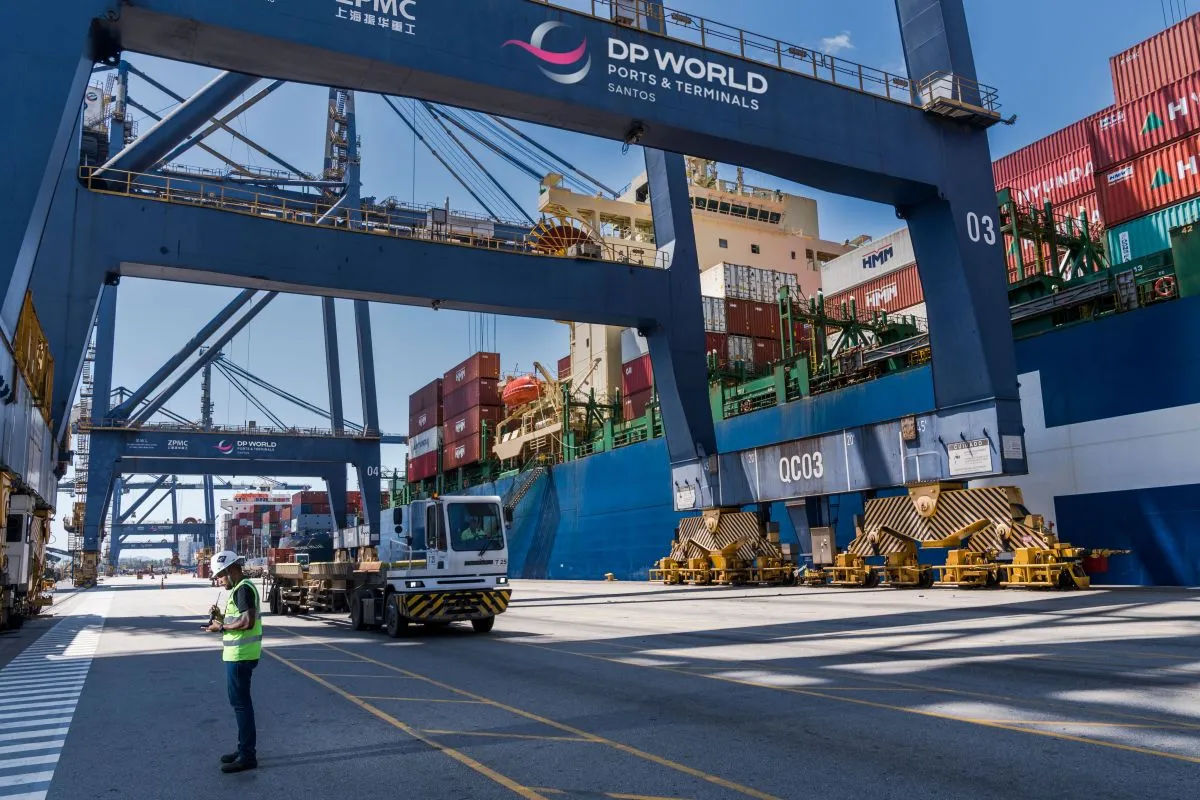
Middle East War-Risk Insurance | Critical Coverage Gap for High-Value E-Commerce Sellers
- DP World's $400M coverage limit protects sellers shipping electronics, luxury goods, and pharmaceuticals through Strait of Hormuz; eliminates 14-day port dwell exposure gaps
Overview
DP World's new war-risk cargo insurance product fundamentally reshapes supply chain risk management for cross-border e-commerce sellers routing shipments through the Middle East. The comprehensive policy covers sea and air transit, port storage, and inland transport across the Arabian Gulf and Red Sea—addressing a critical gap where standard cargo insurance excludes war-related losses entirely. With coverage limits reaching $400 million per shipment and $1 million per inland movement, settled without deductible, this product directly impacts sellers shipping high-value merchandise (electronics, luxury goods, pharmaceuticals, jewelry) through geopolitically volatile corridors.
The operational exposure gap is substantial for e-commerce logistics networks. Standard insurance covers only single transport legs, leaving cargo unprotected during port dwell time and inland trucking. DP World's case study illustrates the practical risk: cargo arriving at Jebel Ali port for clearance over several days, then trucked inland—under conventional arrangements, only the ocean leg receives war-risk coverage. For sellers managing inventory through Middle Eastern hubs (Dubai, Jebel Ali, Doha), this creates uninsurable exposure windows of 3-14 days. The Strait of Hormuz adds complexity beyond closure concerns: new Iranian transit authority requirements, vessel declaration mandates, clearance codes, and controlled corridors create compliance exposure that standard carrier liability doesn't cover. Some tankers operate with tracking signals disabled, exposing sellers to both physical security risks and payment system compliance issues.
DP World's integrated platform streamlines administration by linking certificates and premium collection to freight charges through a single system. This operational efficiency is critical for sellers managing multiple shipments monthly. The product complements existing all-risk cargo policies, providing specialized protection where conventional insurance falls short. For cross-border e-commerce operators, this represents a practical risk management tool addressing previously uninsurable gaps in supply chain protection. Sellers shipping through Middle Eastern corridors should immediately evaluate whether their current insurance covers port dwell time, inland transport, and Iranian transit compliance—most standard policies do not. The 14-day automatic port storage coverage is particularly valuable for sellers experiencing customs clearance delays, a common occurrence in the region.
Questions 8
How does 14-day port storage coverage affect inventory planning for Middle East routes?
Automatic 14-day port storage coverage eliminates a major cost variable in Middle East logistics. Sellers typically budget $50-200 per container daily for port storage, meaning a 10-day delay costs $500-2000. DP World's coverage absorbs this cost, improving cash flow predictability. For sellers managing inventory through Jebel Ali, this allows more aggressive inventory positioning: stock 2-3 weeks of high-demand SKUs at the port without storage cost penalties. This reduces time-to-market by 5-7 days compared to direct-to-warehouse shipping, improving sell-through rates for seasonal products (electronics, fashion, home goods) during peak demand windows.
Should sellers shift inventory away from Middle East hubs due to geopolitical risks?
No—instead, sellers should optimize their risk management strategy. Middle East hubs (Dubai, Jebel Ali) offer 30-40% cost advantages for Asia-to-Europe routes compared to direct shipping, and 15-20% advantages for Asia-to-Africa routes. Rather than abandoning these routes, sellers should: (1) implement DP World's war-risk insurance for high-value goods, (2) maintain 2-3 week safety stock buffers for critical inventory, (3) diversify routing through alternative hubs (Singapore, Port Said) for 10-15% of volume, and (4) use 3PL providers with integrated insurance solutions. This balanced approach preserves cost advantages while mitigating geopolitical exposure.