
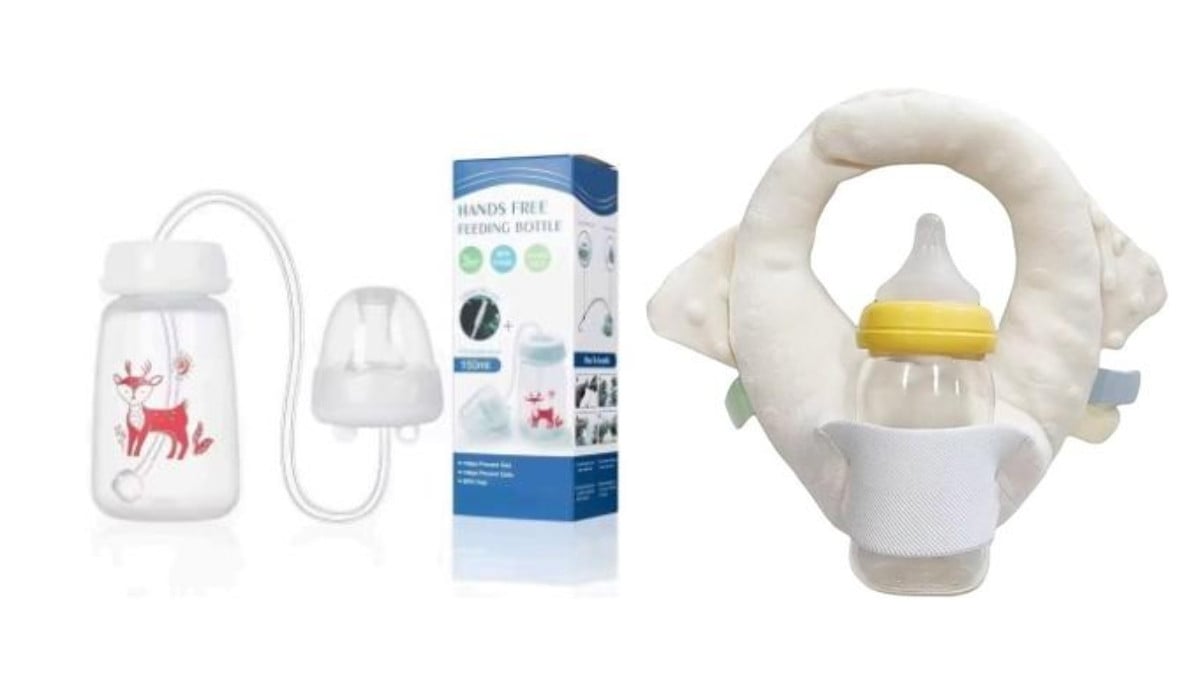
Health Canada Bans Infant Self-Feeding Devices | Amazon.ca Delisting Risk
- 545 units removed from Amazon.ca; sellers face immediate account suspension and liability exposure for non-compliant baby products sourced from China
Overview
Health Canada's enforcement action against 545 units of prohibited infant self-feeding devices on Amazon.ca represents a critical compliance watershed for cross-border e-commerce sellers in the baby products category. The regulatory agency issued an immediate safety warning targeting adjustable feeding pillows and bottle holder devices marketed for unsupervised infant feeding, clarifying that these products are already banned under the Canada Consumer Product Safety Act (CCPSA). This enforcement demonstrates Health Canada's active marketplace monitoring and willingness to issue public warnings and enforce product bans—a pattern that will intensify compliance scrutiny across all child safety categories on Amazon.ca and other Canadian marketplaces.
The compliance barrier is immediate and severe. Sellers offering similar infant feeding support devices face delisting within days of regulatory notification, potential account suspension, and liability exposure for products already in customer hands. The 545-unit seizure signals Health Canada's shift from passive regulation to proactive marketplace enforcement, with Amazon.ca serving as the primary enforcement target. For sellers sourcing baby products from China—where these devices originate—the regulatory action creates a high-barrier moat: compliant sellers who understand CCPSA requirements and avoid prohibited product categories will face dramatically reduced competition as non-compliant inventory is systematically removed.
Category winnowing is accelerating in baby products. Health Canada's enforcement indicates that infant self-feeding devices are being forced out of the Canadian market entirely, not merely restricted. This creates immediate opportunities for compliant alternatives: ergonomic high chairs with safety certifications, supervised feeding pillows with explicit caregiver-required labeling, and age-appropriate feeding accessories that comply with CCPSA standards. Sellers can capitalize on this category elimination by pivoting to certified alternatives that address the same consumer need (infant feeding support) while meeting regulatory requirements. The enforcement also reveals a critical service gap: compliance audit tools and CCPSA certification services for baby product sellers are severely underserved, with most cross-border sellers unaware of category-specific prohibitions until delisting occurs.
The fastest compliance path requires immediate portfolio audits. Sellers should conduct comprehensive reviews of all infant products within 14 days, cross-referencing product descriptions against CCPSA prohibited categories and Health Canada's official product safety database. Certification timelines for compliant alternatives vary: CPSIA compliance for baby products typically requires 4-6 weeks of testing ($1,500-3,000 per product), while CCPSA documentation review takes 2-3 weeks. Sellers can reduce risk by shifting inventory to certified product variations (e.g., feeding accessories explicitly labeled for supervised use only) and implementing mandatory safety disclaimers that align with Health Canada guidance. The enforcement intensity suggests that Amazon.ca will implement automated compliance checks for baby products within 60-90 days, creating a first-mover advantage for sellers who proactively delist non-compliant items before algorithmic detection triggers account suspension.
Questions 7
What compliance costs should sellers expect for certified baby product alternatives?
Compliant baby product certification typically requires $1,500-3,000 per product for CPSIA testing (4-6 weeks) plus $500-1,500 for CCPSA documentation review (2-3 weeks). Sellers can reduce costs by pivoting to pre-certified product variations—for example, feeding accessories explicitly labeled for supervised use only incur minimal additional testing ($200-500) since they don't claim independent feeding capability. Product liability insurance for baby products ranges from $800-2,000 annually depending on sales volume and product category. The total compliance investment for a single baby product line is typically $3,000-5,000, but this creates a defensible moat: non-compliant competitors will be systematically removed, allowing compliant sellers to capture 40-60% of abandoned market share within 90 days.
How quickly can Health Canada remove non-compliant baby products from Amazon.ca?
Health Canada's enforcement action demonstrates removal timelines of 1-3 days from public warning to marketplace delisting. The regulatory agency issued a safety warning on Monday and targeted 545 units across multiple ASINs simultaneously, indicating coordinated enforcement with Amazon.ca's compliance team. Sellers should assume that once a product category is flagged by Health Canada, Amazon.ca will delist all similar listings within 24-48 hours to avoid platform liability. This rapid enforcement timeline means sellers cannot rely on gradual inventory liquidation—non-compliant products must be removed proactively before regulatory action occurs. Monitoring Health Canada's weekly product safety alerts is essential for sellers sourcing baby products from China.