


Beef Tariff Suspension Delayed | Sellers Face 26% Import Cost Uncertainty
- Trump administration postpones tariff-rate quota suspension; Brazil beef imports currently face 26% duties; cross-border food sellers face extended supply chain planning delays








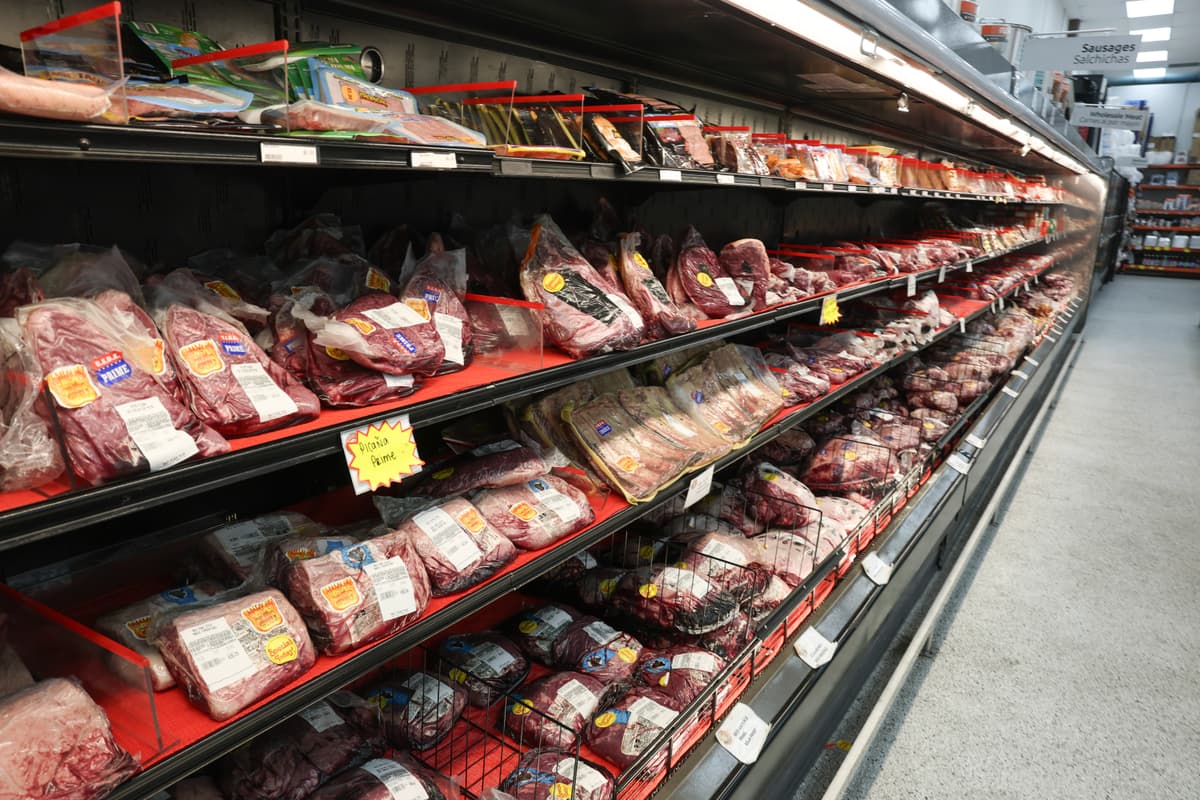






Overview
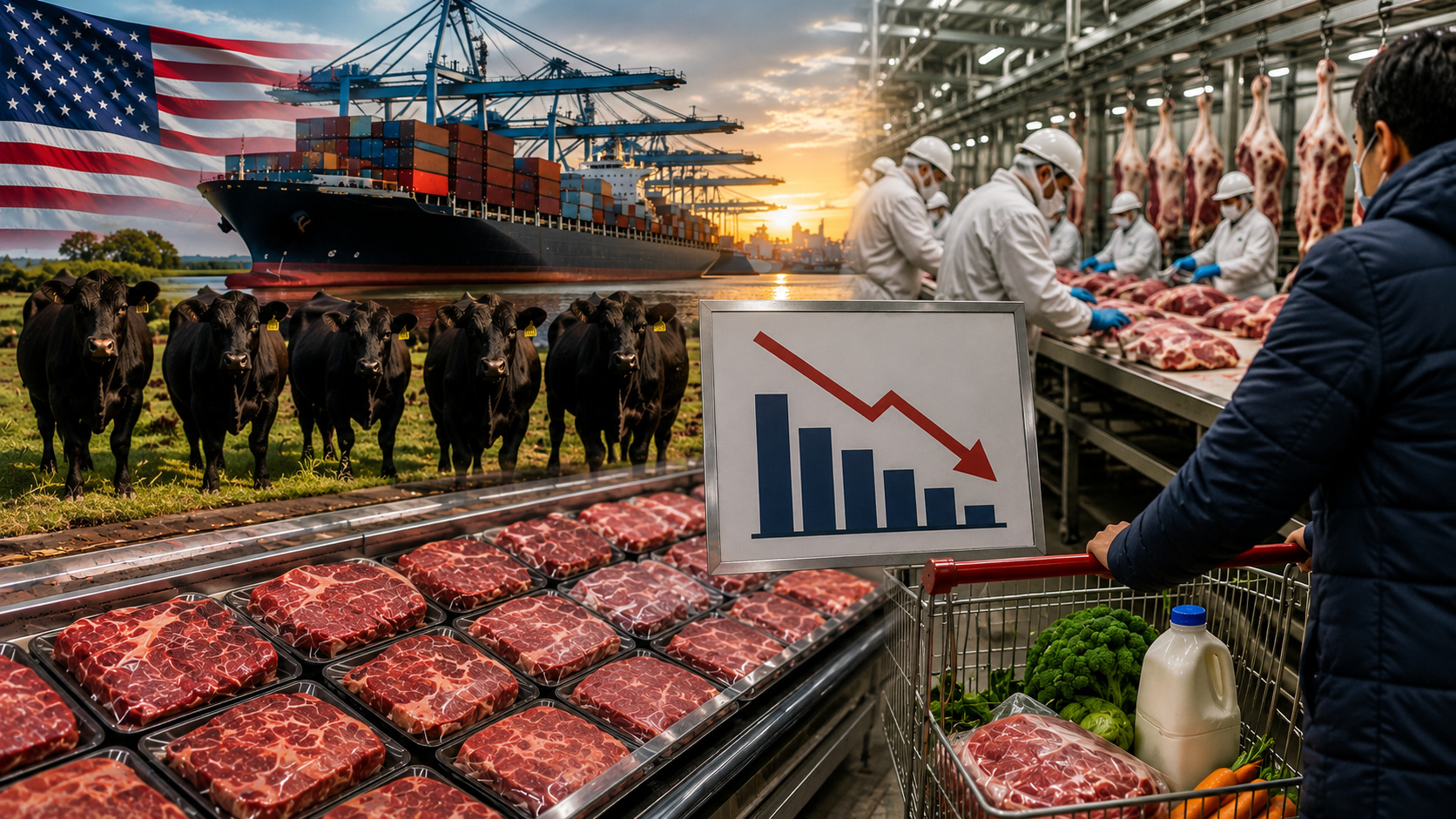
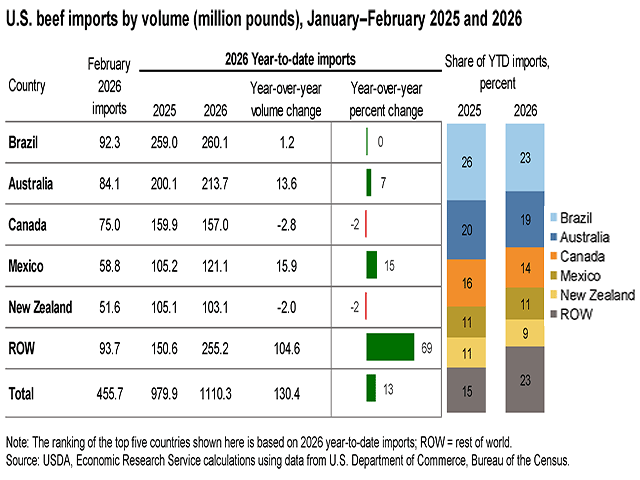
The Trump administration's delayed beef tariff reduction represents a critical policy inflection point for cross-border e-commerce sellers in the food and agricultural products sector. Originally scheduled for May 11, 2026, executive orders to temporarily suspend tariff-rate quotas on beef imports from all nations—particularly Brazil (26% current tariff), Australia, and Canada—have been postponed as implementation details are finalized. This delay extends uncertainty for sellers importing beef products, processed meat goods, and complementary food categories through Amazon Fresh, Walmart Marketplace, and specialty food platforms.
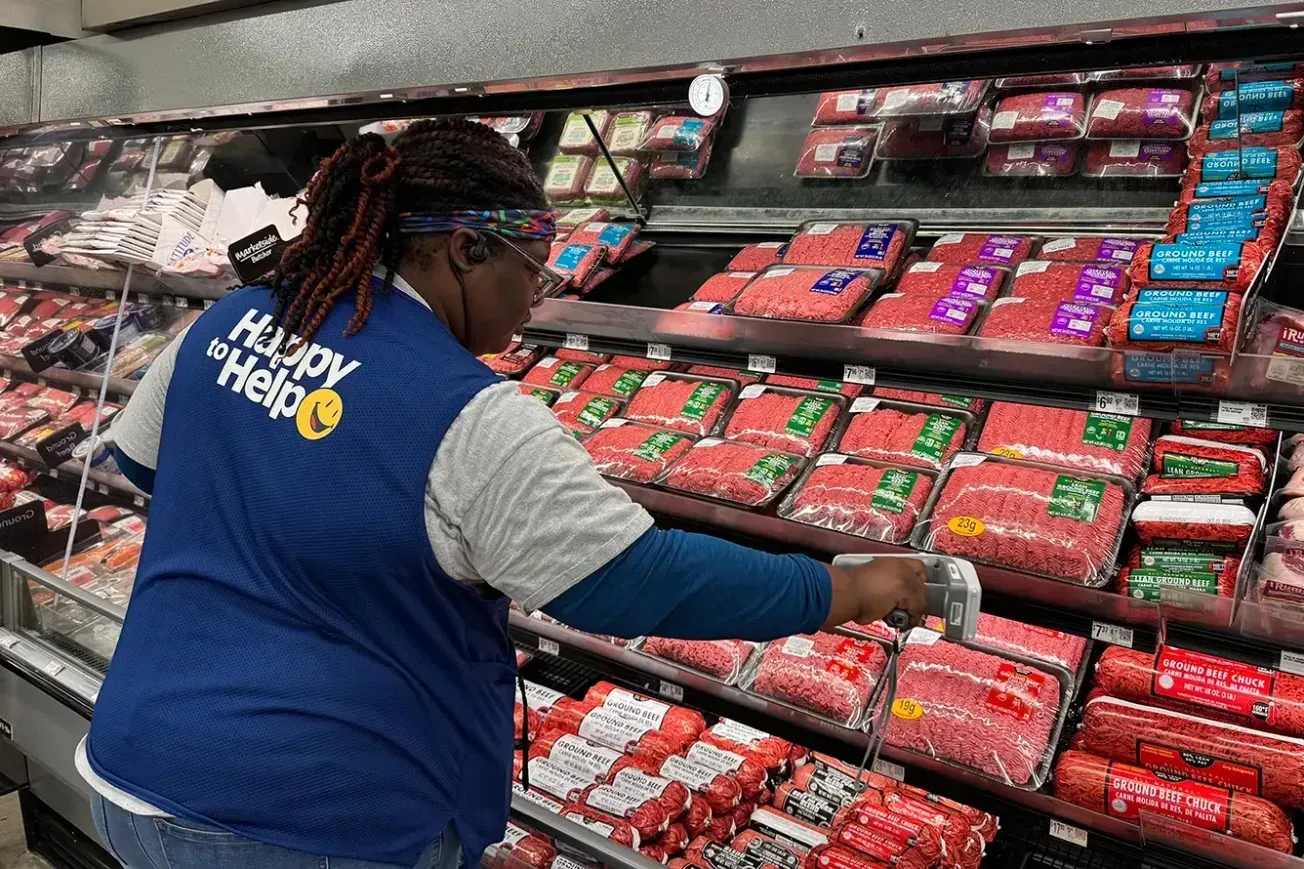
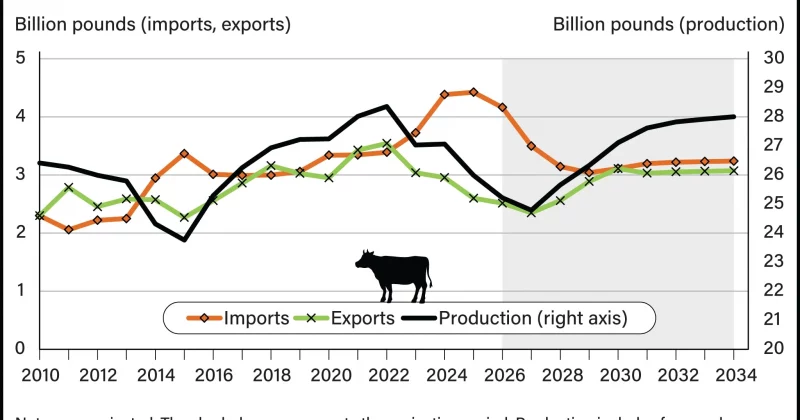
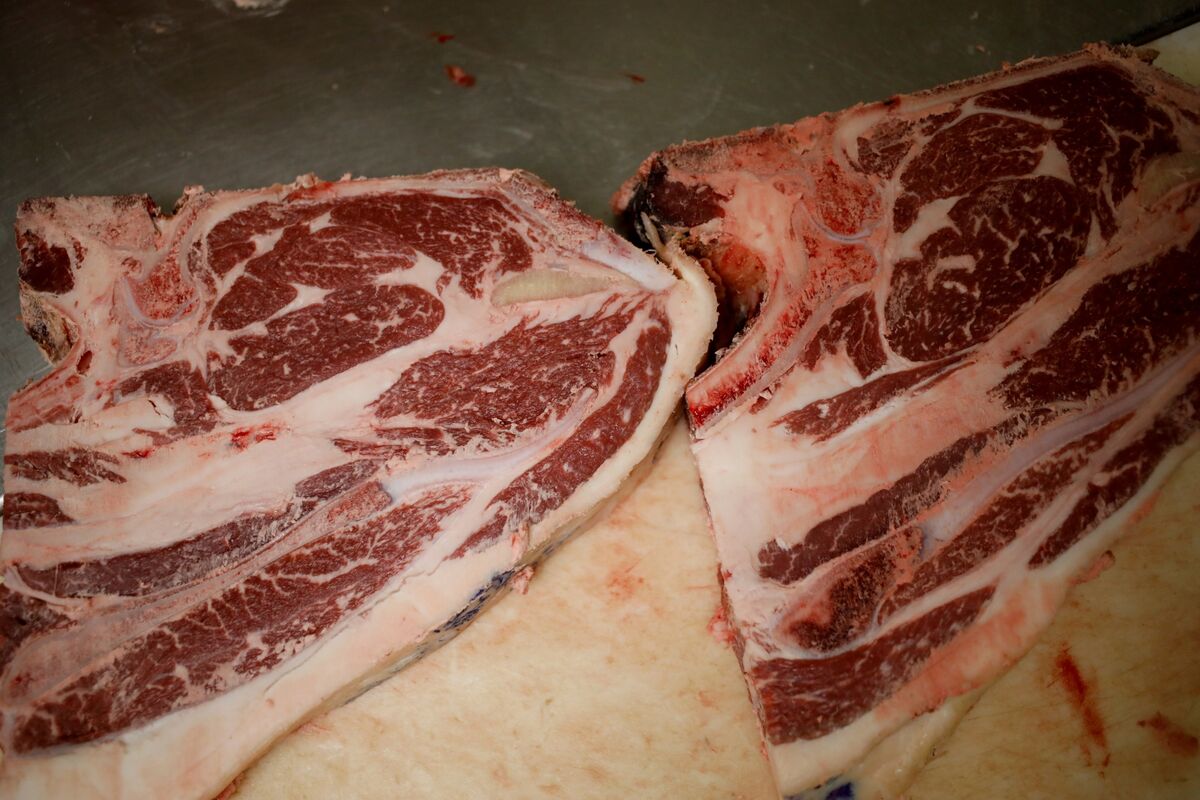
The tariff arbitrage opportunity is substantial but timing-dependent. Ground beef prices have risen 40% over five years, reaching record highs, creating consumer demand for imported alternatives. Once tariff-rate quotas are suspended, sellers importing Brazilian beef could see tariff costs drop from 26% to near-zero rates on quota-exempt volumes, potentially improving gross margins by 15-22% on imported beef products. This creates a narrow window for sellers to establish supply chains with Brazilian, Argentine, and Australian beef exporters before competitors saturate the market. The temporary nature of the suspension (not permanent) means sellers must plan for tariff reinstatement, making this a tactical rather than structural opportunity.
Competitive dynamics shift dramatically across seller segments. Large food retailers and Amazon Fresh competitors benefit from scale to absorb tariff costs during the uncertainty period. Mid-market sellers (100-500 SKU food catalogs) face the highest risk—insufficient scale to negotiate direct supplier relationships but too large to ignore the margin opportunity. Small sellers should focus on niche beef categories (grass-fed, organic, specialty cuts) where tariff savings create 25-35% margin improvements over domestic competitors. The concurrent SBA lending expansion for domestic ranchers signals the administration is simultaneously supporting U.S. cattle herd rebuilding, meaning imported beef will face increasing domestic competition within 18-24 months as herd sizes recover.
Regulatory compliance complexity increases during the delay period. Sellers must track three distinct tariff scenarios: current 26% rates (Brazil), potential temporary suspension (0% on quota volumes), and future reinstatement. USDA import permits, FDA food safety certifications, and country-of-origin labeling requirements remain constant but become more critical as import volumes increase. The delay also creates inventory planning challenges—sellers cannot confidently commit to large import orders without knowing exact tariff costs, forcing conservative purchasing that limits market share gains for early movers.
Questions 8
When will Trump's beef tariff suspension take effect and what tariff rates will change?
The executive orders were originally scheduled for May 11, 2026, but have been delayed pending implementation finalization. When enacted, the orders will temporarily suspend tariff-rate quotas on beef imports, reducing Brazil's current 26% tariff to near-zero on quota-exempt volumes. The suspension applies to all major beef exporters including Australia and Canada. However, the temporary nature means sellers should expect tariff reinstatement within 12-24 months, requiring contingency pricing strategies. Monitor White House announcements for the revised signing date, as this directly impacts import cost calculations for Q3-Q4 2026 inventory planning.
How much can cross-border beef sellers improve margins if tariffs are suspended?
Sellers importing Brazilian beef could see gross margin improvements of 15-22% once the 26% tariff is eliminated, assuming current wholesale pricing holds. For a seller importing 10,000 lbs monthly at $3/lb wholesale cost, the tariff suspension saves approximately $7,800 monthly in duties. However, this assumes sellers can secure direct supplier relationships and absorb logistics costs. Smaller sellers (under 500 units/month) may see only 8-12% margin gains due to higher per-unit import costs. The margin benefit is temporary—plan for tariff reinstatement within 18-24 months as domestic cattle herds recover through SBA lending programs.