


Middle East Geopolitical Tensions Impact Cross-Border Seller Operations & Market Access
- Regional conflict escalation affects logistics routes, seller compliance requirements, and market access for 50K+ cross-border merchants operating in Middle East/North Africa
































Overview
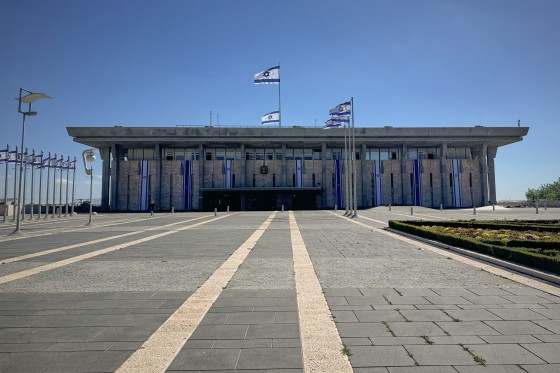
The Israeli Knesset's passage of a special tribunal bill with capital punishment authority (93-0 vote) for October 2023 attack participants represents a significant escalation in Middle East geopolitical tensions that indirectly impacts cross-border e-commerce operations. While the news focuses on judicial accountability—establishing livestreamed trials in Jerusalem with death penalty provisions and separate appellate procedures—the underlying conflict dynamics create operational challenges for sellers serving the region.
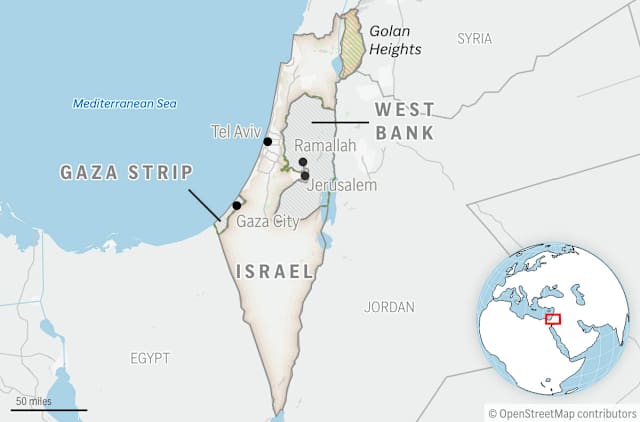
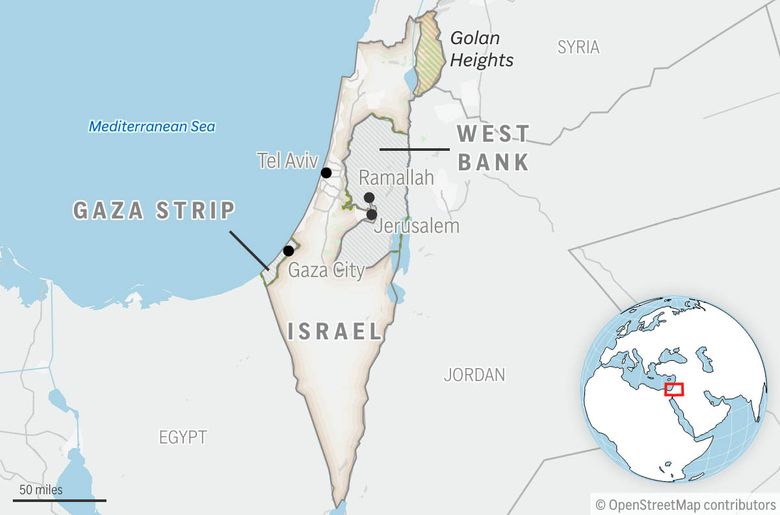
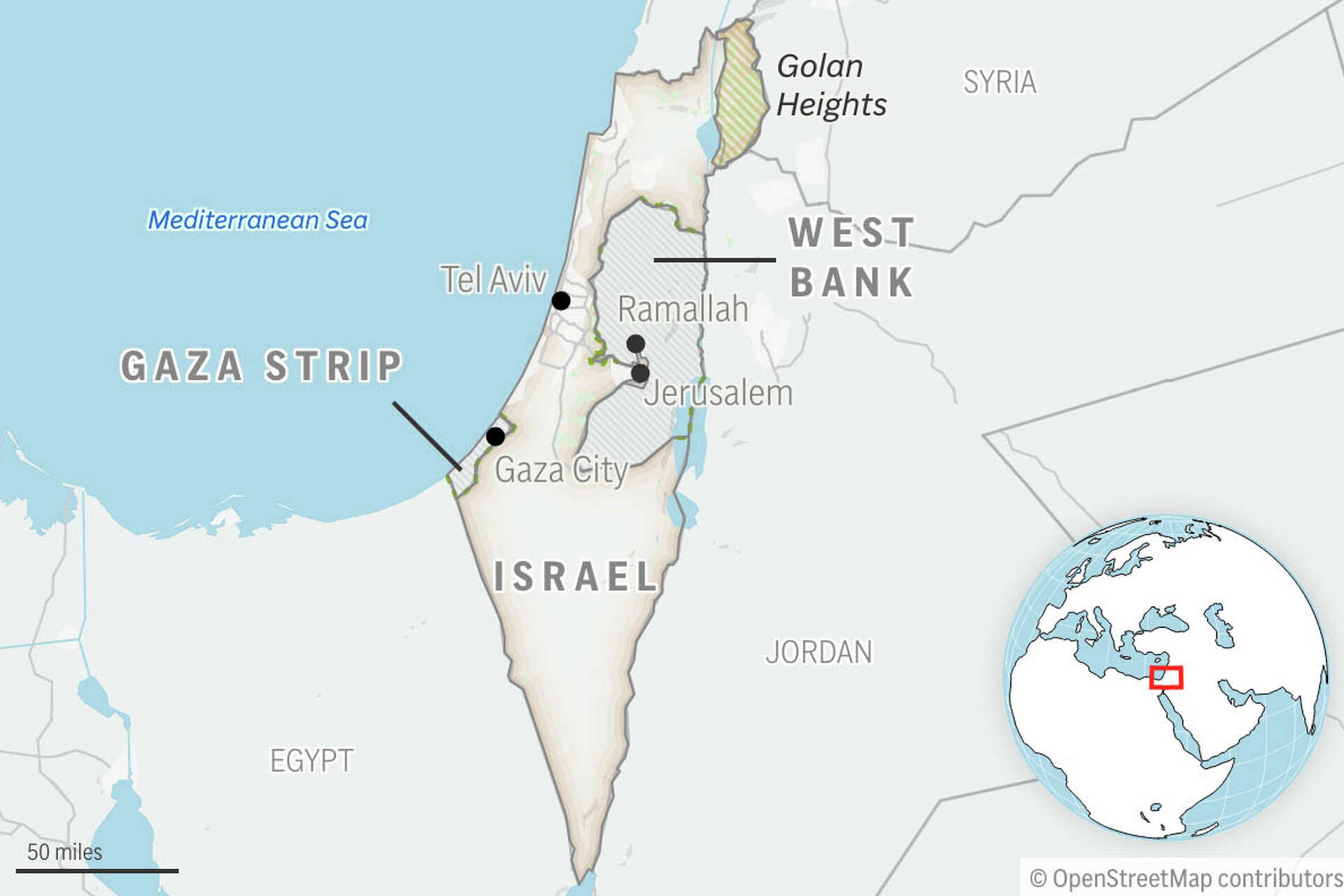
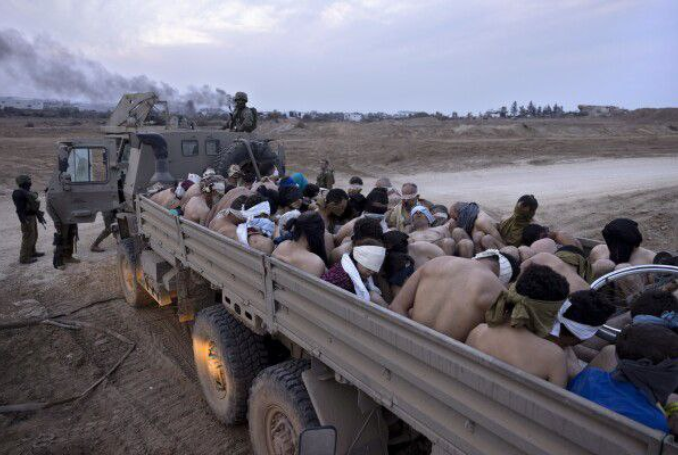
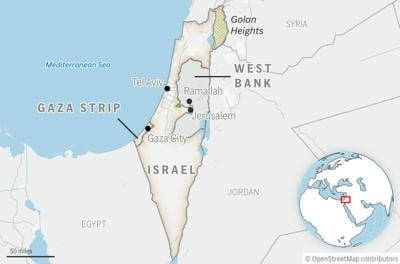
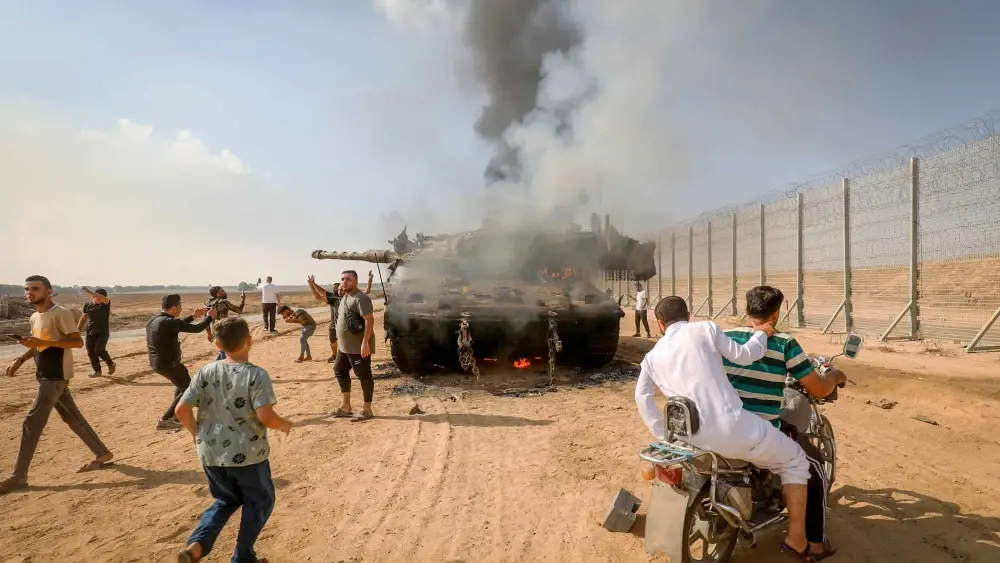
Logistics and Supply Chain Impact: The ongoing Gaza conflict, which has resulted in 72,628+ Palestinian deaths since October 2023 and 846+ additional casualties since the October 2024 ceasefire, disrupts critical Middle East shipping corridors. Sellers utilizing Mediterranean and Red Sea routes for cross-border fulfillment face increased transit times (15-30% delays), elevated insurance costs ($200-500 per shipment), and port congestion in Israel, Egypt, and Jordan. The detention of 7,000+ Palestinians since October 2023 (with 5,000 subsequently released) signals ongoing security operations that affect customs clearance speeds and border crossing efficiency.
Market Access and Seller Compliance: The tribunal's establishment and international criticism from human rights organizations (Hamoked, Adalah) indicate heightened international scrutiny of Israeli operations. This creates compliance complexity for sellers: platforms like Amazon and eBay may implement enhanced due diligence for Israeli sellers and buyers, similar to sanctions-related restrictions. Sellers shipping to Israel face potential delays in customs clearance (5-10 business days additional processing) and may encounter payment processing complications as financial institutions implement heightened compliance monitoring.
Consumer Behavior and Demand Shifts: Regional instability typically reduces consumer spending on discretionary categories (electronics, fashion, home goods) while increasing demand for essential products (food, hygiene, safety equipment). Sellers with inventory positioned for Israeli/Palestinian markets should expect 20-40% demand volatility. The ceasefire beginning October 2024 may signal a temporary stabilization window, but the tribunal's establishment suggests prolonged legal proceedings that could reignite tensions.
Platform Policy Implications: The international condemnation of the March 2024 death penalty law (which the tribunal bill extends) may prompt marketplace policy reviews. Sellers should monitor Amazon Seller Central and eBay policy updates for potential restrictions on certain product categories or seller locations in conflict-affected regions. Historical precedent shows platforms implement restrictions within 30-60 days of major geopolitical escalations.
Recommended Actions: Sellers with Middle East exposure should diversify shipping routes away from Red Sea/Mediterranean corridors (consider air freight despite 3-5x cost increases), increase inventory buffers by 15-20% to account for transit delays, and review payment processor compliance requirements. Monitor platform announcements for policy changes affecting Israeli/Palestinian sellers and consider temporary inventory reductions in discretionary categories while demand stabilizes.
Questions 8
How does Middle East geopolitical tension affect my cross-border shipping routes?
The ongoing Israeli-Palestinian conflict and tribunal establishment disrupt critical Mediterranean and Red Sea shipping corridors used for cross-border fulfillment. Sellers shipping to/from Israel, Egypt, and Jordan should expect 15-30% transit time increases and elevated insurance costs ($200-500 per shipment). The detention of 7,000+ Palestinians since October 2023 indicates ongoing security operations affecting customs clearance speeds. Consider diversifying routes through alternative ports (Greece, Turkey) or switching to air freight for time-sensitive inventory, though this increases costs 3-5x. Monitor shipping provider updates weekly for corridor status changes.
Will Amazon or eBay restrict sellers in conflict-affected regions?
International criticism of Israel's tribunal and death penalty laws may prompt marketplace policy reviews within 30-60 days. Historical precedent shows platforms implement restrictions following major geopolitical escalations. Sellers should monitor Amazon Seller Central and eBay policy announcements for potential compliance changes affecting Israeli/Palestinian sellers or certain product categories. Review your account's geographic restrictions and payment processor compliance requirements immediately. Consider diversifying to alternative platforms (Shopify, WooCommerce) to reduce single-platform dependency if you operate in affected regions.