


Iran War Inflation Surge 2026 | Cross-Border Sellers Face 8-12% Logistics Cost Spike
- 3.8% inflation hits 3-year high; fuel surcharges crush air freight margins; working capital financing becomes critical for Q2-Q3 survival











Overview
The Energy Crisis Impact on Cross-Border E-Commerce Logistics: U.S. inflation surged to 3.8% in April 2026—the highest level in three years—driven by the Iran conflict and Strait of Hormuz closure, which disrupted approximately 20% of global oil supply. Oil prices jumped 70% year-to-date, gasoline reached $4.50/gallon (up $1.52 since February 28), and jet fuel costs increased 60%, directly triggering fuel surcharges from Delta, United, Southwest, and international carriers. For cross-border e-commerce sellers, this creates an immediate operational crisis: USPS implemented price increases in April, airlines added baggage fees, and international carriers imposed fuel surcharges that compress margins on air freight shipments by 8-12%. Sellers using expedited shipping for time-sensitive categories (electronics, fashion, perishables) face the steepest cost increases, while slower ocean freight routes remain relatively stable but require 4-6 week lead times that lock up working capital.
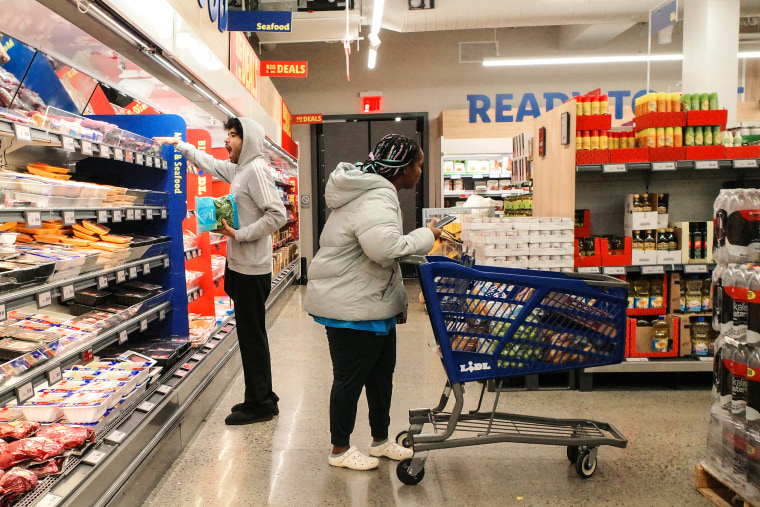
Consumer Purchasing Power Erosion & Demand Compression: For the first time since 2023, inflation (3.8%) now exceeds wage growth (3.6%), eroding real consumer purchasing power at an accelerating pace. The University of Michigan's consumer sentiment index hit its lowest level ever recorded (dating back to 1978), signaling severe demand headwinds. Grocery prices jumped 0.7% in April—the largest monthly increase in four years—while airfares surged 20% year-over-year. This dual pressure (rising seller costs + declining consumer spending) creates a margin squeeze: sellers cannot easily pass fuel surcharges to price-sensitive buyers without losing volume. Amazon FBA sellers shipping via air freight will see fulfillment costs rise $150-400/month per 1,000 units, while sellers relying on expedited international shipping face even steeper increases. Core inflation (excluding food/energy) rose 0.4% month-over-month, exceeding expectations, signaling that cost pressures will cascade into sourcing and manufacturing expenses over the next 6-12 months.
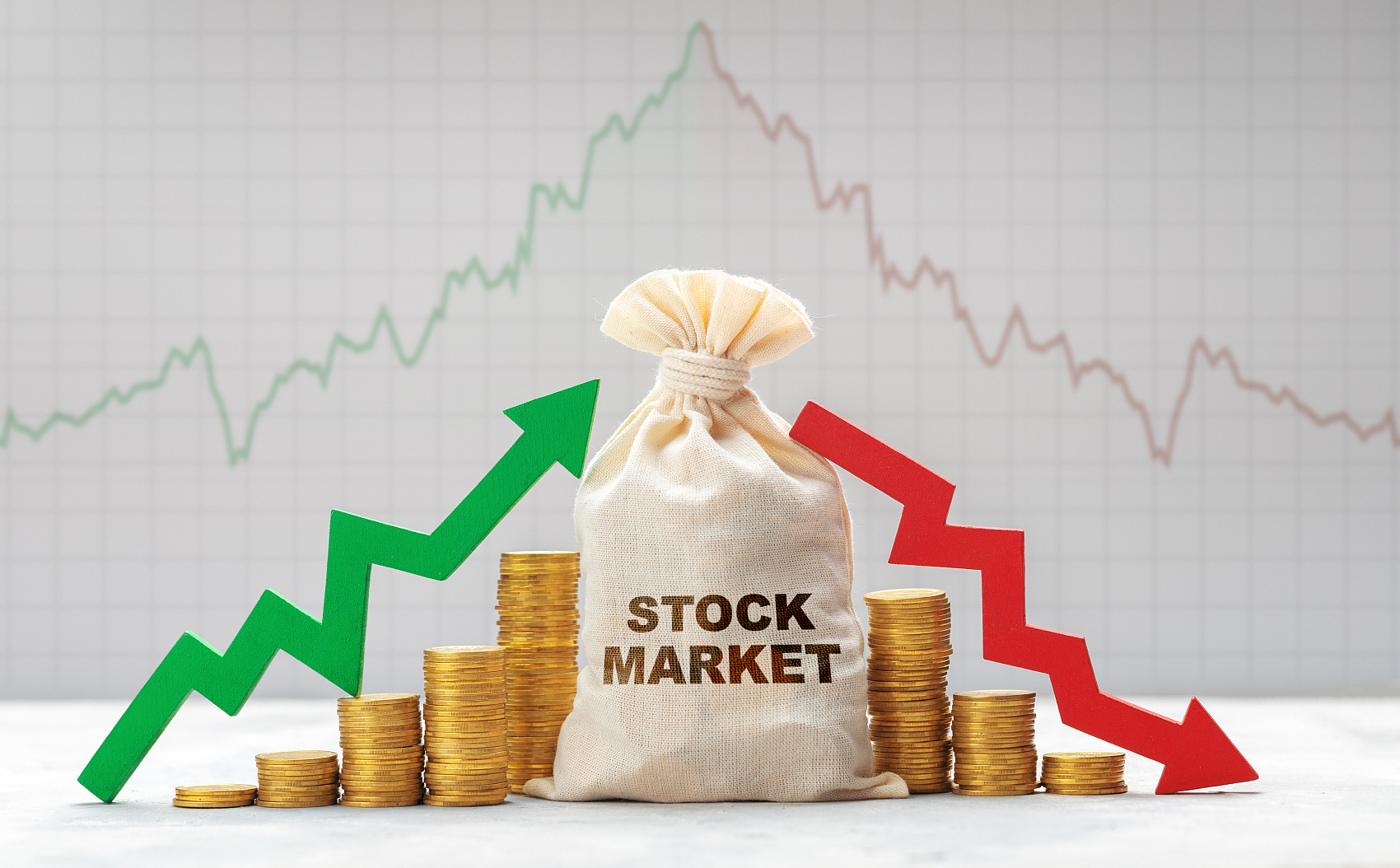
Strategic Financial Optimization Opportunities: The inflation shock creates three immediate financial optimization angles for sellers: (1) Payment Route Arbitrage: Sellers should shift high-volume shipments to slower ocean freight routes (saving 40-60% vs. air freight) and use supply chain financing to bridge the extended 45-60 day cash conversion cycle. (2) FX Hedging: With USD strengthening against emerging market currencies (China, India, Vietnam), sellers sourcing from Asia can lock in favorable rates now before manufacturing cost increases propagate. (3) Working Capital Financing: Invoice factoring and purchase order financing become critical—sellers can unlock 70-80% of invoice value within 48 hours to cover fuel surcharge increases and inventory buildup. Providers like Stripe Capital, Amazon Lending, and specialized trade finance platforms are actively targeting sellers facing margin compression. The 70% probability of steady Fed rates through year-end (per CME FedWatch) suggests financing costs will remain stable, making this an optimal window to lock in 6-12 month financing at current rates before potential increases. Sellers should immediately audit their payment methods: consolidating shipments to reduce per-unit logistics costs, negotiating volume discounts with 3PL providers before Q3 peak season, and pre-financing inventory purchases to avoid emergency borrowing at higher rates.
Questions 8
How should sellers hedge against currency fluctuations during this inflation period?
With USD strengthening against emerging market currencies (China, India, Vietnam sourcing), sellers should lock in favorable FX rates immediately before manufacturing cost increases propagate. Forward contracts allow sellers to fix exchange rates 30-90 days in advance, protecting margins from currency volatility. The 70% probability of steady Fed rates through year-end (per CME FedWatch) suggests financing costs will remain stable, making this an optimal window to lock in 6-12 month financing at current rates. Sellers sourcing from Asia should prioritize FX hedging now before cost increases force suppliers to demand higher prices in USD terms.
What is the impact of consumer sentiment collapse on e-commerce demand?
Consumer sentiment hit its lowest level ever recorded in May 2026 (University of Michigan survey dating back to 1978), signaling severe demand headwinds. Inflation at 3.8% now exceeds wage growth at 3.6%, eroding real purchasing power for the first time since 2023. This creates a margin squeeze: sellers cannot easily pass fuel surcharges to price-sensitive buyers without losing volume. Sellers should expect 5-10% demand compression in discretionary categories (fashion, electronics, home goods) while essential categories (groceries, health products) remain more resilient. Inventory planning should shift toward faster-turning SKUs and away from slow-moving stock that ties up working capital.