


Beef Tariff Suspension Delayed | Import Margins at Risk for Food E-Commerce Sellers
- Postponed tariff-rate quota suspension creates supply chain uncertainty; Brazil beef imports face 26% tariffs; sellers importing food products face margin compression as domestic cattle herd remains at 75-year low
















Overview
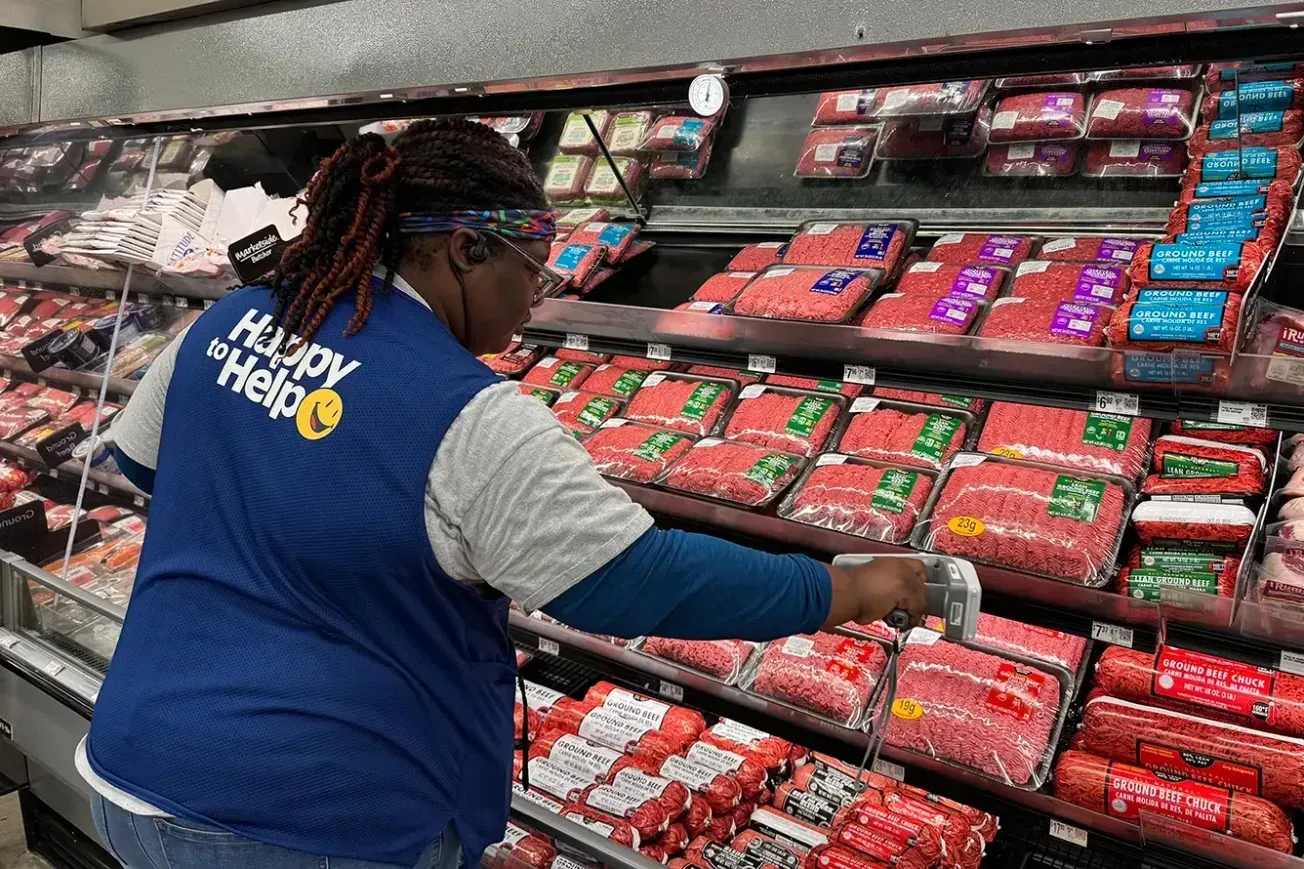
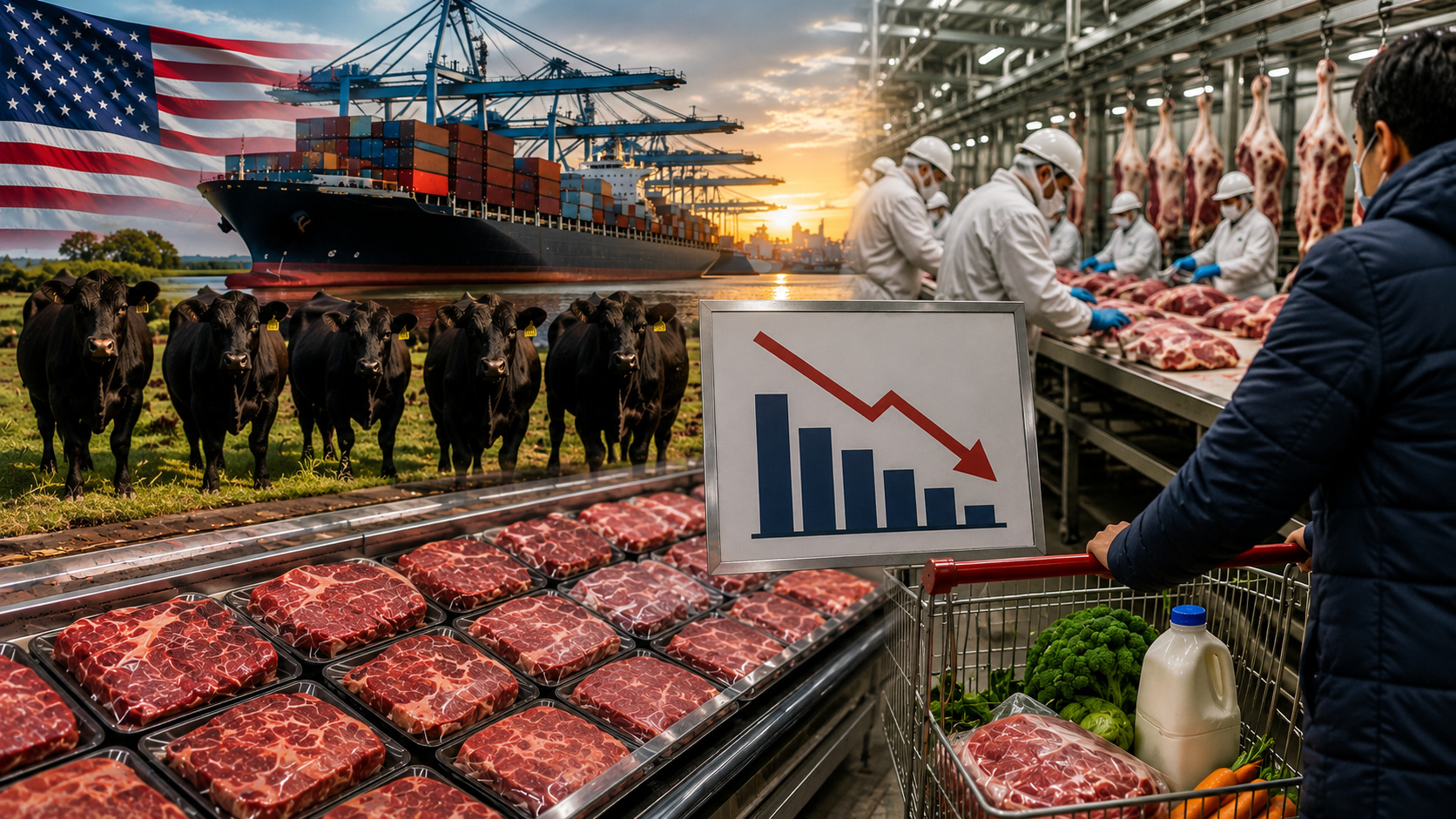
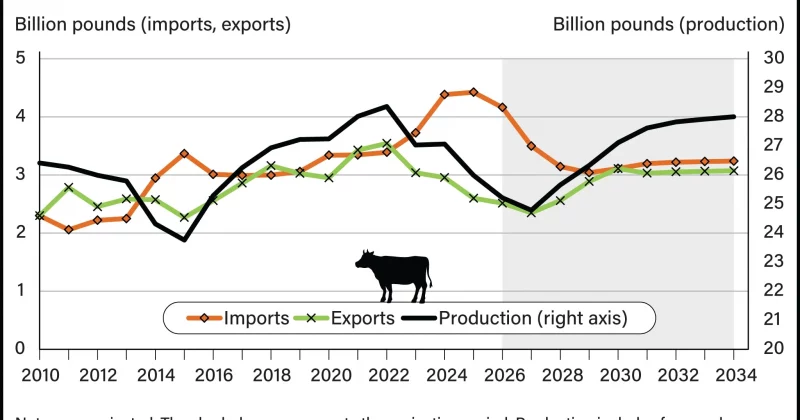
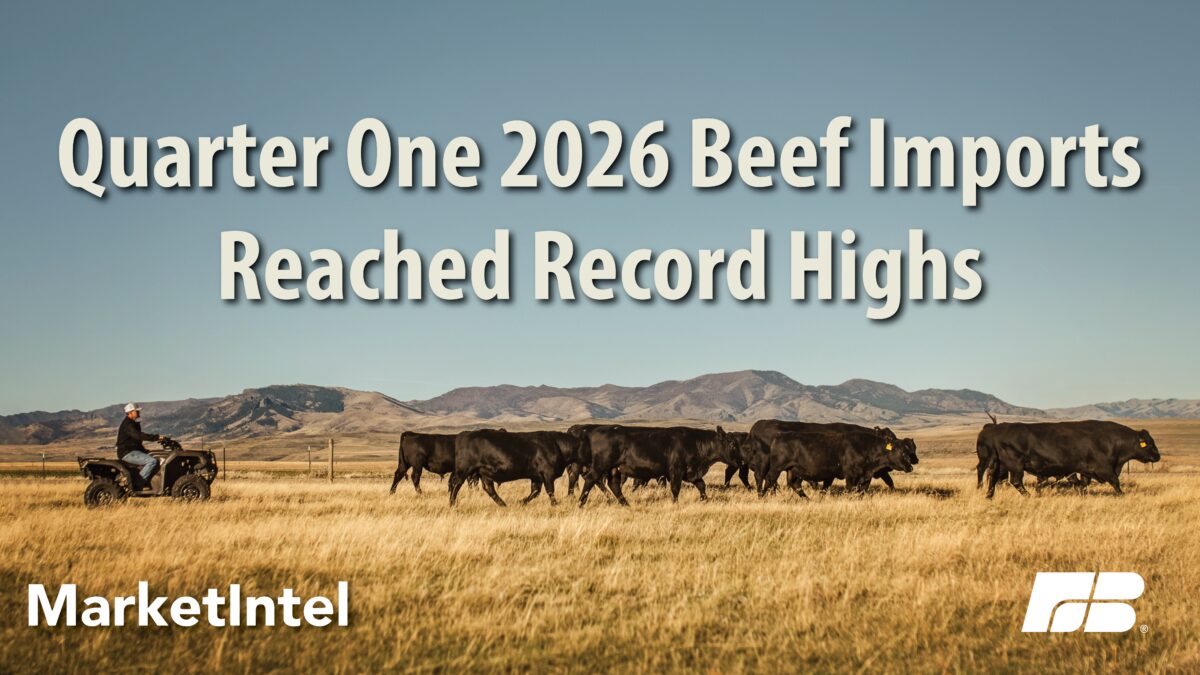
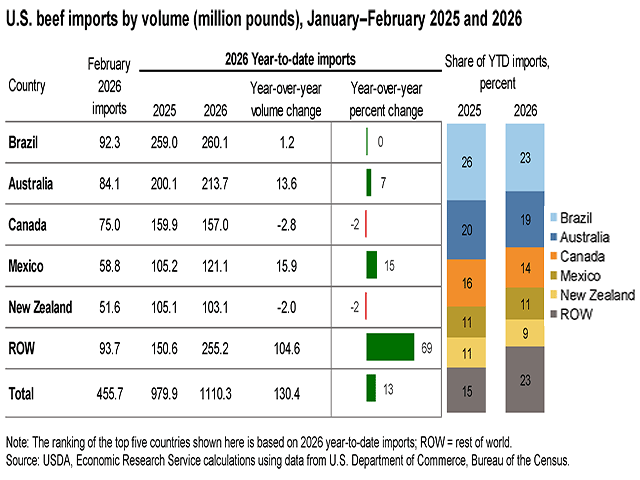
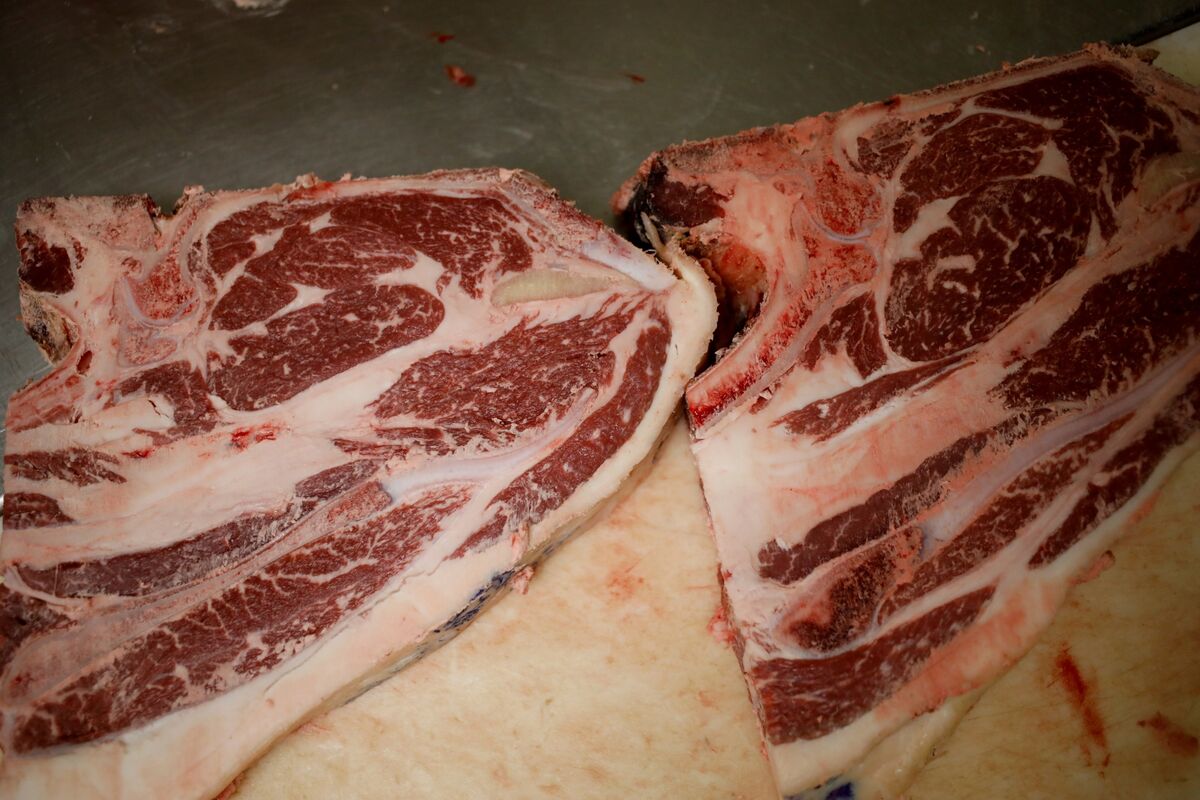
The Trump administration's delayed executive orders on beef tariff suspension represent a critical policy inflection point for cross-border e-commerce sellers in the food and agricultural products sector. Originally scheduled for May 11, 2026, the orders would have temporarily suspended tariff-rate quotas on beef imports from all nations, particularly Brazil (currently 26% tariffs), Argentina, Australia, and Canada. The postponement extends uncertainty for sellers importing beef products, processed meat items, and related food categories through Amazon Fresh, Walmart Marketplace, and specialty food platforms. Ground beef prices have surged 40% over five years, reaching record highs, creating consumer demand for imported alternatives—yet tariff barriers remain in place, compressing margins for importers.
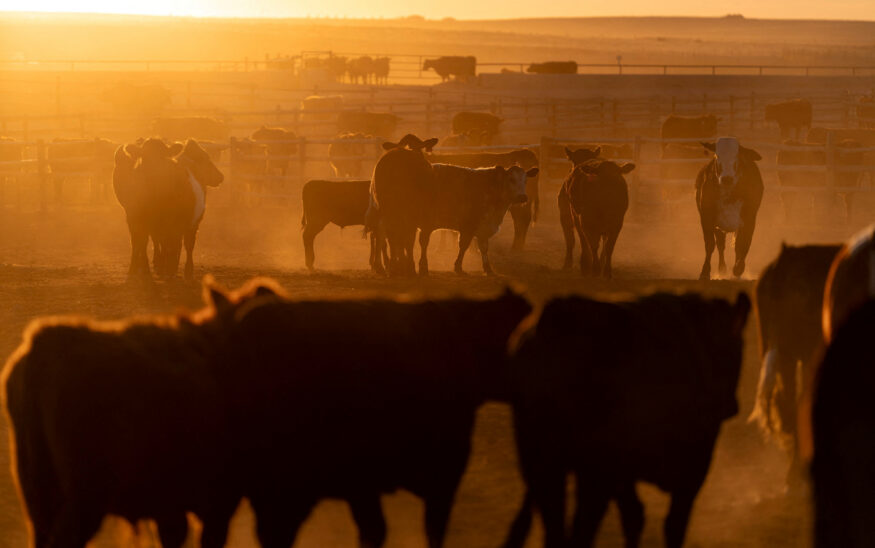
The core tariff arbitrage opportunity hinges on policy timing. Sellers currently importing beef from Brazil face 26% tariffs post-quota, while Argentine beef benefits from February's partial liberalization. The delayed executive orders would have eliminated these quota-based tariffs entirely, potentially improving margins by 15-22% on imported beef products. However, the postponement signals internal administration debate between protecting domestic cattle producers (whose herds sit at 75-year lows) and addressing consumer price pressures. For Amazon FBA sellers in the gourmet/specialty beef category, this delay extends the window of high-tariff costs, making domestic sourcing more competitive despite higher input costs.
Competitive dynamics are shifting toward domestic suppliers. The administration's concurrent SBA lending expansion for ranchers and regulatory relief (eliminating electronic ear tag requirements, scaling back Endangered Species Act protections) signal long-term support for domestic herd rebuilding. This creates a two-phase market: near-term (6-18 months) continued high import tariffs favor domestic beef sellers, while medium-term (18-36 months) potential tariff suspension would favor importers from Brazil, Australia, and Canada. Sellers should monitor White House announcements for final executive order timing—the policy window remains open but uncertain. Consumer behavior data shows trading down to lower-cost cuts (Shake Shack saw 30% stock decline from beef cost pressures; McDonald's shifted to chicken), indicating price-sensitive buyers will drive demand toward imported budget-friendly beef products once tariffs drop.
For cross-border sellers, the operational impact is immediate. Importers must extend inventory planning timelines due to policy uncertainty, potentially holding higher safety stock at elevated tariff costs. Sellers with existing Brazilian or Argentine supplier relationships should prepare rapid scaling scenarios for when tariff suspension is finalized. The temporary nature of the proposed suspension (not permanent elimination) suggests future policy reversals are possible, making long-term sourcing contracts risky. Food marketplace sellers should anticipate 8-12 week lag between executive order signing and tariff implementation, creating a critical window to adjust pricing strategies and inventory positions.
Questions 8
How does the beef tariff suspension delay affect my import margins as an Amazon FBA seller?
The postponed executive order extends the period when Brazilian beef imports face 26% tariffs post-quota, compressing margins by 15-22% compared to tariff-free scenarios. If you're importing specialty beef products (HS codes 0201-0202), current tariff costs reduce profitability significantly. Once the executive order is finalized—expected within 60-90 days based on White House statements—tariff-rate quotas will suspend, potentially improving margins immediately. Monitor White House announcements weekly; the policy window remains open but timing is uncertain. Consider hedging by increasing domestic sourcing temporarily while maintaining Brazilian supplier relationships for rapid scaling post-suspension.
Which beef-exporting countries benefit most from the tariff suspension policy?
Brazil, Australia, and Canada are the primary beneficiaries. Brazil currently faces 26% tariffs once quota limits are exceeded; the suspension eliminates this entirely. Argentina already received partial liberalization in February 2026, giving it a competitive advantage. Australia and Canada have established trade relationships with the U.S. and will see immediate cost reductions. For sellers, this means Brazilian beef becomes most price-competitive post-suspension, followed by Argentine products. Diversifying supplier relationships across these countries reduces policy risk and enables rapid sourcing adjustments when tariff suspension is finalized.