





US-Japan Yen Coordination Stabilizes Currency Risk | Cross-Border Seller Opportunity
- Bilateral forex coordination reduces yen volatility for Japan-US e-commerce corridor; sellers gain pricing predictability amid geopolitical tensions
































Overview
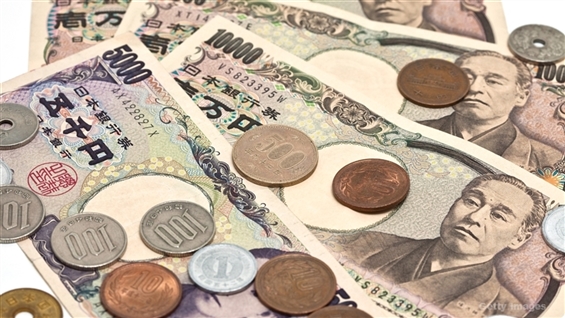
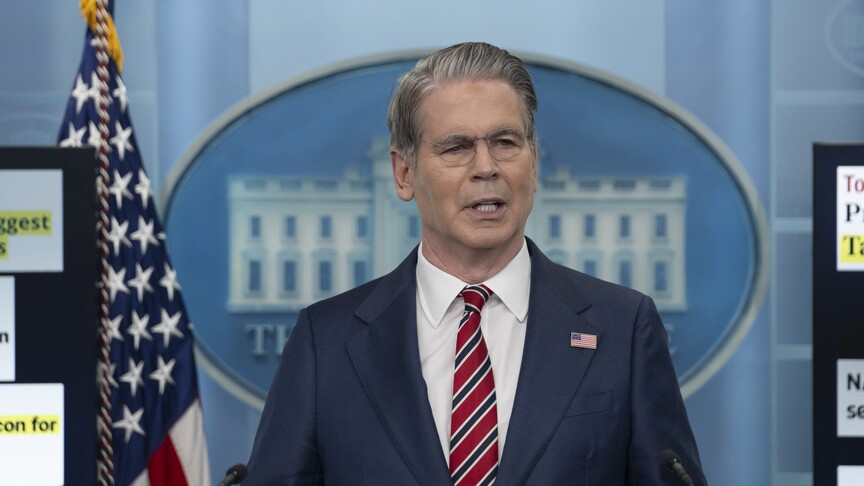
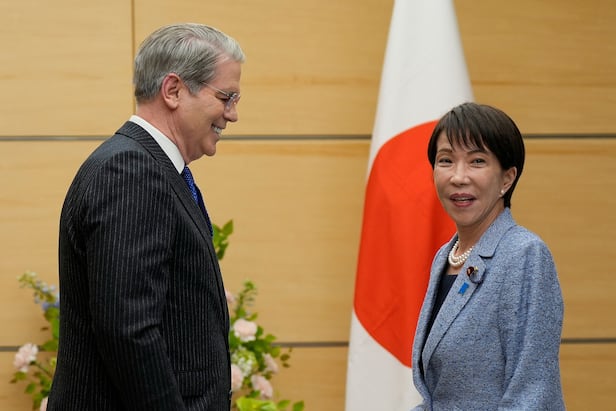
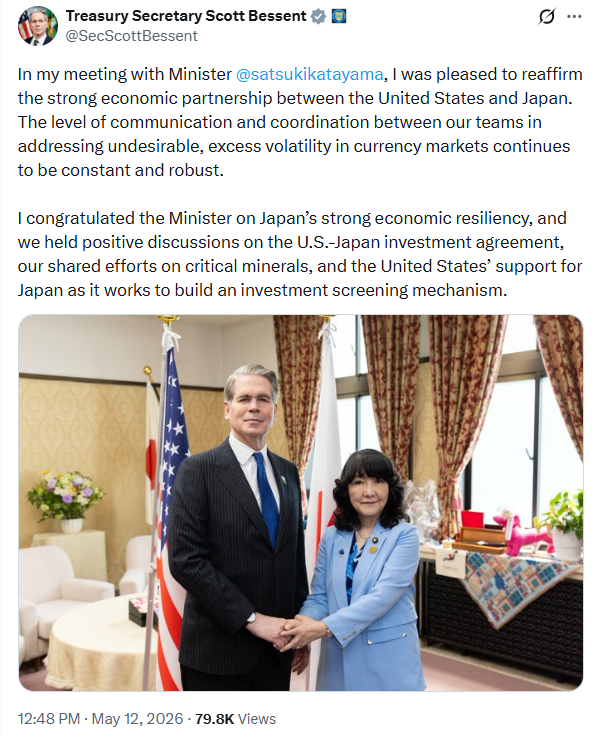
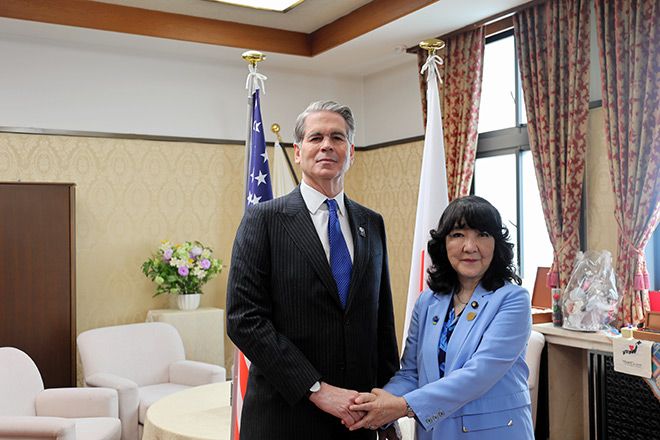
US Treasury Secretary Scott Bessent's May 2026 diplomatic understanding with Japan on yen intervention represents a critical stabilization moment for cross-border e-commerce sellers operating in the Japan-US corridor. Japan's Finance Minister Satsuki Katayama confirmed "very well coordinated" forex management between the world's largest and third-largest economies, establishing formal protocols for monitoring currency fluctuations amid Middle East geopolitical pressures. This bilateral coordination directly impacts the estimated $45-50B annual Japan-US e-commerce trade volume, where currency volatility historically creates 8-15% margin compression for sellers.
The policy framework creates three distinct seller opportunities. First, Japanese exporters to North America gain pricing stability: when the yen strengthens, Japanese sellers exporting electronics, apparel, and automotive components face reduced competitiveness. The coordinated intervention framework signals government commitment to preventing excessive yen appreciation, allowing sellers to lock in more predictable hedging costs (typically 1-3% of transaction value). Second, US importers of Japanese products benefit from reduced currency shock exposure: sellers importing Japanese electronics, cosmetics, and specialty goods can now forecast landed costs more accurately, improving inventory planning and reducing the need for 15-20% price buffers against sudden yen spikes. Third, the de-escalation of currency manipulation tensions reduces trade policy risk: historically, currency disputes between major economies escalate to formal WTO complaints and retaliatory tariffs. The reported "understanding" suggests the Trump administration will not pursue aggressive currency manipulation accusations against Japan, protecting supply chain stability for sellers relying on Japanese component sourcing.
The operational impact varies significantly by seller segment and product category. Small-to-medium sellers (SMBs) with $500K-$5M annual Japan-US trade volume benefit most from reduced volatility—they typically lack sophisticated hedging infrastructure and absorb currency swings directly into margins. Large enterprise sellers ($50M+ volume) already employ currency forwards and options strategies, so coordination primarily reduces hedging premium costs by 10-20 basis points. Electronics sellers (HS codes 8471-8544) face the highest currency exposure due to thin 8-12% margins; automotive parts sellers (HS codes 8708-8709) operate on 12-18% margins with more cushion. The May 11, 2026 meeting and reaffirmed joint statement establish monitoring protocols that suggest potential intervention windows—sellers should expect government action if yen-dollar rates breach historical volatility bands (typically ¥145-155 per dollar range).
The geopolitical context creates both opportunity and risk. Middle East tensions mentioned in Katayama's statement typically drive yen appreciation (safe-haven currency flows), which would normally harm Japanese exporters. However, coordinated intervention signals both governments view currency stability as a priority over allowing market-driven appreciation. This creates a 6-12 month window where sellers can confidently price products without expecting dramatic yen strength. Conversely, if Middle East tensions escalate beyond current levels, both governments may shift to allowing yen appreciation to manage inflation pressures, creating sudden margin compression for Japanese exporters. The reaffirmation of "previous year" joint statements indicates this is an ongoing framework, not a one-time agreement, suggesting sustained policy commitment through at least 2027.
Questions 8
How does US-Japan forex coordination affect pricing for sellers importing Japanese products?
Coordinated forex management reduces yen volatility, allowing sellers to forecast landed costs more accurately and reduce price buffers. Sellers importing Japanese electronics, cosmetics, and specialty goods typically maintain 15-20% price buffers against sudden yen appreciation; coordinated intervention can reduce this to 8-12%, improving margins by 3-8 percentage points. The May 2026 coordination framework signals government commitment to preventing excessive yen strength, making it safer to lock in prices 60-90 days forward without hedging premiums spiking. Monitor official Treasury and Bank of Japan statements for intervention signals—sudden policy shifts can still create 5-10% currency moves within days.
What is the timeline for sellers to adjust pricing strategies based on this forex coordination?
The immediate window is 30-60 days (June-July 2026) to review current hedging contracts and pricing models. Sellers should lock in forward contracts at current rates before any potential intervention, as coordinated action typically occurs within 2-4 weeks of official statements. The reaffirmed joint statement indicates ongoing monitoring through at least 2027, so this is not a temporary arrangement. For inventory planning, assume yen-dollar stability in the ¥145-155 range for the next 6-12 months, allowing more aggressive pricing in the US market. Reassess quarterly when Treasury and Bank of Japan release updated coordination statements.