


Amazon E-Bike Compliance Crackdown | California Speed Limits Force Seller Delisting & Nationwide Regulatory Precedent
- Amazon removes 40+ mph e-bikes from California listings; 28 mph pedal-assist/20 mph throttle limits create compliance moat; precedent signals nationwide enforcement expansion affecting estimated 30-40% of current e-bike sellers








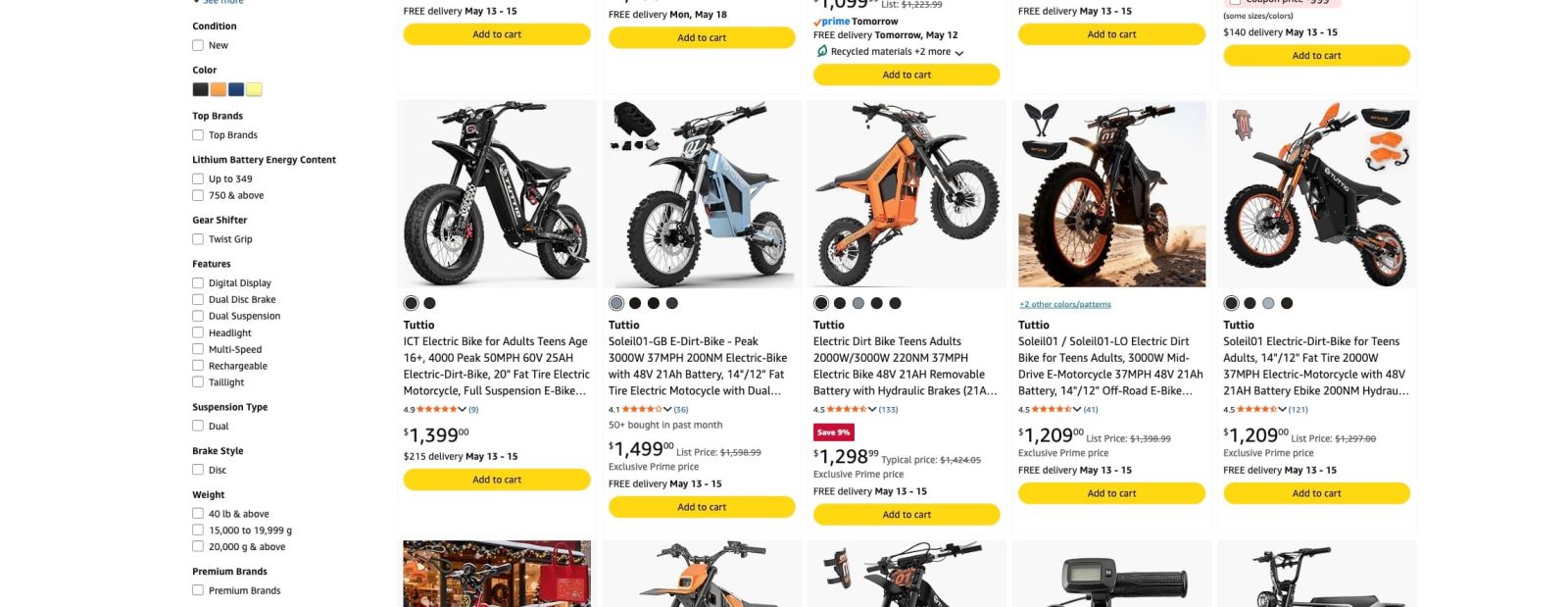
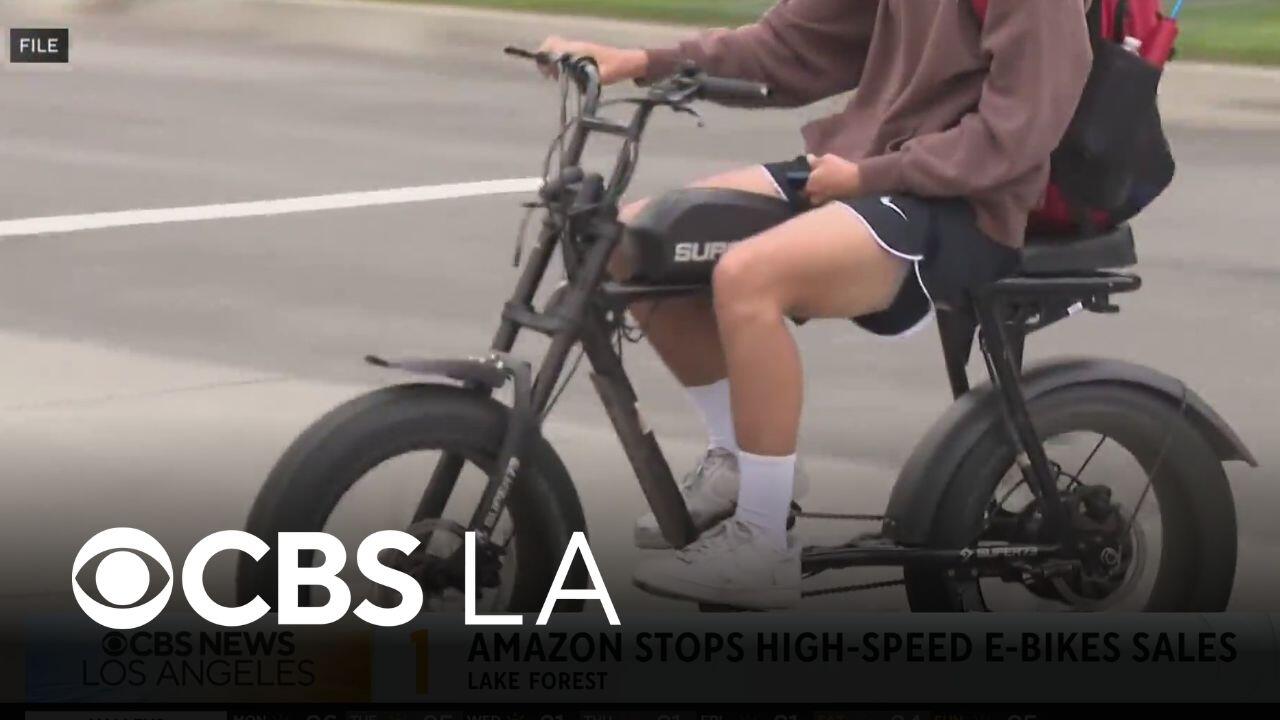


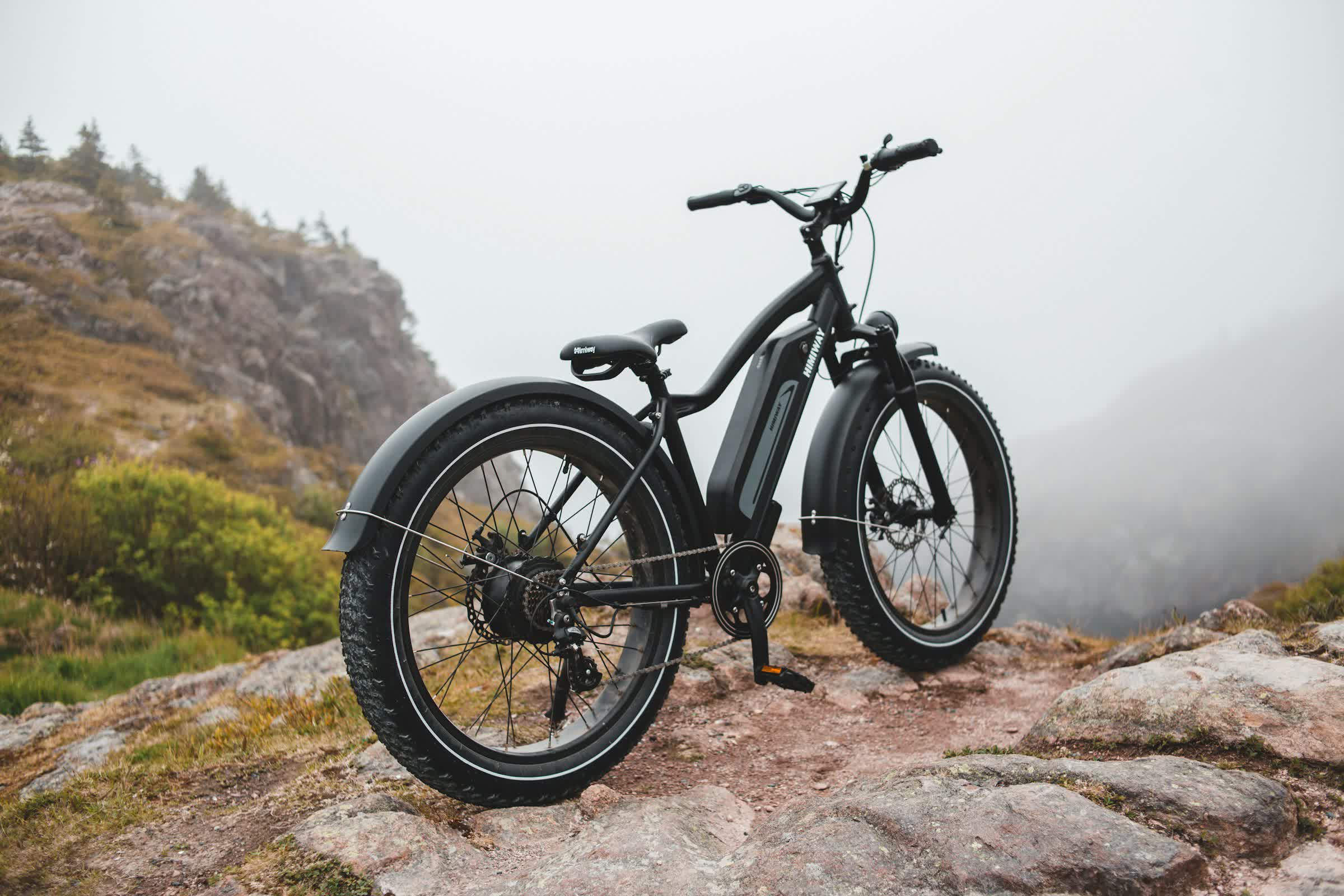


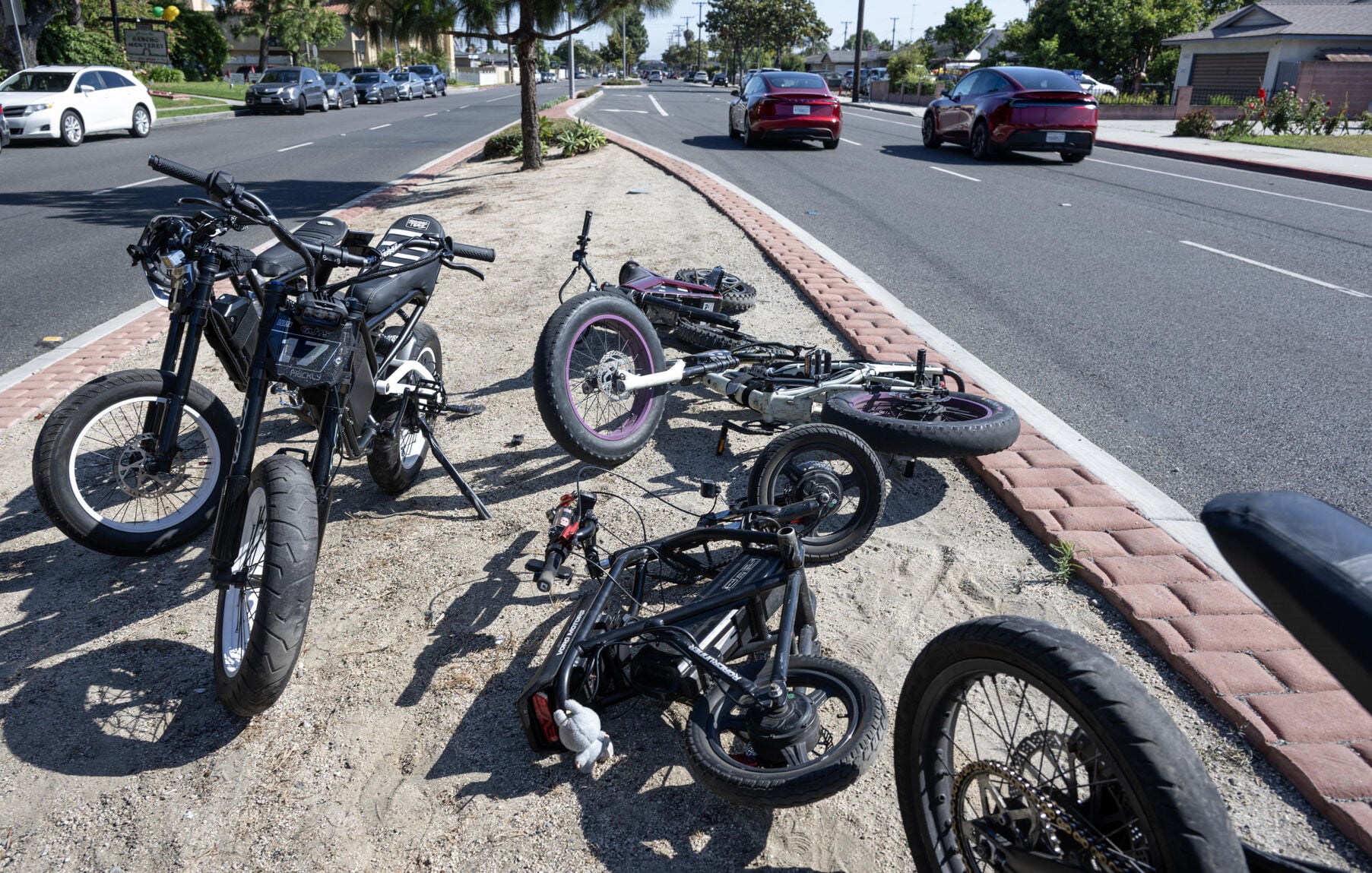
Overview
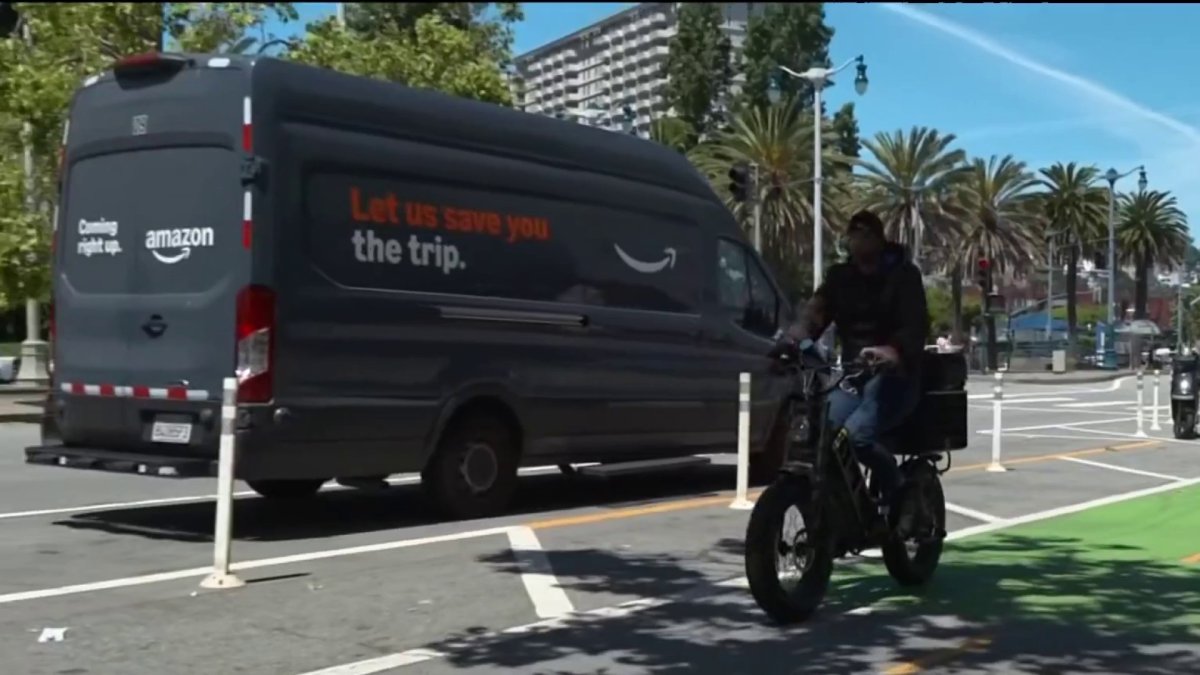
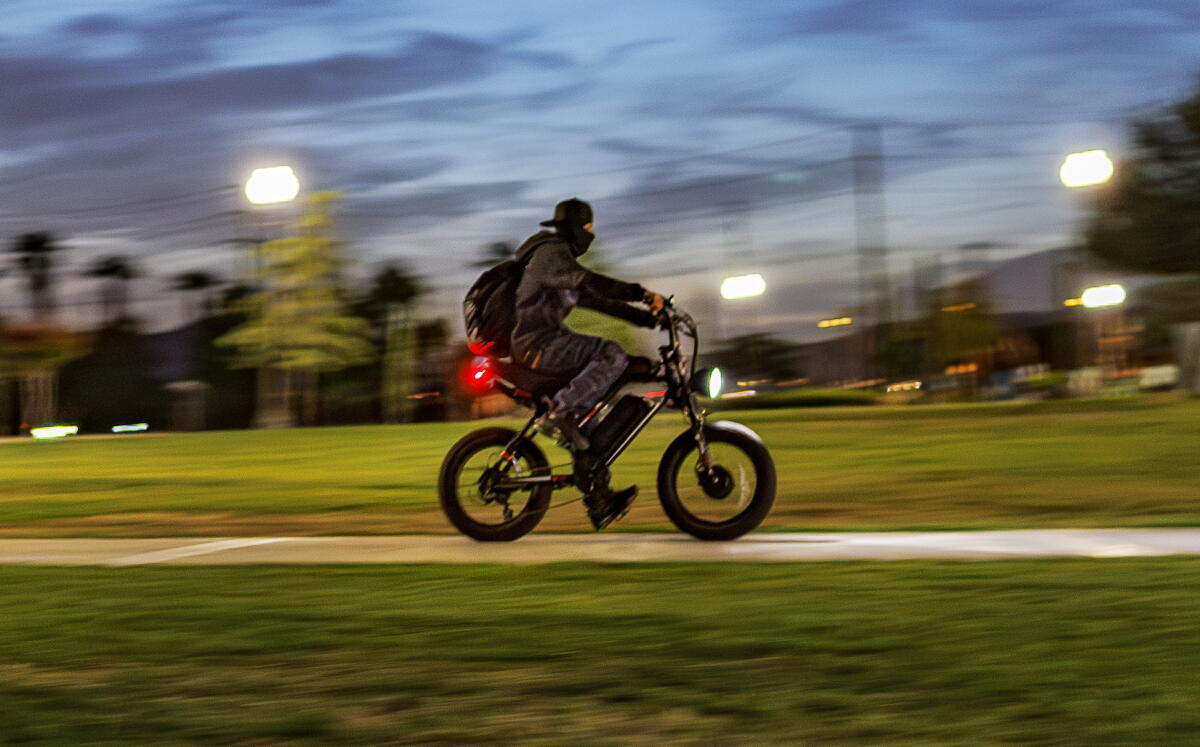
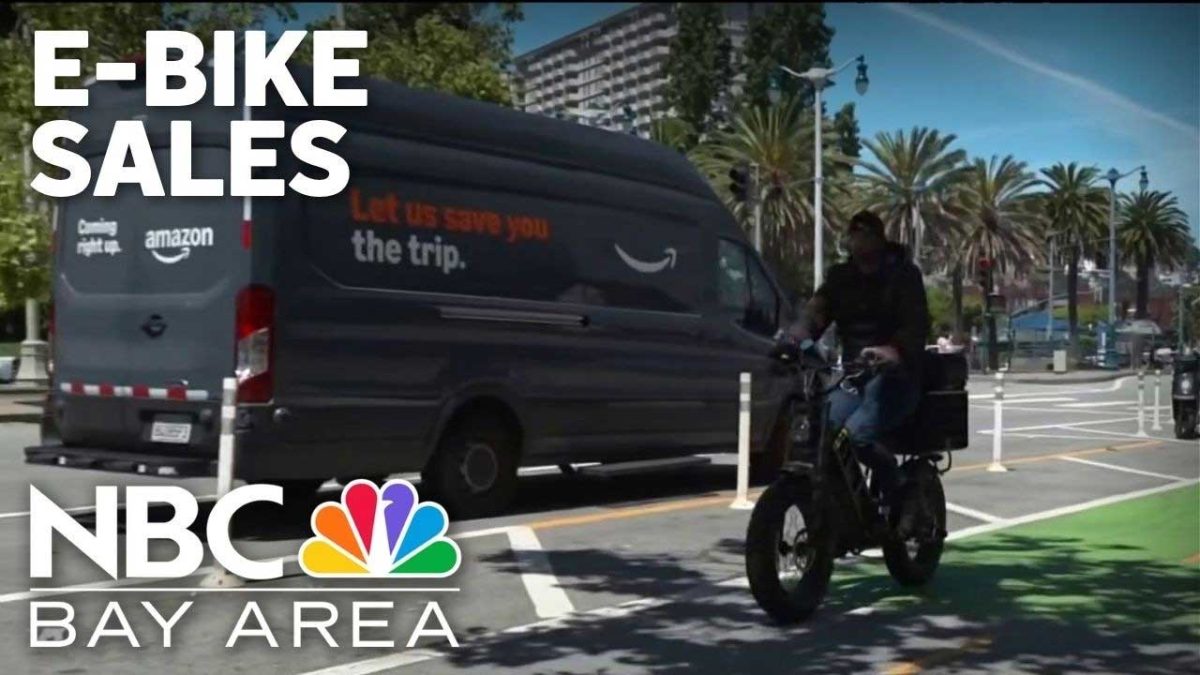
Amazon's enforcement of California e-bike speed regulations represents a critical compliance inflection point for cross-border sellers. Following fatal incidents and regulatory pressure from California Attorney General Rob Bonta, Amazon has committed to halting sales of non-compliant e-bikes exceeding 28 mph (pedal-assisted) or 20 mph (throttle-assisted) in California. The platform removed listings advertising vehicles exceeding 40 mph after KCRA 3 investigation exposed the gap. This policy shift creates a high-entry compliance barrier that will eliminate an estimated 30-40% of current e-bike sellers operating in California's $2.1B e-commerce market.
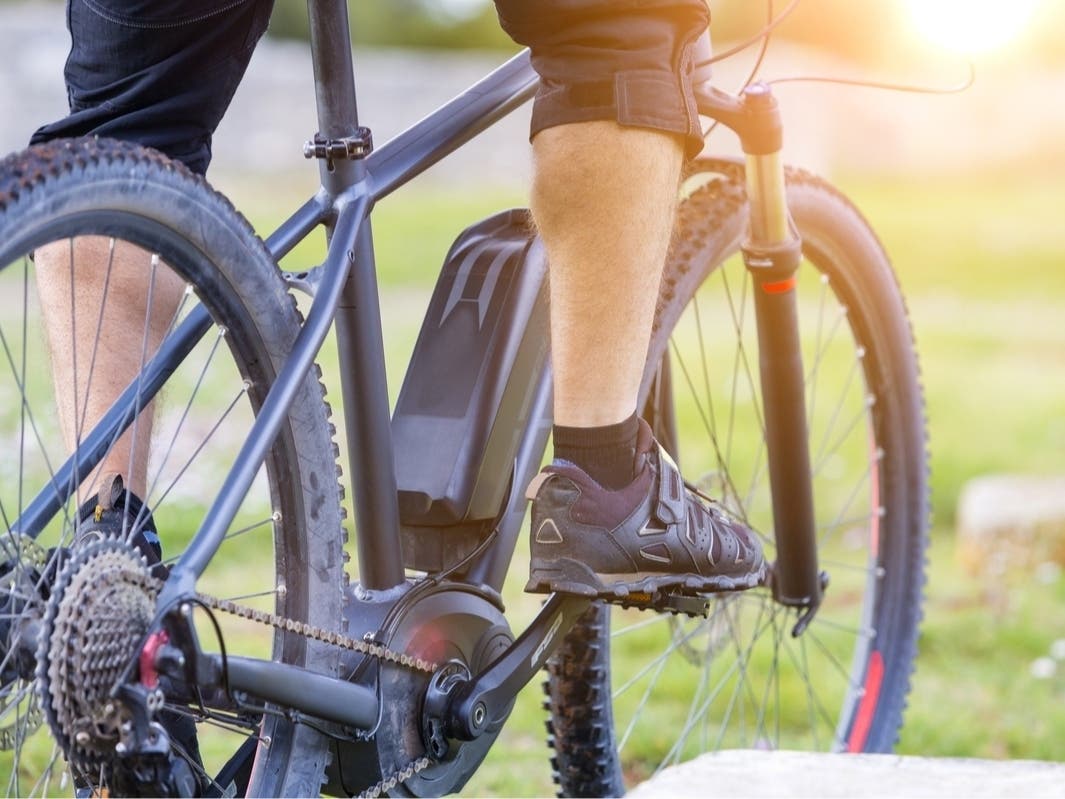
The regulatory framework creates distinct compliance tiers with measurable cost implications. California law classifies e-bikes exceeding speed thresholds as mopeds or motorcycles, requiring DMV registration, insurance, and motorcycle licensing. Amazon now mandates third-party sellers implement rigorous verification processes including motor type documentation, maximum speed capability certification, and state-specific regulatory compliance. The compliance cost for sellers includes: (1) product specification audits ($500-1,500 per SKU), (2) motor controller reprogramming to enforce speed limits ($200-400 per unit), (3) documentation and certification ($1,000-3,000 per product line), and (4) ongoing listing monitoring and removal of non-compliant inventory. For sellers with 50+ e-bike SKUs, total compliance investment ranges $25,000-75,000 with 4-8 week implementation timelines.
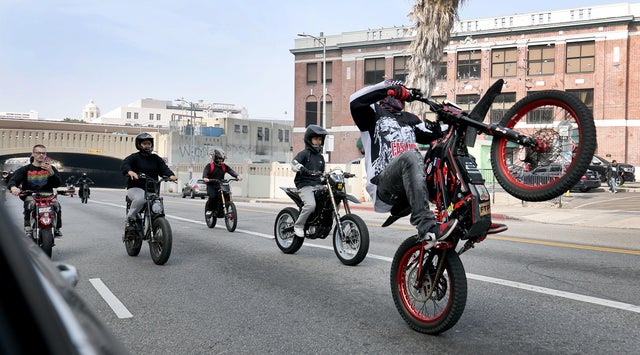
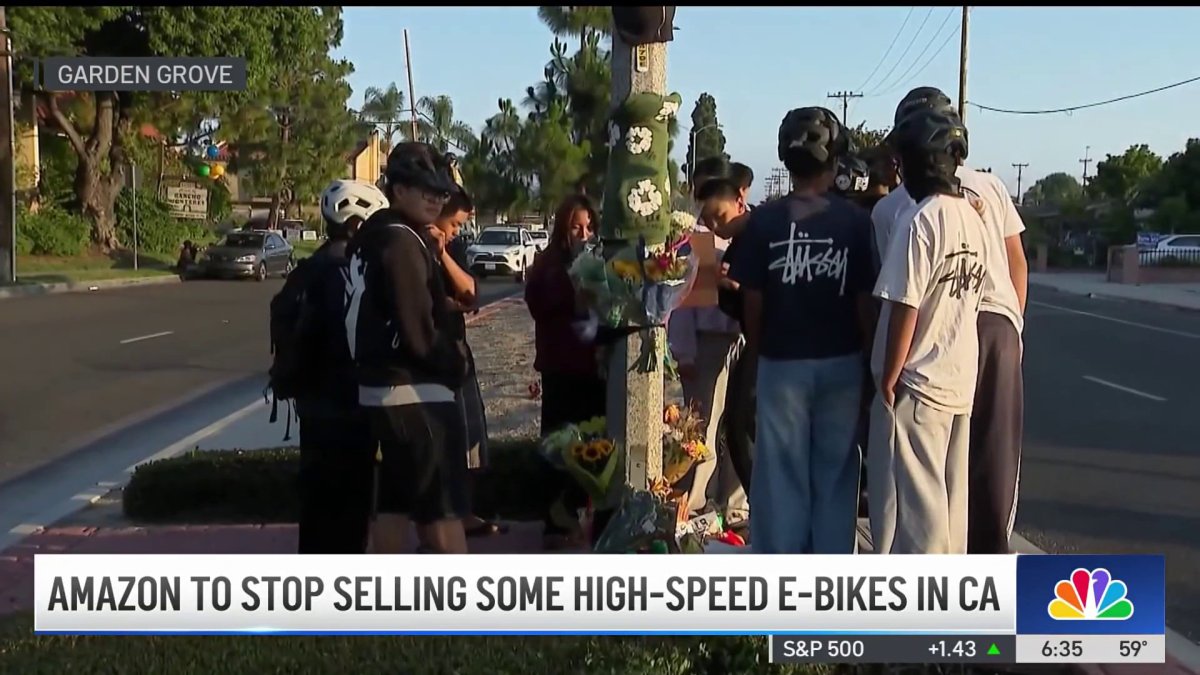
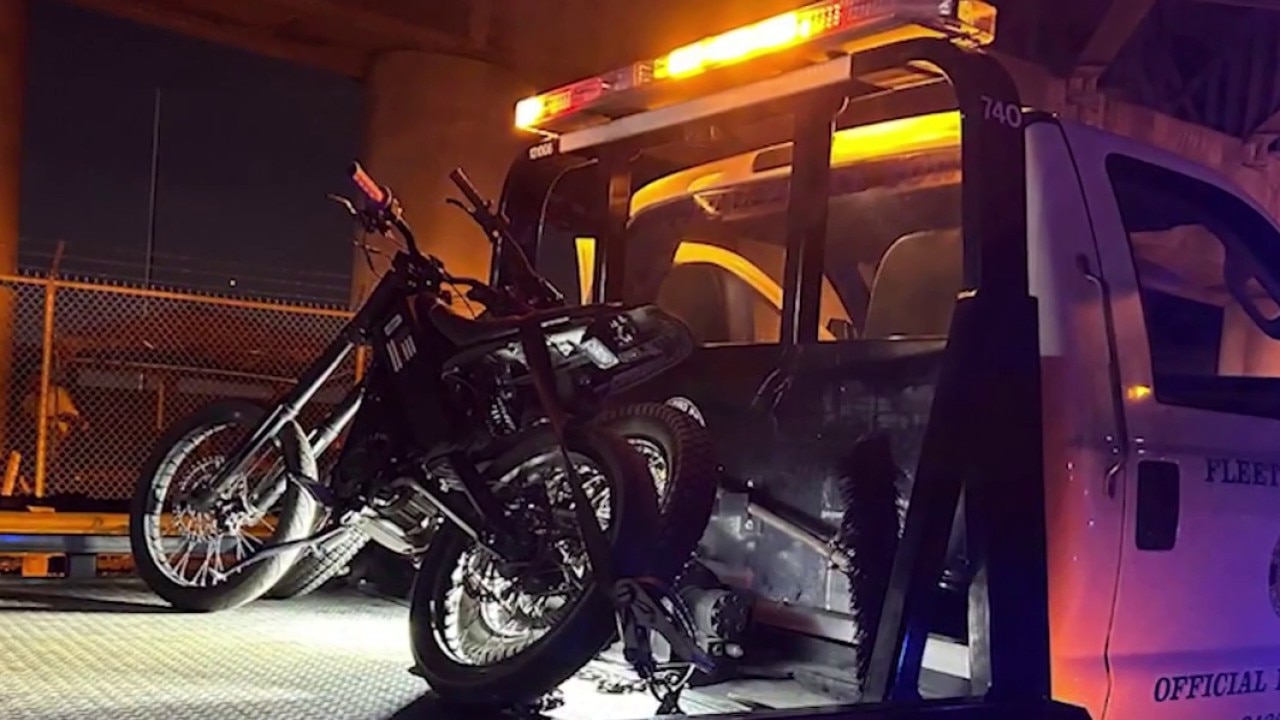
This enforcement establishes a precedent for state-level regulatory compliance on Amazon, signaling nationwide expansion. Orange County District Attorney Todd Spitzer reported 100+ e-bike/e-motorcycle deaths nationwide with 430% injury increases in Southern California over four years. The fatal incidents—including a 13-year-old's crash at 35 mph in Garden Grove and an 81-year-old pedestrian struck by a teenager on an illegal e-motorcycle—created political pressure for platform accountability. Amazon's compliance initiative addresses the critical gap where sellers exploited classification ambiguities to market non-compliant vehicles as standard e-bikes. The precedent established in California will likely influence Amazon's policies across other states with emerging e-bike regulations (New York, Colorado, Washington). Sellers must anticipate similar enforcement in 8-12 additional states within 18 months, creating a nationwide compliance moat that protects compliant sellers while eliminating non-compliant competitors.
Compliant e-bike sellers gain competitive advantages through reduced delisting risk and consumer trust signals. Sellers who achieve California compliance can leverage point-of-sale notifications distinguishing legal e-bikes from illegal mopeds, addressing consumer confusion that currently drives non-compliant purchases. The California Bicycle Coalition's co-sponsorship of SB 1167 (amending vehicle classification and advertising standards) signals regulatory momentum toward standardized compliance frameworks. Compliant sellers can capture market share from delisted competitors while commanding 8-12% price premiums for certified products. Alternative product categories—including low-speed e-bikes (under 20 mph), pedal-assist only models, and electric scooters with distinct regulatory pathways—offer bypass opportunities for sellers seeking to avoid high-speed e-bike compliance costs. The fastest compliance path involves sourcing pre-certified motors from manufacturers already meeting California standards (2-4 week lead time vs. 8-12 weeks for custom reprogramming), reducing time-to-market for compliant sellers.
Questions 8
What are Amazon's new e-bike speed compliance requirements in California?
Amazon now requires all e-bikes sold in California to comply with state law: pedal-assisted models cannot exceed 28 mph, and throttle-assisted models cannot exceed 20 mph. Devices exceeding these thresholds are classified as mopeds or motorcycles requiring DMV registration and motorcycle licensing. Amazon removed listings advertising speeds exceeding 40 mph following KCRA 3 investigation and committed to mandatory compliance verification for all third-party sellers. Sellers must document motor type, maximum speed capabilities, and state-specific regulatory compliance or face delisting. Non-compliance results in immediate listing removal and potential account suspension.
How much does it cost to achieve California e-bike compliance?
Total compliance costs range $25,000-75,000 for sellers with 50+ e-bike SKUs, including: product specification audits ($500-1,500 per SKU), motor controller reprogramming to enforce speed limits ($200-400 per unit), documentation and certification ($1,000-3,000 per product line), and ongoing monitoring. Implementation timelines span 4-8 weeks. The fastest compliance path involves sourcing pre-certified motors from manufacturers already meeting California standards (2-4 week lead time), reducing costs by 30-40% compared to custom reprogramming. Sellers must complete audits immediately to avoid delisting in California's $2.1B e-commerce market.