


End-to-End Encrypted RCS Messaging | Critical Customer Communication Update for E-Commerce Sellers
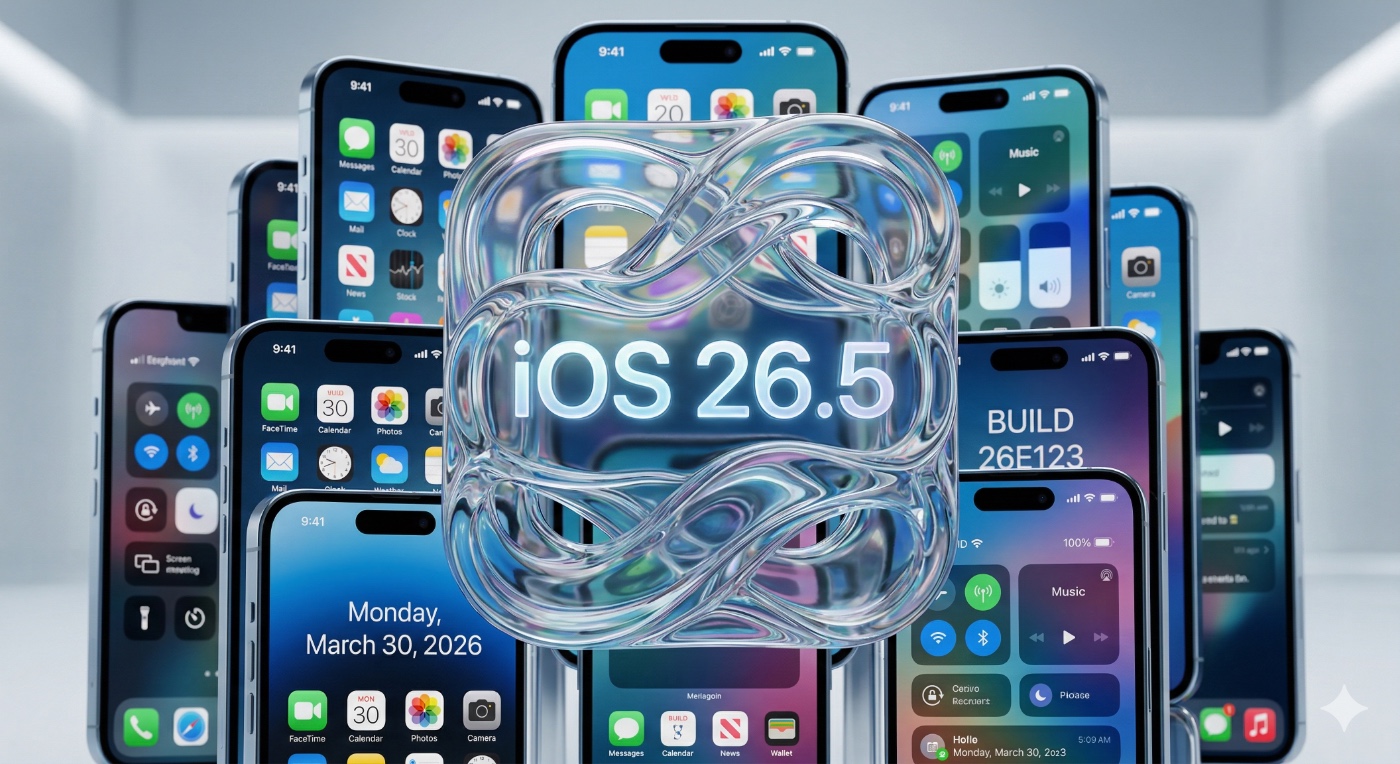
- Apple iOS 26.5 & 18.5 launch encrypted RCS on May 11, 2026; affects 19+ carriers; requires seller infrastructure updates for SMS/RCS-dependent customer engagement















Overview
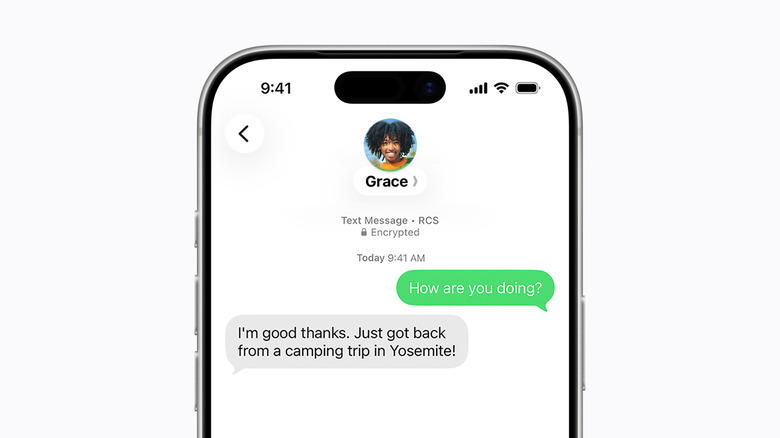
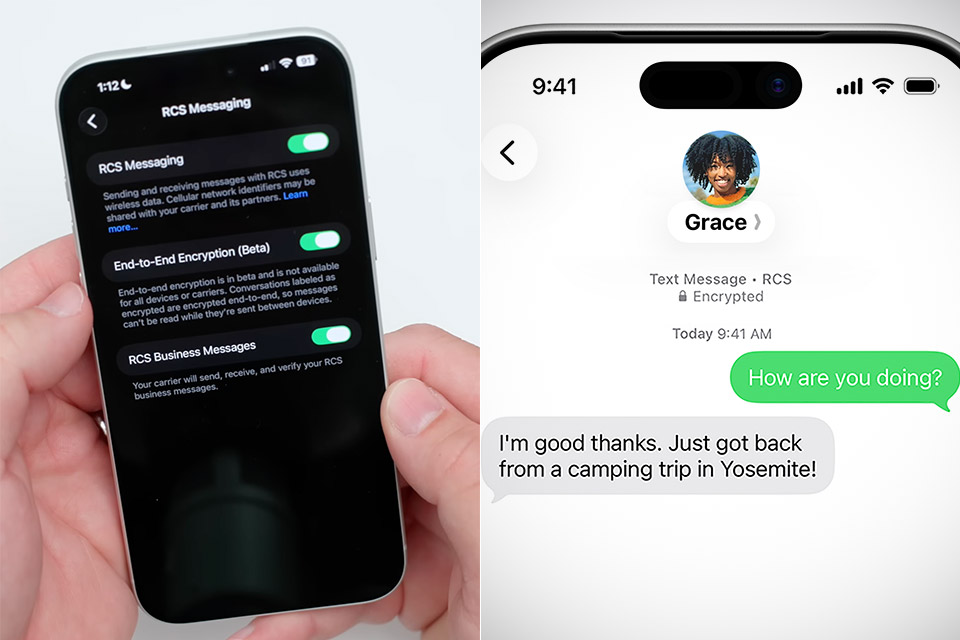
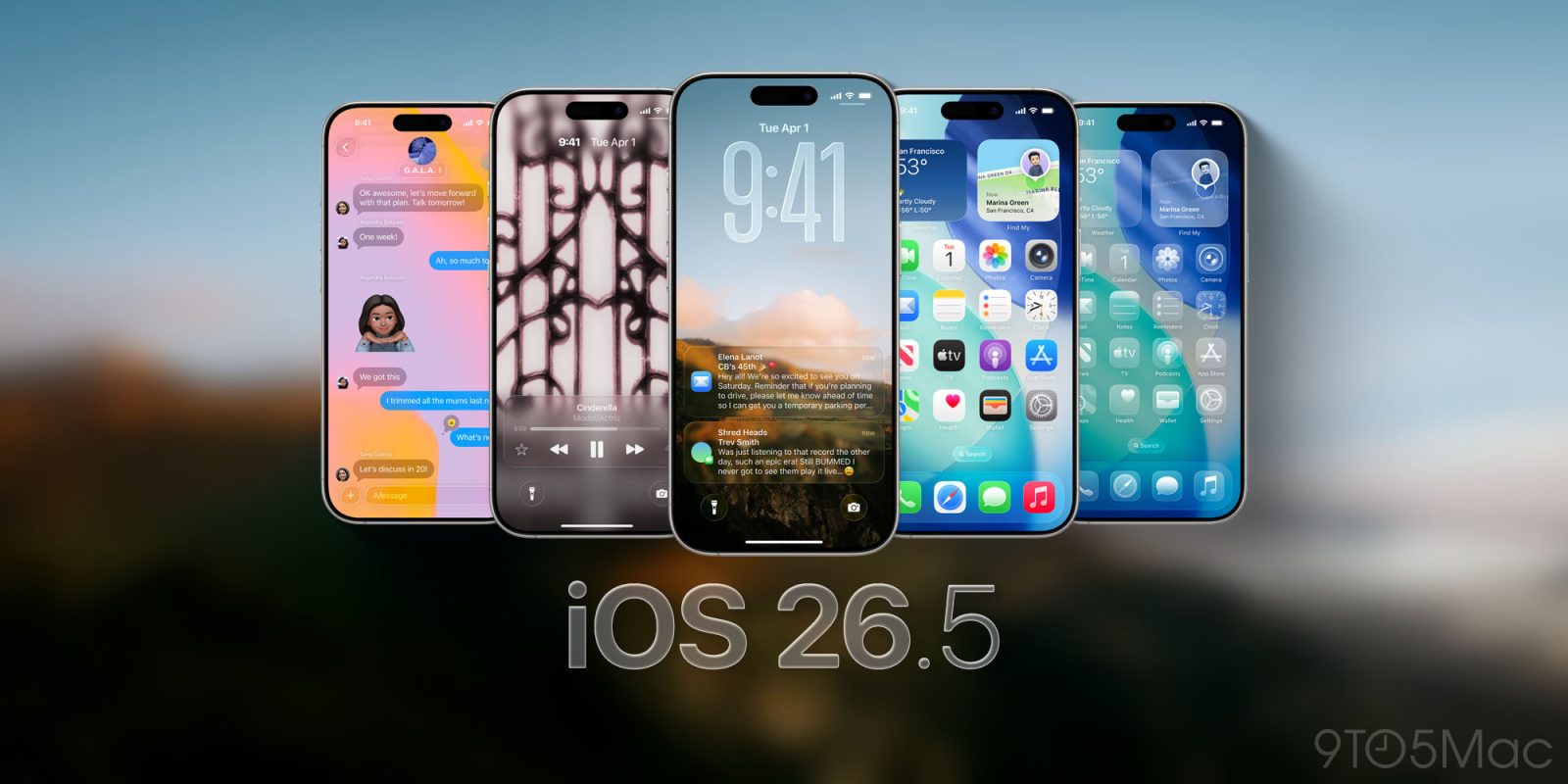
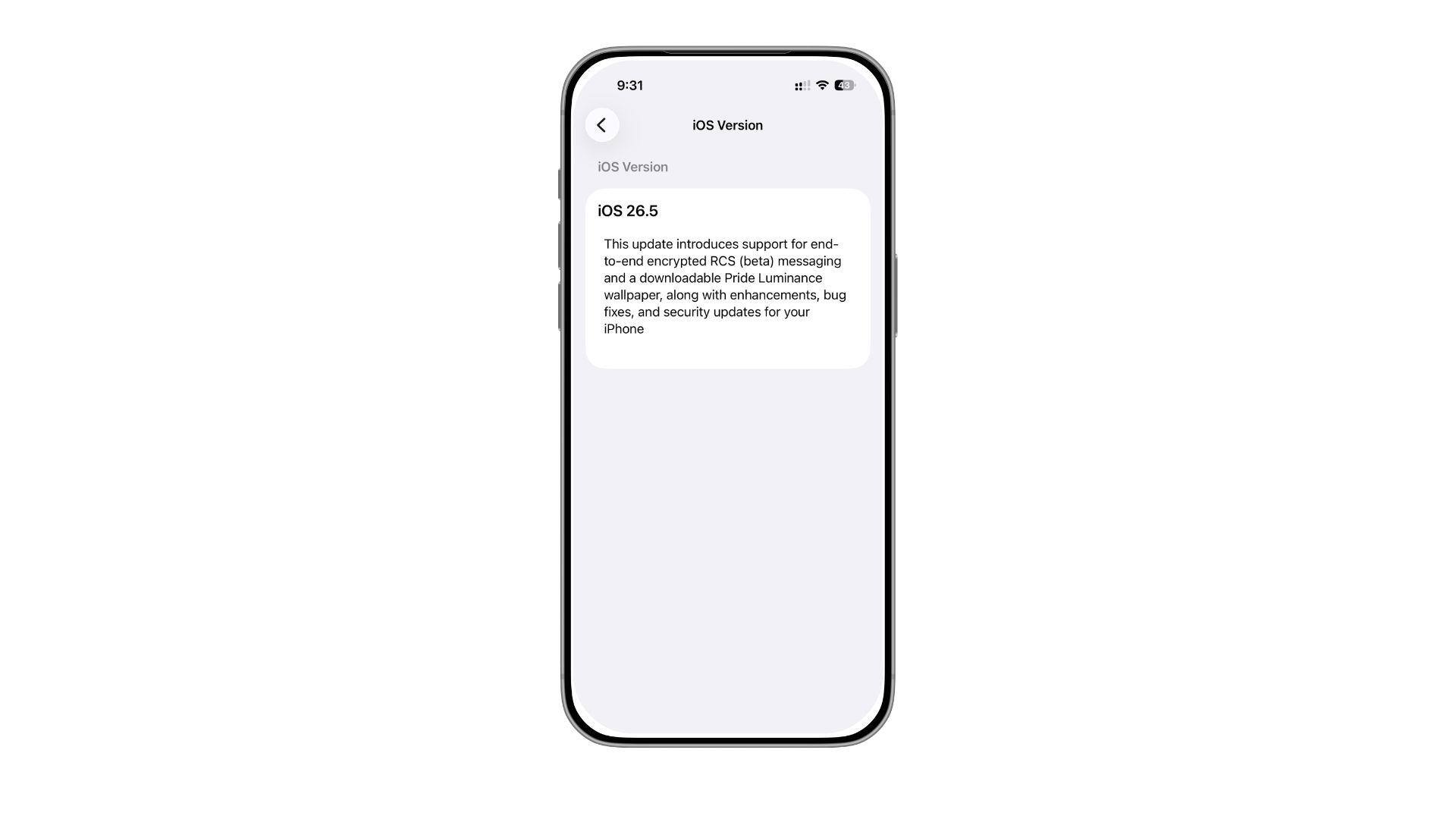
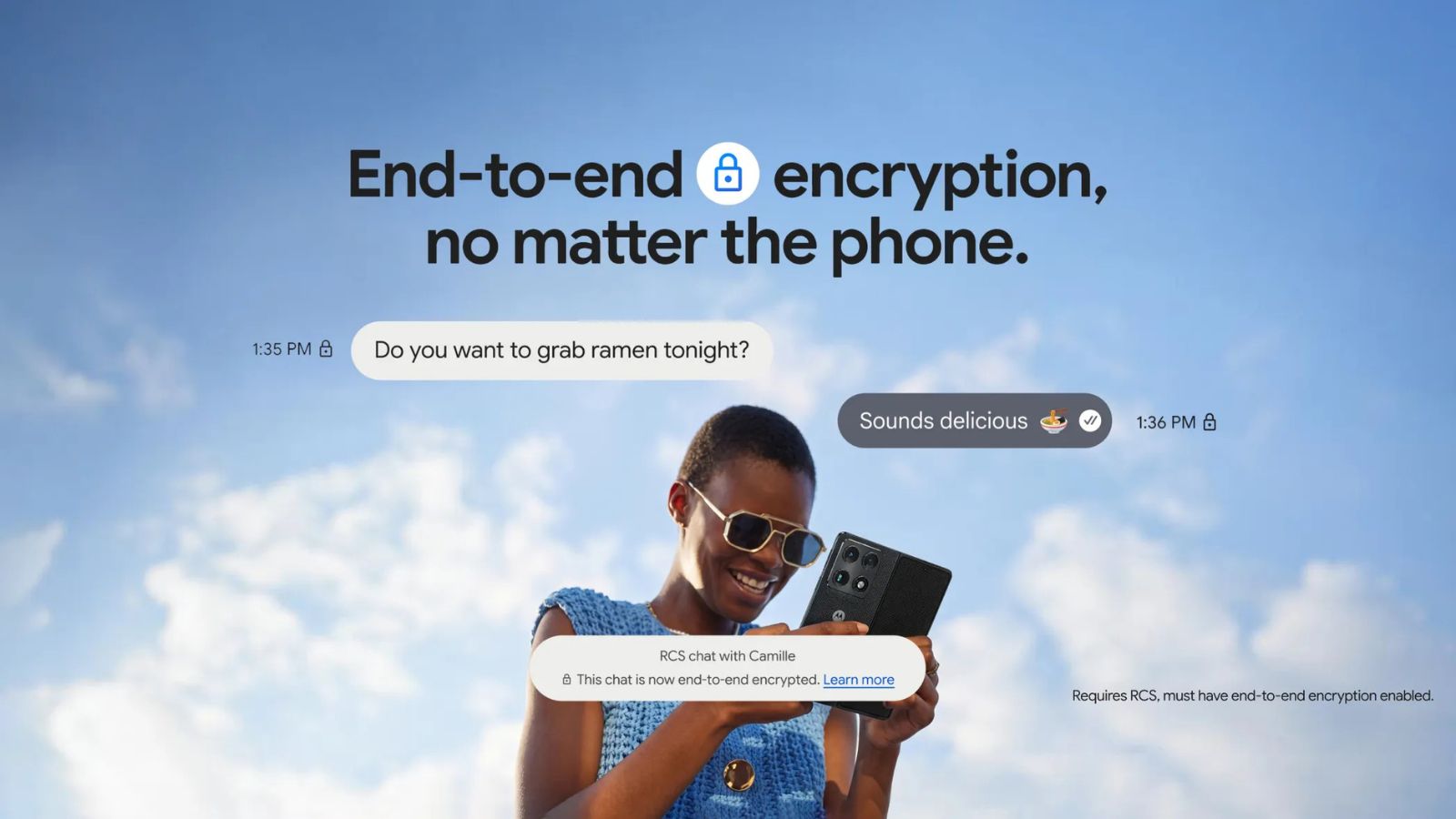
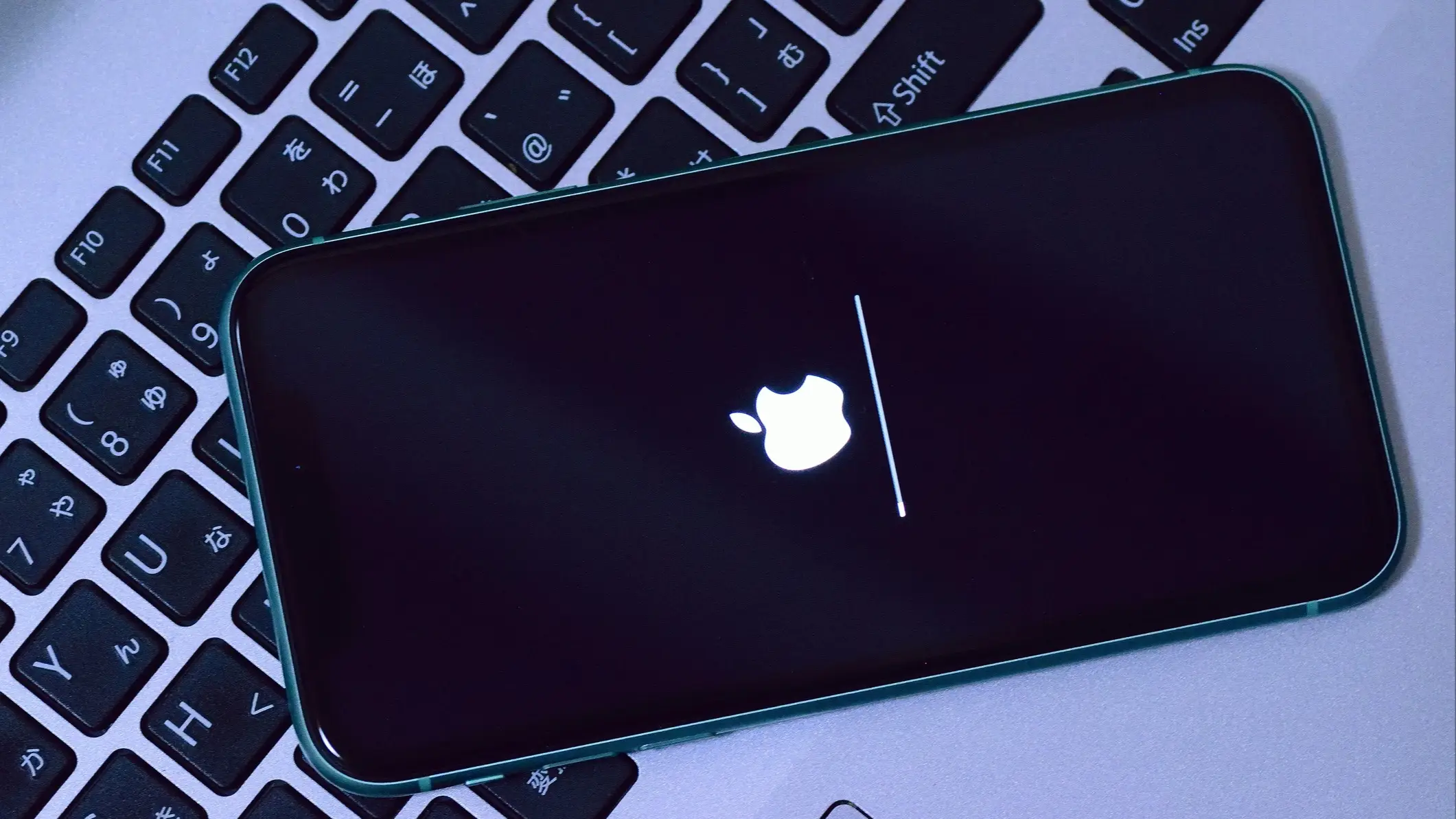
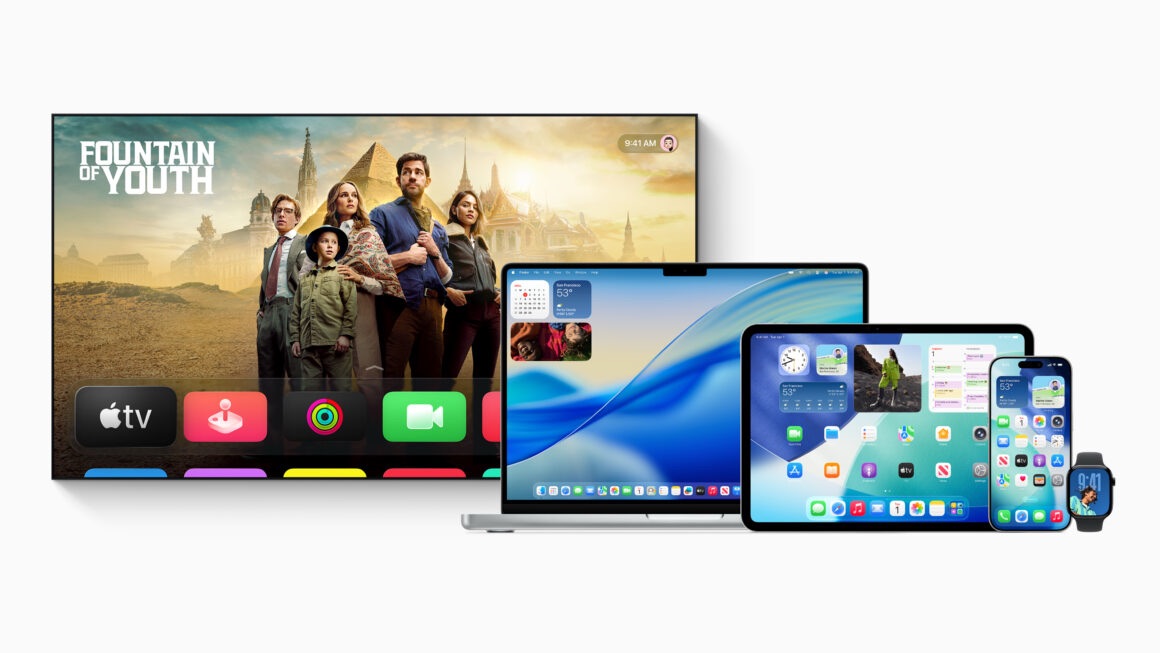
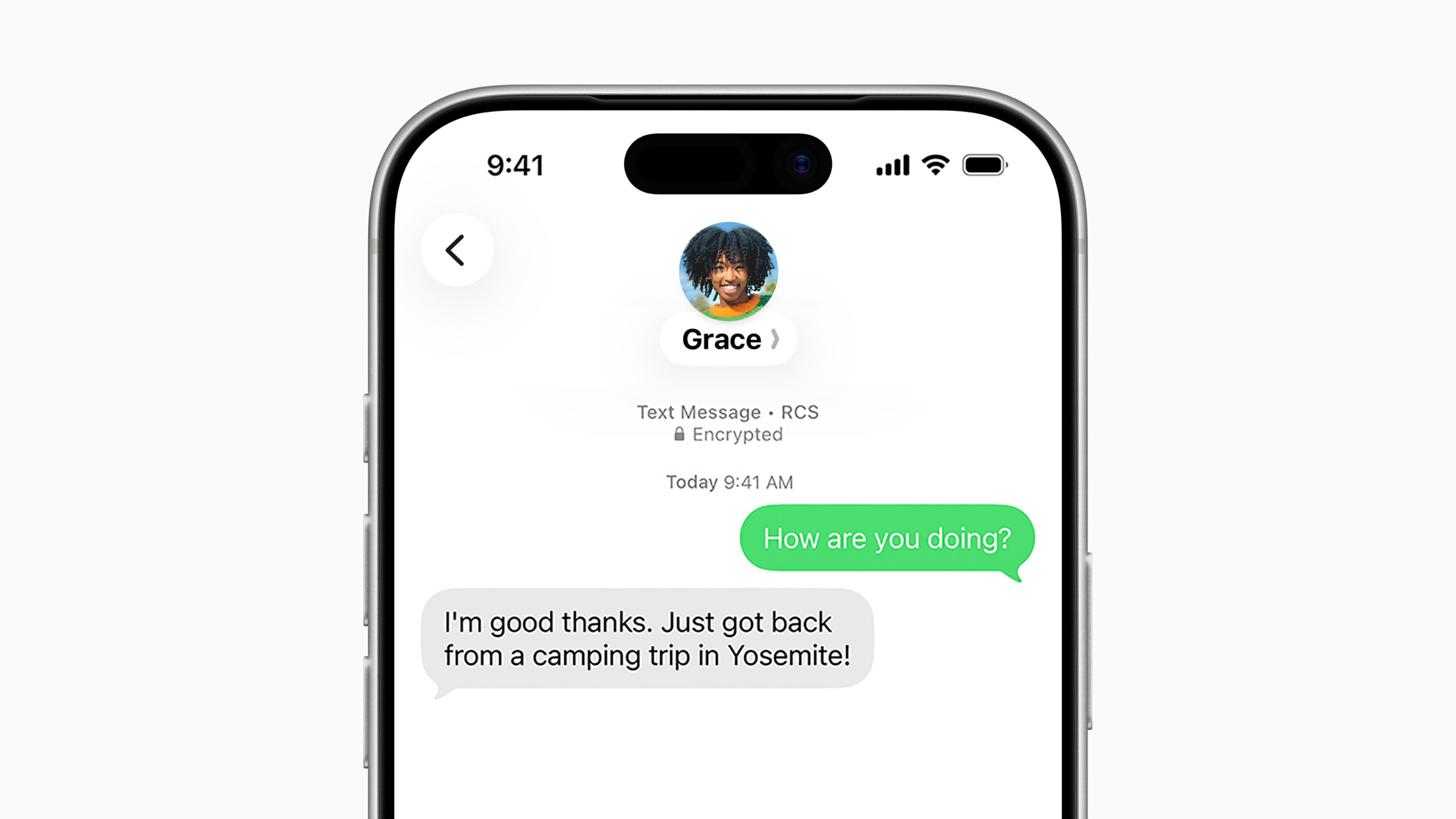
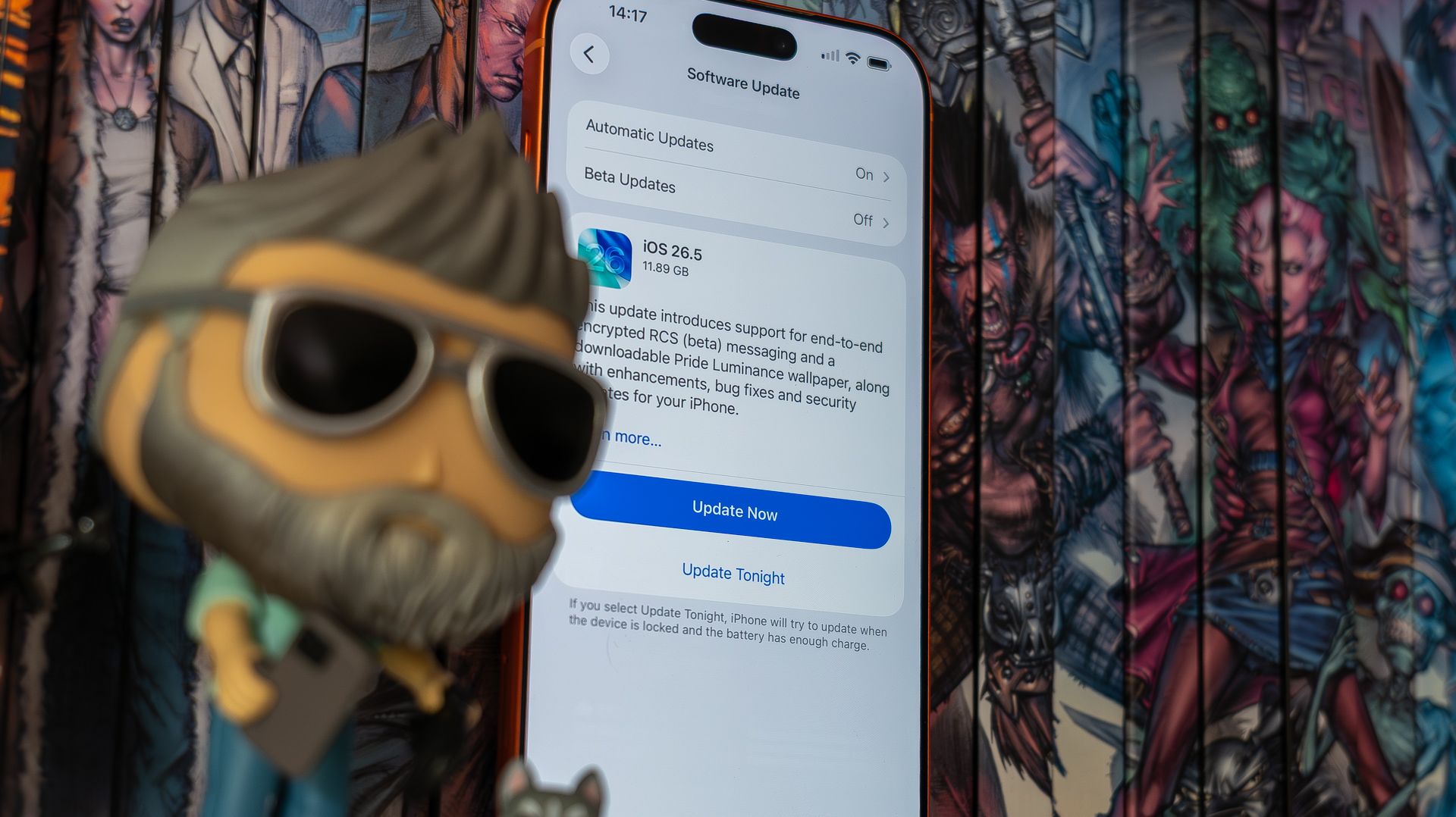
Apple and Google have jointly launched end-to-end encryption (E2EE) for Rich Communication Services (RCS) messaging, beginning beta rollout on May 11, 2026, marking a watershed moment in cross-platform mobile communication security. iPhone users running iOS 26.5 (or iOS 18.5 for earlier models) and Android users with the latest Google Messages can now access encrypted RCS conversations through 19+ supported carriers including AT&T, T-Mobile, Verizon, Boost Mobile, Cricket, Mint Mobile, and Metro by T-Mobile. This development addresses a 13-year security gap: iMessage has offered end-to-end encryption since 2011, Android users achieved it in 2021, but cross-platform iPhone-Android messages remained unencrypted until now. The encryption activates automatically by default with no user configuration required, indicated by a lock icon in conversations.
For cross-border e-commerce sellers, this development carries significant operational implications across three dimensions. First, customer communication infrastructure: Sellers relying on carrier-based SMS or RCS for order confirmations, shipping updates, delivery notifications, and customer support must monitor carrier support for encrypted RCS to ensure seamless integration. The phased rollout across supported carriers creates a 6-12 month implementation window requiring seller awareness and potential system updates. Sellers in markets with high iPhone penetration (US, UK, Canada, Australia) should prioritize testing encrypted RCS compatibility with their existing communication platforms. Second, data protection compliance: The standardization of encryption across platforms directly impacts GDPR and CCPA compliance strategies. Messages transmitted through encrypted RCS cannot be intercepted by hackers, governments, or platform operators—a critical advantage for sellers handling customer personal data during transactions. This reduces liability exposure for data breaches during message transmission, though sellers must still maintain secure storage of message content on their servers. Third, competitive communication advantage: As encryption becomes standard rather than optional, sellers who proactively adopt encrypted RCS gain customer trust signals. The lock icon visible in conversations signals security to consumers, potentially improving customer confidence in mobile-based customer service interactions. This is particularly valuable for sellers in high-trust categories (health, finance, luxury goods) where communication security influences purchase decisions.
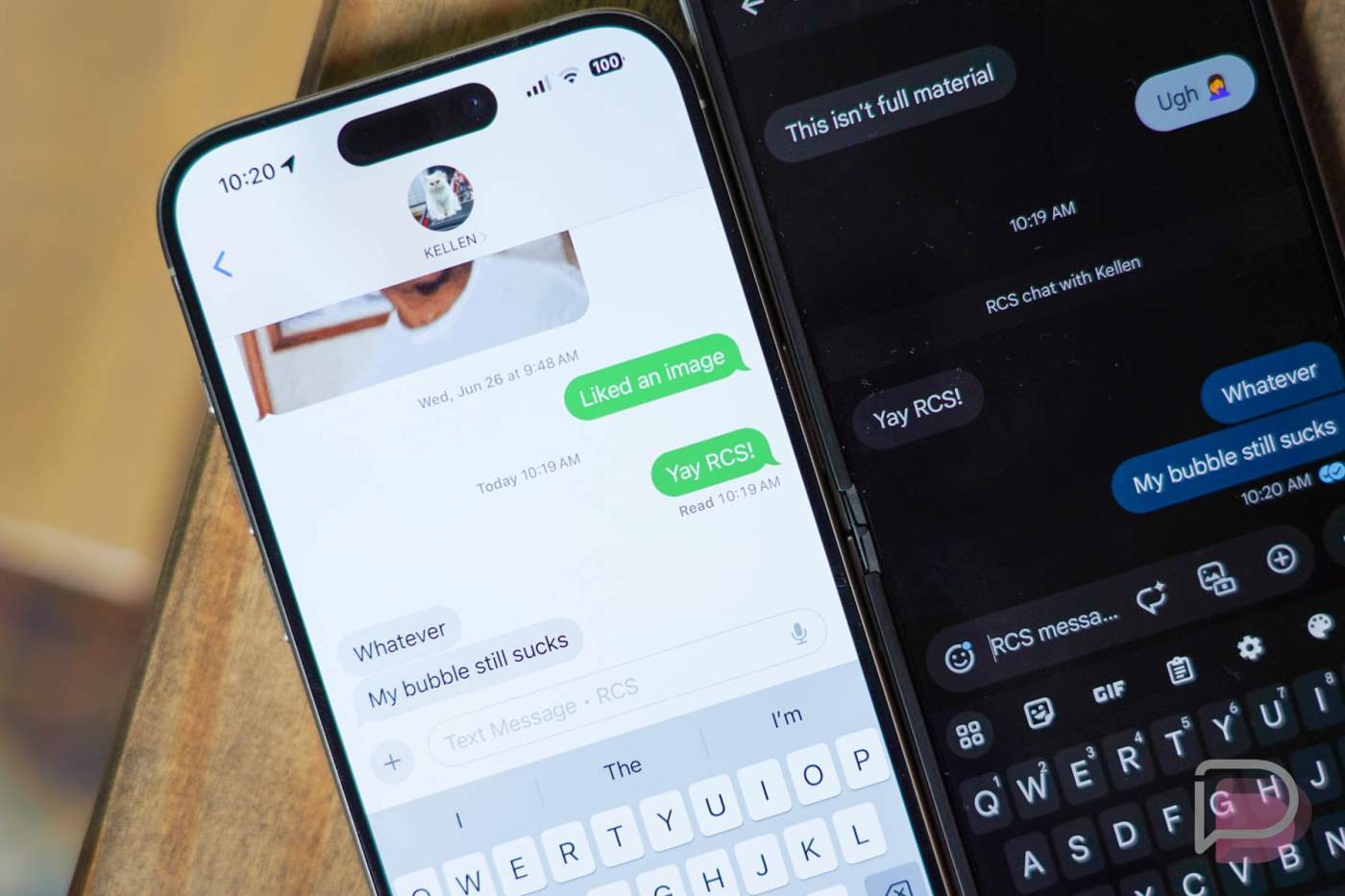
The broader context reveals Apple's regulatory alignment strategy. Apple resisted RCS adoption until 2023 despite Google's repeated requests, creating the infamous "green bubble stigma" that caused broken group chats and degraded multimedia sharing. Regulatory pressure—particularly from the EU and US lawmakers—forced Apple's hand. This encryption rollout represents Apple's continued compliance with industry standards and regulatory expectations. The phased implementation timeline suggests carriers and device manufacturers will adapt infrastructure gradually through 2026-2027. Sellers should expect variable availability across regions: US carriers show strong support, but international carriers (EU, Asia Pacific) may lag 3-6 months behind. The news items reveal version inconsistencies (iOS 26.5 vs iOS 18.5 mentioned in different articles), suggesting Apple is backporting encryption to older iOS versions to maximize adoption—a positive signal for sellers with diverse customer bases using older devices. However, the persistent "green bubble" visual distinction for Android-to-iPhone messages remains, underscoring ongoing technical limitations despite encryption parity.
Questions 8
What immediate actions should I take to prepare for encrypted RCS rollout?
Within 30 days, audit your current customer communication infrastructure to identify which messages rely on SMS or RCS (order confirmations, shipping updates, customer support). Contact your communication platform provider (Twilio, Nexmo, AWS SNS, etc.) to confirm encrypted RCS compatibility and request a timeline for updates. Test encrypted RCS delivery with a small customer segment (5-10% of your base) to identify any integration issues before full rollout. Document your carrier support status—check AT&T, T-Mobile, Verizon, and other carriers you use for their encrypted RCS implementation timelines. Within 60 days, update your customer communication protocols to reflect encrypted messaging capabilities and adjust your data retention policies accordingly. Consider this a 6-12 month transition period where some customers will receive encrypted messages while others receive standard SMS, so maintain backward compatibility in your systems.
Will the green bubble problem between iPhone and Android users finally be solved?
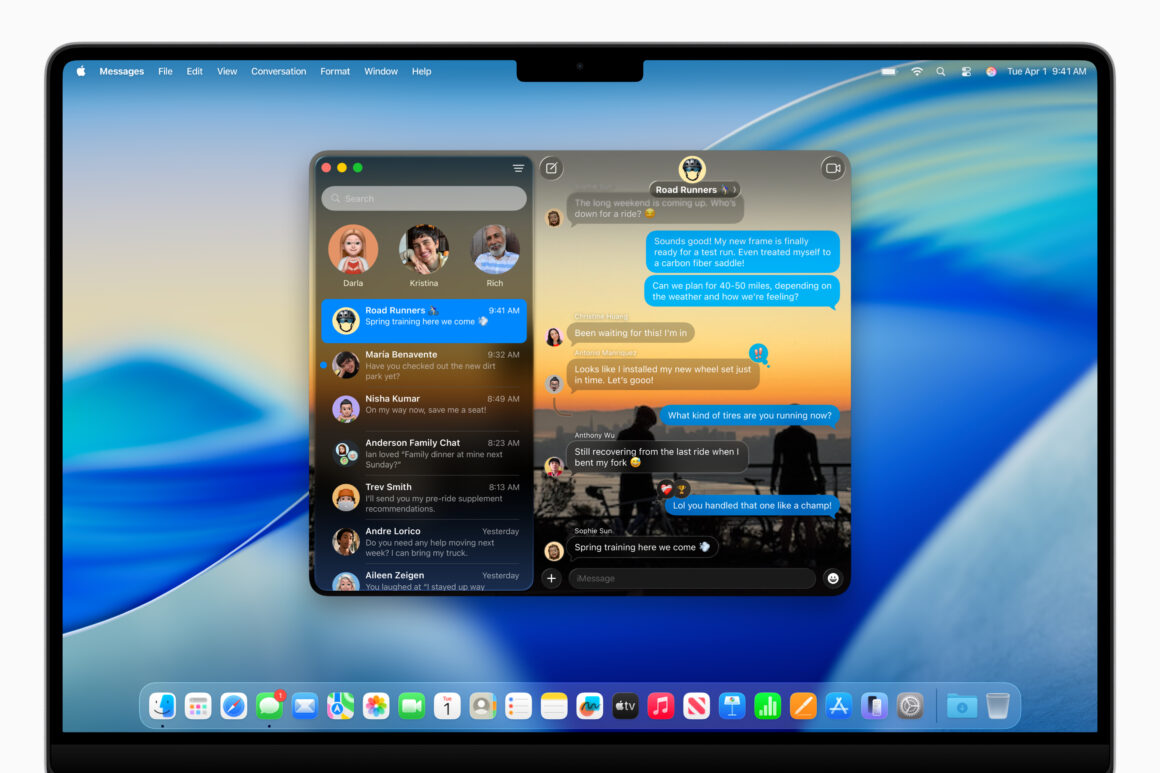
Encrypted RCS solves the security gap but not the visual distinction. iPhone users will continue seeing green text bubbles when communicating with Android users, even though messages are now encrypted. This persistent aesthetic difference reflects ongoing technical challenges in achieving seamless iPhone-Android integration. However, the lock icon that appears in encrypted RCS conversations signals to both iPhone and Android users that their messages are protected. For e-commerce sellers, this means customer-to-customer communication (reviews, messages) may still show visual fragmentation, but your business-to-customer messages via RCS will now be encrypted regardless of the customer's device. The green bubble stigma primarily affects consumer-to-consumer messaging; it has minimal impact on seller-to-customer business communications.