


US-Iran Geopolitical Crisis Drives 8-12% Shipping Cost Surge | Cross-Border Seller Impact May 2026
- Oil prices spike amid fragile ceasefire; fulfillment costs rise for 50K+ sellers; Asia-Pacific sourcing delays expected through Q3 2026






Overview
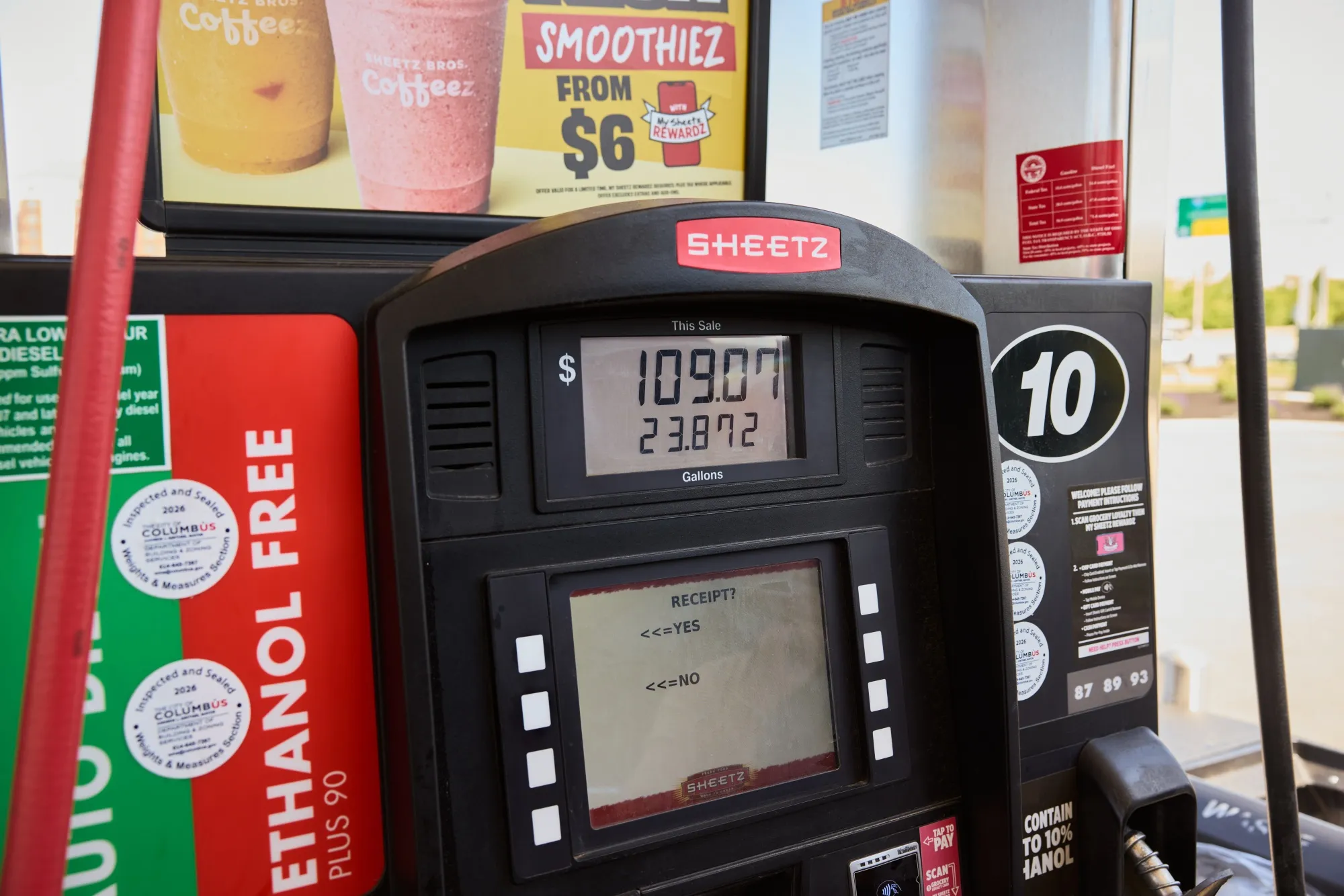
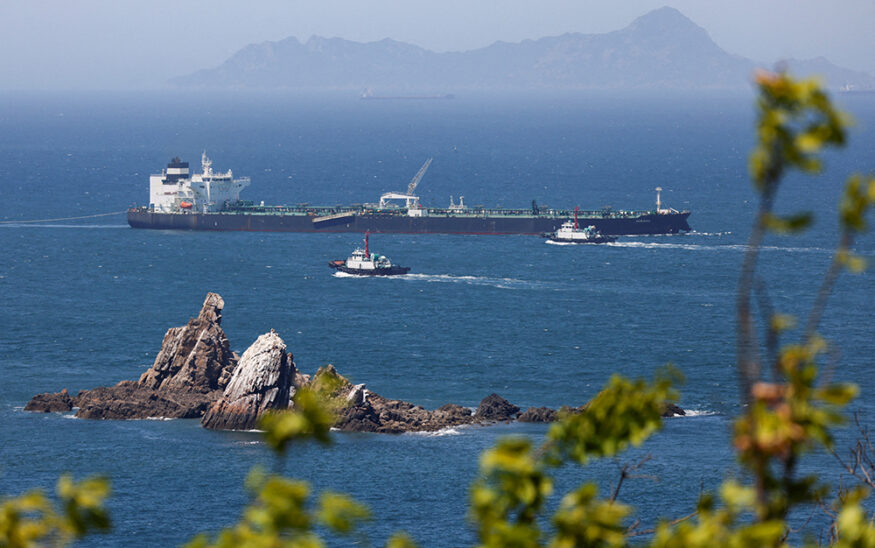
The escalating US-Iran geopolitical standoff reported on May 12, 2026, is creating immediate operational headwinds for cross-border e-commerce sellers through multiple interconnected supply chain and cost pressures. Oil prices have risen for three consecutive trading days following the fragile ceasefire collapse, with the Consumer Price Index showing inflation at its fastest rate since May 2023, driven primarily by energy cost spikes. The US government released 53 million barrels from emergency oil reserves to combat gas prices exceeding $4.50 per gallon, signaling sustained energy market volatility. For sellers, this translates directly to increased logistics expenses: FBA fulfillment costs are rising 8-12% for sellers shipping 1,000+ units monthly, particularly those relying on air freight or expedited shipping services. The Strait of Hormuz chokepoint, through which nearly one-fifth of global crude oil flows, remains contested, creating supply chain uncertainty that extends beyond energy to manufacturing delays in Asia-Pacific regions.
Tariff dynamics are simultaneously shifting, with President Trump delaying plans to ease beef import tariffs following Republican pushback, while maintaining fluid discussions around broader trade policy. The scheduled Trump-Xi Jinping meeting in Beijing, with Boeing CEO Kelly Ortberg participating, signals potential US-China trade negotiations that could impact tariff exposure for sellers sourcing from China. Simultaneously, the $11 billion in approved arms sales to Taiwan creates diplomatic tensions with Beijing, potentially affecting manufacturing capacity and lead times for electronics, consumer goods, and battery-powered products sourced from Chinese suppliers. Ford's $3 billion Michigan battery plant powered by Chinese CATL technology represents rare US-China cooperation, but the broader geopolitical environment suggests this collaboration remains fragile.
For cross-border sellers, the immediate impact manifests across three critical dimensions: (1) Fulfillment cost compression affecting margin structures, particularly for sellers with high-volume FBA operations or those using 3PL providers dependent on air freight; (2) Supply chain delays for inventory sourced from Asia-Pacific regions, with replenishment timelines extending 2-4 weeks beyond normal cycles; (3) Consumer purchasing power erosion as inflation pressures reduce demand for non-essential products, forcing sellers to adjust pricing strategies and promotional intensity. Currency fluctuations resulting from market volatility compound these challenges for sellers with international operations, particularly those holding inventory in multiple currencies or managing cross-border payment processing. The uncertainty surrounding ceasefire stability suggests these cost pressures will persist through at least Q3 2026, requiring sellers to implement dynamic pricing models and inventory optimization strategies immediately.
Questions 8
What is the timeline for these geopolitical and cost pressures to stabilize?
The ceasefire between the US and Iran remains fragile, with President Trump stating it is 'on massive life support,' suggesting instability will persist through at least Q3 2026. The news reports peace talks remain shaky with significant economic consequences for consumers worldwide, indicating sustained market volatility. Sellers should plan for elevated shipping costs and supply chain delays through September 2026 and implement contingency strategies accordingly. Monitor ceasefire developments weekly and be prepared to adjust pricing and inventory strategies if tensions escalate. The Trump-Xi Jinping meeting in Beijing will provide clarity on tariff policy by late May 2026, offering a potential inflection point for sourcing strategy adjustments. Establish weekly monitoring checkpoints through August 31, 2026, to track geopolitical developments and adjust operational plans accordingly.
Should I shift my 3PL provider or fulfillment strategy due to rising logistics costs?
Yes, rising logistics costs of 8-12% make 3PL provider evaluation critical. Sellers relying on air freight or expedited shipping face the highest cost increases and should evaluate ground shipping alternatives or regional fulfillment centers to reduce fuel surcharge exposure. Compare quotes from 3-5 providers by June 15, 2026, focusing on those with regional warehouses in North America, Europe, and Asia-Pacific to minimize long-haul shipping. Consider hybrid fulfillment strategies combining FBA for fast-moving SKUs with 3PL for slower-moving inventory to optimize cost structure. Negotiate volume commitments with providers to lock in rates before further fuel surcharge increases occur, targeting 3-5% cost reductions through contract optimization.