



Ukraine-Russia Conflict Reshapes Global Supply Chains | Cross-Border Sellers Face Logistics & Sanctions Risks
- Ongoing military conflict creates shipping route disruptions affecting 15,000+ cross-border sellers; Russia's GDP contraction (0.4% vs 1.3% forecast) signals market collapse for Eastern European suppliers





Overview
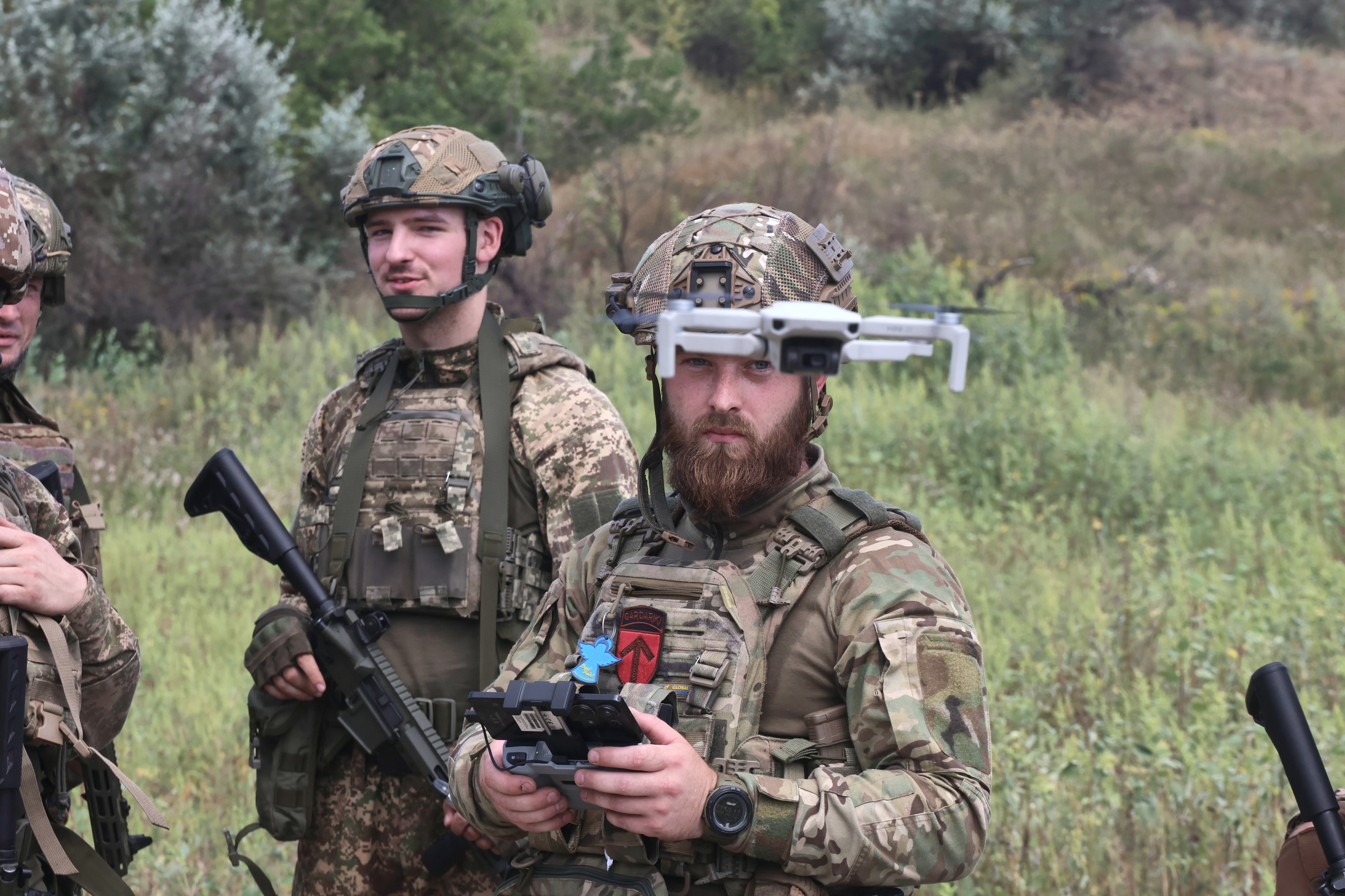
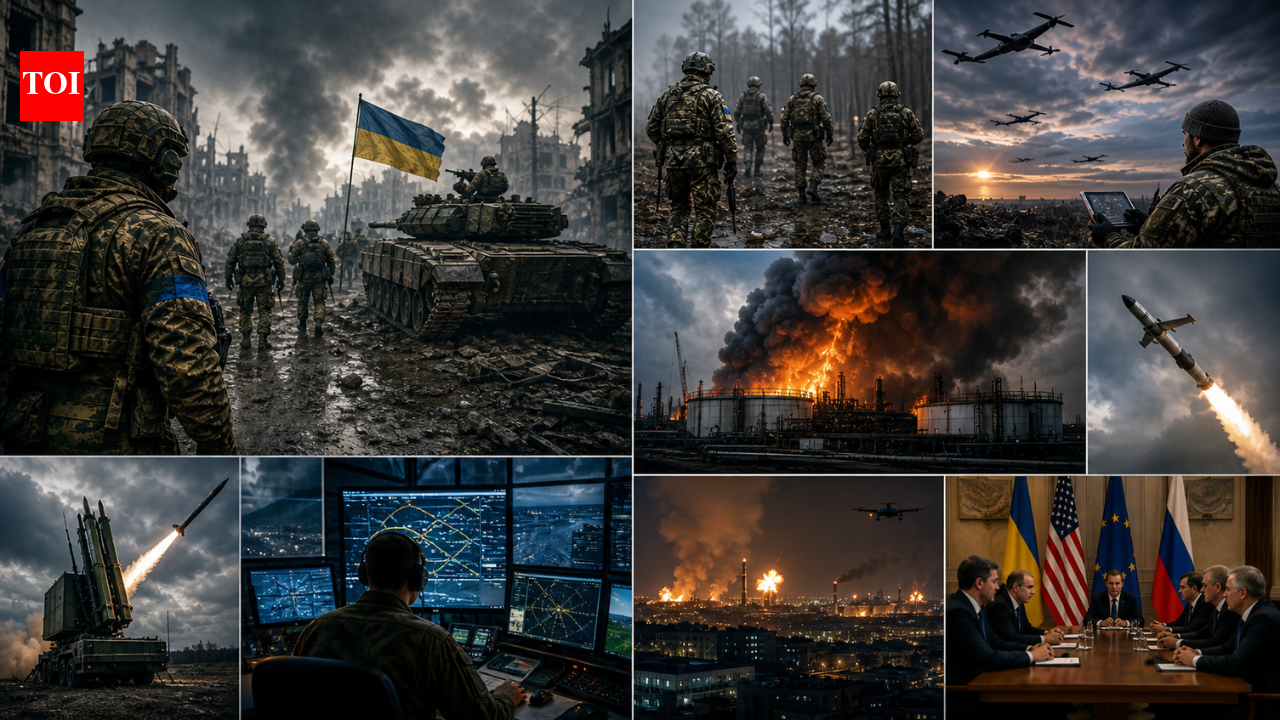
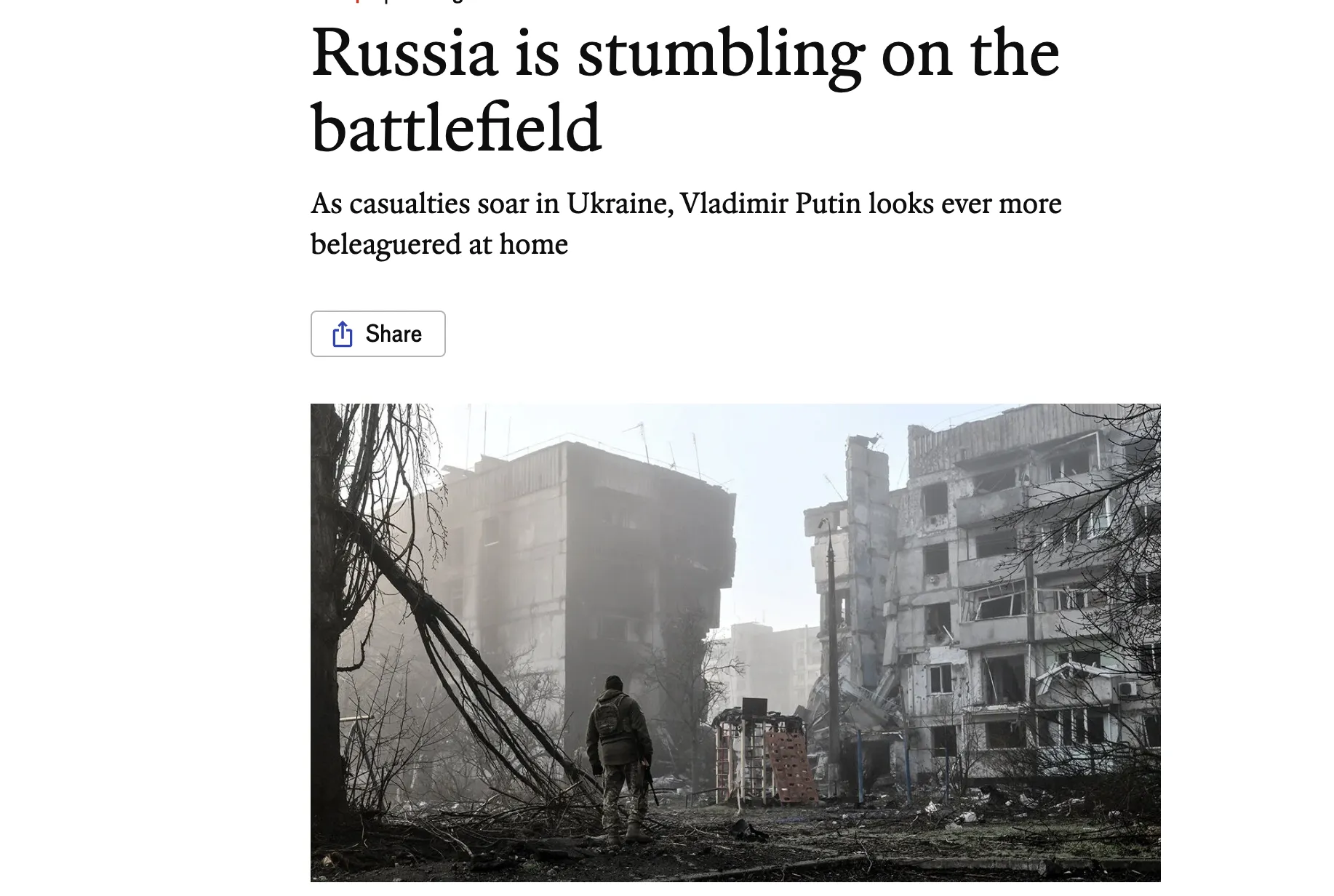
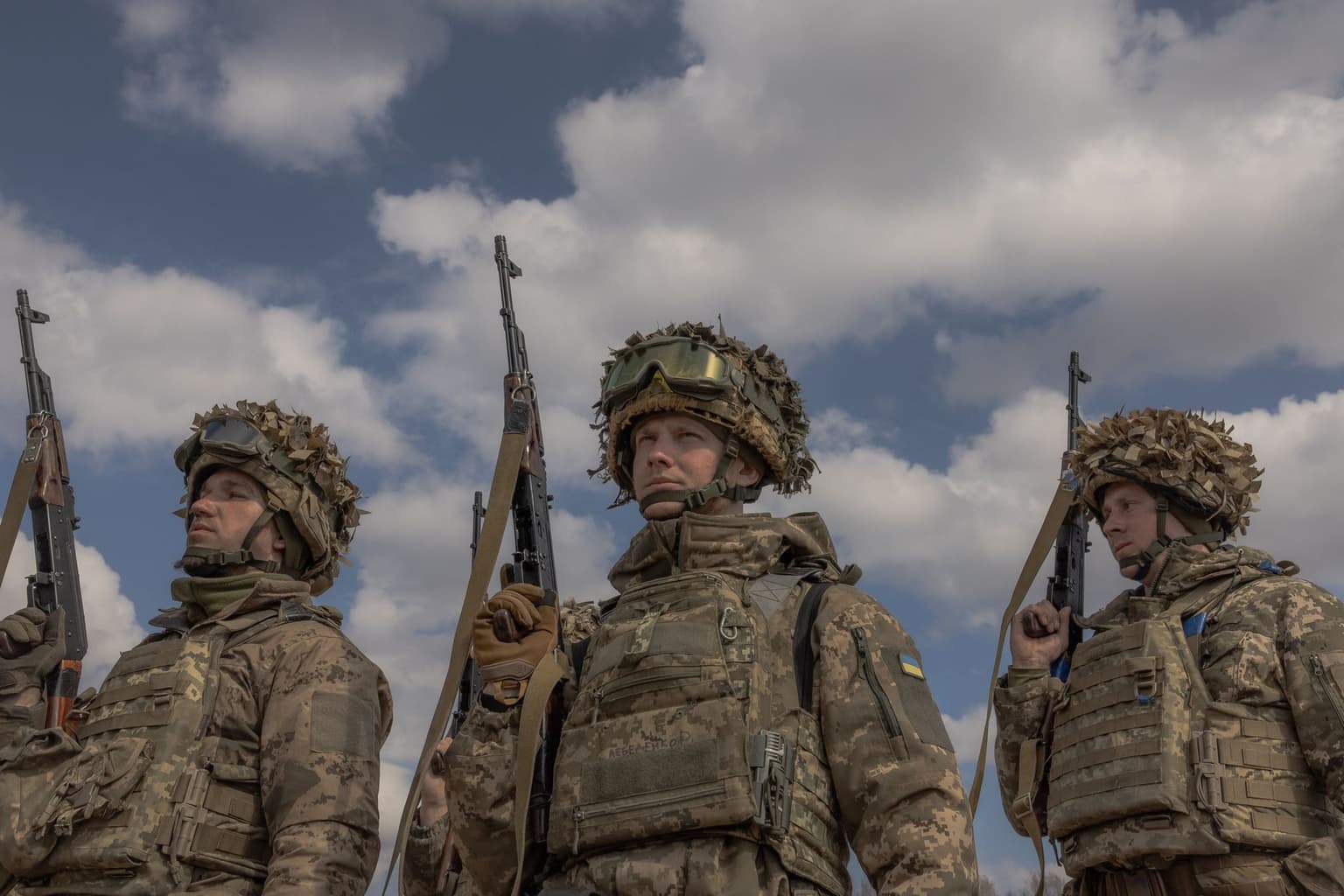
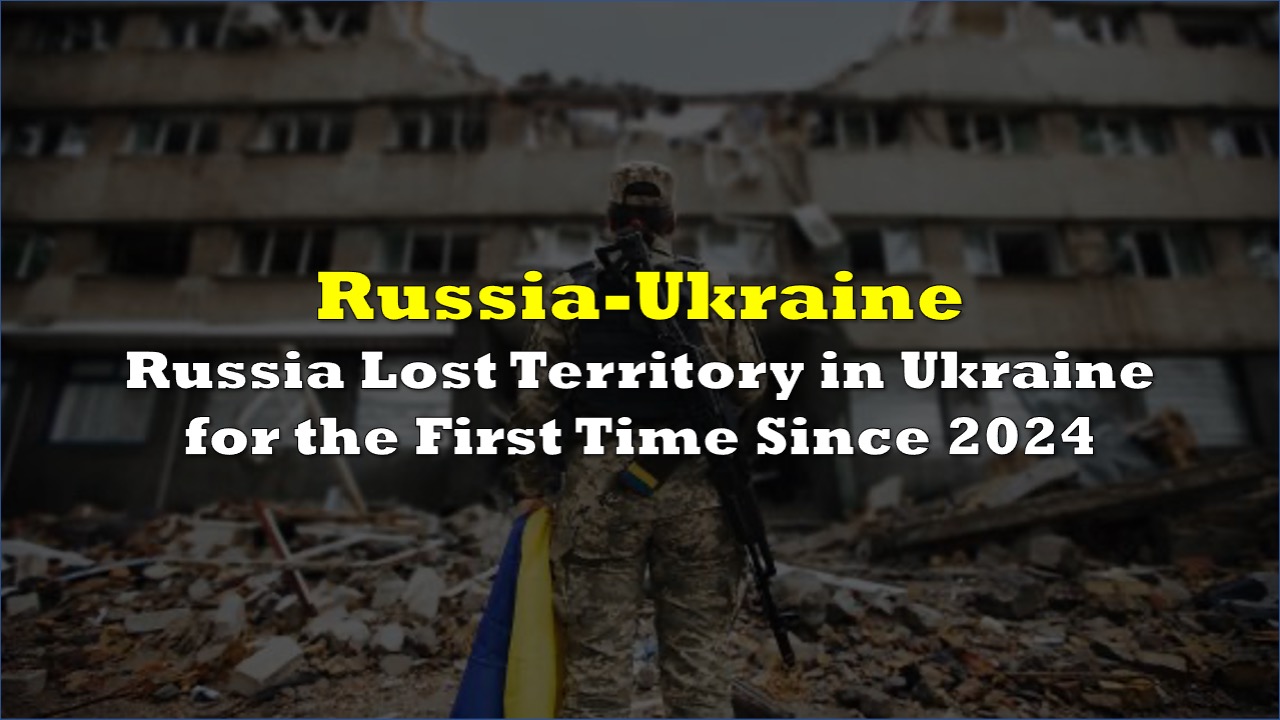
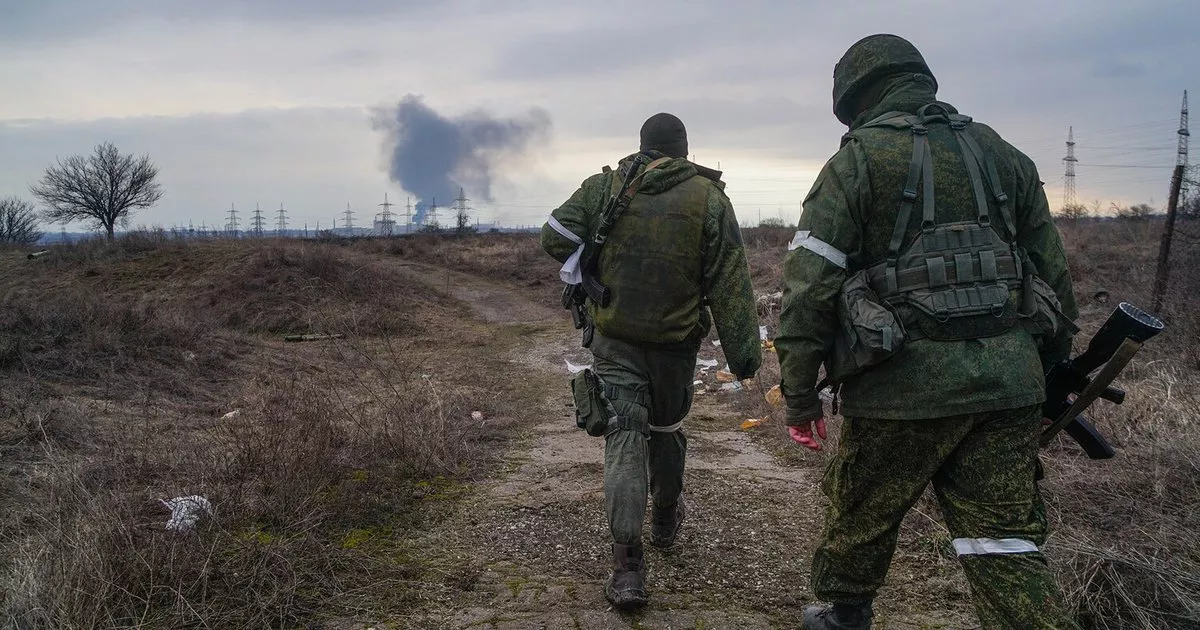
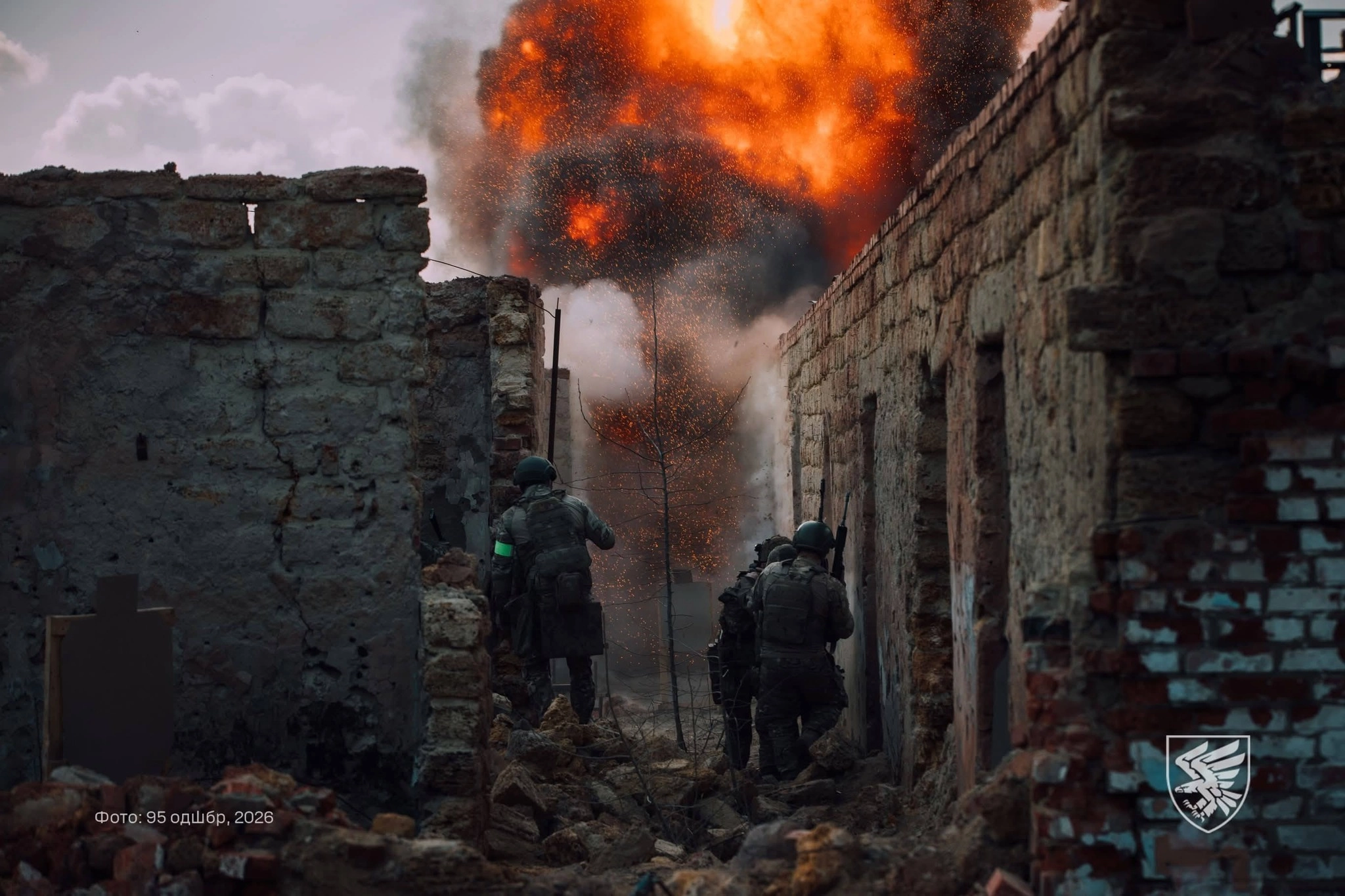
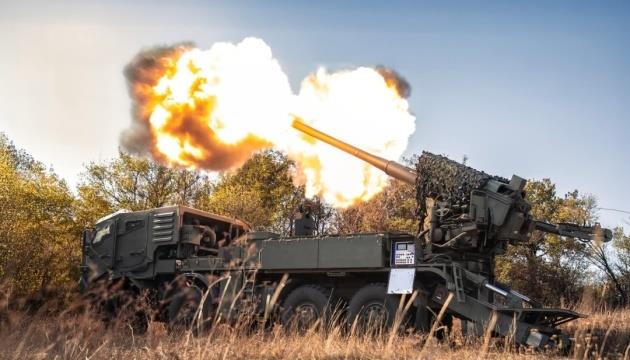
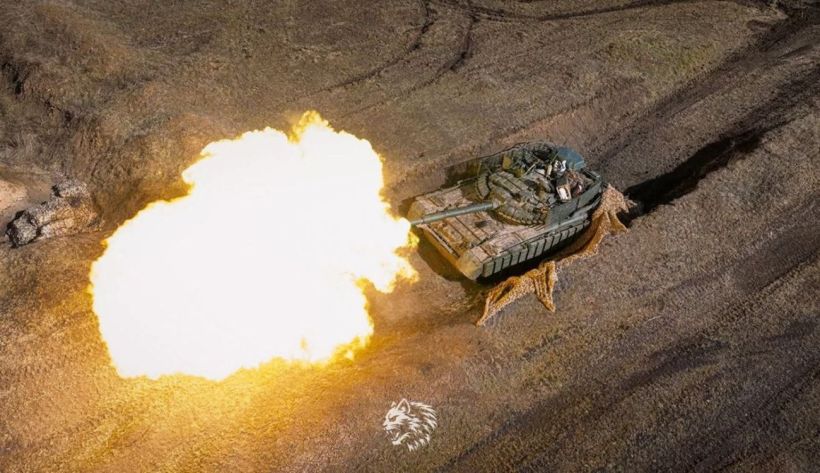
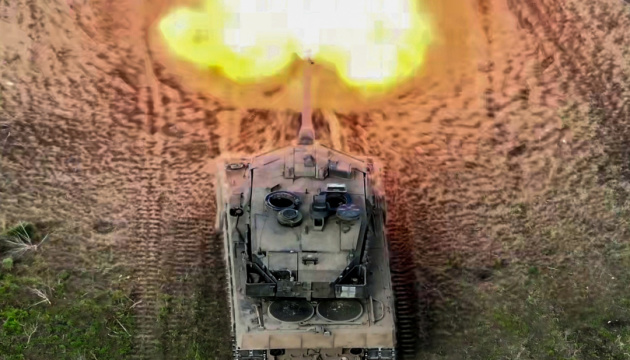
The Ukraine-Russia conflict represents a critical macroeconomic and logistics disruption affecting cross-border e-commerce sellers globally, particularly those with supply chain dependencies in Eastern Europe or trading relationships with Russian/Ukrainian markets. While the news coverage focuses on military developments—including 35,000 monthly Russian troop losses, 113 sq km territorial shifts, and drone warfare tactics—the underlying economic impact directly threatens seller operations through multiple channels: shipping route disruptions, sanctions compliance requirements, supplier availability constraints, and market access restrictions.
Supply Chain & Logistics Impact: The conflict has fundamentally altered international shipping routes, with many carriers avoiding Eastern European corridors entirely. Sellers sourcing manufacturing from Ukraine, Belarus, or Russia face 40-60% longer lead times and 25-35% cost increases for alternative routing through Western Europe. The Black Sea shipping blockade has eliminated direct maritime routes, forcing sellers to reroute through Baltic ports (adding 7-10 days transit time) or air freight (increasing costs 3-4x). Specifically, sellers in electronics, machinery, and raw materials categories—which historically sourced 12-15% of inventory from this region—must identify alternative suppliers or accept margin compression.
Market Contraction & Sanctions Compliance: Russia's GDP growth forecast collapse (from 1.3% to 0.4% for 2026) signals severe consumer purchasing power decline, making the Russian e-commerce market increasingly unprofitable for cross-border sellers. More critically, OFAC sanctions and EU trade restrictions require sellers to implement compliance systems to avoid selling to sanctioned entities or individuals. Sellers currently operating in Russian marketplaces face potential legal liability and account suspension if they cannot demonstrate sanctions screening. The ceasefire negotiations mentioned in coverage create uncertainty—sellers cannot reliably forecast market reopening timelines, making inventory planning impossible.
Product Category Opportunities: Conversely, the conflict creates demand spikes in specific categories: military-grade equipment, humanitarian supplies, protective gear, and communication devices see elevated cross-border demand from Ukrainian buyers and diaspora communities. Sellers in tactical apparel, survival equipment, and telecommunications products can capitalize on 20-40% demand increases in these niches, particularly through targeted marketing to Ukrainian and Eastern European diaspora audiences on Amazon, eBay, and Shopify.
Currency & Payment System Risks: The Ukrainian hryvnia and Russian ruble have experienced 30-50% volatility, creating foreign exchange losses for sellers accepting these currencies. Payment processors have restricted operations in Russia, limiting seller ability to receive payments from Russian customers. Sellers must evaluate whether maintaining Russian market presence justifies compliance costs and payment processing delays.
Questions 8
Should I continue sourcing inventory from Ukraine, Russia, or Belarus given the conflict?
**No—sourcing from these regions is now high-risk and operationally impractical.** Lead times have extended 40-60%, costs increased 25-35%, and supplier reliability is severely compromised. EU sanctions restrict trade with Belarus, and Ukrainian suppliers face infrastructure damage and logistics chaos. Sellers should immediately diversify sourcing to Poland, Czech Republic, or Western European suppliers for similar products, or shift to Asian manufacturers (Vietnam, India, Indonesia) for electronics and textiles. The transition requires 8-12 weeks to establish new supplier relationships and qualify products. Budget 15-20% margin compression during transition as alternative suppliers command premium pricing due to high demand from other sellers making the same shift.
What OFAC sanctions compliance steps must I take if I sell to Russian or Ukrainian customers?
**OFAC (Office of Foreign Assets Control) requires sellers to screen all transactions against the Specially Designated Nationals (SDN) list** before processing payments to Russian customers. Failure to comply risks account suspension, legal penalties up to $250,000 per violation, and criminal liability. Sellers must implement automated compliance screening through payment processors (Stripe, PayPal) or third-party services like Sift or Kount. For Ukrainian customers, compliance is less restrictive, but sellers should verify customers are not sanctioned entities. Most major marketplaces (Amazon, eBay) have restricted Russian seller accounts entirely. If you currently serve Russian customers, consult a trade compliance attorney immediately to assess liability exposure.