




Africa Forward Summit Opens €27B Market | Sellers' Guide to Emerging Trade Corridors
- €27 billion investment mobilized across 30+ African nations; new market access opportunities in energy, AI, agriculture sectors; reduced trade barriers expected by Q4 2026





























Overview
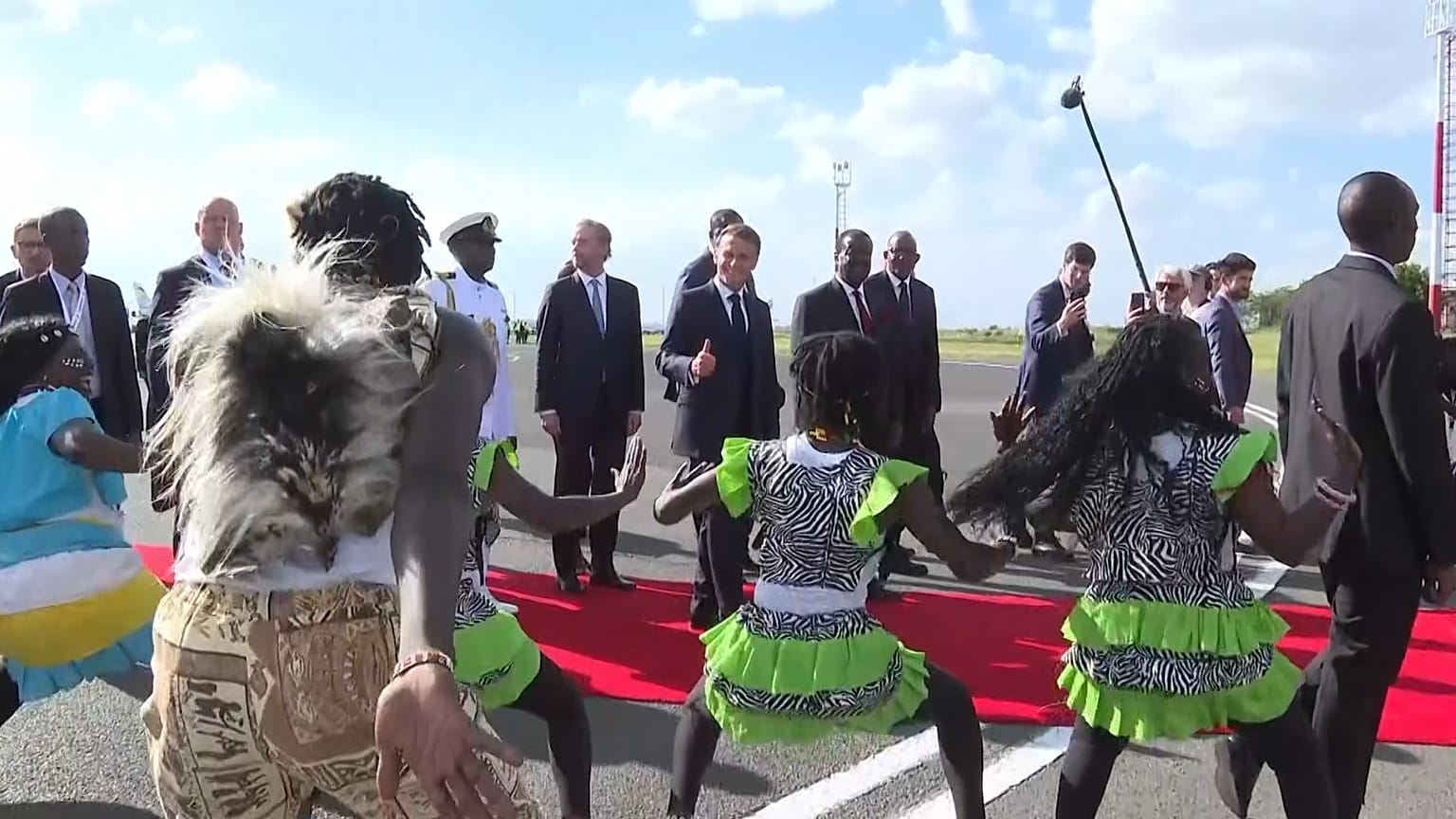
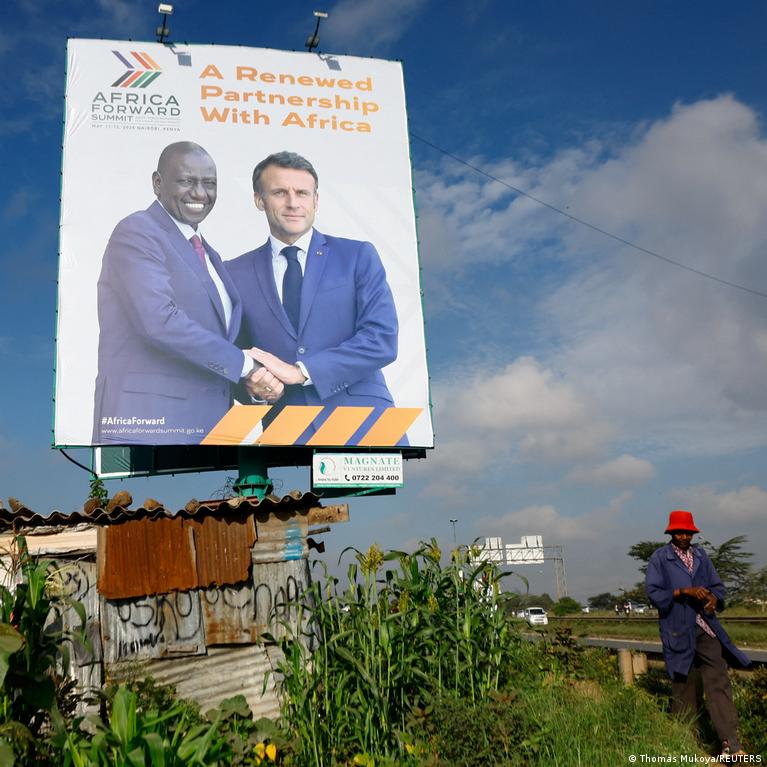
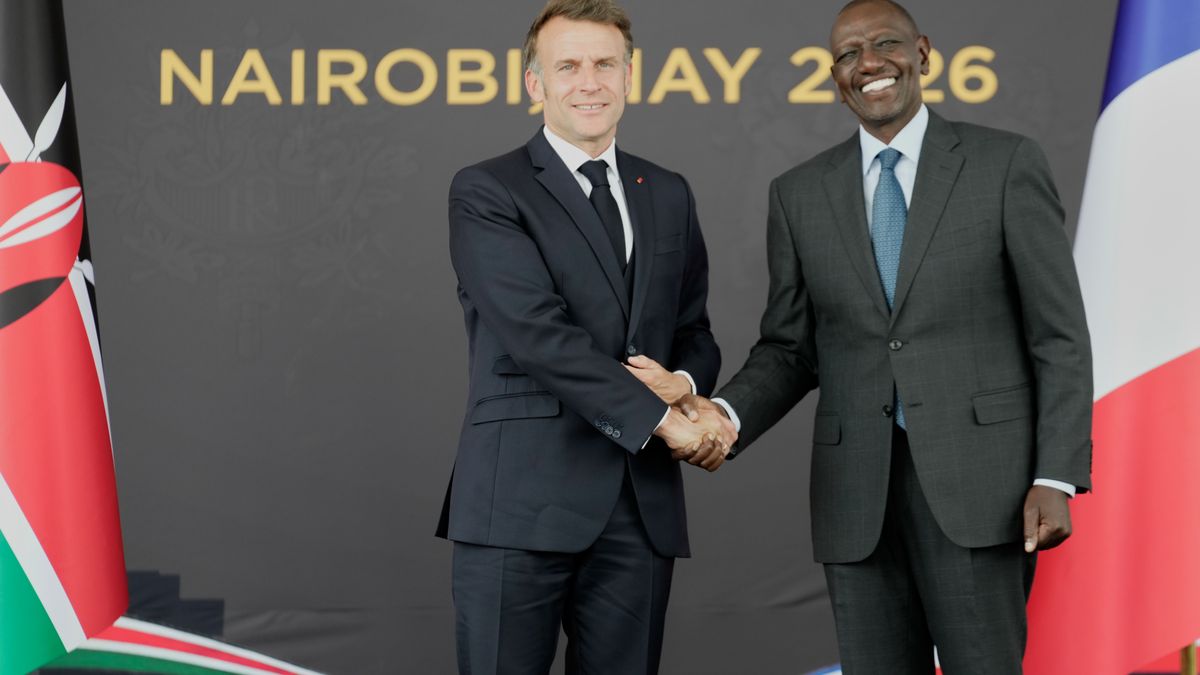
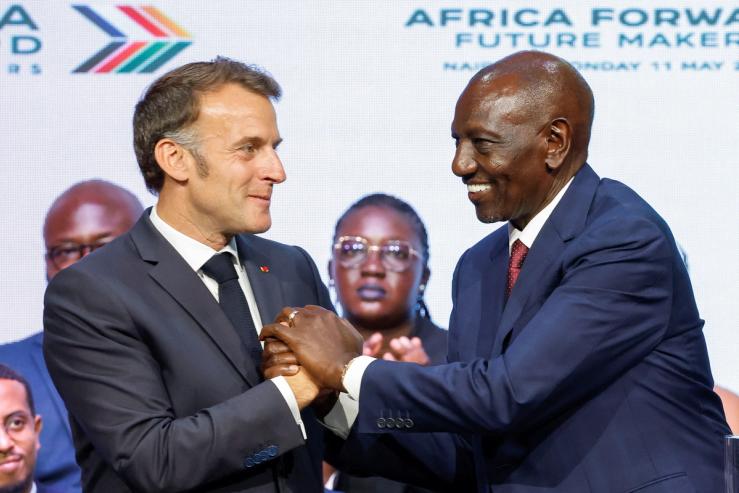
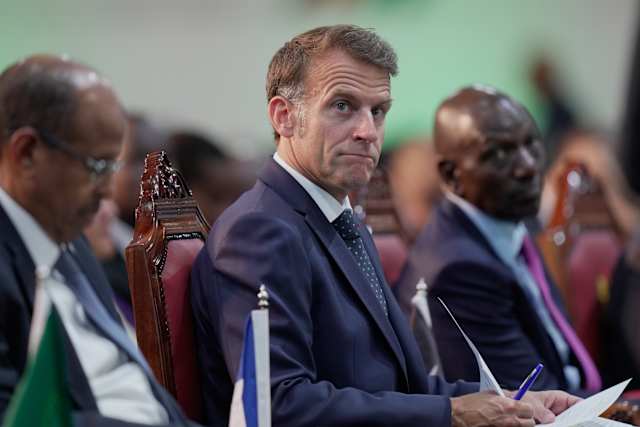
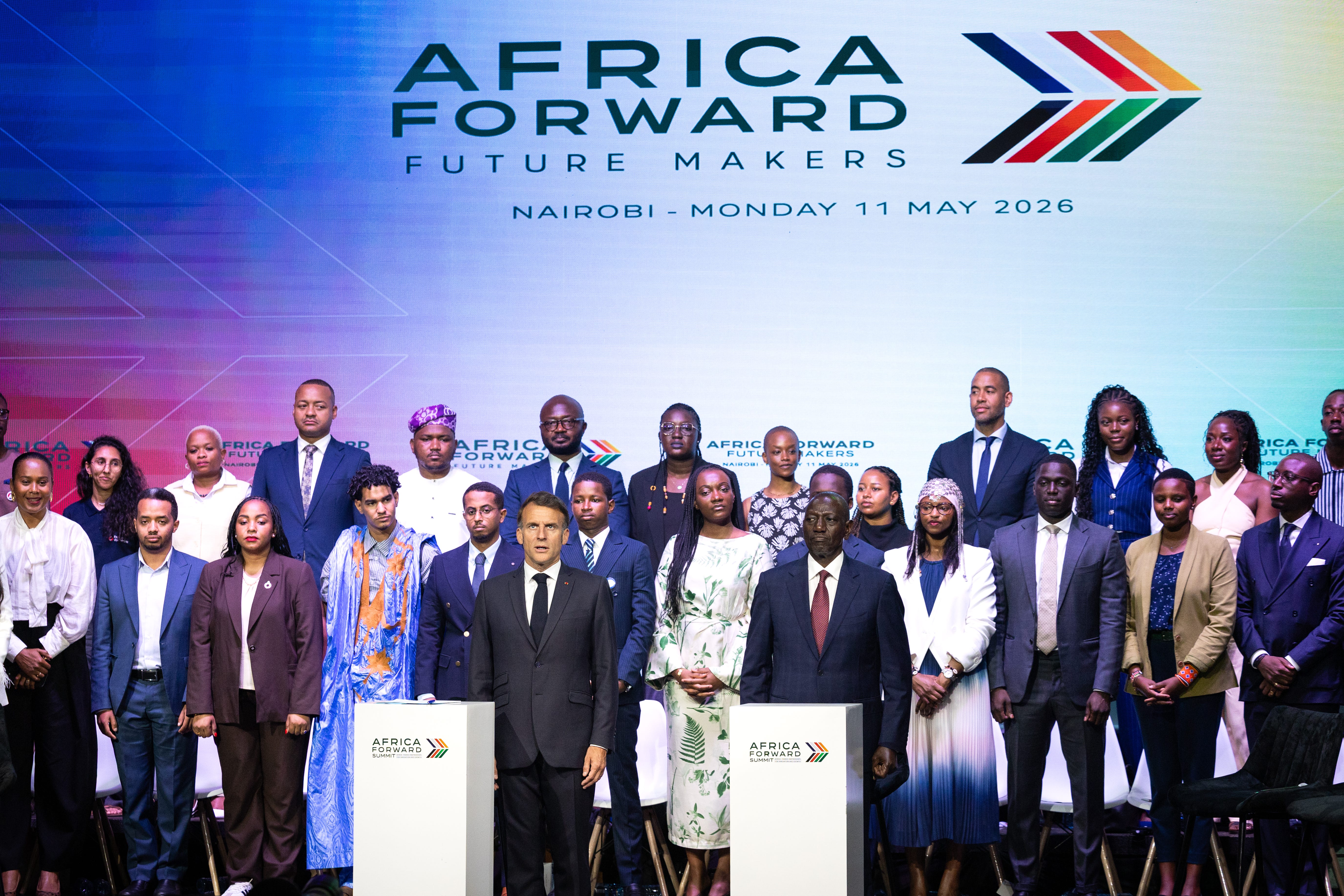
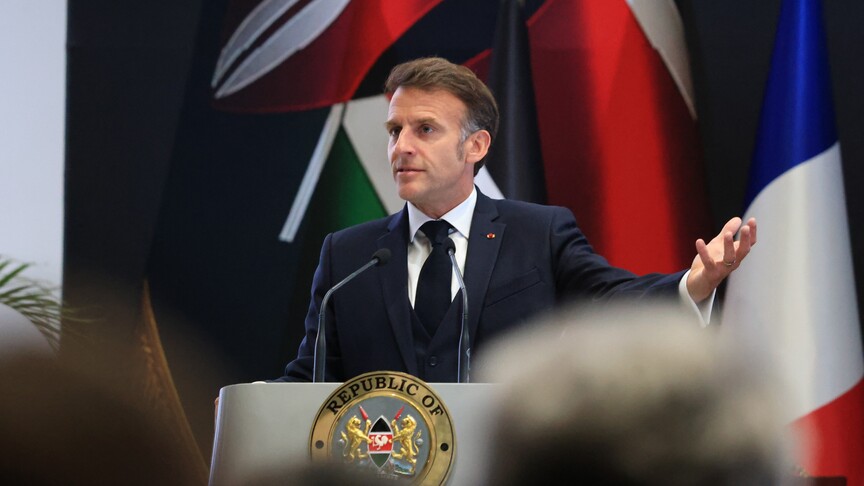
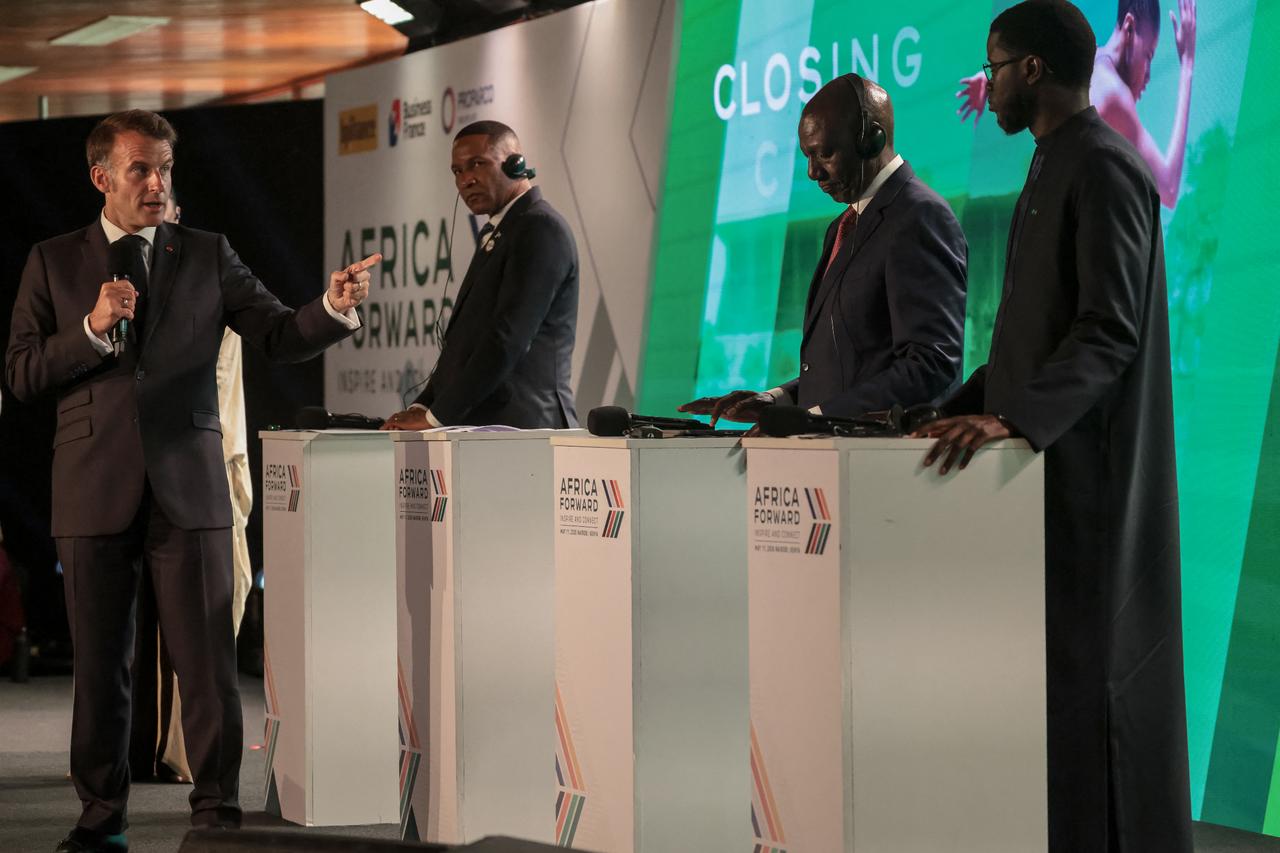
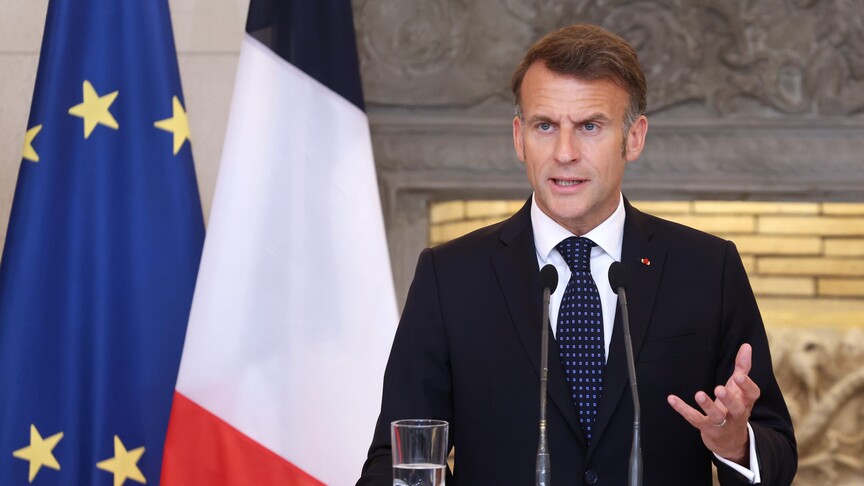
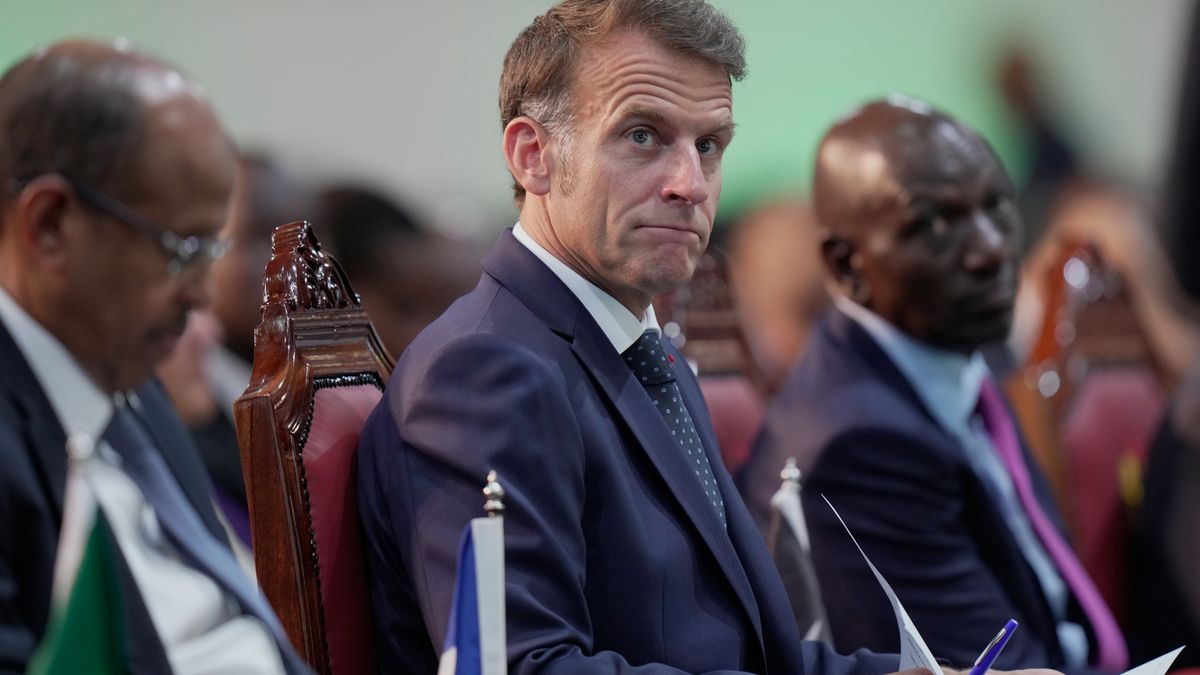
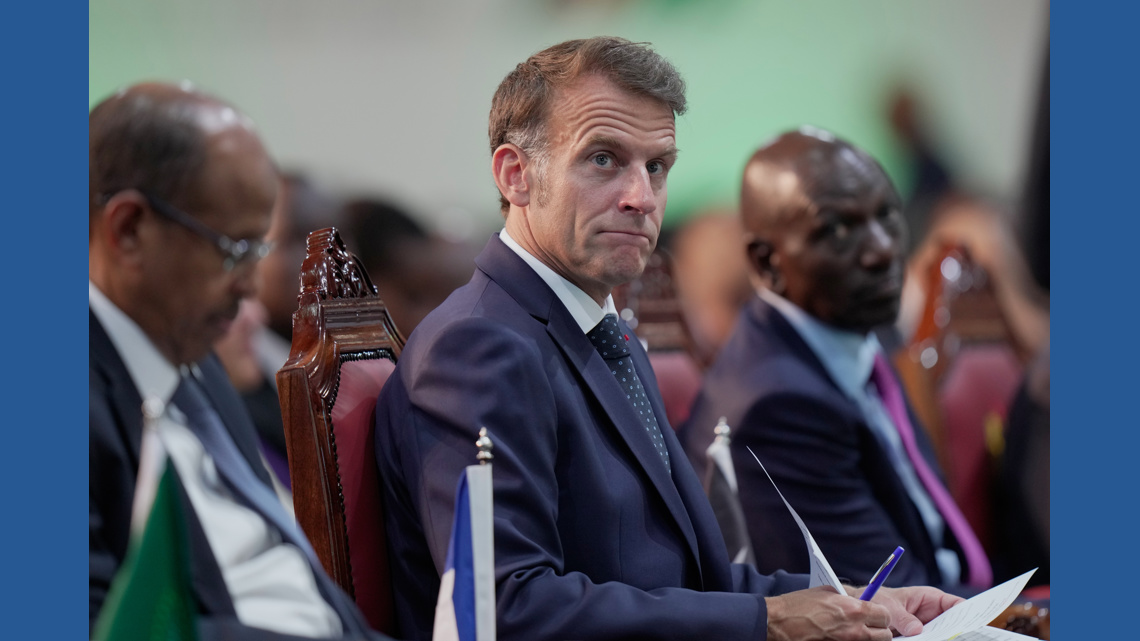
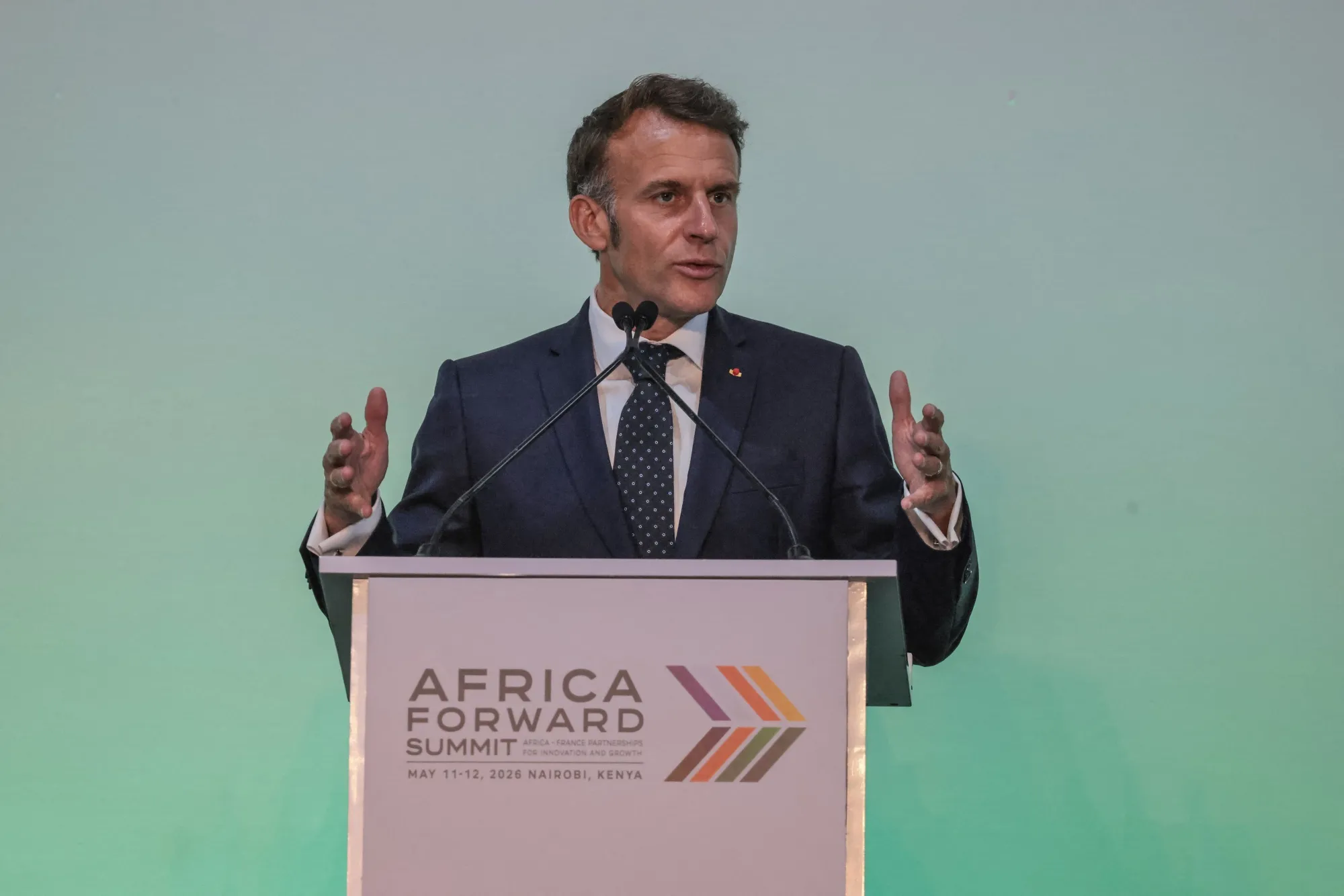
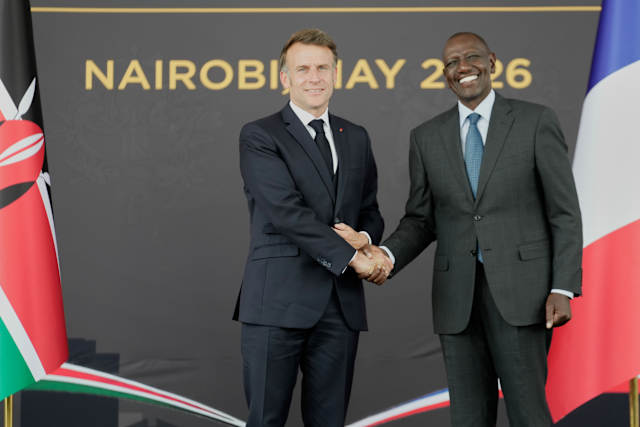
The Africa Forward Summit held in Nairobi, Kenya on May 12, 2026, represents a fundamental restructuring of European-African trade relationships with direct implications for cross-border e-commerce sellers. French President Emmanuel Macron announced €27 billion ($27.01 billion) in new investments, comprising €14 billion from French companies and €9 billion from African entities, targeting energy, artificial intelligence, and agriculture sectors. This marks a strategic pivot from colonial-era dependency models toward "co-investment" partnerships emphasizing sovereign equality—a shift that fundamentally alters market access dynamics for international sellers.
For cross-border sellers, this summit creates three immediate market opportunities. First, the €27 billion investment wave will drive infrastructure modernization across participating African nations, particularly in digital payment systems and logistics networks. Sellers targeting African markets can expect improved shipping corridors, reduced customs friction, and expanded last-mile delivery capabilities by late 2026. Second, the emphasis on "mutual partnership" rather than aid-based relationships signals that African governments are actively seeking commercial partnerships with international suppliers—creating entry points for sellers in agricultural equipment, renewable energy components, and AI-enabled agricultural technology. Third, the summit's relocation to English-speaking Kenya (breaking from Francophone-only precedent) indicates market expansion beyond traditional French-speaking West Africa into East African markets like Kenya, Uganda, and Tanzania, where English-language commerce platforms dominate.
The competitive advantage window is narrow and time-sensitive. The summit concluded with a formal declaration signed by all 30+ participating nations, signaling imminent policy implementation. Sellers who establish African partnerships and localize product offerings before Q3 2026 will capture first-mover advantages in emerging categories. The credit reform initiatives discussed at the summit—including first-loss guarantee mechanisms to reduce African borrowing costs from 2x to parity with developed economies—will unlock purchasing power among African businesses and governments by mid-2026. This creates a 6-9 month window for sellers to position inventory, establish local partnerships, and optimize logistics before competition intensifies.
Risk mitigation requires understanding the sovereignty-first framework. The summit emphasized local entity participation and African business leadership, meaning sellers must prioritize partnerships with African distributors, platforms, and entrepreneurs rather than attempting direct market capture. Sellers who position themselves as enablers of African business growth—rather than extractive foreign competitors—will navigate the new political economy more effectively. The withdrawal of French military presence from West Africa (completed in Senegal by July 2025) also signals reduced geopolitical friction, making these markets more stable for long-term commercial operations than in previous years.
Questions 8
How does the shift from Francophone to English-speaking African markets affect seller strategy?
The summit's relocation to Kenya signals market expansion beyond traditional French West Africa into East African markets where English dominates commerce. This opens Kenya, Uganda, Tanzania, and Rwanda as priority markets for sellers previously focused on Francophone regions. English-language e-commerce platforms (Amazon, eBay, Shopify) will see increased adoption in these markets as infrastructure improves. Sellers should prioritize product listings in English, establish partnerships with East African distributors, and optimize logistics for Kenya-based fulfillment hubs. The competitive advantage window is 6-9 months before other sellers recognize this geographic shift. Sellers currently serving Francophone Africa should simultaneously expand East African inventory allocation by 20-30% to capture first-mover positioning.
What specific product categories benefit most from the Africa Forward Summit's €27B investment?
The summit explicitly targets energy, artificial intelligence, and agriculture sectors, creating immediate opportunities for sellers in renewable energy components (HS codes 8502-8504), agricultural machinery (HS 8701-8737), and AI-enabled agricultural technology. Energy infrastructure investments will drive demand for solar panels, wind turbine components, and battery storage systems. Agricultural modernization initiatives will increase imports of precision farming equipment, irrigation systems, and crop monitoring technology. Sellers in these categories can expect 15-25% volume growth in African markets by Q4 2026 as infrastructure projects commence. The €14 billion from French companies and €9 billion from African entities will flow into these sectors starting immediately, creating supplier demand within 60-90 days.