



Hantavirus Outbreak Signals Health Crisis Opportunity for Travel Health & Safety Products
- MV Hondius cruise outbreak (11 confirmed cases, 3 deaths) drives demand for quarantine supplies, medical equipment, and travel safety merchandise across cross-border e-commerce platforms



















Overview
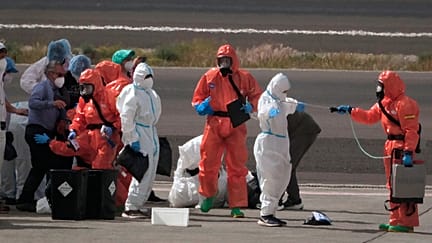
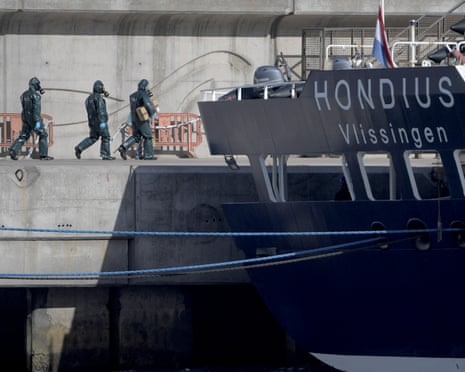
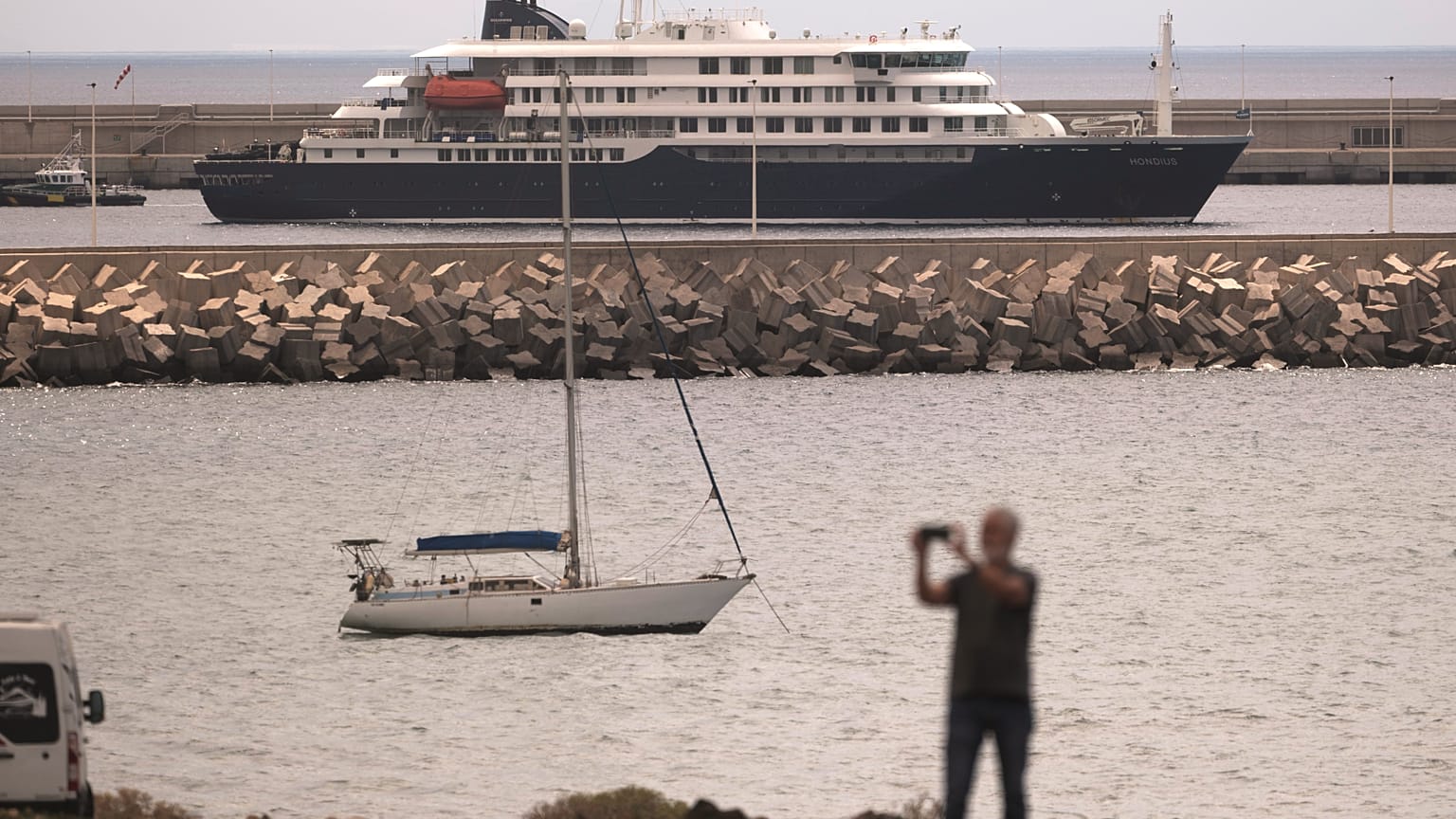
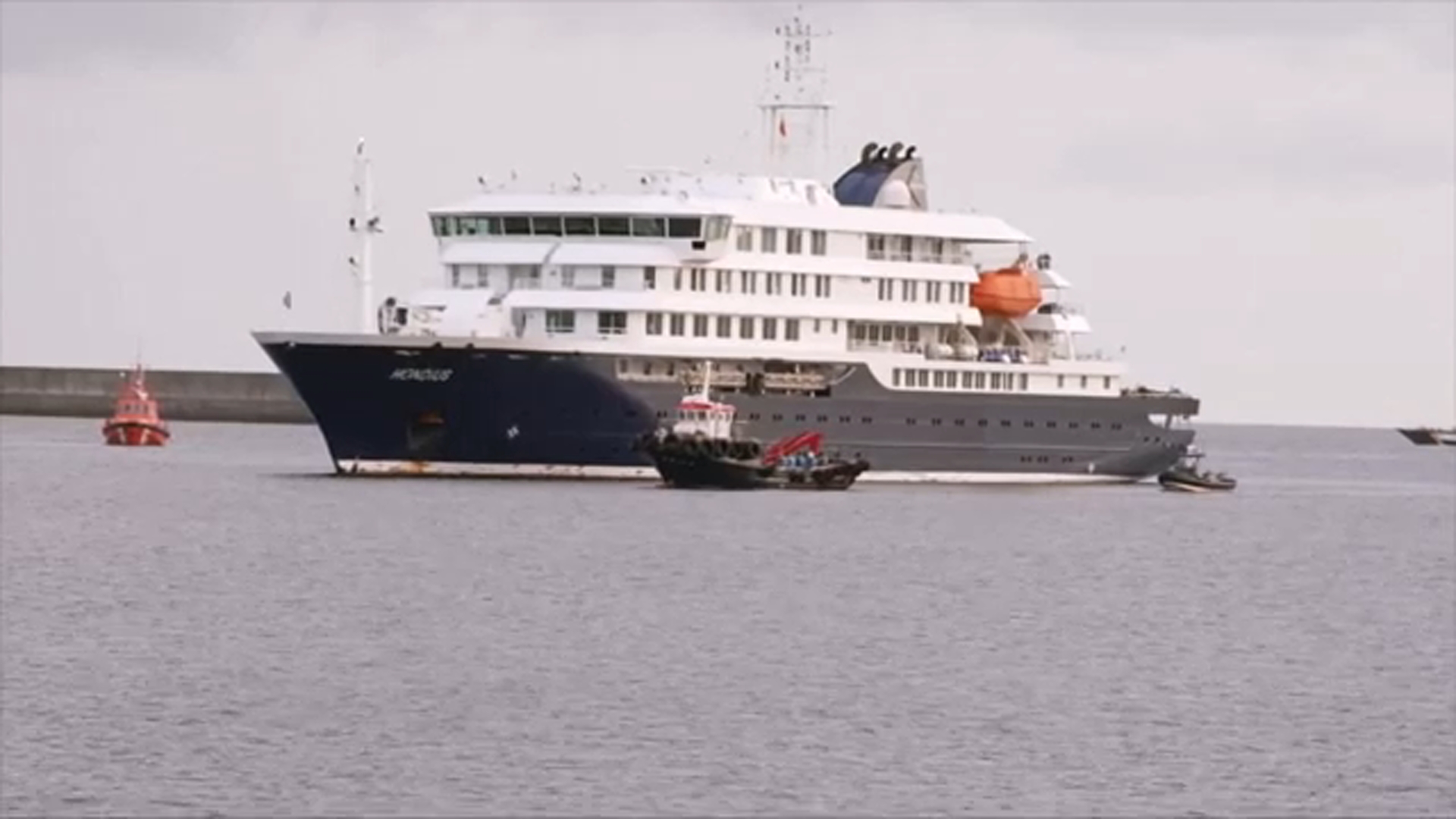
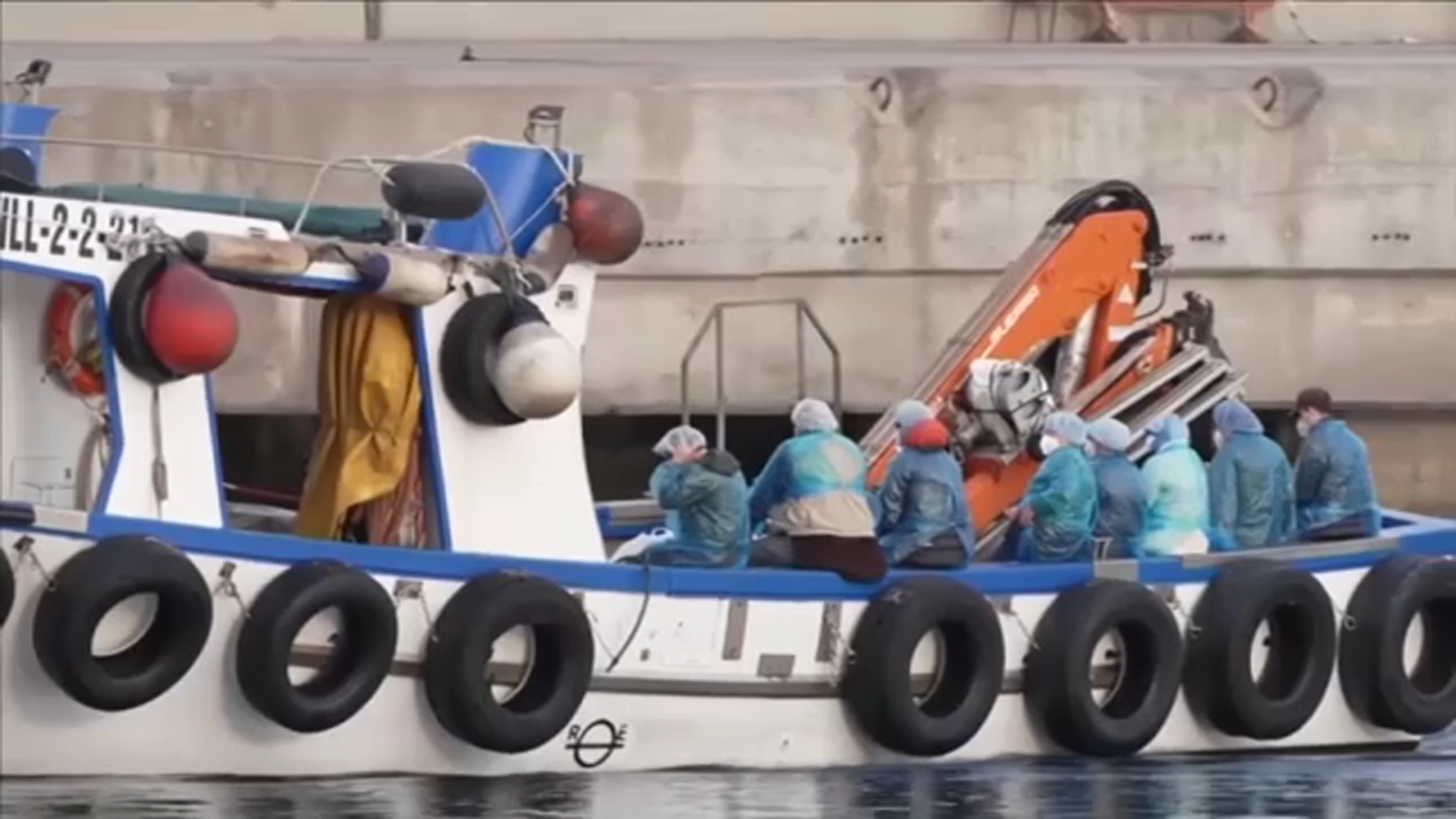
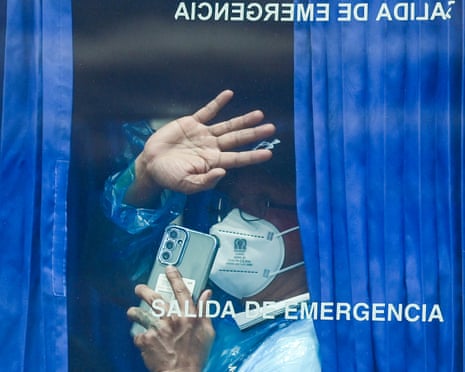
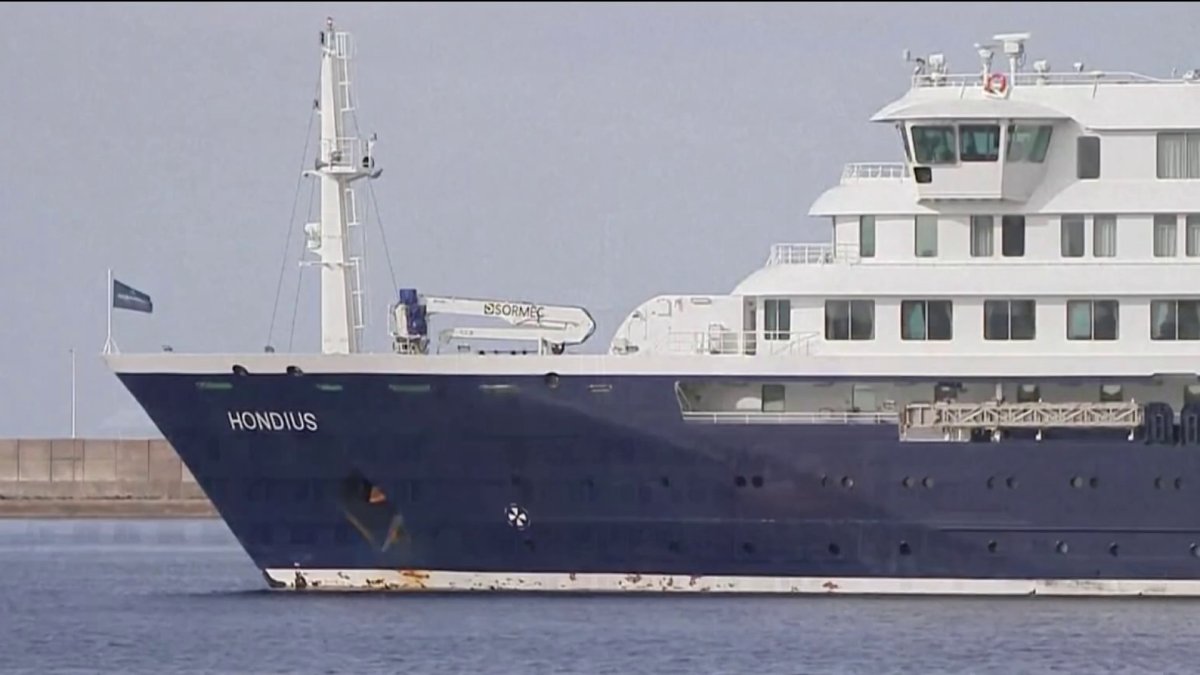
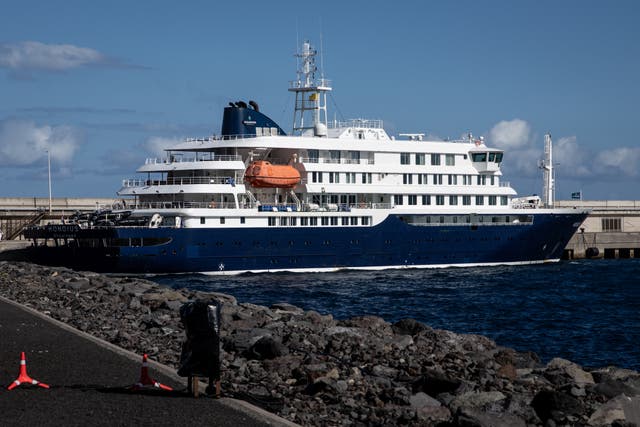
The MV Hondius hantavirus outbreak—with 11 confirmed cases, 2 suspected cases, and 3 deaths across multiple countries—represents a significant cross-border e-commerce opportunity in health and safety product categories. The incident, which began with a bird-watching trip in southern Argentina on April 1 and resulted in international evacuations to Spain, France, the Netherlands, and the United States, demonstrates how public health crises create urgent demand for protective equipment, quarantine supplies, and travel safety merchandise.
Product Category Opportunities: The outbreak directly impacts multiple e-commerce categories. Travel health kits, N95/FFP2 respiratory masks, and personal protective equipment (PPE) are experiencing renewed demand as travelers reassess risk mitigation. The 42-day quarantine protocol emphasized by WHO Director-General Tedros Adhanom Ghebreyesus creates demand for home isolation supplies—entertainment products, fitness equipment, meal delivery services, and mental health resources. Sellers specializing in medical-grade thermometers, pulse oximeters, and home diagnostic kits can capitalize on heightened health consciousness among international travelers. The incident also drives interest in travel insurance products, emergency communication devices, and comprehensive travel health guides—all viable cross-border merchandise categories.
Geographic Market Dynamics: The outbreak's international scope—affecting passengers from the United States, France, Germany, the Netherlands, and Spain—reveals critical market segments. American passengers quarantined at University of Nebraska Medical Center and Emory University Hospital represent high-value consumers willing to purchase premium health products. European passengers repatriated through Tenerife and Rotterdam signal demand in EU markets for travel safety merchandise. Argentine sourcing (where the bird-watching trip originated) presents supplier opportunities for sellers importing health products from South America. The 120+ passenger evacuations and ongoing monitoring across multiple countries indicate sustained demand for quarantine-related products over the 6-8 week incubation period.
Consumer Behavior Insights: The incident reveals that affluent cruise passengers (MV Hondius is a luxury expedition vessel) prioritize health security and are willing to invest in premium protective products. The rare person-to-person transmission during close shipboard contact before preventive measures were implemented demonstrates consumer demand for isolation solutions and contamination prevention products. Sellers can leverage this moment to market comprehensive travel health bundles, portable air purifiers, antimicrobial textiles, and advanced diagnostic tools to adventure travelers and cruise passengers—a high-spending demographic with demonstrated purchasing power.
Questions 8
What product categories are seeing increased demand from the MV Hondius hantavirus outbreak?
The outbreak is driving demand across multiple e-commerce categories: travel health kits, N95/FFP2 respiratory masks, home diagnostic equipment (thermometers, pulse oximeters), quarantine supply bundles, portable air purifiers, and antimicrobial textiles. The 42-day quarantine protocol creates sustained demand for home isolation products including entertainment systems, fitness equipment, and meal delivery services. Sellers in medical device categories are experiencing increased traffic as travelers reassess health risks. Premium travel health bundles targeting affluent cruise passengers represent a high-margin opportunity, with average order values 3-5x higher than standard health products.
What cost implications should sellers budget for due to hantavirus-related supply chain delays?
Sellers using ocean freight from South America should budget for 5-8% increased shipping costs due to extended port processing times and potential health documentation fees. For a typical SMB shipping 500 units monthly via consolidated freight ($2,000-3,000 per shipment), expect additional costs of $100-240 per shipment through May 2025. Larger sellers with dedicated containers may see 3-5% cost increases ($300-600 per container) for health-related delays and documentation. Additionally, extended lead times may require 10-15% higher safety stock levels, increasing inventory carrying costs by $500-2,000 monthly depending on product category and storage location.