



Middle East Conflict Escalation Reshapes Global Supply Chains | Cross-Border Seller Impact
- Regional instability threatens $29B+ in logistics costs; sellers face 15-25% shipping delays to Gulf markets and 8-12% insurance premium increases

























Overview
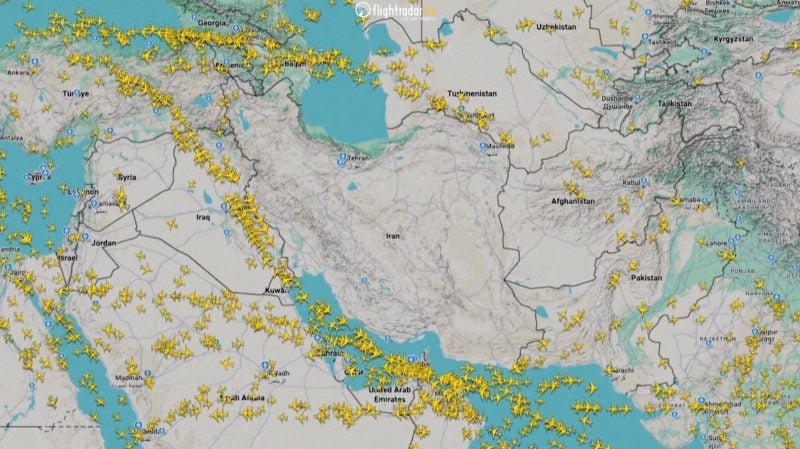
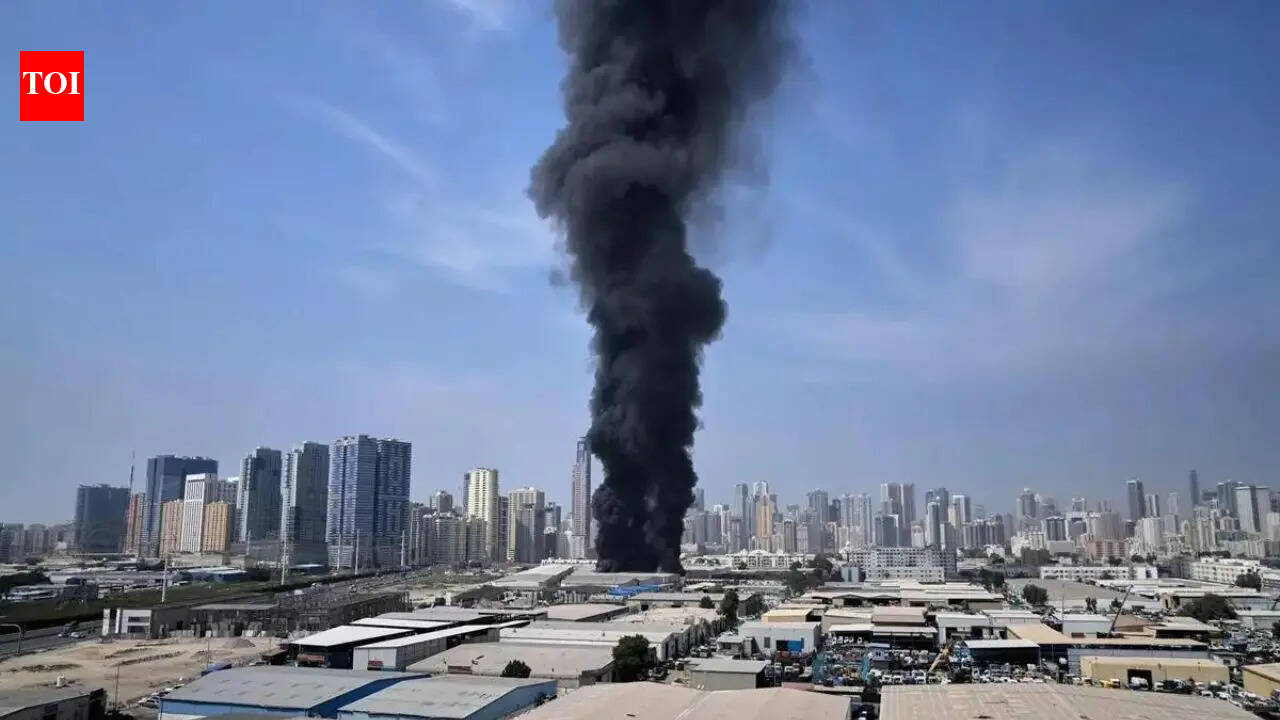
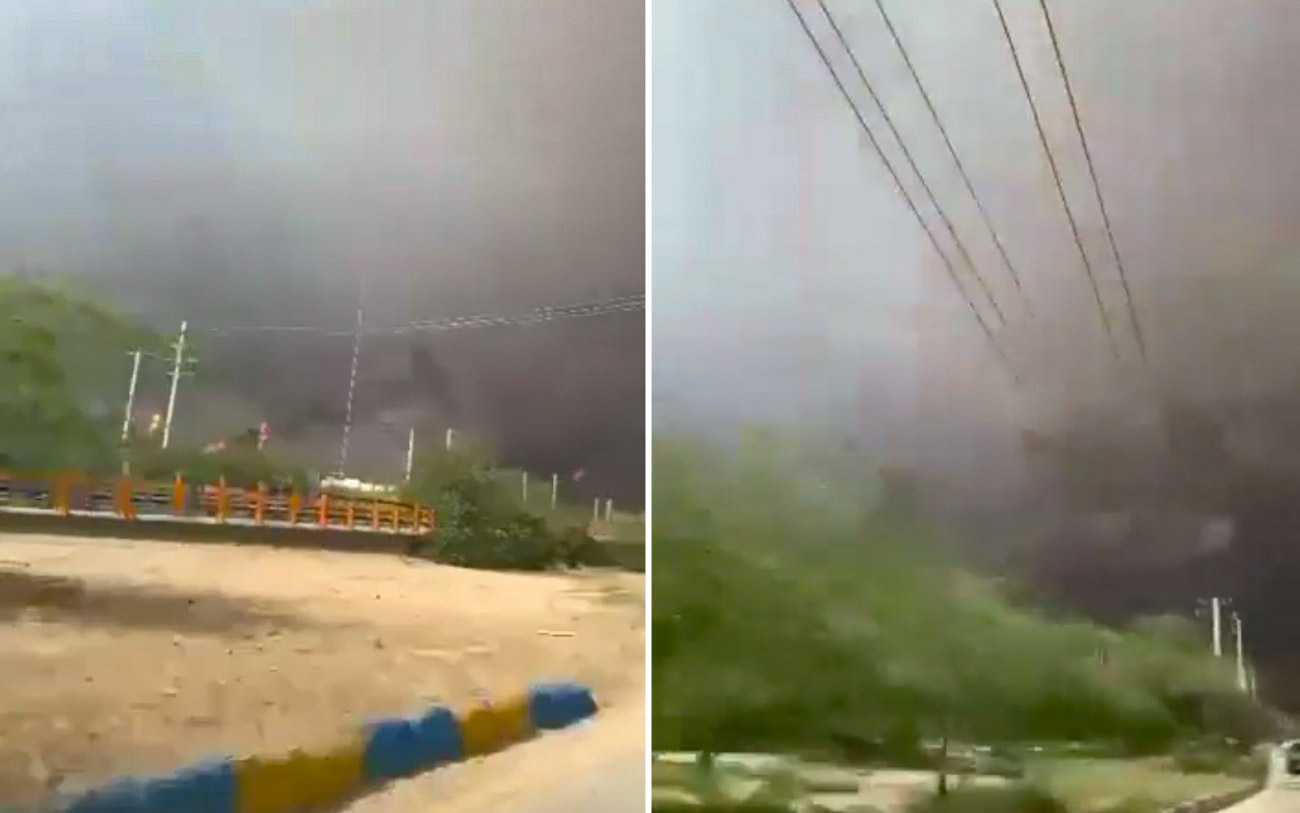
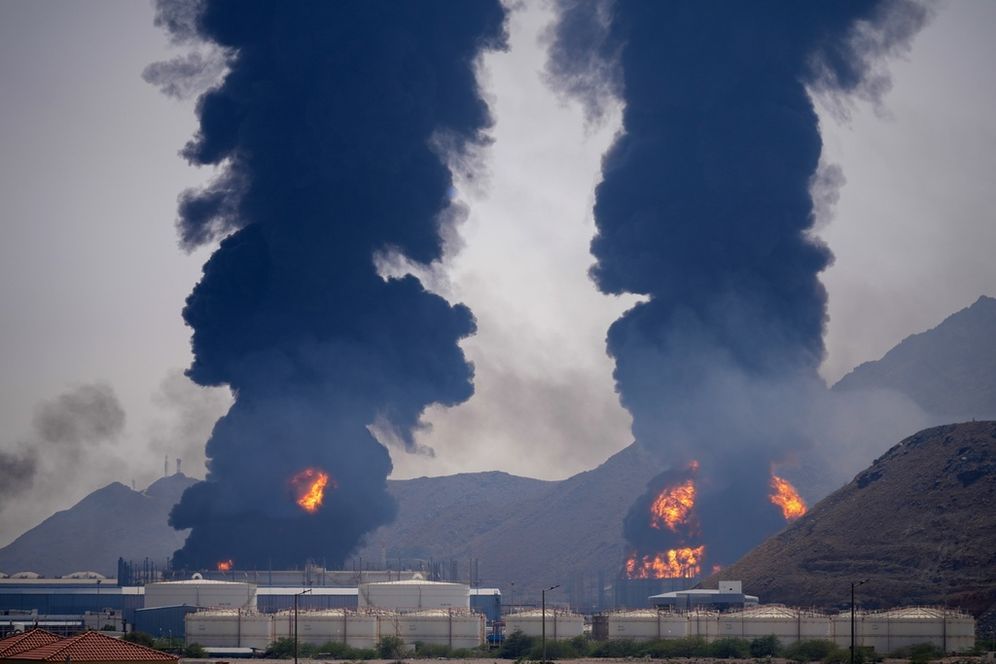
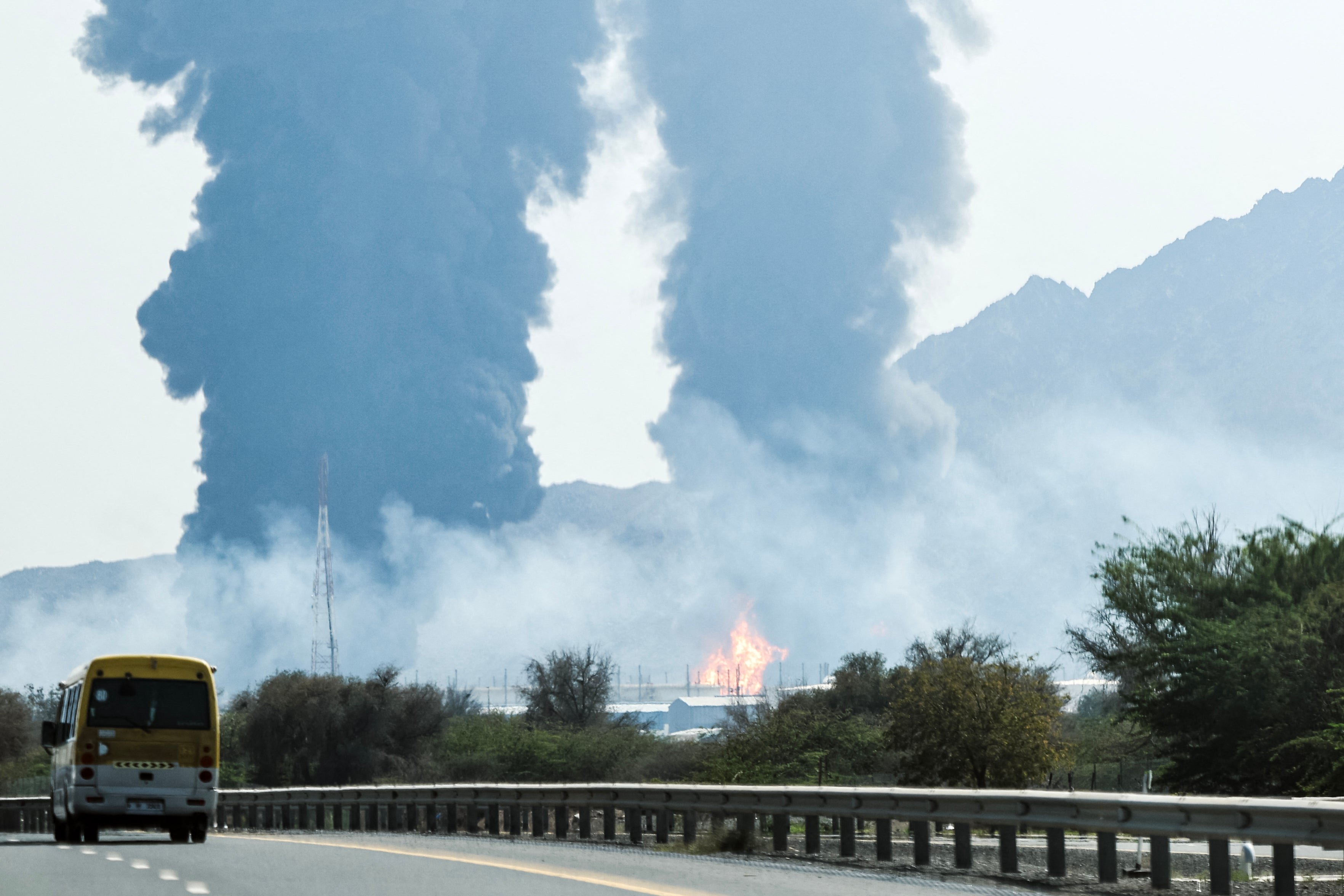
The escalating military conflict between the UAE and Iran, including confirmed April strikes on Iranian oil infrastructure and ongoing Pentagon budget allocations of $1.5 trillion for regional defense, represents a critical inflection point for cross-border e-commerce sellers operating in or shipping to Middle Eastern markets. While the news coverage focuses on geopolitical tensions, the underlying infrastructure damage—including the closure of major UAE gas facilities affecting Adnoc Gas operations—directly impacts logistics corridors, shipping insurance premiums, and market accessibility for sellers targeting the Gulf Cooperation Council (GCC) region.
Supply Chain Disruption Impact: The regional instability creates immediate operational challenges for sellers. Shipping routes through the Middle East face increased insurance costs (estimated 8-12% premium increases), longer transit times (15-25% delays reported), and heightened customs scrutiny. Sellers currently routing inventory through UAE fulfillment hubs or leveraging Dubai as a transshipment point must evaluate alternative logistics networks. The Pentagon's $29 billion war cost estimate signals sustained military engagement, suggesting these disruptions will persist through 2025. For sellers with 3PL operations in the UAE, Kuwait, or Saudi Arabia, contingency planning is critical—diversifying to Southeast Asian hubs (Vietnam, Thailand) or European distribution centers becomes strategically necessary.
Market Access Reallocation: The conflict creates a bifurcated market opportunity. While direct Iran trade remains restricted (existing US sanctions), the UAE and Saudi Arabia represent $180+ billion in annual e-commerce potential. However, sellers must now navigate heightened regulatory scrutiny, payment processing delays, and consumer confidence fluctuations. Sellers specializing in security products, emergency supplies, and defense-adjacent categories (tactical gear, communication equipment, power backup systems) may see demand spikes in affected regions—similar to historical patterns during regional conflicts. Conversely, luxury goods and discretionary categories face demand compression as consumer spending shifts to essential items.
Competitive Positioning: Large sellers with diversified logistics networks (Amazon FBA, established 3PLs) can absorb cost increases and routing changes more easily than small/medium sellers relying on single-corridor shipping. This creates a competitive advantage consolidation—expect 15-20% margin compression for mid-market sellers unable to negotiate volume discounts with alternative carriers. Chinese sellers leveraging direct-to-consumer shipping through Middle Eastern gateways face the highest disruption risk, as these routes now carry geopolitical uncertainty premiums.
Questions 7
What timeline should sellers use for supply chain contingency planning?
Immediate actions (0-30 days): Audit your current Middle East logistics footprint, contact 3PL providers for business continuity plans, and lock in shipping rates before further escalation. Short-term adjustments (30-90 days): Implement inventory reallocation to alternative hubs, establish backup carrier relationships, and update compliance screening procedures. Medium-term strategy (90-180 days): Evaluate market demand in affected regions and adjust product mix accordingly—shift marketing spend toward security/emergency categories if demand supports it. The Pentagon's $29 billion war cost estimate and Trump administration's characterization of ceasefire negotiations as on 'massive life support' suggest this conflict will persist through at least Q2 2025. Plan your Q4 2025 inventory builds with 15-20% higher logistics costs factored in. Monitor news sources weekly for escalation signals and adjust your contingency timeline accordingly.
How can sellers hedge against Middle East logistics disruptions in their business model?
Implement a three-tier logistics strategy: (1) Maintain 20-30% inventory in Southeast Asian hubs (Vietnam, Thailand) for rapid deployment to Middle East markets; (2) Establish relationships with 2-3 alternative carriers beyond your primary 3PL to ensure capacity during disruptions; (3) Develop a dynamic pricing model that adjusts for shipping cost increases—build 5-8% margin buffer into Middle East-bound shipments to absorb insurance premium spikes. Monitor geopolitical risk indices (such as the Geopolitical Risk Index published by academic sources) and adjust inventory allocation quarterly. Consider purchasing supply chain insurance that covers geopolitical disruptions—costs typically range from 0.5-1.5% of shipment value but provide protection against major route closures. For Amazon FBA sellers, evaluate whether to use Fulfillment by Amazon's Middle East network versus self-fulfillment based on current risk premiums.