



NFL Playoff Matchup: Strategic Insights for Sports Enthusiasts
- Key Tactical Breakdown of Patriots vs Chargers Playoff Dynamics









Overview
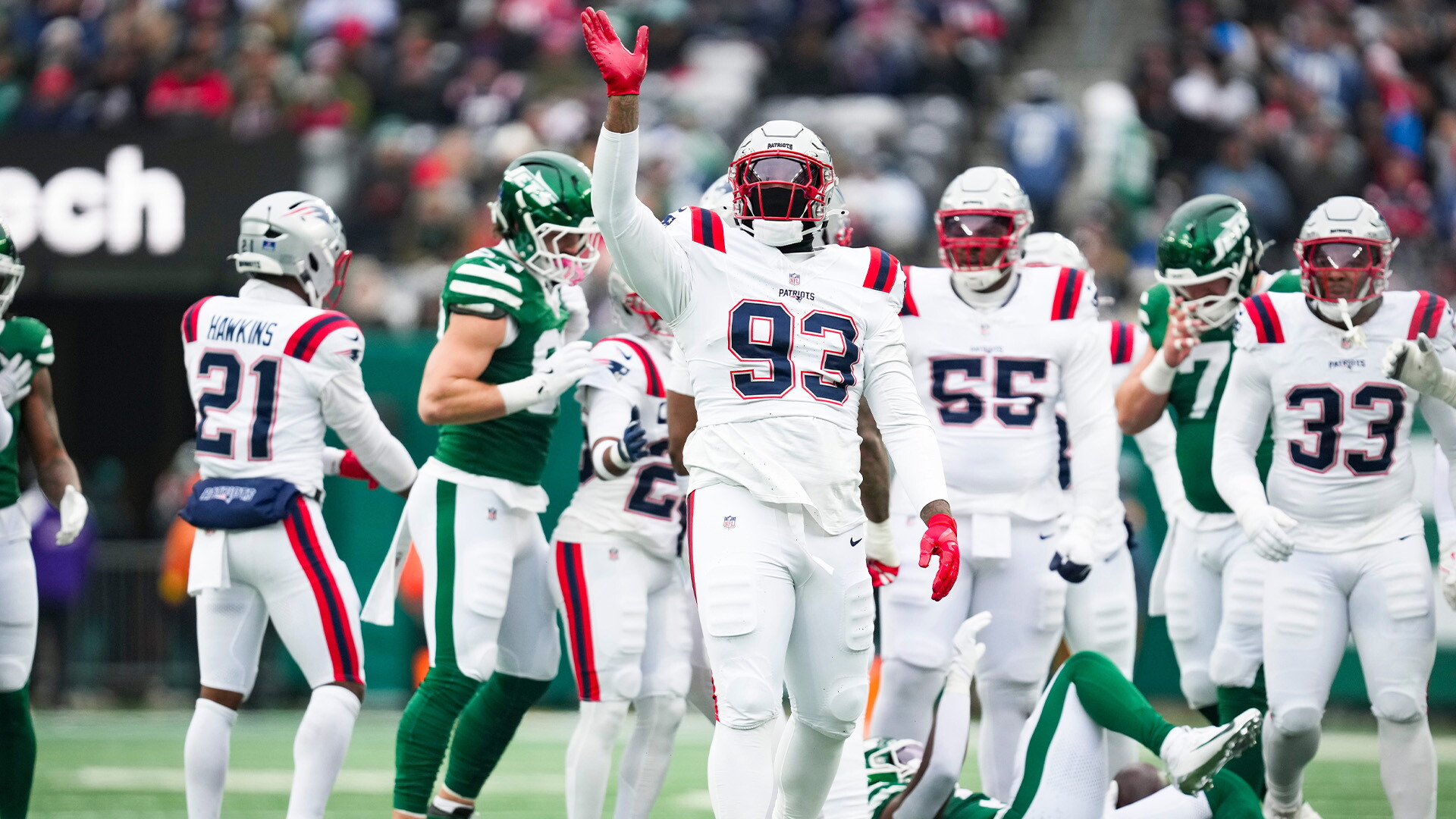
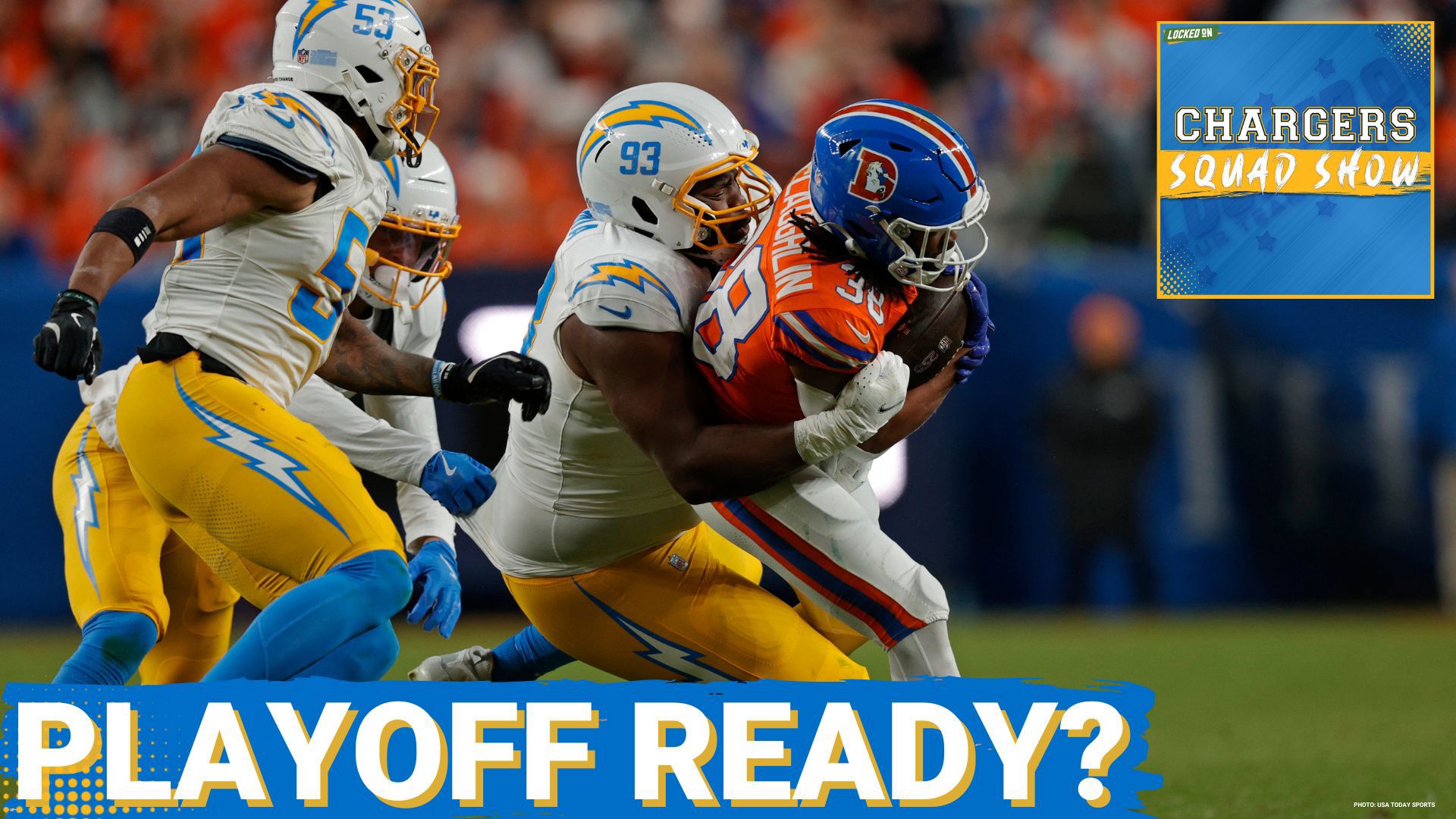
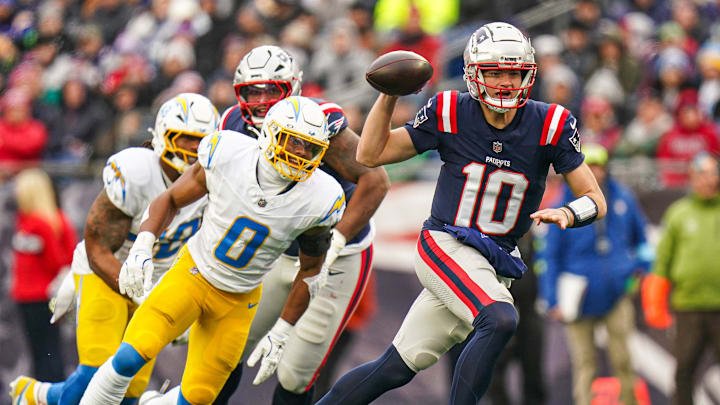
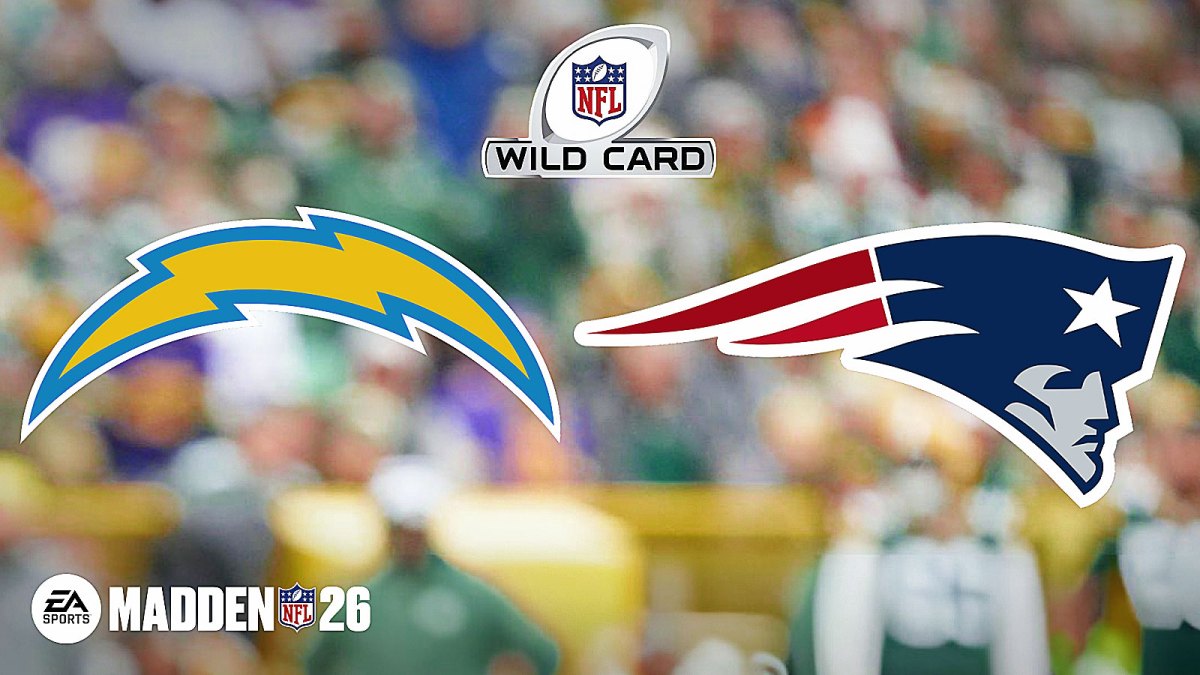
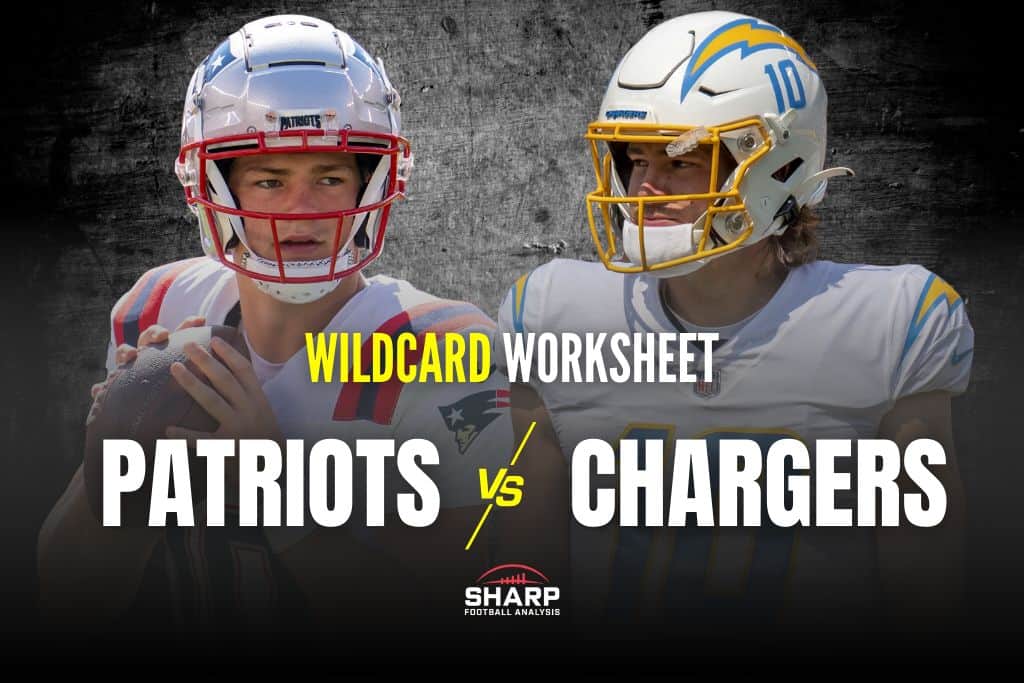
The NFL Wild Card playoff matchup between the New England Patriots and Los Angeles Chargers represents a compelling strategic confrontation that transcends typical sports analysis. At its core, this game epitomizes a nuanced battle of emerging quarterback talent and defensive adaptability.
Strategic Performance Indicators: The Patriots demonstrate remarkable offensive consistency, averaging 379.4 yards per game, while the Chargers counter with a top-5 defensive unit allowing only 285.2 average yards. This complementary strength dynamic suggests a tactically intricate contest where marginal advantages could determine the outcome.
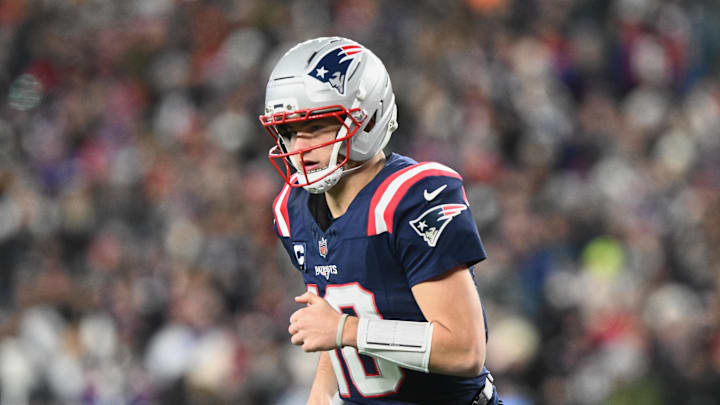
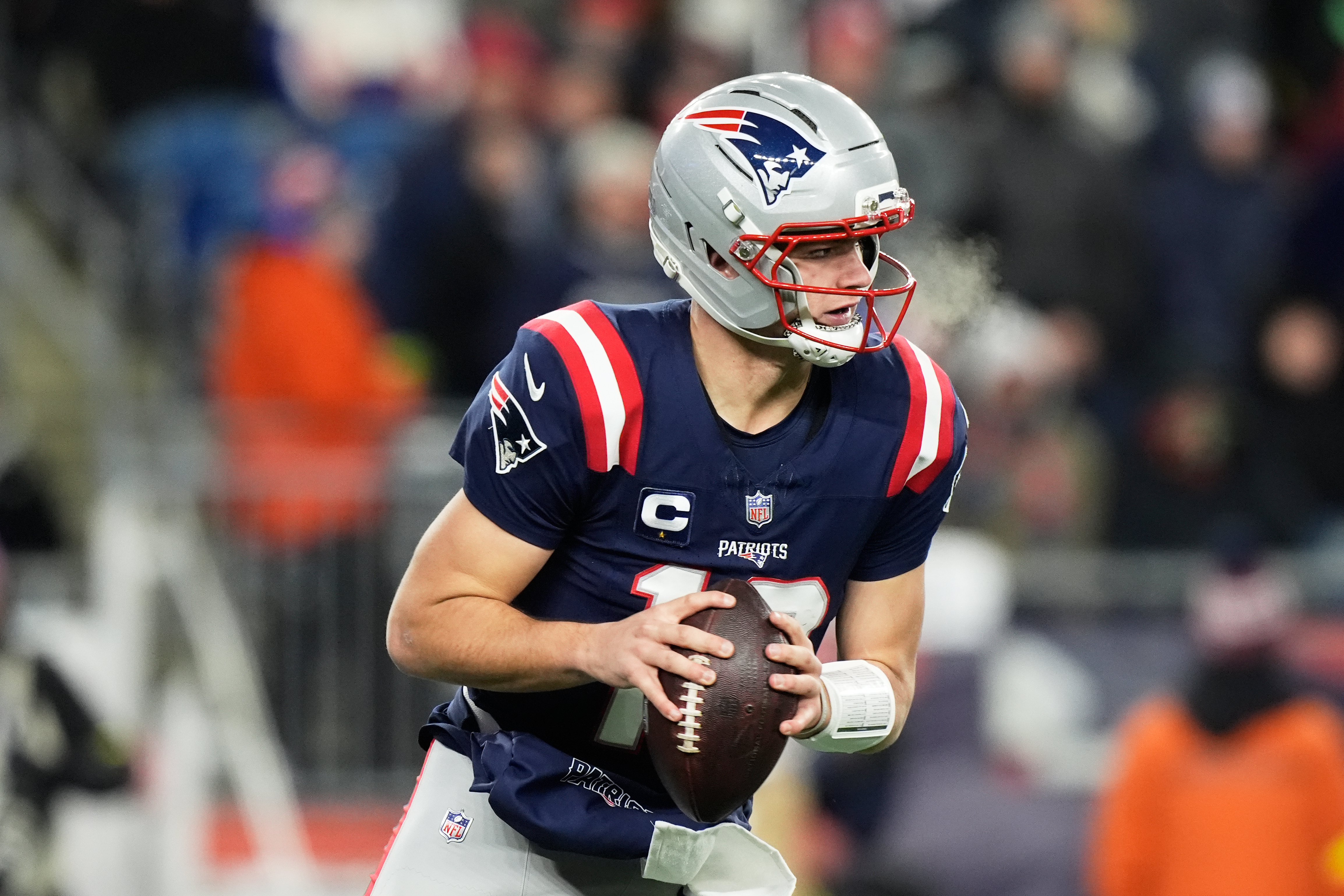
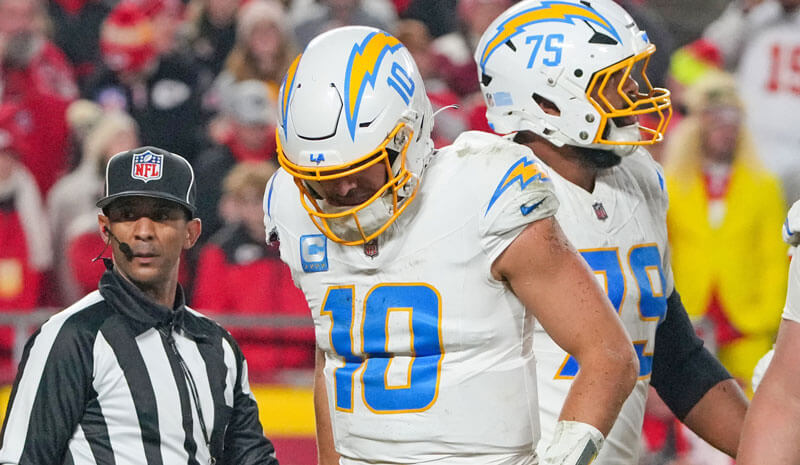
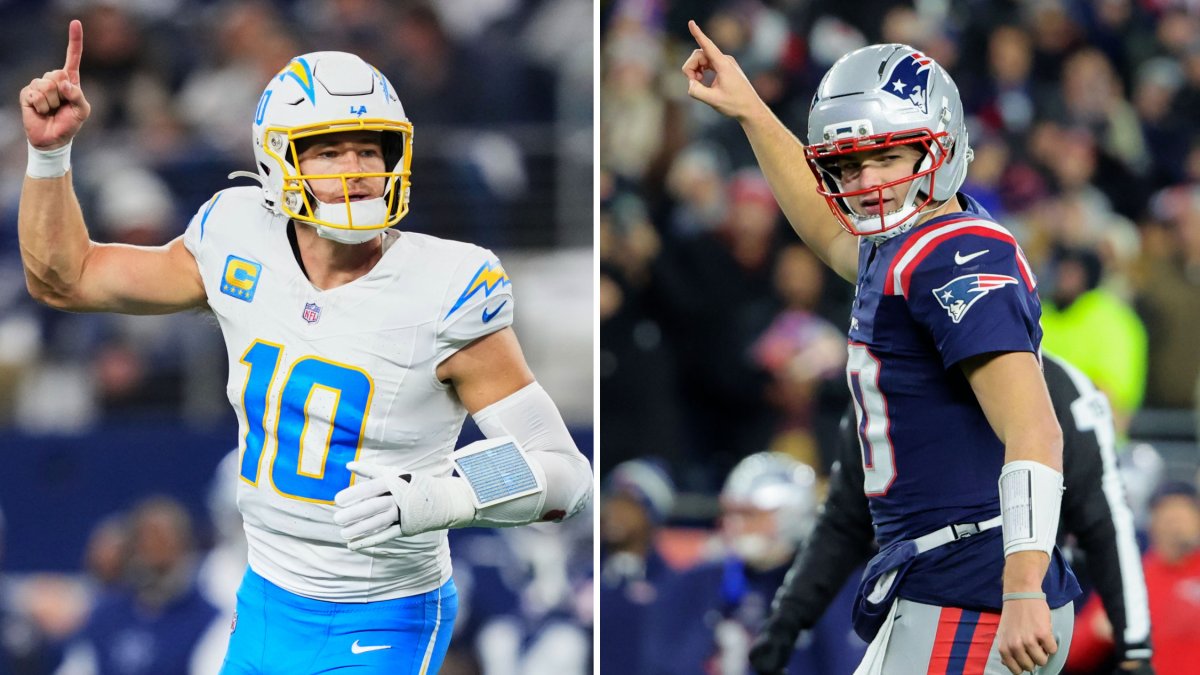
Quarterback Narratives: Drake Maye, the Patriots' rookie quarterback, has emerged as a significant storyline, leading his team to the No. 2 AFC seed with impressive early-career momentum. His second-shortest MVP odds underscore his potential. Conversely, Justin Herbert faces the challenge of overcoming previous playoff setbacks, adding psychological complexity to the matchup.
Key Differentiating Factors:
- Patriots' lower turnover rate (16 giveaways vs Chargers' 21)
- Home-field advantage for New England
- Patriots' dominant recent performance (9-1 record since initial 1-2 start)
- Defensive strategy nuances, particularly in coverage approaches
The game is projected as a potentially low-scoring encounter, with line-of-scrimmage control and quarterback performance serving as critical determinants. Analysts slightly favor the Patriots, predicting they will win and cover the 3.5-point spread.
While the matchup offers rich strategic insights for sports enthusiasts, its direct applicability to cross-border e-commerce remains limited. However, the underlying principles of strategic adaptation, performance under pressure, and leveraging complementary team strengths can provide metaphorical lessons for business competition.
Questions 5
Who are the key players in this playoff matchup?
Drake Maye, the Patriots' rookie quarterback with second-shortest MVP odds, and Justin Herbert of the Chargers, seeking to overcome previous playoff challenges, are the primary focal points of this strategic contest.
What makes the Patriots vs Chargers playoff game strategically interesting?
The game features complementary team strengths: Patriots' superior offense (379.4 yards/game) versus Chargers' top-5 defense (285.2 yards allowed). The matchup centers on rookie quarterback Drake Maye's performance and Justin Herbert's playoff redemption narrative.